Tobmin FM Eye Drop

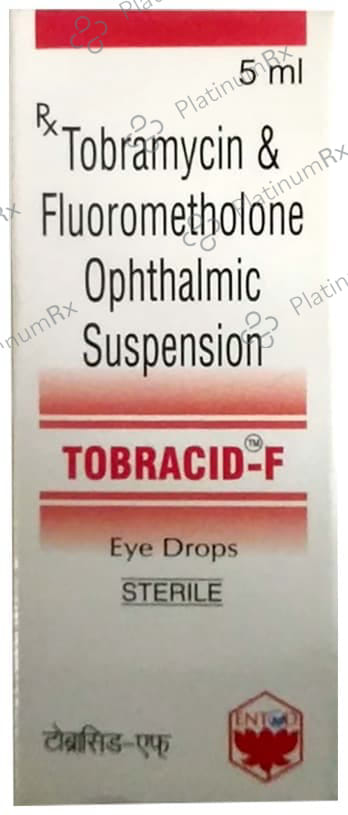
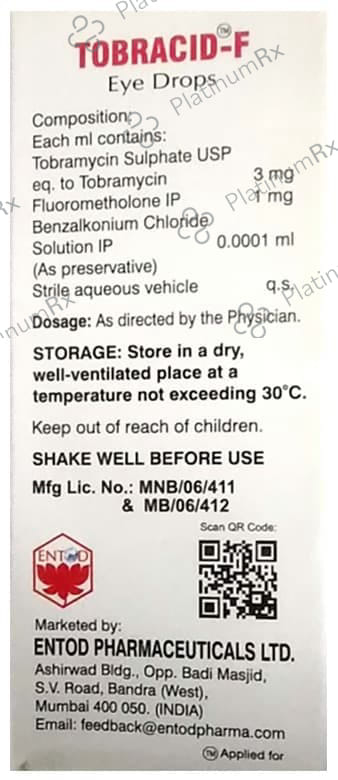
Tobmin FM Eye Drop is a combination ophthalmic formulation containing fluorometholone and tobramycin. It is used to treat steroid-responsive inflammatory eye conditions associated with bacterial infection or risk of infection, helping reduce redness, swelling, irritation, and bacterial growth in the eyes. Always use Tobmin FM Eye Drop exactly as directed by your doctor.
Written by: Srishti Bhukta, B. Pharma
Reviewed by: Dr. Varinderjeet Kaur, MBBS
Last updated on: 17-06-2026
Delivery by
...
FDA & GMP Certified
Long Expiry (>8 Months)
15 Days Easy Returns
Medicine Comparison
Have a question?

Genuine Medicine
Pay On Delivery
Secure Payment

LegitScript Certified Online Pharmacy


More About Tobmin FM Eye Drop
Quick Summary
Tobmin FM Eye Drop is a combination ophthalmic formulation containing fluorometholone and tobramycin. It is used to treat steroid-responsive inflammatory eye conditions associated with bacterial infection or risk of infection, helping reduce redness, swelling, irritation, and bacterial growth in the eyes. Always use Tobmin FM Eye Drop exactly as directed by your doctor.
Detailed Description
Tobmin FM Eye Drop combines fluorometholone and tobramycin, providing dual anti-inflammatory and antibacterial action for the management of ocular inflammation complicated by bacterial infection or where prophylactic antibacterial coverage is required.
Fluorometholone is a corticosteroid that suppresses inflammatory responses in the eye by inhibiting the release of inflammatory mediators such as prostaglandins and cytokines. It helps reduce redness, swelling, itching, irritation, and discomfort associated with inflammatory eye conditions including conjunctivitis, keratitis, and postoperative inflammation. Compared with some other ophthalmic steroids, fluorometholone has a lower tendency to increase intraocular pressure when used appropriately.
Tobramycin is a broad-spectrum aminoglycoside antibiotic effective against many gram-negative and gram-positive ocular pathogens. It works by inhibiting bacterial protein synthesis, ultimately leading to bacterial cell death. Tobramycin is commonly used in eye infections caused by susceptible organisms including Staphylococcus species, Pseudomonas aeruginosa, and other bacteria associated with conjunctival and corneal infections.
The combination of fluorometholone and tobramycin is particularly useful when inflammation and bacterial infection coexist or when steroid therapy may increase the risk of secondary bacterial infection. While fluorometholone controls inflammatory symptoms and tissue damage, tobramycin prevents or treats bacterial proliferation, allowing more effective healing and symptom relief.
Tobmin FM Eye Drop is commonly prescribed for inflammatory ocular conditions such as bacterial conjunctivitis with inflammation, blepharoconjunctivitis, postoperative eye inflammation, and other steroid-responsive eye disorders where antibacterial protection is necessary. Proper duration of therapy and monitoring are important to minimise risks such as increased intraocular pressure, delayed wound healing, or development of resistant organisms.
Uses of Tobmin FM Eye Drop
The uses of Tobmin FM Eye Drop are as follows:
Steroid-Responsive Ocular Inflammation
Tobmin FM Eye Drop is used to reduce eye inflammation, redness, swelling, itching, and irritation associated with steroid-responsive eye conditions.
Bacterial Eye Infections with Inflammation
It is used in ocular infections where bacterial involvement coexists with inflammatory symptoms.
Postoperative Eye Inflammation
The combination helps manage inflammation and prevent bacterial infection following ophthalmic surgical procedures.
Blepharoconjunctivitis
It is used in inflammation affecting the eyelids and conjunctiva caused or complicated by susceptible bacterial organisms.
Keratitis and Corneal Inflammation
Tobmin FM Eye Drop may be prescribed in selected inflammatory corneal conditions where antibacterial coverage is required.
Prevention of Secondary Bacterial Infection
Tobramycin helps reduce the risk of bacterial proliferation during corticosteroid therapy.
Benefits of Tobmin FM Eye Drop
Here are the benefits of Tobmin FM Eye Drop:
- Dual Anti-Inflammatory and Antibacterial Action: Fluorometholone reduces ocular inflammation while tobramycin treats or prevents bacterial infection simultaneously.
- Rapid Symptom Relief: The formulation helps relieve redness, swelling, irritation, discomfort, and watering of the eyes.
- Broad-Spectrum Antibacterial Coverage: Tobramycin is effective against many common gram-positive and gram-negative ocular pathogens.
- Supports Faster Ocular Recovery: By controlling inflammation and infection together, the combination promotes improved healing of affected eye tissues.
- Convenient Combination Therapy: A single ophthalmic preparation reduces the need for separate anti-inflammatory and antibiotic medications.
Side Effects of Tobmin FM Eye Drop
Like all medicines, Tobmin FM Eye Drop may cause side effects in some individuals.
Common Side Effects:
- Temporary Blurred Vision: Mild blurred vision may occur immediately after application.
- Mild Eye Irritation: Burning, stinging, or discomfort in the eye may occur temporarily after use.
- Eye Redness: Mild redness or watering of the eyes may occur during treatment.
Uncommon Side Effects:
- Increased Eye Pressure: Prolonged corticosteroid use may increase intraocular pressure in susceptible individuals.
- Dry Eyes: Some patients may experience dryness or foreign body sensation in the eyes.
- Eyelid Swelling: Mild swelling or irritation around the eyelids may occur.
Serious Side Effects (Require Immediate Medical Attention):
- Severe Allergic Reaction: Swelling of the face, eyelids, lips, or throat with difficulty breathing requires urgent medical care.
- Vision Changes: Sudden worsening of vision, severe eye pain, or sensitivity to light should be reported immediately.
- Secondary Eye Infection: Prolonged steroid use may increase the risk of fungal, viral, or resistant bacterial eye infections.
Always consult your doctor if side effects persist or worsen.
Directions for Use
To ensure safe use:
- Use exactly as prescribed by your doctor.
- Wash your hands thoroughly before applying the eye drops or ointment.
- Avoid touching the dropper or tube tip to the eye or any surface to prevent contamination.
- Apply the medicine at evenly spaced intervals for consistent therapeutic effect.
- Do not wear contact lenses unless advised by your doctor.
- Complete the full prescribed course even if symptoms improve earlier.
How it works
Tobmin FM Eye Drop works through complementary anti-inflammatory and antibacterial mechanisms.
Fluorometholone suppresses ocular inflammation by inhibiting the release of inflammatory mediators such as prostaglandins, cytokines, and other substances involved in swelling, redness, and irritation. This reduces inflammatory damage and improves comfort in steroid-responsive eye conditions.
Tobramycin works by binding to bacterial ribosomes and inhibiting bacterial protein synthesis, ultimately causing bacterial cell death. It is active against a wide range of ocular pathogens commonly responsible for bacterial eye infections.
Together, fluorometholone controls inflammatory symptoms while tobramycin prevents or treats bacterial infection. This dual-action approach is particularly useful in inflammatory eye disorders where bacterial infection is present or there is a significant risk of secondary bacterial contamination during steroid therapy.
Safety Advice for Tobmin FM Eye Drop

Allergy
Caution
Inform your doctor of any known allergy to fluorometholone, tobramycin, aminoglycoside antibiotics, or any component of the formulation before use.

Breastfeeding
Limited information
Use during breastfeeding only if advised by your doctor, as small amounts of corticosteroids or antibiotics may pass into breast milk.

Pregnancy
Limited information
Safety during pregnancy has not been fully established. Use only if clearly prescribed by a doctor.

Driving
Caution
Temporary blurred vision may occur immediately after application. Avoid driving or operating machinery until vision becomes clear.

Alcohol
Safe
No direct interaction with alcohol is generally expected under normal ophthalmic use.

Liver
Safe
No significant liver-related effects are expected with topical ophthalmic use when used as prescribed.

Kidney
Caution
Tobramycin belongs to the aminoglycoside class; caution may be advised in severe renal impairment, especially with prolonged use. Consult your doctor.

Children
Caution
Use in children should be under strict medical supervision, particularly with prolonged corticosteroid therapy.

Elderly patients
Caution
Elderly patients may be more susceptible to steroid-related increases in intraocular pressure and should be monitored appropriately.
Quick Tips for Tobmin FM Eye Drop
A few practical measures can help improve treatment outcomes and ensure safe use of Tobmin FM Eye Drop:
- Wash hands before application: Helps prevent contamination and reduces the risk of introducing additional infection into the eye.
- Avoid touching the dropper tip: Contact with the eye or surrounding surfaces may contaminate the medication.
- Remove contact lenses before use: Contact lenses should generally not be worn during active eye infection unless advised by your doctor.
- Wait between multiple eye medications: If using other eye drops, maintain at least a 5 to 10 minute gap between applications.
- Do not discontinue early: Complete the full prescribed course even if symptoms improve earlier to prevent recurrence or incomplete treatment.
- Monitor prolonged use carefully: Long-term corticosteroid use may increase intraocular pressure or raise the risk of secondary infections.
Storage Advice
Proper storage is important to maintain the stability and effectiveness of Tobmin FM Eye Drop:
- Store at room temperature: Keep away from excessive heat, moisture, and direct sunlight.
- Keep the bottle tightly closed: Prevents contamination and maintains sterility.
- Do not freeze: Freezing may affect the stability of the ophthalmic formulation.
- Keep out of reach of children: Store safely to avoid accidental exposure or ingestion.
- Check expiry before use: Do not use after the expiry date or if the solution changes colour or becomes cloudy.
Drug-Food Interaction
Tobmin FM Eye Drop is a topical ophthalmic medication and is not significantly affected by food intake. However:
- No major food restrictions: Normal dietary intake generally does not interfere with the effectiveness of the medicine.
- Avoid alcohol misuse during infection: Excessive alcohol consumption may impair immune function and delay recovery.
- Maintain hydration and eye hygiene: Proper hydration and good eye care practices may support recovery during treatment.
Interactions with Other Drugs
Tobmin FM Eye Drop may interact with the following medicines:
- Other Ophthalmic Steroids: Concurrent use with multiple steroid-containing eye medications may increase the risk of elevated intraocular pressure and delayed healing.
- Aminoglycoside Antibiotics: Combined use with other aminoglycosides may increase the risk of hypersensitivity or additive toxicity in susceptible individuals.
- Glaucoma Medications: Corticosteroids such as fluorometholone may reduce the effectiveness of medicines used to control intraocular pressure.
- Antiviral or Antifungal Eye Medicines: Steroid components may mask worsening infection and require close monitoring when used together.
- Neuromuscular Blocking Agents: Tobramycin may enhance neuromuscular blockade in susceptible patients receiving these medicines.
Drug-Disease Interactions
Tobmin FM Eye Drop should be used carefully in the following conditions:
- Glaucoma: Corticosteroids such as fluorometholone may increase intraocular pressure and worsen glaucoma.
- Viral or Fungal Eye Infections: Steroid components may worsen untreated viral or fungal infections of the eye.
- Corneal Thinning Disorders: Prolonged corticosteroid use may increase the risk of corneal perforation in susceptible patients.
- Diabetes Mellitus: Diabetic patients may be more prone to delayed healing and secondary ocular infections during steroid therapy.
- Myasthenia Gravis: Aminoglycoside antibiotics such as tobramycin may worsen muscle weakness in susceptible individuals.
Daily Dose
Usually applied as eye drops or ophthalmic ointment several times daily as directed by your doctor. The exact dose and duration depend on the severity of the eye condition, response to treatment, and the specific formulation prescribed.
What If You Forget to take Tobmin FM Eye Drop?
If a dose is missed, apply it as soon as remembered. If it is almost time for the next dose, skip the missed dose and continue with the regular schedule. Do not use extra medicine or double the dose to make up for a missed one.
FAQ
Fact Box
Therapeutic Class
Ophthalmic Medication / Eye Anti-infective with Steroid
Action Class
Anti-inflammatory + Antibacterial
Chemical Class
Corticosteroid + Aminoglycoside Antibiotic
Habit Forming
No
Disclaimer
PlatinumRx is committed to providing reliable and accurate information to support informed customer decisions. However, all information made available on the Platform, including product descriptions, comparisons, and other content, is provided solely for general informational purposes. Such information is not intended to diagnose, prevent, treat, or cure any medical condition, nor should it be relied upon as a substitute for professional medical advice, diagnosis, or treatment.

Customers also bought



More Medicines By Slash Lifevision
More Medicines With Fluorometholone 0.1% w/v + Tobramycin 0.3% w/v
Top Selling Medicines
Top Selling Devices
Top Selling Health Products


