Vitamin B12 Deficiency: 8 Symptoms You Shouldn't Ignore
Last Updated: October 31, 2026

Summary
Vitamin B12 deficiency means your body does not have enough of this vitamin, which it needs to build red blood cells and keep your nerves healthy. It is common in India, partly because many diets here are plant-based. Some people have no symptoms at all, and others feel tired for months before anyone checks their B12. The signs below are worth acting on early, because nerve problems can become permanent if they are left untreated.
Key Takeaways
- What it is: A shortage of vitamin B12, which your body needs for red blood cells and nerves.
- How common in India: Very common. About 31% of Indian adolescents in a national survey had low levels.
- Main symptoms: Tiredness, pins and needles, a sore tongue, muscle weakness and memory problems.
- Who is at risk: Vegetarians, vegans, older adults, and people with stomach or bowel conditions.
- How it is found: A blood test, usually a full blood count plus the vitamin B12 level.
- Treatment: Vitamin B12 tablets or injections. Your doctor decides which, and for how long.
- When to see a doctor: Numbness, poor balance or confusion need a check without delay.
What Is Vitamin B12 Deficiency?
Vitamin B12 is a vitamin you get from animal foods such as milk, curd, eggs, fish and meat. Your body uses it to make red blood cells and to protect the covering around your nerves. When levels stay low for a long time, the shortage can affect both your blood and your nervous system.
Buy Vitamin B12 Medicines at Best Price


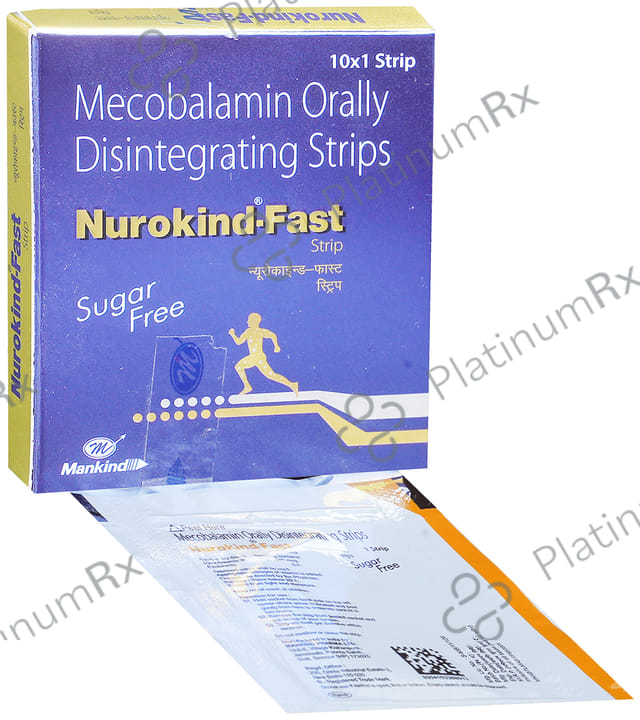
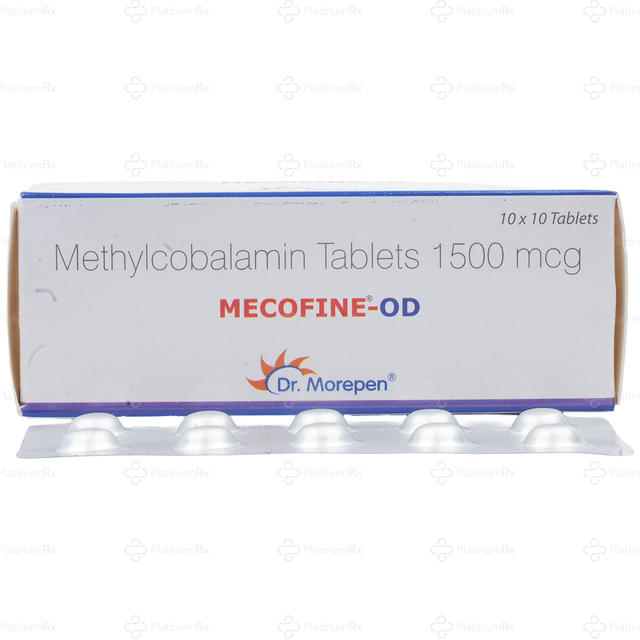

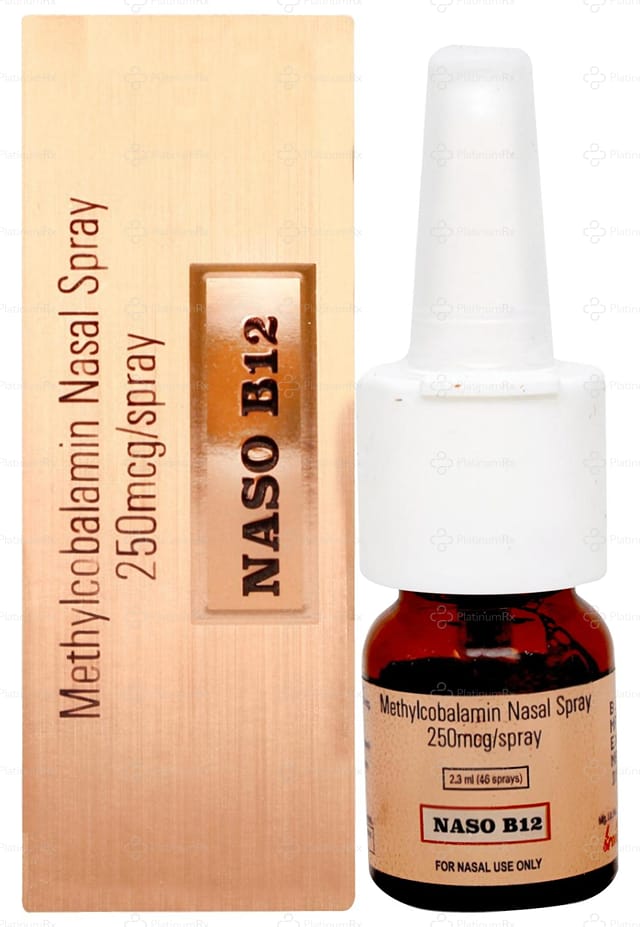



To Buy More Vitamin B12 Medicine
Why B12 Deficiency Is Common in India
India's national nutrition survey (2016–18) measured B12 in children and adolescents across the country. It found low levels in about 31% of adolescents aged 10–19, 17.3% of school-age children and 13.8% of preschool children.
A study of 630 healthy adults in urban south India found B12 deficiency in 35% overall. Among vegetarians it was 54%, against 31% in people eating a mixed diet.
Other Indian studies have found rates as high as 78.5% of adults, depending on which cut-off the laboratory used. In short, a low B12 is a common finding here, not a rare one.
8 Symptoms You Shouldn't Ignore
Many people with low B12 feel nothing at all for months. When symptoms do appear, they usually build up slowly. Here are eight that are worth a blood test.
- Tiredness that rest does not fix. You feel drained by mid-morning, and climbing one flight of stairs leaves you out of breath. Low B12 means fewer healthy red blood cells, so less oxygen reaches your muscles. See a doctor if the tiredness has lasted weeks or comes with breathlessness or palpitations.
- Pale skin, a racing heartbeat or headaches. Your skin looks washed out, your heart thumps when you are sitting still, or headaches keep returning. With less haemoglobin, your heart works harder to move oxygen around. Get checked if your heart races at rest or you feel lightheaded when you stand up.
- Pins and needles in the hands or feet. You feel a crawling or tingling feeling in your fingers or toes, sometimes with numbness. B12 helps maintain the protective sheath around nerves, and a shortage can damage it. Do not wait on this one. Nerve damage can become permanent if treatment is delayed.
- A sore, red or swollen tongue, or mouth ulcers. Your tongue feels sore and looks red or swollen, or mouth ulcers keep coming back. This is one of the classic signs of B12 deficiency and often improves once levels are corrected. See a doctor if it has not settled in a couple of weeks or makes eating painful.
- Muscle weakness. Everyday things feel heavier, or your grip is weaker than it used to be. Healthy nerves are needed to carry signals to your muscles, and B12 keeps those nerves working. Weakness that is new or getting worse deserves a check-up.
- Trouble with balance or walking. You stumble more, feel unsteady in the dark, or your steps have become shuffling. B12 deficiency can affect the nerves and the spinal cord that control coordination. This needs a doctor visit soon. Falls and injuries become more likely if it is ignored.
- Memory, concentration and mood changes. You lose track of conversations, forget a recent errand, or feel low or irritable for no clear reason. B12 is needed for a healthy nervous system, and low levels are linked with confusion and low mood. Take a family member with you, because they may notice changes you have not.
- Blurred or disturbed vision. Vision becomes less sharp, and some people find it harder to see clearly even with their usual glasses. The optic nerve can be affected when B12 stays low for a long time. See an eye doctor or physician promptly. Do not assume it is only a need for new glasses.
Causes of Vitamin B12 Deficiency
Doctors look for the cause, because it decides how long treatment needs to continue.
- A plant-based diet. In India, this is the commonest reason. B12 comes naturally from animal foods, so a vegan diet without fortified foods or a supplement is a common cause. Vegetarians here are also at higher risk.
- Pernicious anaemia. In the UK, this is the commonest cause. Your immune system attacks the stomach cells that make a protein called intrinsic factor, which your body needs to absorb B12.
- Stomach or bowel problems. Surgery such as gastrectomy, or conditions like Crohn's disease and coeliac disease, can block absorption.
- Medicines. Long-term metformin, proton pump inhibitors and other acid-reducing medicines can lower B12. Nitrous oxide, used as gas and air in dentistry and labour, also reduces it.
- Alcohol. Heavy drinking can make it harder for your body to absorb the vitamin.
Your body stores B12 for roughly two to five years, so problems can take a long time to show after a diet change.
How Is It Diagnosed?
A blood test is the usual first step. Your doctor may order a full blood count, which shows whether your red blood cells are fewer or larger than normal, along with a vitamin B12 level. If the result is unclear, further tests can include folate, methylmalonic acid, homocysteine, and antibodies linked to pernicious anaemia.
There is no single cut-off that works for everyone. India's national survey used the World Health Organization cut-off of under 203 pg/mL, which is about 150 pmol/L. Laboratories in India use different ranges, and some people have symptoms with a level that looks normal. Others have a low level and no symptoms at all. That is why your symptoms and your report need to be read together.
How Is It Treated?
Treatment depends on the cause. If your diet is the reason, tablets may be enough. If absorption is the problem, you may need injections, sometimes for life. Your doctor decides the form, the strength and how often you need it. Never start or stop B12 treatment on your own, and never change the frequency yourself.
One safety point matters here. Folic acid on its own can improve anaemia while hiding a B12 deficiency, so doctors check B12 before starting folate.
Can You Prevent It?
If you eat meat, fish, eggs or dairy regularly, you are likely to get enough B12 from food. If you are vegetarian or vegan, choose foods fortified with B12, or ask your doctor about a supplement. Do not treat new numbness or balance problems with a multivitamin from the shop. Those symptoms need a diagnosis first.
When to See a Doctor
See a doctor if you have any symptom on this list, even if you feel otherwise well. For sudden weakness, a drooping face, or trouble speaking, call 112 or 108 immediately.
- Sudden weakness, clumsiness or trouble walking – call 112 or go to the nearest emergency department at once, and do not wait to see whether it passes
- Numbness or tingling in your hands or feet, or weakness and unsteadiness that has built up over weeks – see a doctor soon
- Confusion, memory loss or a change in behaviour
- Blurred vision
- Breathlessness or a racing heartbeat at rest
- Symptoms during pregnancy, or while you are planning one
If low mood is severe, lasts more than two weeks, or you have thoughts of harming yourself, call Tele-MANAS on 14416 or 1800-891-4416 (24x7, Government of India), or go to the nearest emergency department.
FAQs About Vitamin B12 Deficiency
References