Paracetamol vs Ibuprofen: Uses, Side Effects & FAQs
Last Updated: October 29, 2026

Summary
Paracetamol and ibuprofen are two everyday painkillers used for fever, headache, toothache and body aches. Both ease pain and fever; ibuprofen also reduces swelling but is harder on the stomach. For most people, paracetamol is the one to try first, and ibuprofen is useful when pain comes with swelling. Take these medicines only on a doctor's or pharmacist's advice; some strengths, especially of ibuprofen, need a prescription in India.
Key Takeaways
- What they are: Two different painkillers. Ibuprofen is an anti-inflammatory (NSAID); paracetamol is not.
- Active ingredients: Paracetamol (also called acetaminophen) and ibuprofen.
- Used for: Fever, headache, toothache, sore throat, muscle and joint pain. Ibuprofen also helps period pain and swelling.
- Not meant for: Ibuprofen in suspected dengue, late pregnancy, stomach ulcers, or with other NSAIDs.
- Prescription: Use only on a doctor's or pharmacist's advice; some ibuprofen strengths need a prescription in India.
- How to take: Paracetamol with or without food; ibuprofen ideally with or after food.
- Common side effects: Paracetamol rarely causes any. Ibuprofen can cause indigestion, nausea, headache and dizziness.
What Are Paracetamol and Ibuprofen?
Both are painkillers, but they belong to different families. Ibuprofen is a non-steroidal anti-inflammatory drug, or NSAID, the same family as aspirin, diclofenac and naproxen. Paracetamol eases pain and fever, but it is not an NSAID.
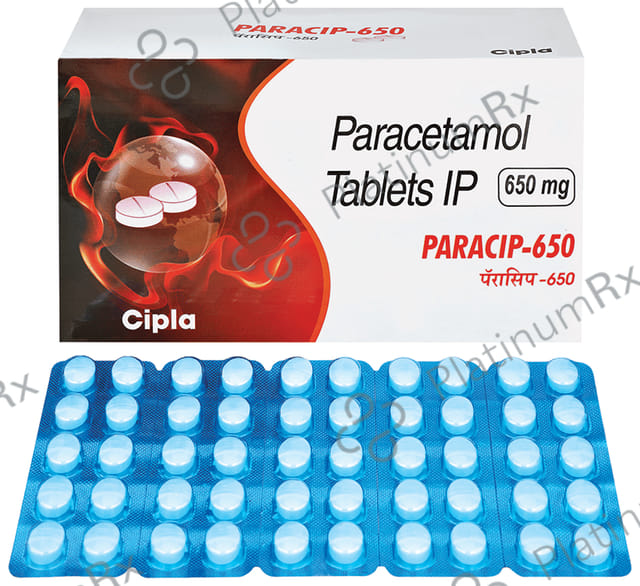
Medicine Containing Paracetamol


Paracetamol vs Ibuprofen: Key Differences
| Paracetamol | Ibuprofen | |
|---|---|---|
| Reduces swelling | No | Yes |
| Stomach upset | Rare | Common |
| Main serious risk | Liver damage if you take too much | Stomach bleeding, kidney problems, heart risk |
| Youngest age (with advice) | From 2 months, conditions apply | From 3 months, over 5 kg |
Check the strength printed on your pack, because tablets, syrups and drops come in different strengths in India.
How Do Paracetamol and Ibuprofen Work?
Think of pain and fever as an alarm. Both medicines turn it down, in different ways:
- Paracetamol: It changes the way your body senses pain and helps cool the body when you have a fever.
- Ibuprofen: It blocks the enzymes your body uses to make prostaglandins, chemical messengers that cause pain, fever and swelling.
So ibuprofen helps more with a swollen joint; both help a simple headache or fever.
Uses of Paracetamol and Ibuprofen
People commonly use these medicines for:
- Fever, including fever with a cold or flu
- Headache, and for ibuprofen, migraine
- Toothache and sore throat
- Muscle and joint pain, and pain after an injury such as a sprain
- Period pain, where ibuprofen is commonly used
- Arthritis pain and stiffness, where a doctor may prescribe ibuprofen
Neither medicine kills germs. They ease symptoms while your body recovers, so an infection may still need its own treatment.
Medicine Containing Ibuprofen


Fever, Pain or Swelling: Is Paracetamol or Ibuprofen Right for You?
| Situation | Paracetamol | Ibuprofen |
|---|---|---|
| Fever or headache | Yes, try first | Yes |
| Sprain, swelling or joint pain | Eases pain only | Yes, also eases swelling |
| Suspected dengue | Yes | No, raises bleeding risk |
| Pregnant | Usually yes, on advice | No, unless a doctor advises |
| Chickenpox | Usually yes | No |
Using ibuprofen for the wrong person or illness can cause stomach bleeding, kidney problems or bleeding in dengue.
How to Take Paracetamol and Ibuprofen
- Swallow tablets whole with water unless the pack says they dissolve or melt.
- Paracetamol can be taken with or without food; ibuprofen is best taken with or after food.
- Shake syrups well and measure with the syringe or cup provided, not a kitchen spoon.
- Check every other medicine you take, such as cold and flu remedies, for hidden paracetamol or ibuprofen.
How Much to Take
Your dose depends on the strength of your tablet or syrup, your age and sometimes your weight. Follow the label on your pack or your doctor's advice. For both medicines, adult labels advise leaving at least 4 hours between doses.
Adult paracetamol labels cap the total at 4,000 mg a day from all sources, including combination cold medicines. Without a doctor's advice, do not use paracetamol for more than 3 days or ibuprofen tablets for more than 10 days.
Never increase the dose on your own. More paracetamol does not ease pain faster, but it can damage your liver. More ibuprofen raises the risk of stomach bleeding and kidney problems.
Children need children's products, dosed by age or weight on the pack. Never give an adult product to a child, and ask your paediatrician if you are unsure.
If someone has taken too much, go to the nearest hospital emergency department straight away, even if they feel well. Paracetamol overdose can harm the liver before symptoms show. Call 112 for emergencies or 108 for an ambulance, and carry the strip, bottle or pack with you.
What If You Miss a Dose?
Most people take these medicines only when needed, so there is usually nothing to make up. If you take them regularly on your doctor's advice, take a missed dose when you remember. Skip it if the next dose is nearly due, and never take a double dose.
How Long Does It Take to Work?
Most people feel some relief within a short time of a dose. See a doctor if pain lasts more than 10 days, a fever lasts more than 3 days, or either gets worse.
Storage
Keep both medicines in their original pack at room temperature, away from heat and moisture, so not in the bathroom. Store them out of sight and reach of children and do not use them after the expiry date.
Side Effects of Paracetamol and Ibuprofen
Paracetamol very rarely causes side effects when taken correctly. Ibuprofen causes side effects more often, but most are mild.
Common and mild:
- Indigestion or stomach ache (ibuprofen)
- Nausea or vomiting (ibuprofen)
- Headache (ibuprofen)
- Dizziness (ibuprofen)
- Diarrhoea or constipation (ibuprofen)
- Rash (ibuprofen)
Rare but serious (stop the medicine and see a doctor right away):
- Swollen face, lips, tongue or throat, an itchy raised rash, or trouble breathing (either medicine)
- Yellow skin or eyes, dark urine or upper belly pain (liver trouble, either medicine); easy bruising or nosebleeds (blood problem, paracetamol)
- Vomiting blood, or black, sticky, tar-like stools, signs of stomach bleeding (ibuprofen)
- Swollen ankles, blood in urine or breathlessness, signs of kidney trouble (ibuprofen)
- Chest pain, weakness on one side of the body or slurred speech (ibuprofen)
Ibuprofen's serious risks are higher at high doses and with long use. Stomach bleeding is also more likely in older people, smokers and heavy drinkers.
Who Should Not Take Paracetamol or Ibuprofen
- Avoid either medicine if you have had an allergy to it.
- Avoid ibuprofen if aspirin or NSAIDs have triggered asthma or hives.
- Avoid ibuprofen with an active stomach ulcer or stomach bleeding.
- Avoid ibuprofen with severe liver or kidney disease.
- Avoid ibuprofen from 20 weeks of pregnancy unless a doctor advises it.
- Avoid ibuprofen around heart bypass surgery or after a recent heart attack.
Precautions
Tell your doctor before taking either medicine if you have:
- Liver or kidney problems (both medicines can affect these organs; ibuprofen is avoided if severe)
- Heavy alcohol use or binge drinking (raises the liver risk with paracetamol)
- A stomach ulcer in the past, or a bleeding problem (ibuprofen can cause bleeding)
- Asthma, especially with nasal polyps or hay fever (ibuprofen may not suit you)
- Heart disease, a past stroke, high blood pressure or high cholesterol (ibuprofen can raise heart risk)
- Pregnancy, plans to get pregnant, or breastfeeding
- Age 75 or over (ibuprofen's risks are higher)
- A child who is dehydrated from vomiting or diarrhoea (check before giving ibuprofen)
In September 2025, the US FDA warned that paracetamol in pregnancy may be linked with autism or ADHD. It also said no study has shown that paracetamol causes them. No matching warning from India's CDSCO was found, so ask your doctor about any painkiller in pregnancy.
Drug Interactions
| Medicine | What can happen |
|---|---|
| Other paracetamol products (cold and flu medicines) | Easy to take too much paracetamol by mistake, risking liver damage |
| Other NSAIDs (aspirin, diclofenac, naproxen) or steroids (prednisolone) with ibuprofen | Higher risk of stomach ulcers and bleeding |
| Blood thinners (warfarin) | Higher bleeding risk with ibuprofen; ask a pharmacist before adding paracetamol |
| Antidepressants (sertraline, fluoxetine, duloxetine) with ibuprofen | Higher risk of stomach bleeding |
| Blood pressure medicines and water tablets with ibuprofen | They can work less well, and the kidneys can be strained |
| Some anti-sickness medicines and antibiotics (metoclopramide, domperidone, flucloxacillin, ciprofloxacin) | Ask a pharmacist before combining |
Always tell your doctor about every medicine, supplement or home remedy you are using. Avoid heavy drinking with either medicine. It raises liver risk with paracetamol and stomach risk with ibuprofen.
FAQs About Paracetamol and Ibuprofen
When to See a Doctor
A painkiller only eases symptoms. See a doctor quickly if you have:
- Fever lasting more than 3 days, or pain lasting more than 10 days
- A child who does not start to improve within 24 hours of ibuprofen
- A severe or lasting sore throat with fever, headache, rash or vomiting
- Severe belly pain, repeated vomiting, bleeding gums or nose, or blood in vomit or stool, especially during dengue season
- Chest pain, breathlessness or weakness on one side of the body
The Bottom Line
Both medicines ease pain and fever, but ibuprofen also reduces swelling. Paracetamol is gentler on the stomach and is usually tried first. The key rule is to stay within the label limit and check other medicines for hidden doses. Paracetamol rarely causes side effects, while ibuprofen's stomach upset is common but usually mild.
References