


More About Aspirin
Quick Summary
Aspirin is a low-dose oral medicine used to reduce the risk of heart attack, stroke, and other cardiovascular events in adults. It belongs to the antiplatelet class of drugs and works by preventing platelets in the blood from clumping together, thereby reducing the formation of harmful blood clots. Aspirin in low doses is commonly prescribed for long-term prevention in patients with a history of heart disease, stroke, or certain risk factors such as high blood pressure or diabetes. Taken once daily, usually after food, Aspirin supports cardiovascular health and helps protect against serious complications related to blocked arteries.
Detailed Description
Aspirin is a low-dose antiplatelet medicine that helps prevent blood clots and lowers the risk of serious cardiovascular events. Doctors often prescribe it for long-term use in people at risk of heart attack, stroke, or other conditions caused by reduced blood flow.
Aspirin works by blocking cyclooxygenase (COX) enzymes. These enzymes are responsible for producing thromboxane A₂, a chemical that makes platelets stick together. By reducing platelet activity, aspirin decreases the chance of clot formation inside arteries, helping blood move more freely and reducing the risk of blockages.
Low-dose aspirin is commonly recommended for patients with a history of cardiovascular disease, including coronary artery disease, angina, or after procedures such as angioplasty or bypass surgery. It may also be recommended for individuals at higher risk based on their medical history.
The medicine is usually taken once daily, at the same time each day, with or without food. Taking it with food or a full glass of water can help reduce stomach irritation. While most people tolerate low-dose aspirin well, long-term use requires medical supervision because of the potential risk of gastrointestinal irritation or bleeding.
By preventing clot formation, Aspirin plays a key role in long-term cardiovascular protection and overall heart health. It is important to take the medication exactly as prescribed and not stop it without consulting your healthcare provider, since discontinuation may increase the risk of heart attack or stroke.
Uses of Aspirin
Aspirin is indicated for:
- Cardiovascular Disease Prevention: Used to reduce the risk of heart attack (myocardial infarction) and stroke in adults with established cardiovascular disease or risk factors such as hypertension, diabetes, or high cholesterol.
- Secondary Prevention: Prescribed for patients who have already experienced a heart attack, stroke, or undergone procedures such as angioplasty or bypass surgery, to prevent recurrence.
- Peripheral Arterial Disease (PAD): Helps lower the risk of clot formation in patients with narrowed blood vessels in the limbs.
- Post-Surgical/Interventional Use: Often recommended after stent placement or other vascular procedures to prevent clot-related complications.
- Stable Angina and Acute Coronary Syndromes: Supports long-term management by reducing platelet aggregation and improving blood flow
Benefits of Aspirin
- Helps Prevent Blood Clots: Aspirin reduces platelet activity, lowering the chance of clot formation inside arteries. This supports smoother blood flow and decreases the risk of blockages.
- Lowers Risk of Heart Attack and Stroke: Daily low‑dose therapy is widely used to protect individuals with a history of cardiovascular disease or those with risk factors such as high blood pressure, diabetes, or high cholesterol.
- Supports Long‑Term Heart and Vascular Health: Regular use under medical supervision helps reduce complications linked to narrowed or blocked arteries, contributing to overall cardiovascular protection.
- Secondary Prevention: Proven benefit in patients who have already experienced a heart attack, stroke, or undergone procedures such as stent placement or bypass surgery, helping to prevent recurrence.
- Convenient Daily Therapy: Taken once a day, usually after food, making it simple to incorporate into routine care plans.
- Well Studied and Trusted: Aspirin is one of the most extensively researched medicines in cardiovascular medicine, with decades of evidence supporting its safety and effectiveness when used appropriately.
Side Effects of Aspirin
Like all medicines, Aspirin (Aspirin 75mg) may cause side effects, although not everyone experiences them. Most side effects are mild and improve as the body adjusts to the medication.
Common side effects:
- Stomach discomfort or irritation
- Nausea or indigestion
- Heartburn
Less common side effects:
- Easy bruising or increased tendency to bleed
- Mild stomach pain
Rare but serious side effects (seek medical attention immediately):
- Signs of gastrointestinal bleeding, such as black stools or vomiting blood
- Allergic reactions, including rash, swelling, or breathing difficulty
- Ringing in the ears or hearing changes (usually with higher doses)
If you experience any unusual or persistent symptoms while taking Aspirin, contact your doctor promptly. Always take the medicine exactly as prescribed to reduce the risk of side effects.
Directions for Use
- Administration: Take the tablet once daily, ideally at the same time each day. With Food: It is highly recommended to take Aspirin with or immediately after food to protect the stomach lining.
- Swallow Whole: If using enteric-coated versions, do not crush or chew them, as the coating is designed to let the tablet pass through the stomach before dissolving.
- Consistency: This is a long-term preventative medicine. Do not stop taking it without consulting your cardiologist, as stopping can trigger a rebound clotting effect.
How it works
Aspirin is a low-dose antiplatelet medication that works by reducing the ability of blood platelets to stick together and form clots.
It does this by irreversibly inhibiting the cyclooxygenase (COX) enzymes, which are responsible for producing thromboxane A₂, a chemical that signals platelets to aggregate. By lowering thromboxane A₂ levels, aspirin prevents platelets from clumping, reducing the risk of blood clot formation in arteries.
This mechanism helps protect against cardiovascular events such as heart attacks, strokes, and other clot-related complications, particularly in people with a history of cardiovascular disease or those at high risk.
Because aspirin’s effect on platelets is irreversible, a single daily dose is usually sufficient to maintain its protective action throughout the day.
Safety Advice for Aspirin

Pregnancy
Caution
Low-dose aspirin may be prescribed to prevent conditions such as pre-eclampsia, but it should be used during pregnancy only under medical supervision, especially in later stages.

Breastfeeding
Caution
Aspirin passes into breast milk and prolonged use is generally not recommended due to potential risks to the infant.

Driving
Safe
Aspirin does not usually affect alertness or the ability to drive or operate machinery.

Liver
Caution
Use with caution in patients with liver disease. Not recommended in severe liver impairment.

Kidney
Caution
May worsen kidney function in patients with existing kidney disease, especially with long-term use.

Alcohol
Caution
Alcohol consumption increases the risk of stomach irritation and gastrointestinal bleeding while taking aspirin.
Quick Tips for Aspirin
- Surgery Warning: You may need to stop taking Aspirin 5–7 days before a scheduled surgery. Always ask your surgeon.
- Soft Toothbrush: Use a soft-bristle toothbrush to prevent gum bleeding.
- Avoid Other Painkillers: If you need pain relief, paracetamol is generally safer than ibuprofen while on aspirin.
- Emergency Sign: If you experience a heavy fall or head injury, seek medical advice even if you feel fine, as internal bleeding can occur more easily.
Storage Advice
Store in a cool, dry place (below 25°C). Keep away from moisture (avoid bathroom cabinets). Ensure the bottle or blister pack is out of reach of children to prevent accidental poisoning.
Drug-Food Interaction
- Alcohol: Significantly increases the risk of stomach bleeding and ulcers.
- Omega-3/Fish Oil: High doses of fish oil may have additive blood-thinning effects; consult your doctor if combining them.
Interactions with Other Drugs
- Other Blood Thinners (Warfarin, Clopidogrel): Greatly increase the risk of major bleeding.
- NSAIDs (Ibuprofen, Naproxen): Taking these regularly can block the heart-protective effect of aspirin and damage the stomach.
- Corticosteroids: Increase the risk of stomach ulcers.
- Methotrexate: Aspirin can increase the levels of methotrexate in the blood to toxic levels.
Drug-Disease Interactions
- Peptic Ulcers: Active or history of stomach ulcers increases the risk of internal bleeding.
- Asthma: Some patients with asthma may experience "aspirin-induced asthma" (wheezing/bronchospasm).
- Haemophilia/Bleeding Disorders: Increases the risk of uncontrolled bleeding.
- Gout: Low-dose aspirin can interfere with the excretion of uric acid, potentially triggering a gout attack.
Daily Dose
The standard preventative dose is one tablet taken once daily. Do not take more than prescribed, as higher doses do not increase heart protection but do increase side effects.
Overdose
Symptoms of overdose include ringing in the ears (tinnitus), rapid breathing, sweating, and confusion. Action Required: Seek emergency medical care immediately.
What If You Forget to take Aspirin?
Take it as soon as you remember. If it is almost time for your next dose, skip the missed one. Do not double the dose.
References
Fact Box
Therapeutic Class
Antiplatelet / Antithrombotic
Action Class
Irreversible COX Inhibitor
Chemical Class
Salicylate
Habit Forming
No
Checkout Editorial Policy
Aspirin in other salts
Top Selling Medicines
Top Health Products
Top Selling Devices
Related Medications

Aspirin 325mg
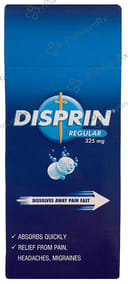
₹6.2
MRP ₹7.1
Aspirin 75mg
₹4.5
MRP ₹5.3
Aspirin 75mg
₹3.7
₹4.5
MRP ₹5.3
Aspirin 75mg
₹6.5
₹4.5
MRP ₹5.3
Aspirin 75mg
₹27.6
₹4.5
MRP ₹5.3
Aspirin 75mg
₹5.3
₹4.5
MRP ₹5.3
Aspirin 75mg
₹65
₹4.5
MRP ₹5.3
Aspirin 150mg
₹8
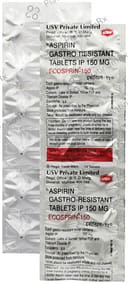
₹9.1
MRP ₹10.6
Aspirin 75mg
₹6.7
₹4.5
MRP ₹5.3
Aspirin 75mg
₹2.3
₹4.5
MRP ₹5.3
Aspirin 150mg
₹8.5
₹9.1
MRP ₹10.6
Aspirin 325mg
₹10
₹6.2
MRP ₹7.1
Aspirin 150mg
₹5.9
₹9.1
MRP ₹10.6
Aspirin 75mg
₹3.5
₹4.5
MRP ₹5.3
Aspirin 75mg
₹20
₹4.5
MRP ₹5.3
Aspirin 150mg
₹3
₹9.1
MRP ₹10.6
Aspirin 75mg
₹27.5

Aspirin 50mg
₹3.5
Aspirin 82mg
₹20.7
Aspirin 300mg
₹12
Aspirin 300mg
₹1.9
Aspirin 100mg
₹21.2
Aspirin 163mg
₹6.7
Aspirin 500mg
₹15
Aspirin 60mg
₹9