Bilastine vs Levocetirizine: Uses, Side Effects & FAQs
Last Updated: October 29, 2026

Summary
Bilastine and levocetirizine are anti-allergy tablets for sneezing, a runny or itchy nose, watery eyes and hives (itchy, raised skin rashes). Bilastine is a prescription-only medicine in India; take levocetirizine only on a doctor's advice too. Both are second-generation antihistamines that stop histamine, the chemical released during an allergy, from causing symptoms.
Key Takeaways
- What it is: Two once-a-day antihistamine tablets that calm allergy symptoms and hives.
- Active ingredients: Bilastine; levocetirizine (as levocetirizine dihydrochloride).
- Used for: Hay fever, year-round nasal allergy, allergic eye symptoms and long-lasting hives.
- Not meant for: Colds, flu or asthma attacks; bilastine not for people with a past long-QT heart-rhythm problem.
- Prescription: Needed for bilastine in India; take levocetirizine only on a doctor's advice.
- How to take: Bilastine on an empty stomach, without fruit juice; levocetirizine in the evening, food optional.
- Common side effects: Headache, sleepiness, tiredness, dry mouth; usually mild and pass on their own.
What Are Bilastine and Levocetirizine?
Both belong to the newer, second-generation group of antihistamines and are taken once a day. In 2019, the CDSCO approved bilastine 20 mg tablets in India for allergic rhinitis with eye symptoms and for hives in adults. Levocetirizine is the active half of cetirizine, an older and widely used allergy medicine.
Medicine Containing Bilastine

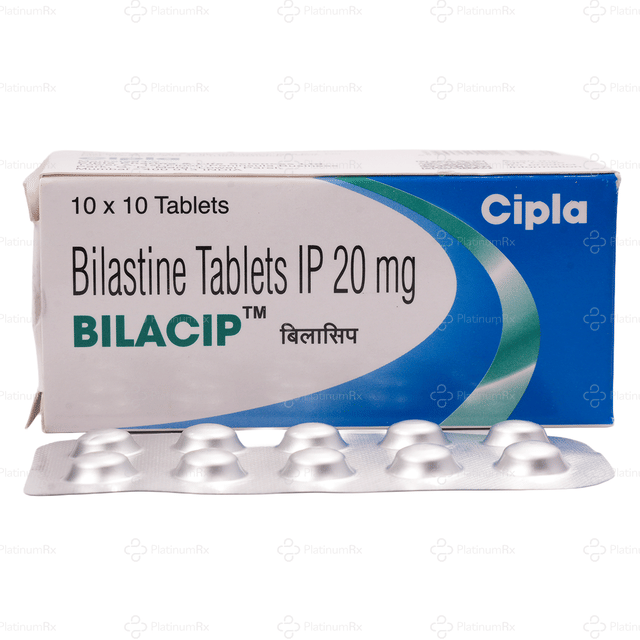
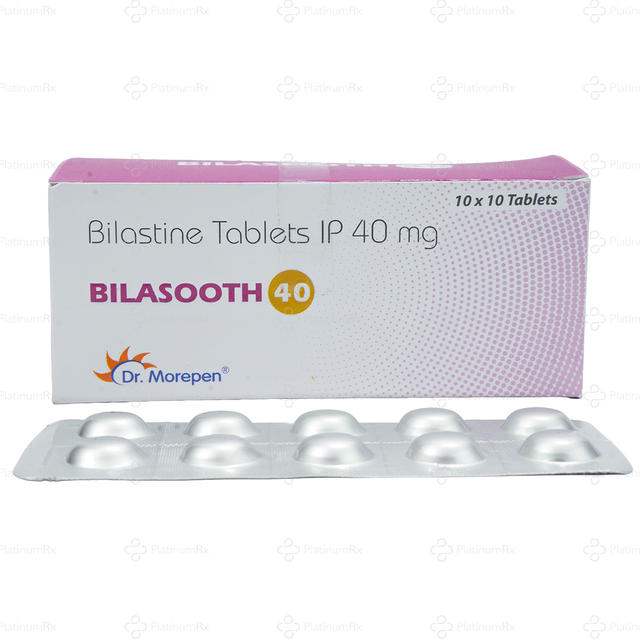

Bilastine and Levocetirizine Composition (Per Tablet)
| Ingredient | Type | What it does (in simple words) |
|---|---|---|
| Bilastine | Antihistamine | Blocks histamine's docking spots to ease sneezing, itching and hives |
| Levocetirizine dihydrochloride | Antihistamine | Blocks histamine's docking spots to ease sneezing, itching and hives |
Check the exact strength printed on your pack; it may vary between brands and forms. Levocetirizine also comes as a syrup for children.
How Do Bilastine and Levocetirizine Work?
During an allergy, histamine latches on to docking spots in your nose, eyes and skin, setting off sneezing, itching and swelling. Both medicines sit on these spots so histamine cannot switch them on. Bilastine reaches the brain only in small amounts, so it rarely causes sleepiness.
Medicine Containing Levocetirizine
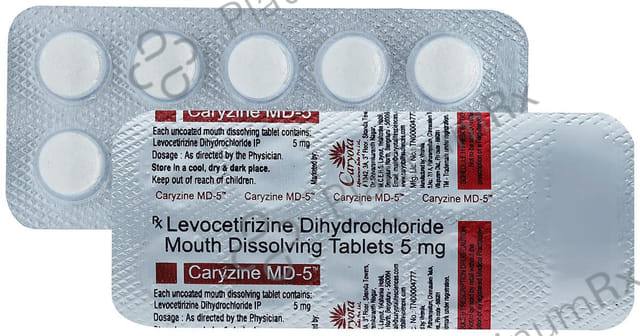


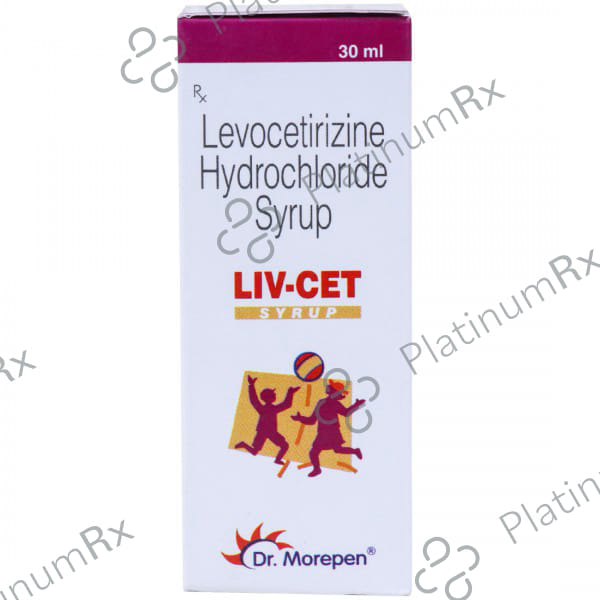
Uses of Bilastine and Levocetirizine
Doctors usually prescribe either medicine for:
- Seasonal allergic rhinitis (hay fever), sneezing and a runny, itchy nose at certain times of year, often due to pollen
- Perennial allergic rhinitis, the same symptoms all year round, often due to dust mites or pet dander
- Allergic eye symptoms, red, itchy or watery eyes that come with nasal allergy
- Chronic urticaria, itchy hives that keep coming back for weeks or months
Neither medicine treats an infection, a blocked nose from a cold, or the cause of the allergy. They also do not open tight airways, so they are not a replacement for an asthma inhaler.
Bilastine or Levocetirizine: Which Is Right for You?
In people with long-lasting hives, bilastine works about as well as levocetirizine. The bigger differences are in daily use and safety, as the table shows.
| Bilastine | Levocetirizine | |
|---|---|---|
| Sleepiness | Uncommon; close to a dummy pill | More common; can affect driving |
| Food | Empty stomach only | With or without food |
| Fruit juice | Avoid around the dose | No special rule |
| Time of day | Any fixed time, away from meals | Usually in the evening |
| Kidney disease | No dose change; avoid some antibiotics/antifungals | Dose cut or avoided |
| Past long-QT problem | Must not be used | Not expected to affect QT |
| Children | Approved for adults in India | Children's doses exist |
How to Take Bilastine and Levocetirizine Tablets
- Swallow the tablet with a glass of water; do not split it unless your doctor asks for a half dose.
- Bilastine: take it on an empty stomach, at least one hour before food or two hours after.
- Bilastine: avoid grapefruit and other fruit juices near your dose, as they lower how much medicine you absorb.
- Levocetirizine: take it in the evening, with or without food.
- Take your tablet at the same time every day.
Dosage of Bilastine and Levocetirizine
Your doctor decides the dose based on your age, symptoms, kidney health and other medicines. The usual adult dose of bilastine is one 20 mg tablet once a day, and it should not be exceeded. The usual dose of levocetirizine for adults and children 12 years and older is 5 mg once a day in the evening, and some people manage on 2.5 mg.
Never increase the dose on your own. A higher dose does not stop itching faster, but it does raise the chance of sleepiness and other side effects.
Children need a paediatrician's advice. In India, bilastine is approved for adults, while levocetirizine has smaller doses for children, mostly as syrup. Never give an adult tablet to a child.
If someone takes too much, go to the nearest hospital emergency department right away, and carry the strip or bottle. Call 112 for emergencies or 108 for an ambulance. Too much levocetirizine can cause drowsiness in adults, and restlessness followed by drowsiness in children.
What If You Miss a Dose?
For levocetirizine, take the missed dose when you remember, unless your next dose is close. For bilastine, skip the missed dose and take the next one at the usual time. Never take two doses to make up for a missed one.
How Long Does It Take to Work?
Both medicines can start easing symptoms within about an hour, and one dose lasts around a day. If your symptoms are no better after a few days, or your hives keep returning, see your doctor.
Storage
Store both at room temperature, away from heat and moisture. Keep them out of the reach of children and do not use them after the expiry date.
Side Effects of Bilastine and Levocetirizine
Most people take either medicine without any trouble. When side effects happen, they are usually mild and pass on their own.
Common and mild:
- Headache
- Sleepiness or tiredness (more common with levocetirizine)
- Dizziness
- Upper stomach pain or nausea
- Dry mouth
- Sore throat or a stuffy, runny nose
Rare but serious (stop the medicine and see a doctor right away):
- Swelling of the face, lips or throat, trouble breathing, or a sudden widespread rash
- A racing or pounding heartbeat, fainting, or feeling your heart skip
- Difficulty passing urine (reported with levocetirizine)
- Fits (seizures), hallucinations, unusual anger, low mood or thoughts of self-harm (reported with levocetirizine)
- Yellow eyes or skin, or dark urine
If you have thoughts of harming yourself, call Tele-MANAS on 14416 or 1800-891-4416 (free, 24×7) or 112 in an emergency.
Heart-rhythm changes are a concern mainly with bilastine, and mostly when it is combined with other medicines that affect heart rhythm.
Who Should Not Take Bilastine or Levocetirizine
- Bilastine: anyone allergic to bilastine
- Levocetirizine: anyone allergic to levocetirizine or cetirizine
- Bilastine: people with a past or inherited long QT heart-rhythm problem
- Levocetirizine: people with kidney failure or on dialysis
- Levocetirizine: children under 12 with kidney problems
Precautions
Tell your doctor before taking either medicine if you have:
- Kidney disease (levocetirizine needs a lower dose; bilastine plus certain antibiotics or antifungals should be avoided)
- A heart-rhythm problem, slow heartbeat, or low potassium or magnesium (bilastine can slightly lengthen the heart's electrical cycle)
- An enlarged prostate or a spinal cord problem (levocetirizine can make it hard to pass urine)
- Epilepsy or a history of fits (fits have been reported with levocetirizine)
- Pregnancy or plans to become pregnant (bilastine is usually avoided; data are limited for both)
- Breastfeeding (levocetirizine is usually not recommended; bilastine has not been studied)
- Age over 65 with weak kidneys (levocetirizine dose may need adjusting)
Drug Interactions
| Medicine | What can happen |
|---|---|
| Certain antifungals and antibiotics (ketoconazole, erythromycin) | Raise bilastine levels; more side effects |
| Ciclosporin, diltiazem | May raise bilastine levels |
| Other medicines that can affect heart rhythm (ask your doctor) | Higher risk of heart-rhythm problems with bilastine |
| Medicines that lower potassium or magnesium levels | Higher heart-rhythm risk with bilastine |
| HIV medicines (ritonavir) | Can change levels of either medicine |
| Rifampicin | May lower bilastine levels |
| Sleeping pills, anxiety medicines, strong painkillers | Extra drowsiness with levocetirizine |
| Theophylline (asthma medicine) | May slightly slow the clearing of cetirizine-type medicines |
Always tell your doctor about every medicine, supplement or home remedy you are using. Avoid alcohol with levocetirizine, as it adds to sleepiness; with bilastine, alcohol is still best kept to a minimum.
Frequently Asked Questions About Bilastine and Levocetirizine
When to See a Doctor
An antihistamine only eases allergy symptoms. See a doctor quickly if you have:
- Swelling of the lips, tongue or throat, or trouble breathing
- Hives with fever or joint pain
- Hives that keep coming back for weeks
- Wheezing, chest tightness or breathlessness
- Thick yellow or green nasal discharge with facial pain or fever
- No improvement after a few days of regular use
The Bottom Line
Bilastine and levocetirizine both ease hay fever, nasal allergy and long-lasting hives, and work about equally well. Your doctor picks between them based on your daily routine and health, and bilastine must not be used by people who have ever had a long-QT heart-rhythm problem. Side effects of both are usually mild and pass on their own.
References