




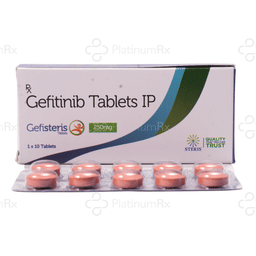
Geftinat 250mg Tablet 30s
Natco Pharma Ltd.
Bottle of 30 tablets
₹3318.60
₹5531.00
40% Off
Zefyted 250 Tablet is a targeted cancer medicine belonging to the class of epidermal growth factor receptor (EGFR) tyrosine kinase inhibitors (specialized proteins that control cell growth and multiplication). It is specifically prescribed for adults with advanced or metastatic non-small cell lung cancer (NSCLC, the most common type of lung cancer) whose tumors carry specific abnormal EGFR gene mutations, such as exon 19 deletions or exon 21 L858R substitution mutations (genetic alterations that fuel cancer cell growth). Instead of acting like conventional chemotherapy that damages all rapidly dividing cells, Zefyted 250 Tablet selectively targets cancer cells by turning off the chemical signals that tell them to multiply and spread. It is taken orally under the strict supervision of an oncologist to slow disease progression and relieve cancer-related symptoms.
Written by: Syeda Jigni Mehraj, B pharmacy
Reviewed by: Dr. Jay Faldu, MBBS
Last updated on: 24-11-2026
Therdose Pharma Pvt Ltd
See affordable match

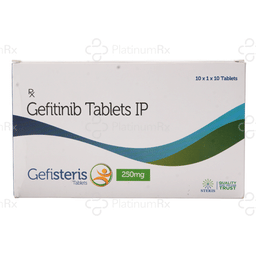
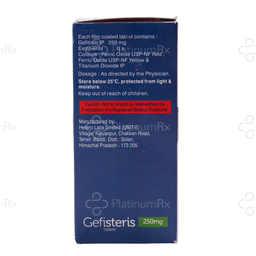
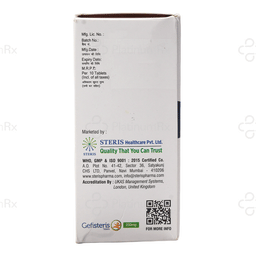

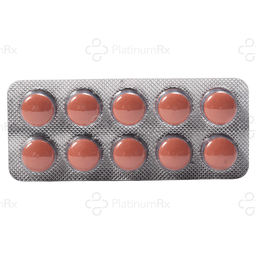
Delivery by
...
FDA & GMP Certified
Long Expiry (>8 Months)
15 Days Easy Returns
Have a question?

Genuine Medicine
Pay On Delivery
Secure Payment

LegitScript Certified Online Pharmacy
Zefyted 250 Tablet is a targeted cancer medicine belonging to the class of epidermal growth factor receptor (EGFR) tyrosine kinase inhibitors (specialized proteins that control cell growth and multiplication). It is specifically prescribed for adults with advanced or metastatic non-small cell lung cancer (NSCLC, the most common type of lung cancer) whose tumors carry specific abnormal EGFR gene mutations, such as exon 19 deletions or exon 21 L858R substitution mutations (genetic alterations that fuel cancer cell growth). Instead of acting like conventional chemotherapy that damages all rapidly dividing cells, Zefyted 250 Tablet selectively targets cancer cells by turning off the chemical signals that tell them to multiply and spread. It is taken orally under the strict supervision of an oncologist to slow disease progression and relieve cancer-related symptoms.
Zefyted 250 Tablet is an oral targeted therapy that represents an important advancement in personalized cancer treatment for non-small cell lung cancer. In healthy cells, the epidermal growth factor receptor sits on the cell surface and helps regulate normal cellular growth. In certain lung cancers, mutations in the EGFR gene keep this receptor permanently turned on, sending non-stop growth and survival signals to cancer cells. Zefyted 250 Tablet works by directly binding to the internal enzyme pocket of this receptor, shutting down its signaling pathway and prompting cancer cells to stop multiplying and undergo natural cell death.
Before starting Zefyted 250 Tablet, doctors perform genetic testing on a tumor tissue sample or blood sample to confirm that the cancer possesses activating EGFR mutations. The drug is typically formulated as a once-daily tablet, offering the convenience of home-based oral administration compared to intravenous chemotherapy regimens. This oral targeted approach helps maintain stable drug levels in the bloodstream while sparing many healthy tissues from unnecessary toxicity.
Because Zefyted 250 Tablet is a potent antineoplastic agent (cancer-fighting medication), ongoing medical supervision is mandatory. Patients receiving this therapy require regular follow-up visits, including periodic chest imaging, routine liver function tests, and symptom monitoring. Doctors evaluate treatment response over time and watch carefully for signs of drug-related complications, such as lung inflammation, severe skin rashes, or liver enzyme elevations, adjusting supportive care or pausing treatment when clinically necessary.
Take Zefyted 250 Tablet exactly as directed by your oncologist. The tablet is typically taken once daily, with or without food, at the same time each day to maintain steady medicine levels in your body. Swallow the tablet whole with a full glass of plain water. Do not chew, crush, or break the tablet.
If you have difficulty swallowing whole tablets, your doctor or pharmacist can guide you on dispersing the tablet in half a glass of plain, non-carbonated drinking water without crushing it. Swirl the glass gently until the tablet completely disperses into tiny particles, drink the liquid immediately, rinse the empty glass with another half-glass of water, and drink that as well to ensure the full dose is received. Do not use other liquids like juices or carbonated drinks for this dispersion. Continue taking Zefyted 250 Tablet daily for as long as your oncologist prescribes, and never stop or adjust your dose without medical advice.
Zefyted 250 Tablet belongs to the drug class known as epidermal growth factor receptor tyrosine kinase inhibitors. The epidermal growth factor receptor is a protein that spans the outer membrane of cells. In certain non-small cell lung cancers, specific genetic mutations cause this receptor to become continuously active. When active, its internal enzyme component, tyrosine kinase, uses adenosine triphosphate (ATP) to send continuous chemical signals inside the cell, driving rapid cancer cell division, survival, blood vessel development, and metastasis.
Zefyted 250 Tablet works by selectively and reversibly competing with ATP to bind directly to the tyrosine kinase domain of the abnormal EGFR protein. By blocking this binding site, Zefyted 250 Tablet prevents the transfer of phosphate groups, effectively shutting down the downstream signaling cascade. Without these vital growth signals, cancer cell proliferation halts, tumor growth slows, and the cancer cells are triggered to undergo programmed cell death (apoptosis).

Zefyted 250 Tablet can cause severe fetal harm or embryo-fetal death when administered during pregnancy and must not be used by pregnant women. Female patients of childbearing potential must verify a negative pregnancy status before starting treatment and must use highly effective contraception during therapy and for at least 2 weeks after the last dose.

It is not known whether Zefyted 250 Tablet passes into human breast milk, but serious adverse reactions in nursing infants are possible; therefore, breastfeeding is strictly not recommended during treatment.

Avoid alcohol while taking Zefyted 250 Tablet, as concurrent consumption can aggravate stomach irritation, worsen diarrhea, and increase the risk of liver toxicity.

Zefyted 250 Tablet can cause fatigue, weakness, or occasional dizziness; avoid driving or operating machinery if you experience these symptoms.

Dose adjustments are generally not required for mild to moderate kidney impairment, but patients with severe renal impairment should be closely monitored.

Zefyted 250 Tablet is metabolized extensively by the liver; use with caution and under frequent liver enzyme monitoring, as dose interruption or discontinuation is required if liver impairment worsens significantly.

The safety and effectiveness of Zefyted 250 Tablet have not been established in pediatric populations, and it is not approved for use in children.

Elderly individuals can take Zefyted 250 Tablet at standard recommended doses, though closer clinical monitoring for dehydration and diarrhea is advised.
Store Zefyted 250 Tablet tablets at controlled room temperature between 20°C and 25°C (68°F to 77°F), with brief excursions permitted between 15°C and 30°C (59°F to 86°F). Store the tablets in their original blister packaging or container to shield them from excessive moisture, humidity, and direct sunlight. Do not store this medicine in the bathroom or near kitchen heat sources. Keep all packaging securely out of the reach and sight of children and household pets.
Avoid consuming grapefruit, grapefruit juice, and products containing Seville oranges during treatment with Zefyted 250 Tablet. Grapefruit inhibits the cytochrome P450 3A4 enzyme in the gut and liver, which can slow down the breakdown of Zefyted 250 Tablet, leading to higher drug concentrations in the blood and increasing the risk of adverse reactions. Dietary supplements containing St. John's wort should also be avoided because they induce clearance enzymes and can reduce the effectiveness of the cancer therapy.
The standard recommended daily dose of Zefyted 250 Tablet for eligible adults with EGFR mutation-positive non-small cell lung cancer is 250 mg taken orally once daily. Do not exceed one 250 mg dose in any 24-hour period. Dosing adjustments, temporary treatment interruptions, or permanent discontinuation should only be made by your treating oncologist based on your tolerance, side effect severity, and therapeutic response.
Taking more than the prescribed daily dose of Zefyted 250 Tablet can lead to an overdose. Symptoms of an overdose may include severe, profuse diarrhea, extensive and painful skin eruptions, severe nausea, vomiting, dizziness, and worsening liver toxicity. There is no specific chemical antidote for an overdose of Zefyted 250 Tablet. In case of an accidental or suspected overdose, seek emergency medical care immediately. Medical management focuses on supportive care, intravenous hydration, treatment of diarrhea, and close monitoring of vital signs and organ function.
If you miss a dose of Zefyted 250 Tablet, take it as soon as you remember on that day. However, if your next scheduled dose is less than 12 hours away, skip the missed dose completely and take your next tablet at your normal scheduled time. Never take two tablets at the same time or take an extra dose to make up for a forgotten pill, as this increases the likelihood of serious side effects.
Contact your oncologist or emergency healthcare provider immediately if you experience any of the following warning signs:
Therapeutic Class
Antineoplastic agent
Action Class
Epidermal Growth Factor Receptor (EGFR) Tyrosine Kinase Inhibitor
Chemical Class
Quinazoline derivative
Habit Forming
No
PlatinumRx is committed to providing reliable and accurate information to support informed customer decisions. However, all information made available on the Platform, including product descriptions, comparisons, and other content, is provided solely for general informational purposes. Such information is not intended to diagnose, prevent, treat, or cure any medical condition, nor should it be relied upon as a substitute for professional medical advice, diagnosis, or treatment.

More Medicines By Therdose Pharma Pvt Ltd
More Medicines With Gefitinib 250mg
Top Selling Medicines
Top Selling Devices
Top Selling Health Products