Dytor 10 Tablet: Uses, Dosage, Side Effects & FAQs
Last Updated: November 24, 2026

Written by:
Pankaj Kumar, B. Pharma
Reviewed by:
Dr. Jay Faldu, MBBSPublished date: 24-Nov-2026
Summary
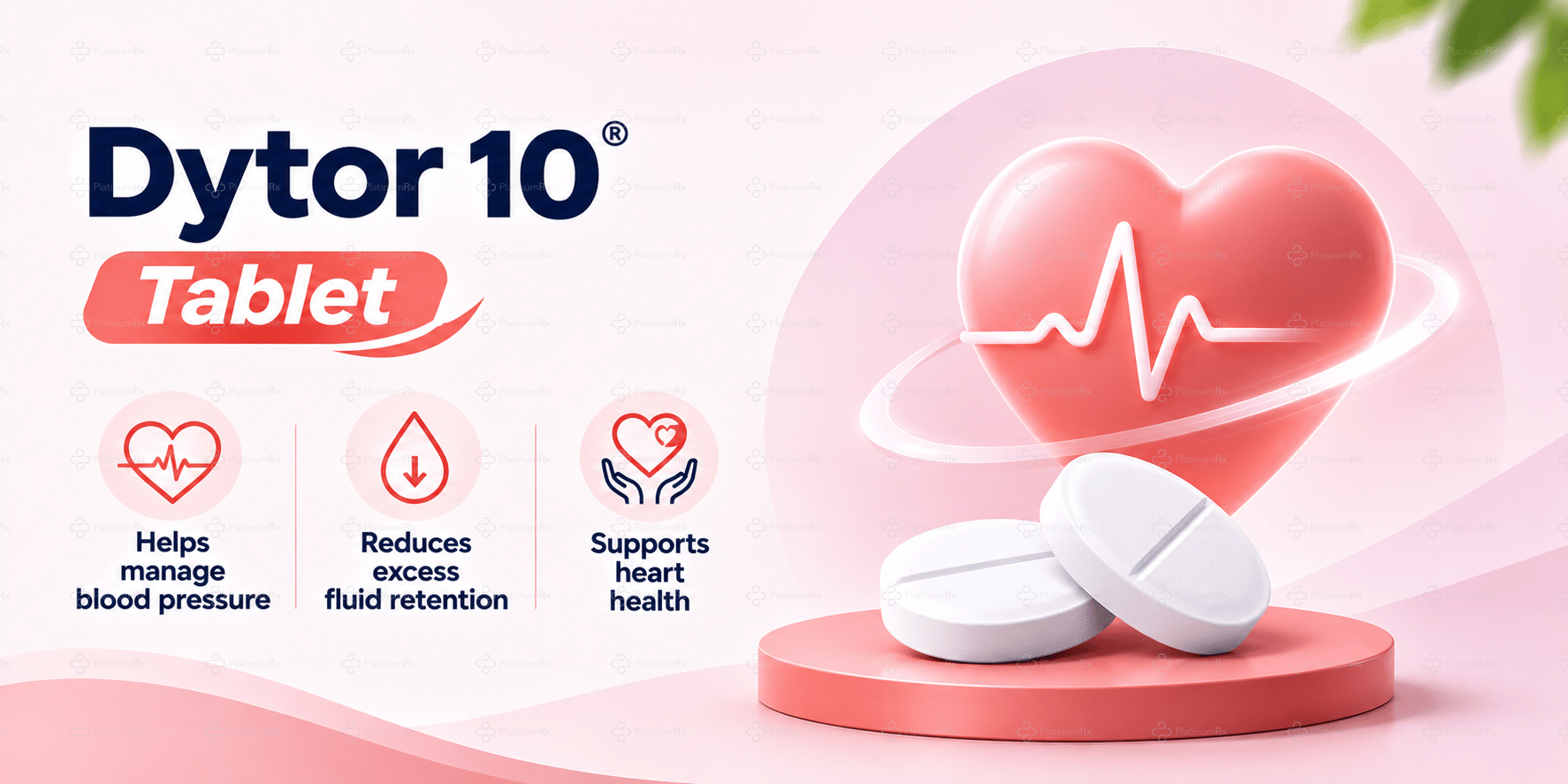
Dytor 10 is a tablet for fluid build-up and high blood pressure. It contains torasemide, a water pill that helps your kidneys pass out extra salt and water. In India it is prescription-only, so you need a valid doctor's prescription. As the fluid leaves, swollen legs feel lighter and blood pressure comes down.
Key Takeaways
- What it is: A prescription water pill (loop diuretic) that removes extra salt and water.
- Active ingredients: Torasemide, also spelled torsemide.
- Used for: Fluid build-up in heart, kidney or liver disease, and high blood pressure.
- Not meant for: Weight loss, swelling from injury or allergy, or anyone allergic to torasemide.
- Prescription: Needed in India — take it only on a doctor's advice.
- How to take: Swallow whole with water, usually in the morning, with or without food.
- Common side effects: More urine, dizziness, headache, thirst and cramps — usually mild.
What Is Dytor 10?
Dytor 10 is a single-ingredient tablet. It contains torasemide, also spelled torsemide, a loop diuretic - a water pill. The number after the name usually shows how much torasemide is in each tablet. Dytor comes in more than one strength.
Buy Dytor 10 Tablet and Its Affordable Alternative Medicine
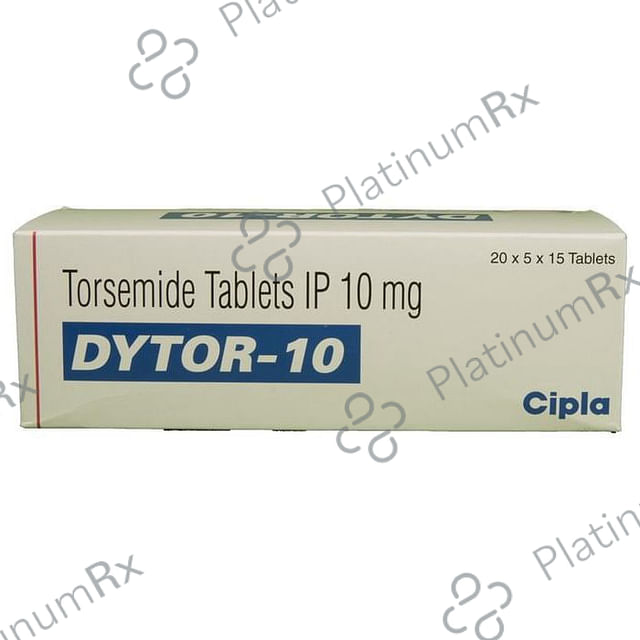
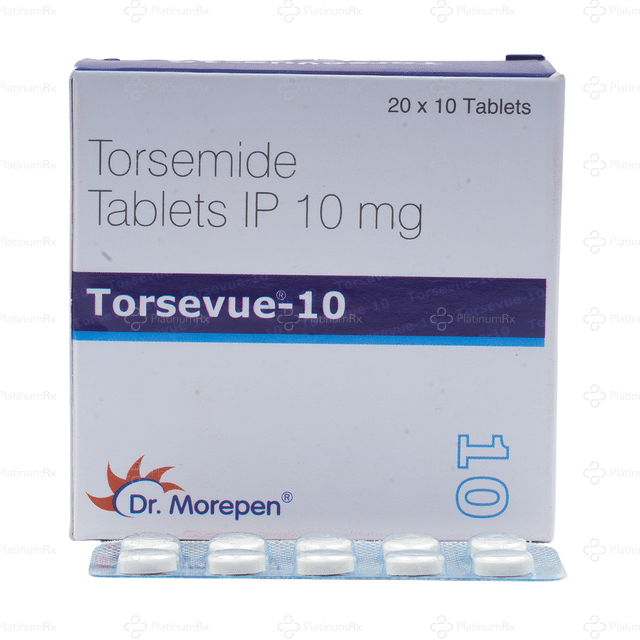
Dytor 10 Composition (Per Tablet)
| Ingredient | Type | What it does |
|---|---|---|
| Torasemide (torsemide) | Loop diuretic | Makes the kidneys pass more salt and water out in urine |
Check the exact strength printed on your pack; it may vary between variants. Dytor Plus is a different medicine: it adds spironolactone, a water pill that helps protect potassium.
How Does Dytor 10 Work?
Think of your kidney as a sieve that normally keeps salt and water in your body. Torasemide opens that sieve by switching off the part that pulls salt back. Extra salt and water then drain out in your urine, so swelling goes down and you pass urine more often.
Uses of Dytor 10
Doctors usually prescribe Dytor 10 for:
- Fluid build-up (oedema), where extra fluid collects in the ankles, legs or belly
- Heart failure, when a weak heart lets fluid collect in the legs and lungs
- Kidney disease, when damaged kidneys hold on to salt and water
- Liver disease (cirrhosis), where fluid collects in the belly; usually with another medicine
- High blood pressure, by lowering the salt and water in your body
It does not treat the underlying heart, kidney or liver disease itself. It also will not help swelling caused by an injury or an allergy. Explore:- Affordable Kidney Care Medicines and Liver Care Medicine
Fluid Retention vs Ordinary Weight Gain: Is Dytor 10 Right for You?
| Fluid retention | Ordinary weight gain | |
|---|---|---|
| What it feels like | Socks leave a tight mark, rings feel tight | Clothes feel tighter, no puffiness |
| Sign or pattern | Pressed skin leaves a small dent; 1–2 kg gained in days | Steady gain over weeks or months |
| Is Dytor 10 suitable? | Yes, if your doctor prescribes it | No |
| What usually helps | Treating the cause, plus a water pill if prescribed | Food, activity and medical advice |
A water pill drains water, not fat. Any weight you lose is water, and it comes back once you drink normally.
How to Take Dytor 10 Tablet
- Swallow the tablet whole with a glass of water.
- Morning is best, because you will pass urine for a few hours after the dose.
- Take it with or without food, at the same time each day.
- Do not crush, split or chew it unless your doctor says so.
- Do not take an extra tablet if the swelling looks worse - call your doctor.
Dosage of Dytor 10
Your doctor sets your dose based on your age, weight, kidney function and what is being treated. These are the usual adult starting doses for torasemide tablets. Your dose, and how many tablets it means, depends on the strength your doctor chose.
- 10 mg or 20 mg once a day for swelling from heart failure
- 5 mg or 10 mg once a day for swelling from liver disease, with another medicine
- 20 mg once a day for swelling from kidney disease
- 5 mg once a day for high blood pressure, raised to 10 mg after 4 to 6 weeks if needed
Never increase the dose on your own. More urine does not clear swelling faster. It does raise the risk of dehydration and low potassium, and your blood pressure can drop suddenly.
Children are not usually given this medicine, because the dose has not been studied in them. Older adults need extra care, because they can lose water and salt quickly and feel dizzy on standing. Your doctor may start with a low dose and check your blood tests more often.
What happens if you take too much?
Too much Dytor 10 causes heavy urination, thirst, weakness, muscle cramps, dizziness and confusion. Go to the nearest hospital emergency department, and carry the strip. Call 108 for an ambulance, or 112 for emergency help.
What If You Miss a Dose?
Take the missed dose as soon as you remember. If your next dose is only a few hours away, skip it. Never take two tablets to make up for one, because that can drop your blood pressure too far.
How Long Does It Take to Work?
Most people pass more urine within a few hours, and swelling eases over the first few days. For high blood pressure, the full effect builds over 4 to 6 weeks. Call your doctor if the swelling has not improved after a week.
Storage
Keep the tablets in their closed strip, away from heat, light and damp. Store at room temperature, out of children's reach, and check the expiry date.
Side Effects of Dytor 10
Most people take Dytor 10 without any trouble. When side effects happen, they are usually mild and settle as your body adjusts.
Common and mild:
- Passing urine more often, especially in the first weeks
- Dizziness or lightheadedness when you stand up quickly
- Headache
- Thirst and a dry mouth
- Muscle cramps or weakness
- Upset stomach or loose motions
Rare but serious (stop the medicine and see a doctor right away):
- Confusion, severe weakness, a racing heartbeat or fainting
- Ringing in the ears or trouble hearing
- Blisters, peeling skin, or a rash with fever
- Very little urine, or swelling that suddenly gets worse
- Stomach pain that spreads from the middle to the back
Dizziness and cramps come from losing salt and water. They are more likely with a high dose, heavy sweating or a second water pill. Hearing problems are more likely with high doses and severe kidney disease.
Who Should Not Take Dytor 10
- Anyone allergic to torasemide or any ingredient in the tablet
- People who are not passing any urine at all
- People with liver coma, a severe complication of liver disease
Precautions
Tell your doctor before taking Dytor 10 if you have:
- Kidney disease (your dose may need adjusting)
- Liver disease or cirrhosis (fluid and salt shifts can worsen it)
- Diabetes (the tablet can raise blood sugar slightly)
- Gout or high uric acid (attacks can be triggered)
- Low blood pressure, vomiting or loose motions (you can get dehydrated quickly)
- A sulfonamide allergy (such medicines have caused rashes and swelling)
- Pregnancy or plans for pregnancy (human safety data is limited)
- Breastfeeding (it is not advised; it can reduce milk supply)
Drug Interactions
| Medicine | What can happen |
|---|---|
| Pain relievers such as ibuprofen, diclofenac and aspirin, and contrast dyes used in scans | Weaker diuretic effect; higher risk of kidney problems |
| Blood pressure medicines (ACE inhibitors, ARBs, amlodipine) | Blood pressure can fall too low; kidney function may worsen |
| Lithium | Lithium levels can rise to harmful levels |
| Antibiotics such as gentamicin and amikacin | Higher risk of hearing damage |
| Cholestyramine | Less medicine is absorbed; take Dytor 10 an hour before, or 4–6 hours after |
| Probenecid | The water pill works less well |
| Steroids such as prednisolone | Extra potassium loss |
| Warfarin | Bleeding control may need closer monitoring |
Always tell your doctor about every medicine, supplement or home remedy you use. Alcohol adds to dizziness and low blood pressure, so keep it minimal.
Frequently Asked Questions About Dytor 10
When to See a Doctor
Dytor 10 only controls symptoms. See a doctor quickly if you have:
- Very little or no urine, or swelling that suddenly gets worse
- Confusion, severe weakness, fainting or a racing heartbeat
- Chest pain, or breathlessness that is worse when lying flat
- Vomiting or loose motions that stop you keeping fluids down
- A rash with blisters or peeling skin
The Bottom Line
Dytor 10 is a water pill that eases fluid build-up and lowers blood pressure when a doctor prescribes it. Take it in the morning, at the same time each day, and never raise the dose on your own. The common side effects — more urine and dizziness — usually settle within a few days. Do not skip your follow-up blood tests.

Add PlatinumRx as a preferred source on Google