Mucolite Syrup: Uses, Composition, Side Effects & FAQs
Last Updated: November 24, 2026


Written by:
Umme Hani P, B.Pharma
Reviewed by:
Dr. Varinderjeet Kaur, MBBSPublished date: 24-Nov-2026
Summary
Mucolite Syrup is a cough syrup for a wet, chesty cough, the kind that brings up thick mucus or phlegm. Its active ingredient is ambroxol, a mucus-thinning medicine called a mucolytic. Ambroxol makes thick mucus runnier, so it is easier to cough up and your chest feels less tight. Take it only on a doctor's advice, and do not start it on your own.
Key Takeaways
- What it is: A mucus-thinning (mucolytic) cough syrup for a wet cough.
- Active ingredients: Ambroxol.
- Used for: Chesty cough with thick mucus, bronchitis and similar chest conditions.
- Not meant for: Dry cough, allergy to ambroxol, and children under 2 years.
- Prescription: Take it only on a doctor's or pharmacist's advice.
- How to take: Shake well, measure with the cup, with or without food.
- Common side effects: Nausea, vomiting, stomach upset, loose motions; usually mild.
What Is Mucolite Syrup?
Mucolite Syrup is a single-medicine syrup, not a combination product. Its one active ingredient is ambroxol, a mucus-thinning medicine. Check the ingredient list on your pack before use, because Mucolite LS is a different product.
Buy Mucolite Syrup and Its Branded Generic Alternative
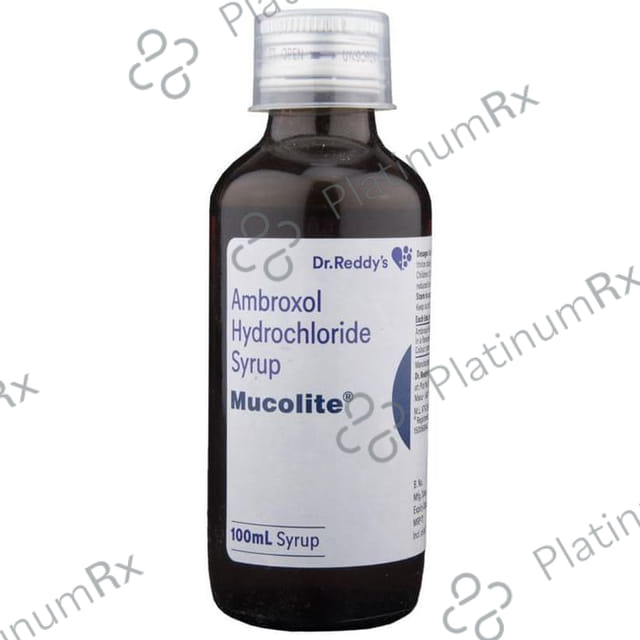
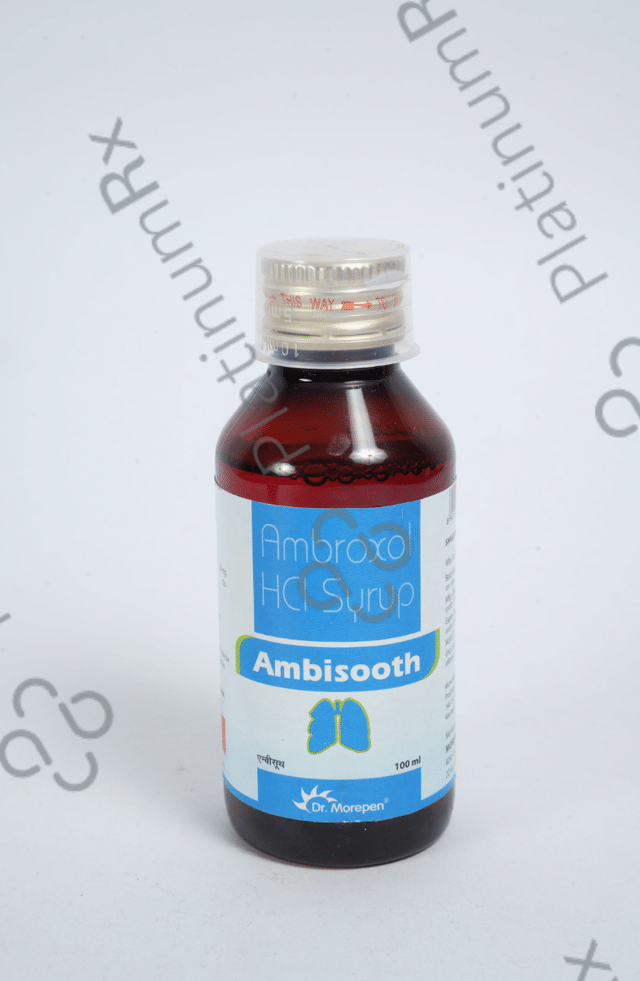
Mucolite Syrup Composition
| Ingredient | Type | What it does (in simple words) |
|---|---|---|
| Ambroxol hydrochloride | Mucolytic | Thins thick mucus so you can cough it out |
Check the exact strength printed on your pack; it may vary between variants. Mucolite comes in more than one form and strength. Check the pack, and do not swap one form for another without asking your doctor or pharmacist.
How Does Mucolite Syrup Work?
Think of thick mucus as glue sitting low in your chest. Ambroxol acts on the air sacs of the lungs, where a natural slippery film called surfactant is made. It pushes those cells to make more surfactant and loosens the glue, so mucus becomes thinner and the tiny hairs in your airways can sweep it out.
Uses of Mucolite Syrup
Doctors usually advise Mucolite Syrup for:
- Wet cough with thick mucus, where you can hear the phlegm rattle
- Acute bronchitis, where the airways are swollen and filled with mucus
- Chronic bronchitis and COPD flare-ups (COPD is a long-term lung disease that makes breathing harder), as one part of a wider treatment plan
- Other chest conditions with sticky mucus, where your doctor has decided a mucus-thinning syrup may help
It does not kill bacteria or viruses, so it cannot treat an infection on its own. Nor does it stop a cough; it helps you bring mucus up, the opposite of a cough suppressant.
Wet Cough vs Dry Cough: Is Mucolite Syrup Right for You?
| What it feels like | Sign or sound | Is Mucolite suitable? | What usually helps | |
|---|---|---|---|---|
| Wet cough | Chesty; you feel mucus move when you breathe | Rattling or gurgling; phlegm comes up | Yes, if prescribed | Plenty of fluids, rest, and a mucus-thinning syrup only if your doctor advises it |
| Dry cough | Tickly and scratchy, often in the throat | Hacking bouts, no phlegm, worse at night | No | Warm fluids and your doctor's advice |
Using a mucus-thinning syrup for a dry cough gives you the side effects without the benefit.
How to Take Mucolite Syrup
- Shake the bottle well before every dose.
- Measure the syrup with the cup or spoon that came with the bottle, never a kitchen spoon.
- Take it with or without food; if it upsets your stomach, take it after a meal.
- Swallow it slowly and follow with a sip of water.
- Take it for as long as your doctor advises, and do not continue on your own if the cough settles.
How Much to Take
Your doctor decides how much syrup you need and how often, based on your age, weight, symptoms and other health problems. The label on your bottle shows the amount chosen for you.
Never increase the dose on your own. A bigger dose does not work faster, but it does raise the chance of nausea, vomiting and stomach upset.
In October 2025, India's Directorate General of Health Services advised that cough and cold medicines should not be given to a child under 2 years at all. They are generally not recommended for children under 5. Older children should take this syrup only if a doctor has examined them and written the dose.
If someone takes too much by mistake, go to the nearest hospital emergency department straight away and carry the bottle or pack with you.
What If You Miss a Dose?
Take it as soon as you remember. If your next dose is close, skip the missed one. Never take two doses together to make up for one you missed.
How Long Does It Take to Work?
Mucolite changes the mucus itself, so most people notice phlegm loosening over the first few days. If your cough is no better after about a week, go back to your doctor.
Storage
Store it in a cool, dry place, away from direct light, and never freeze it. Keep it out of reach of children, and throw it away once the expiry date has passed.
Side Effects of Mucolite Syrup
Most people take Mucolite without any trouble. When side effects happen, they are usually mild and settle on their own in a few days.
Common and mild:
- Feeling sick (nausea)
- Vomiting
- Stomach pain or upset
- Loose motions (diarrhoea)
- Headache
- A mild skin rash
Rare but serious - stop the medicine and see a doctor right away:
- A spreading rash with blisters or peeling skin
- Swelling of the face, lips, tongue or throat
- Trouble breathing, or a tight feeling in the chest
- A sudden high fever with small pus-filled spots on the skin
Stomach upset is the most likely side effect. Taking the syrup after food may help if it upsets your stomach. Serious skin reactions are rare, but in 2015 the European Medicines Agency asked for a warning about them on ambroxol labels.
Who Should Not Take Mucolite Syrup
- You are allergic to ambroxol or to any other ingredient in the syrup
- The patient is a child under 2 years old
- You have had a severe skin or allergic reaction to ambroxol before
Your doctor or pharmacist checks these points before advising it.
Precautions
Tell your doctor before taking Mucolite Syrup if you have:
- Liver disease (ambroxol is broken down in the liver, so it can build up)
- Kidney disease (ambroxol is cleared more slowly)
- A stomach ulcer or repeated stomach problems (it can irritate the stomach)
- Pregnancy, or trying to conceive (there is not enough safety information, so your doctor will weigh the benefit)
- Breastfeeding (ask your doctor before you start)
- A weak cough, or a condition that makes mucus hard to clear (thin mucus still has to be coughed out)
- Asthma or another long-term lung disease (your doctor will check that your cough is not from your asthma getting worse)
- You already take other cough, cold or allergy medicines
- You are older and take other medicines (side effects are more likely and kidney clearance is lower)
Drug Interactions
| Medicine | What can happen |
|---|---|
| Cough suppressants (dextromethorphan, codeine) | They stop the cough reflex this syrup relies on, so mucus can build up |
| Antibiotics (amoxicillin, cefuroxime, erythromycin, doxycycline) | Ambroxol can raise antibiotic levels in the lungs; usually helpful, but tell your doctor |
| Other mucus-thinning syrups | Two together rarely help and can upset the stomach |
| Painkillers such as ibuprofen or aspirin | They can irritate the stomach too, and the effects add up |
| Herbal or ayurvedic cough syrups | Their contents are often unclear, so clashes cannot be checked |
Always tell your doctor about every medicine, supplement or home remedy you are using. Alcohol is best avoided while you are unwell, because it can irritate the stomach and add to the load on your liver.
Frequently Asked Questions About Mucolite Syrup
When to See a Doctor
A cough syrup only eases symptoms. See a doctor quickly if you have:
- Blood in your phlegm
- Breathlessness, or a tight chest that is getting worse
- Chest pain or a high fever that will not settle
- Weight loss you cannot explain
- A cough that lasts more than 3 weeks
- A child under 2 years with a cough, before giving any syrup
The Bottom Line
Mucolite Syrup thins the mucus behind a wet, chesty cough. Take it only on your doctor's advice, and give it to children only after a paediatrician has examined them. Stomach upset is the usual side effect and it passes. Stop and get help the same day if a rash spreads or your face swells.
References

Add PlatinumRx as a preferred source on Google