






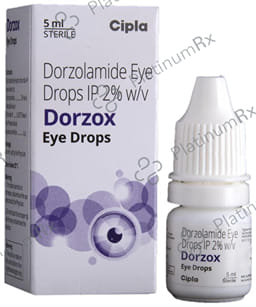
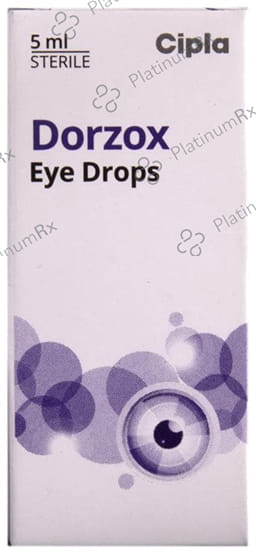
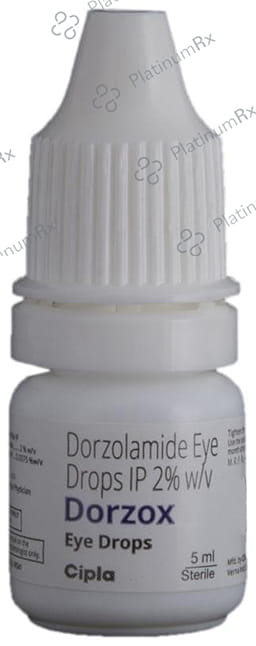
Dorsun 2% Eye Drop 5ml
Sunways India Pvt. Ltd.
Packet of 5 ml
₹170.67
₹208.13
18% Off
Dorzox Eye Drop is an ophthalmic eye drop medication used to lower high pressure inside the eye. It belongs to a group of medicines known as carbonic anhydrase inhibitors. Doctors primarily prescribe Dorzox Eye Drop for individuals with open-angle glaucoma or ocular hypertension, conditions where fluid builds up inside the eye and increases internal pressure. If left unmanaged, increased pressure can damage the optic nerve and cause gradual, permanent vision loss. By decreasing the production of aqueous humor, the natural fluid in the front chamber of the eye, Dorzox Eye Drop helps maintain a safe fluid balance and protects long-term sight.
Written by: Syed Jommy Abbas, B. Pharma
Reviewed by: Dr. Devika Rani, MBBS
Last updated on: 24-11-2026
Delivery by
...
FDA & GMP Certified
Long Expiry (>8 Months)
15 Days Easy Returns
Have a question?

Genuine Medicine
Pay On Delivery
Secure Payment

LegitScript Certified Online Pharmacy
Dorzox Eye Drop is an ophthalmic eye drop medication used to lower high pressure inside the eye. It belongs to a group of medicines known as carbonic anhydrase inhibitors. Doctors primarily prescribe Dorzox Eye Drop for individuals with open-angle glaucoma or ocular hypertension, conditions where fluid builds up inside the eye and increases internal pressure. If left unmanaged, increased pressure can damage the optic nerve and cause gradual, permanent vision loss. By decreasing the production of aqueous humor, the natural fluid in the front chamber of the eye, Dorzox Eye Drop helps maintain a safe fluid balance and protects long-term sight.
Dorzox Eye Drop is a topical eye drop formulated to treat elevated intraocular pressure, which is the internal fluid pressure of the eyeball. In a healthy eye, fluid called aqueous humor flows continuously into and out of the front chamber to nourish tissues and maintain shape. In conditions such as open-angle glaucoma and ocular hypertension, fluid drains too slowly or builds up, leading to high pressure that compresses and damages fragile fibers of the optic nerve.
As a specialized topical carbonic anhydrase inhibitor, Dorzox Eye Drop acts locally within the ciliary body of the eye. By blocking the enzyme carbonic anhydrase II, it reduces the secretional rate of bicarbonate ions, which in turn reduces fluid generation inside the eye. Because Dorzox Eye Drop is applied directly as an eye drop, it delivers targeted therapeutic action to ocular tissues with substantially lower systemic exposure compared to older oral tablets in this drug class, such as acetazolamide.
Dorzox Eye Drop is prescribed for adults and can be used in pediatric patients when directed by an eye specialist. It is available as a single-agent solution and may also be combined with other pressure-lowering drops, such as beta-blockers or prostaglandin analogs, when a single medicine does not lower eye pressure sufficiently. Because Dorzox Eye Drop is chemically related to sulfonamide medicines, it requires careful medical supervision, especially in people with known sulfa allergies, existing kidney concerns, or damaged inner layers of the cornea. Regular follow-up appointments with an eye care professional are essential to monitor eye pressure, visual fields, and the health of the optic nerve.
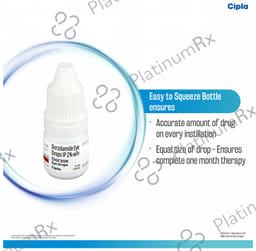
Wash your hands thoroughly with soap and water before handling the eye dropper bottle. Tilt your head back slightly and look upward. Gently pull down your lower eyelid to create a small pocket. Hold the bottle directly above your eye without touching the dropper tip to your eyeball, eyelashes, eyelids, or fingers, as contamination can cause serious eye infections. Squeeze the prescribed single drop into the pocket of the affected eye. Close your eye gently and press a clean finger lightly against the inner corner of your eye, near the nose, for one to two minutes. This technique, called nasolacrimal occlusion, prevents the drop from draining into your tear duct and entering the bloodstream, which helps reduce systemic side effects and stops a bitter taste in your throat. If your doctor has prescribed Dorzox Eye Drop for both eyes, repeat the exact steps for the other eye. If you wear soft contact lenses, remove them before instilling the drops and wait at least 15 minutes before putting them back in, because preservatives in the solution can be absorbed by soft lenses. If you use other medicated eye drops, wait at least five to ten minutes between applying each medication so the first drop is not washed away. Use Dorzox Eye Drop at evenly spaced intervals throughout the day and continue using it daily as prescribed, even if you feel no symptoms, as high eye pressure usually produces no pain.
Inside the human eye, a clear fluid called aqueous humor is continuously made by a structure behind the iris called the ciliary body. An enzyme called carbonic anhydrase, specifically the carbonic anhydrase II isoenzyme, plays a fundamental role in producing this fluid. It catalyzes a chemical reaction that combines water and carbon dioxide to form carbonic acid, which rapidly breaks down into bicarbonate ions and protons.
The movement of these bicarbonate ions draws sodium and water across cellular membranes into the front chamber of the eye, generating intraocular fluid. Dorzox Eye Drop works by directly inhibiting this carbonic anhydrase II enzyme within the ciliary processes. When Dorzox Eye Drop blocks the enzyme, bicarbonate production drops substantially. With fewer bicarbonate ions available, fluid secretion decreases, reducing total aqueous humor output. Consequently, the internal pressure within the eyeball declines, which relieves stress on the optic nerve head and helps preserve sight.

Consult your doctor before using this medicine during pregnancy. Animal studies using high oral doses showed bone malformations and developmental delays, though topical human exposure is much lower. Use Dorzox Eye Drop during pregnancy only if the potential benefit clearly justifies the potential risk to the fetus, and discuss your family planning with your doctor.

It is not known whether Dorzox Eye Drop passes into human breast milk after eye drop use, although animal studies show passage into milk. Consult your doctor to weigh the benefits of nursing against any possible risk to the nursing infant before using this medicine.

While alcohol does not directly alter Dorzox Eye Drop drops in the eye, excessive alcohol consumption can cause fluctuations in eye pressure and worsen dizziness or lightheadedness. Keeping alcohol intake minimal is advisable.

Dorzox Eye Drop can cause temporary blurred vision, eye stinging, or mild dizziness immediately after application. Do not drive, cycle, or operate machinery until your vision clears completely.

Dorzox Eye Drop and its breakdown products are eliminated predominantly by the kidneys. It has not been studied in people with severe kidney failure and is not recommended if your creatinine clearance (a measure of kidney filtration function) is below 30 mL/min.

Dorzox Eye Drop has not been adequately studied in patients with impaired liver function. It should be used with caution, and your doctor should assess your liver health before treatment.

Dorzox Eye Drop can be used in pediatric patients when prescribed by a pediatric eye specialist, who will provide precise instructions tailored to the child's age and eye condition.

Clinical studies show that Dorzox Eye Drop is as safe and effective in older adults as in younger adults, and no general age-related dose adjustments are needed.
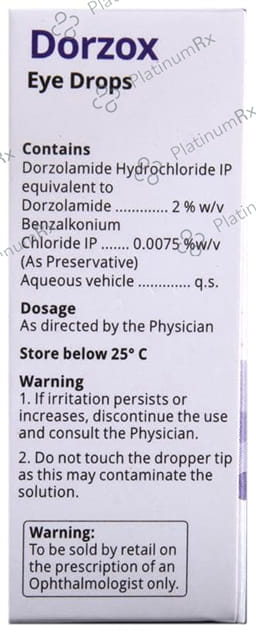
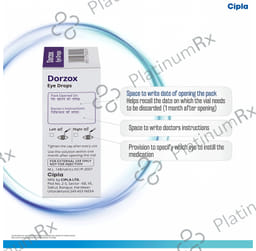
Store Dorzox Eye Drop eye drops at room temperature between 15°C and 30°C (59°F and 86°F). Keep the bottle upright and tightly closed when not in use. Protect the medicine from direct sunlight, high heat, and excessive moisture, avoiding storage in damp bathroom cabinets. Discard the bottle after the open-container discard period recommended on the product carton (usually 28 to 30 days after first opening) to prevent microbial contamination. Keep the bottle strictly out of the reach and sight of children and pets.
Because Dorzox Eye Drop is applied locally to the eye, standard meals, beverages, and fruit juices do not alter its absorption or effectiveness. However, if you regularly consume high-dose dietary or herbal supplements containing salicylates, inform your doctor, as systemic carbonic anhydrase inhibitors can interact with high salicylate levels to cause acid balance disturbances. Drinking adequate water daily helps maintain general hydration and kidney function.
The standard adult dose for open-angle glaucoma and ocular hypertension is one drop of Dorzox Eye Drop ophthalmic solution (2%) into the affected eye or eyes three times daily, spaced approximately eight hours apart. If Dorzox Eye Drop is being used alongside a topical beta-blocker eye drop, the recommended dose is often one drop into the affected eye twice daily, spaced twelve hours apart. Never exceed the daily frequency prescribed by your ophthalmologist, and always follow your doctor's exact schedule.
An overdose can occur if multiple drops are placed into the eye repeatedly or if the contents of the bottle are accidentally swallowed, particularly by a curious young child. Symptoms of an overdose may include electrolyte imbalance, development of an acidotic state (excess acid in the body), drowsiness, severe dizziness, headache, nausea, unusual fatigue, and shortness of breath. If someone swallows Dorzox Eye Drop or if excessive drops cause severe reactions, seek immediate emergency medical care or call a poison control center without delay.
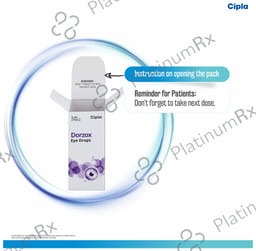
If you forget to instill your dose of Dorzox Eye Drop, apply the missed drop as soon as you remember. However, if it is nearly time for your next scheduled drop, skip the missed dose completely and resume your regular dosing schedule. Do not instill two drops at once or place extra drops in your eye to make up for a missed application, as doing so increases the chance of eye irritation without providing better pressure control.
Therapeutic Class
Antiglaucoma preparations / Ophthalmic agents
Action Class
Carbonic anhydrase inhibitor
Chemical Class
Sulfonamide derivative
Habit Forming
No
PlatinumRx is committed to providing reliable and accurate information to support informed customer decisions. However, all information made available on the Platform, including product descriptions, comparisons, and other content, is provided solely for general informational purposes. Such information is not intended to diagnose, prevent, treat, or cure any medical condition, nor should it be relied upon as a substitute for professional medical advice, diagnosis, or treatment.

More Medicines By Cipla Ltd.
More Medicines With Dorzolamide 2% w/v
Top Selling Medicines
Top Selling Devices
Top Selling Health Products