Ashwagandha: Uses, Benefits, Side Effects & FAQs
Last Updated: November 27, 2026


Written by:
Muskan Gurung, Diploma in Pharmacy
Reviewed by:
Dr. Sekh Addil, MBBSPublished date: 27-Nov-2026
Summary
Ashwagandha is an Ayurvedic herb that people take mainly for stress, anxiety and poor sleep. In India it is sold without a prescription as an Ayush medicine and as a health supplement. Its root may help you feel calmer and sleep better, with the best proof for stress, anxiety and sleep. It can still cause harm: in rare cases it can damage the liver or affect the thyroid.
Key Takeaways
- What it is: An Ayurvedic herb, sold as root powder, capsules and tablets.
- Active ingredients: Ashwagandha root (Withania somnifera).
- Used for: Stress, anxiety and poor sleep, where it may help some people.
- Not meant for: Pregnancy, breastfeeding, liver disease, autoimmune disease, or replacing prescribed medicines.
- Prescription: Not needed to buy in India. Ask a doctor first if you take other medicines.
- How to take: Follow the label or your doctor. Food does not seem to affect it.
- Common side effects: Sleepiness, upset stomach, loose stools and nausea. These are usually mild and short-lived.
What Is Ashwagandha?
Ashwagandha is a small evergreen shrub that grows in India, other parts of Asia and Africa. Its root has been used in Ayurveda for a long time, mostly for stress and as a general tonic for energy and health. It is also called Indian ginseng or winter cherry, but it is a different plant from true ginseng.
Buy Ashwagandha Products Online
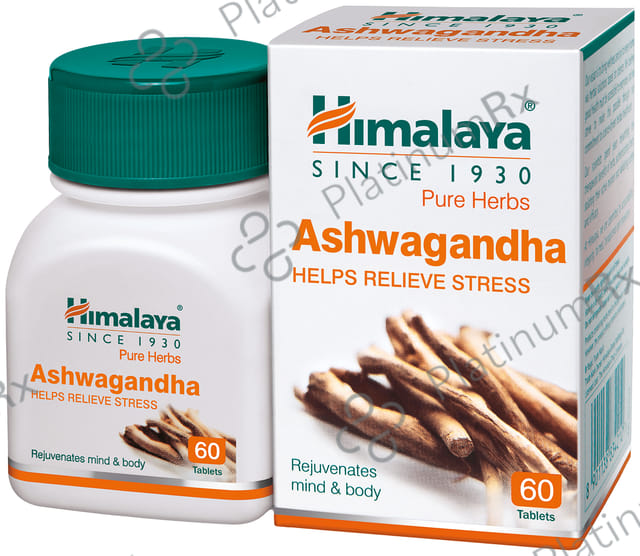
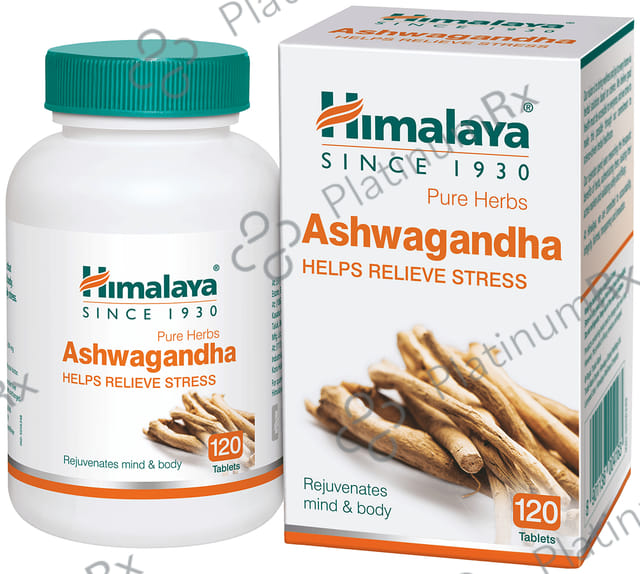
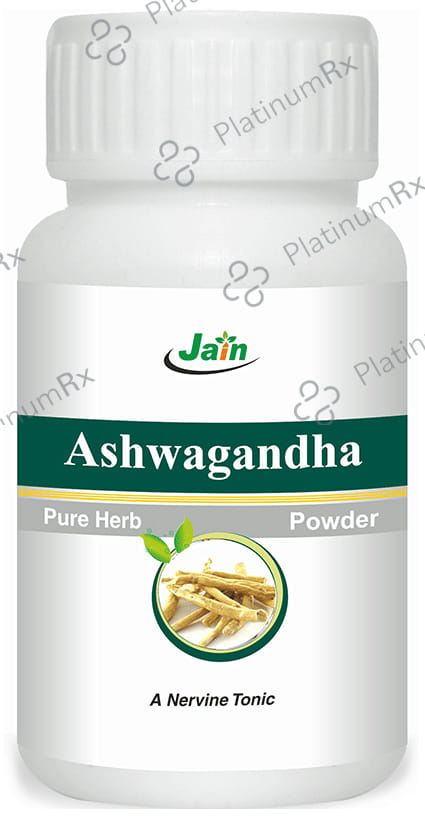

Ashwagandha Composition
| Ingredient | Type | What it does (in simple words) |
|---|---|---|
| Ashwagandha root (Withania somnifera), as powder or extract | Ayurvedic herb | May ease stress, anxiety and poor sleep |
Check the exact strength printed on your pack; it may vary between products and brands.
Only the root should be used. In April 2026, India's Ministry of Ayush banned ashwagandha leaves in any form in Ayush medicines. FSSAI, the food regulator, confirmed only the root is allowed in health supplements. Check that the label says "root".
How Does Ashwagandha Work?
Ashwagandha root contains natural plant chemicals that may calm the brain, reduce swelling and lower blood pressure. It can also make the immune system more active. Experts still do not know exactly how it eases stress or helps sleep.
Buy Aushvik Ashwagandha Tablet

Uses and Possible Benefits of Ashwagandha
People most often take ashwagandha for the problems below. The proof is modest, and it helps some people more than others.
- Stress, the feeling of being under constant pressure. It may also help with weight gain linked to stress.
- Anxiety, including long-lasting worry and tension (generalised anxiety disorder).
- Poor sleep and insomnia, which means trouble falling asleep or staying asleep.
- General tonic in Ayurveda, a traditional use for energy and well-being; there is little scientific proof for this.
There is no good proof that it works for asthma, sports performance, back pain or COVID-19. Lab tests suggest it may slow cancer cells, but this has not been seen in people, so it is not a cancer treatment. It does not replace medicines your doctor has prescribed for anxiety, depression or sleep problems.
How to Take Ashwagandha
- Check that the label says the product is made from ashwagandha root.
- Take the amount written on the label, or the amount your doctor advises.
- Swallow capsules or tablets whole with water, unless the label says otherwise.
- Take it with or without food. No food is known to interact with it.
- Use only one ashwagandha product at a time, and check other Ayurvedic products' labels for it.
- Stop it at least 2 weeks before any planned surgery, and tell your surgeon you were taking it.
How Much to Take
Your doctor decides how much and how often based on your age, weight, symptoms and other health conditions. If you buy it yourself, follow the label and do not go above the amount it gives.
Never increase the dose on your own. Large amounts can cause stomach upset, diarrhoea and vomiting. It is considered possibly safe for use up to about 3 months, but its long-term safety is not known.
Do not give ashwagandha to a child unless a paediatrician advises it. There is very little safety information for children.
If someone takes far too much, or a child swallows it by accident, go to the nearest hospital emergency department. Carry the pack or bottle with you. For an ambulance, call 108, or call 112 in an emergency.
What If You Miss a Dose?
Take it when you remember. If it is almost time for your next dose, skip the missed one. Never take two doses together to make up for it.
How Long Does It Take to Work?
Ashwagandha works slowly, so do not expect a change in a day or two. Benefits for sleep have been clearer after 8 weeks or more of regular use; see a doctor if you feel no better by then.
Storage
Keep it in a cool, dry place, away from direct sunlight and moisture. Keep it out of children's reach and do not use it after the expiry date.
Side Effects of Ashwagandha
Most people who take ashwagandha for a short time have no trouble or only mild side effects.
Common and mild:
- Sleepiness or drowsiness
- Upset stomach or acidity
- Loose stools or diarrhoea
- Nausea
- Dizziness or headache
- Dry mouth or less appetite
Rare but serious (stop the medicine and see a doctor right away):
- Liver damage: yellow eyes or skin, dark urine, itching, or pain in the upper belly
- Too much thyroid hormone: racing heartbeat, shaking, sweating or sudden weight loss
- Skin reaction: rash, burning, itching or dark patches on the skin or lips
- Very heavy sleepiness or slow breathing, especially with sleeping pills or alcohol
Stomach upset is more likely with large amounts. Liver and thyroid problems are rare.
Who Should Not Take Ashwagandha
- Women who are pregnant or trying to get pregnant
- Mothers who are breastfeeding
- People with liver disease
- People with autoimmune disease, such as lupus or rheumatoid arthritis
- Men with hormone-sensitive prostate cancer
- Anyone who has reacted badly to ashwagandha before
Precautions
Tell your doctor before taking ashwagandha if you have:
- Thyroid disease, or you take thyroid hormone tablets (it may raise thyroid hormone levels)
- Diabetes (it may lower blood sugar)
- High blood pressure treated with medicine (it may lower blood pressure further)
- A surgery coming up (it may add to the sleepiness caused by anaesthesia)
- An organ transplant (it may make anti-rejection medicines work less well)
- Epilepsy, anxiety or sleep problems treated with medicines (it may cause too much sleepiness)
Drug Interactions
| Medicine | What can happen |
|---|---|
| Diabetes medicines (e.g. metformin, glimepiride, insulin) | Blood sugar may drop too low |
| Blood pressure medicines (e.g. amlodipine, telmisartan) | Blood pressure may drop too low |
| Thyroid hormone (e.g. levothyroxine) | Too much thyroid hormone in the body |
| Sleeping pills and anxiety medicines (e.g. alprazolam, clonazepam, zolpidem) | Extra sleepiness and slowed breathing |
| Epilepsy medicines and barbiturates (e.g. phenobarbital) | May add to sleepiness |
| Anti-rejection medicines (e.g. tacrolimus, cyclosporine) | These may work less well |
| Medicines that can harm the liver | Higher chance of liver damage |
| Herbal products (e.g. green tea extract, garcinia, kava, melatonin, valerian) | More liver risk or more sleepiness |
Always tell your doctor about every medicine, supplement or home remedy you are using. Alcohol also makes you sleepy, so avoid mixing it with ashwagandha.
When to See a Doctor
Ashwagandha is not a treatment for serious mental health or sleep problems. See a doctor quickly if you have:
- Yellow eyes or skin, dark urine, or itching all over
- A racing heartbeat, shaking or weight loss you cannot explain
- Stress, worry or poor sleep that lasts for weeks or affects daily life
- Low mood that does not lift
- Thoughts of harming yourself. Call Tele-MANAS on 14416 or 1800-891-4416 (free, 24×7), or 112 in an emergency.
- A new rash, burning or swelling of the skin after starting it
The Bottom Line
Ashwagandha root may modestly help with stress, anxiety and sleep in some adults. Use a root-only product, follow the label, and check with your doctor first if you take other medicines or have thyroid, liver or autoimmune problems. The common side effects are sleepiness and stomach upset, which are usually mild.
Medical Disclaimer
This article is for general information only and is not a substitute for advice from a qualified doctor or pharmacist. Always consult a healthcare professional before starting, stopping or changing any medicine.
FAQs About Ashwagandha
References

Add PlatinumRx as a preferred source on Google