Febrex Plus Tablet: Uses, Composition, Side Effects & FAQs
Last Updated: November 26, 2026


Written by:
Susmita Maity, B pharmacy
Reviewed by:
Dr. Sarabjeet Kaur, MBBSPublished date: 26-Nov-2026
Summary
Febrex Plus is a tablet for the symptoms of a common cold and flu. It eases fever, headache, body ache, a blocked or runny nose, and sneezing. It is a prescription-only medicine in India and cannot be bought without a doctor's prescription. Each tablet combines paracetamol for fever and aches, phenylephrine for a blocked nose, and chlorpheniramine for sneezing and a runny nose.
Key Takeaways
- What it is: A three-in-one tablet for cold and flu symptoms.
- Active ingredients: Paracetamol, phenylephrine and chlorpheniramine.
- Used for: Fever, body ache, blocked or runny nose, sneezing and watery eyes.
- Not meant for: Children under 4, or anyone allergic to its ingredients.
- Prescription: Needed in India. Take it only on a doctor's advice.
- How to take: Swallow it whole with water, exactly as your doctor directs.
- Common side effects: Sleepiness, dry mouth, dizziness and nausea; they usually pass.
What Is Febrex Plus?
Febrex Plus is a combination tablet that treats several cold symptoms at once. It holds three medicines in one tablet. The word Plus marks the difference from plain Febrex, which contains only paracetamol; the Plus versions add a decongestant and an antihistamine.
Buy Febrex Plus Tablet and Its Best Alternative

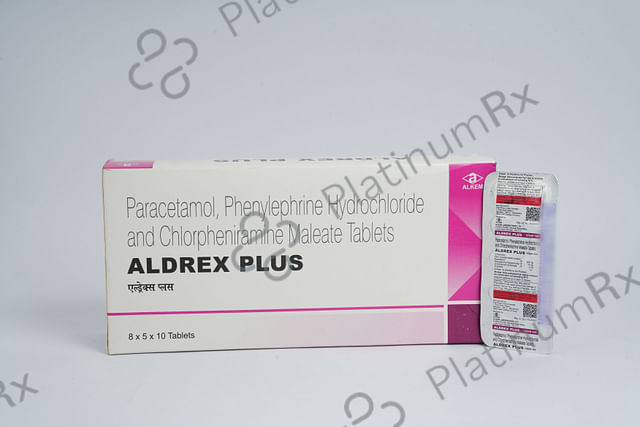
Febrex Plus Composition (Per Tablet)
| Ingredient | Amount | Type | What it does (in simple words) |
|---|---|---|---|
| Paracetamol (acetaminophen) | 500 mg | Pain reliever, fever reducer | Lowers fever and eases headache and body ache |
| Phenylephrine hydrochloride | 10 mg | Nasal decongestant | Narrows blood vessels in the nose lining; only mildly effective by mouth |
| Chlorpheniramine maleate | 2 mg | Antihistamine | Reduces sneezing, runny nose and itchy, watery eyes |
Check the label on your pack first. Febrex also comes as a syrup, drops and a DS liquid, and the Plus AF versions leave out paracetamol, so strengths differ.
How Does Febrex Plus Work?
Think of a cold as three problems happening together: fever and aches, a swollen nose, and constant sneezing.
- Ease pain and fever: Paracetamol changes the way your body senses pain and helps bring a high temperature down.
- Open the nose: Phenylephrine narrows the blood vessels in the nose lining. Swallowed, it reaches the nose poorly, so the effect is usually mild.
- Stop the sneezes: Chlorpheniramine blocks the action of histamine, the chemical that sets off sneezing, a runny nose and itchy, watery eyes.
Together they make a cold feel lighter. They do not kill the virus, so the cold still has to run its course.
Uses of Febrex Plus
Doctors usually prescribe Febrex Plus for:
- Common cold and flu, with fever, headache and body ache
- Blocked nose or sinus pressure, when the nose feels stuffed
- Runny nose and sneezing
- Itchy, watery eyes, when a cold or an allergy sets them off
- Sore throat, which paracetamol helps to soothe
It is not an antibiotic and does not kill germs. It also contains no cough medicine, so it will not stop a cough. The benefit of this combination is convenience: one tablet covers fever, a stuffy nose and sneezing together.
Swallowed phenylephrine is a weak decongestant, so do not expect a strong effect from this tablet.
Common Cold vs Allergy: Is Febrex Plus Right for You?
| Common cold | Allergy (hay fever) | |
|---|---|---|
| What it feels like | Sore throat, mild fever, aches, then a stuffy nose | Itchy eyes, sneezing fits, a clear runny nose, usually no fever |
| Sign or pattern | Builds over a day or two and lasts about a week | Starts within minutes of dust, pollen or pet hair |
| Is Febrex Plus suitable? | Yes, if your doctor prescribes it | Partly. The antihistamine helps, the paracetamol does not |
| What usually helps | Rest, warm fluids, steam, paracetamol | Avoiding the trigger, a saline rinse, an antihistamine |
Using it for a problem it cannot fix, such as a dry cough or a stomach bug, only adds side effects without any benefit.
How to Take Febrex Plus Tablet
- Swallow the tablet whole with a glass of water.
- Take it with or without food, but keep to the same routine each day.
- Do not crush, split or chew it unless your doctor says so.
- Check your other medicines for paracetamol before your next tablet.
- Avoid alcohol, and do not drive if you feel sleepy.
How Much to Take
Your doctor decides how much and how often, based on your age, weight, symptoms and other health problems. The right amount for you is the one written on your prescription, not the amount a friend or relative takes.
Never increase the dose on your own. More tablets do not clear a cold faster, but they do raise the risk of liver damage from paracetamol and a racing heartbeat from phenylephrine. From all sources together, do not take more than 4,000 mg of paracetamol in 24 hours.
Do not give this tablet to a child under 4 years. Older children need a child's formulation and a doctor's advice; never hand an adult tablet to a child.
If someone takes too many tablets, get medical help at once, even if they feel fine. Paracetamol harm can start quietly. Call 108 if the person is very sleepy or cannot be woken, and carry the strip or box with you.
What If You Miss a Dose?
Take the missed tablet as soon as you remember. If the next dose is close, skip the missed one. Never take two tablets together to make up for a missed dose.
How Long Does It Take to Work?
Febrex Plus starts easing fever and aches soon after you take it, but it does not treat the cold itself. See a doctor if the fever lasts more than 3 days or the cold symptoms last more than 7 days.
Storage
Keep the strip cool and dry, away from sunlight and moisture. Keep it out of reach of children and check the expiry date.
Side Effects of Febrex Plus
Most people take Febrex Plus without much trouble, and the common effects are mild.
Common and mild:
- Sleepiness or drowsiness
- Dry mouth, nose or throat
- Dizziness
- Nausea, vomiting or constipation
- Headache
- Feeling restless or unable to sleep
- More chest congestion
Rare but serious (stop the medicine and see a doctor right away):
- A spreading rash, blisters or peeling skin
- Yellow eyes or skin, dark urine, or pain under the ribs on the right
- Trouble seeing clearly, or trouble passing urine
- A very fast, pounding or uneven heartbeat
- Swelling of the face, lips, tongue or throat, hoarseness, or trouble breathing or swallowing
The sleepiness and dry mouth come from chlorpheniramine. The restlessness comes from phenylephrine, which can also push your blood pressure up. Both are more likely if you take more than prescribed or drink alcohol with it.
Who Should Not Take Febrex Plus
- Children under 4 years of age
- Anyone allergic to paracetamol, phenylephrine or chlorpheniramine
- People taking a monoamine oxidase inhibitor in the last 14 days
- Anyone already taking another paracetamol-containing medicine
Precautions
Tell your doctor before taking Febrex Plus if you have:
- High blood pressure or heart disease (phenylephrine can push blood pressure up)
- Glaucoma (chlorpheniramine can raise pressure inside the eye)
- An enlarged prostate or trouble passing urine (chlorpheniramine can make it harder)
- Asthma, COPD or another lung disease (the tablet can thicken chest secretions)
- Diabetes or thyroid disease (your doctor may want to watch you more closely)
- Liver or kidney disease (paracetamol is cleared by the liver)
- Age 65 or older (older adults should usually avoid chlorpheniramine)
- Pregnancy or breastfeeding (ask your doctor before you take it)
Drug Interactions
| Medicine | What can happen |
|---|---|
| Other cold, flu or pain medicines with paracetamol | Risk of paracetamol overdose and liver damage |
| MAO inhibitor antidepressants (phenelzine, tranylcypromine) | Dangerous rise in blood pressure; do not combine |
| Warfarin and other blood thinners | Paracetamol can change how well warfarin works |
| Sleeping pills, sedatives and tranquillisers | Extra drowsiness and dizziness |
| Blood pressure medicines | Phenylephrine can work against them |
Always tell your doctor about every medicine, supplement or home remedy you are using. Avoid alcohol completely while you take this tablet, because it adds to the sleepiness and to the liver risk from paracetamol.
When to See a Doctor
A cold tablet only helps with symptoms. See a doctor quickly if you have:
- Fever that lasts more than 3 days or keeps climbing
- Cold symptoms that are not better after 7 days
- Trouble breathing, chest pain or wheezing
- A severe headache with a stiff neck, or confusion
- A spreading rash, or yellow eyes and skin
- A severe sore throat that lasts more than 2 days
The Bottom Line
Febrex Plus is a practical choice for a cold that comes with fever, a blocked nose and sneezing, as long as a doctor prescribes it. Take only the amount on your prescription, and check other medicines for paracetamol before every dose. Sleepiness and dry mouth are the usual complaints, and they settle once you stop the tablet.
FAQs
References

Add PlatinumRx as a preferred source on Google