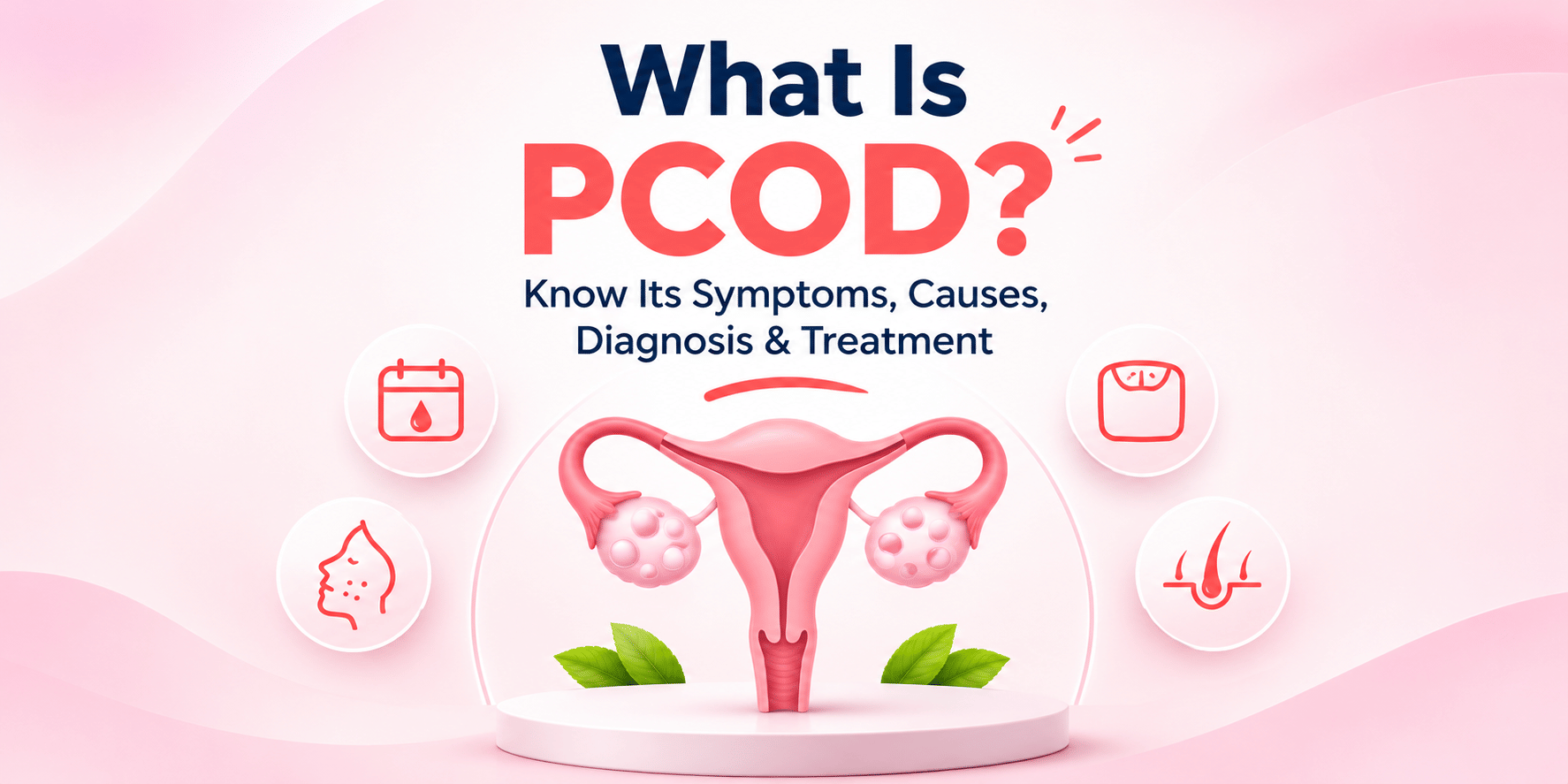
What Is PCOD? Know Its Symptoms, Causes, Diagnosis & Treatment
Last Updated: November 27, 2026

Written by:
Syed Jommy Abbas, B. Pharma
Reviewed by:
Dr. Sarabjeet Kaur, MBBSPublished date: 27-Nov-2026
PCOD (Polycystic Ovarian Disease) is a common hormonal condition that affects women during their reproductive years. It can affect menstrual cycles, ovulation, skin health, hair growth and fertility. Some women may also experience weight changes and problems related to insulin resistance.
Women with PCOD may experience irregular periods, acne, unwanted facial hair, hair thinning and difficulty getting pregnant. However, symptoms can vary from person to person. Some women may have only a few symptoms, while others may experience several.
The good news is that PCOD symptoms can be managed with the right medical treatment, healthy eating habits and regular physical activity. Early diagnosis and proper management can also help reduce the risk of long-term health complications.
In this article, we will explain what PCOD is, its common symptoms and causes, how it is diagnosed, available treatment options and lifestyle changes that can help manage the condition.
What Is PCOD?
PCOD stands for Polycystic Ovarian Disease. It is commonly used to describe a hormonal condition in which the ovaries may produce higher levels of androgens (hormones commonly known as male hormones).
These hormonal changes can affect the normal development and release of eggs from the ovaries. As a result, ovulation may become irregular, leading to changes in menstrual cycles and sometimes difficulty conceiving.
In some women, the ovaries may also appear enlarged and contain several small fluid-filled follicles. These follicles are not necessarily true ovarian cysts.
PCOD is often used interchangeably with PCOS (Polycystic Ovary Syndrome). PCOS is the medically recognised term used in international clinical guidelines.
According to the World Health Organization (WHO), PCOS affects an estimated 10–13% of women of reproductive age worldwide. Many women may not even know they have the condition because its symptoms can be mild or difficult to recognise.
It is important to understand that PCOD is not just a problem related to the ovaries. It can also affect metabolism, blood sugar levels, reproductive health and emotional well-being.
What Is the Difference Between PCOD and PCOS?
PCOD and PCOS are commonly used terms in India, and many people consider them to be two different conditions. However, PCOD is not a separate diagnosis in most international medical guidelines. PCOS is the recognised clinical term.
Both terms are generally used to describe a similar pattern of hormonal and reproductive symptoms.
Here are some important points to understand:
- PCOS is the medically recognised name used in clinical guidelines.
- The condition may involve irregular ovulation and increased androgen levels.
- Some women may have a polycystic appearance of the ovaries on ultrasound, while others may not.
- Not every woman with PCOS will experience the same symptoms or fertility problems.
Therefore, it is better to focus on an accurate medical diagnosis rather than assuming that PCOD and PCOS are two completely different diseases.
Also Read About:- PCOD vs PCOS
What Are the Causes of PCOD?
The exact cause of PCOD (PCOS) is not fully understood. However, several hormonal, genetic and metabolic factors may contribute to its development.
Some of the common factors associated with PCOD include:
1. Insulin Resistance
Insulin is a hormone that helps the body use glucose (sugar) for energy. In some women with PCOD, the body's cells do not respond properly to insulin. This condition is known as insulin resistance.
As a result, the body may produce more insulin to maintain normal blood sugar levels. Higher insulin levels can stimulate the ovaries to produce more androgens, which may affect ovulation and menstrual cycles.
2. Hormonal Imbalance
Women with PCOD may have higher-than-normal androgen levels. These hormones can interfere with normal egg development and ovulation.
Increased androgen levels may also contribute to symptoms such as acne, excessive facial hair and scalp hair thinning.
3. Genetic Factors
PCOD can run in families. Women whose mothers or sisters have PCOS may have a higher chance of developing the condition.
A family history of type 2 diabetes may also be associated with an increased risk.
However, having a family history does not mean that a woman will definitely develop PCOD.
4. Low-Grade Inflammation
Some women with PCOD have higher levels of certain inflammatory markers in their bodies.
Chronic low-grade inflammation may contribute to insulin resistance and increased androgen production. However, inflammation is not considered the only cause of PCOD.
5. Lifestyle and Metabolic Factors
Lifestyle factors such as physical inactivity, poor sleep habits and unhealthy eating patterns can affect metabolic health.
Weight gain may worsen insulin resistance and hormonal symptoms in some women. However, PCOD can also affect women who have a healthy body weight.
It is important to remember that PCOD is not simply caused by eating unhealthy food or gaining weight.
What Are the Signs and Symptoms of PCOD?
PCOD symptoms can differ from one woman to another. Some women may notice symptoms during their teenage years, while others may develop them during adulthood.
The symptoms are mainly related to hormonal imbalance and irregular ovulation.
Here are some common signs and symptoms of PCOD:
1. Irregular Menstrual Periods
Irregular periods are among the most common symptoms of PCOD.
Hormonal changes can affect ovulation, which may cause menstrual cycles to become unpredictable.
Women with PCOD may experience:
- Periods that occur less frequently than usual.
- Missed periods for several months.
- Menstrual cycles that are longer than 35 days.
- Difficulty predicting the next menstrual period.
Some women may also experience prolonged or heavy bleeding after missing periods.
2. Excessive Facial and Body Hair
Higher androgen levels can cause excessive hair growth, medically known as hirsutism.
Women with PCOD may notice unwanted hair growth on areas such as:
- Chin and upper lip.
- Neck and jawline.
- Chest and stomach.
- Back and thighs.
The amount of unwanted hair can vary depending on hormonal levels and individual sensitivity.
3. Acne and Oily Skin
Hormonal changes can increase oil production in the skin. This may lead to frequent acne breakouts.
Women with PCOD may experience acne on the:
- Face.
- Chin and jawline.
- Chest.
- Upper back.
Some women may continue experiencing acne even after their teenage years.
4. Weight Gain or Difficulty Losing Weight
Some women with PCOD experience weight gain, particularly around the abdominal area.
Insulin resistance may make weight management more difficult in certain individuals.
However, not every woman with PCOD is overweight. Women with a healthy BMI can also develop the condition.
5. Hair Thinning or Hair Loss
Increased androgen levels can affect hair follicles and cause scalp hair thinning.
Some women may notice:
- Reduced hair density.
- Hair thinning near the crown.
- A wider visible parting.
- Increased hair shedding.
This pattern of hair loss is sometimes referred to as female-pattern hair loss.
6. Dark Patches on the Skin
Some women with PCOD may develop dark, thickened patches of skin, particularly around the neck, armpits and groin.
This condition is known as acanthosis nigricans and is commonly associated with insulin resistance.
7. Difficulty Getting Pregnant
PCOD can affect the regular release of eggs from the ovaries.
When ovulation does not happen regularly, it may become difficult to predict fertile days and conceive naturally.
However, having PCOD does not mean that a woman cannot become pregnant. Many women with PCOS conceive naturally or with appropriate fertility treatment.
8. Sleep Problems
Some women with PCOD may experience poor sleep quality or sleep disturbances.
Obstructive sleep apnoea, a condition in which breathing repeatedly stops and starts during sleep, is also more common among women with PCOS.
9. Mood Changes and Emotional Stress
Hormonal symptoms, fertility concerns, acne, unwanted hair growth and changes in body weight can affect emotional well-being.
Some women with PCOD may experience anxiety, depression, low self-esteem or body image concerns.
If these feelings persist, seeking professional support can be helpful.
What Are the Possible Complications of PCOD?
PCOD can affect more than menstrual and reproductive health. If symptoms and associated metabolic problems are not properly managed, the condition may increase the risk of certain long-term health complications.
Some possible complications include:
1. Type 2 Diabetes
Insulin resistance is common in PCOS. When the body cannot use insulin effectively, blood sugar levels may increase over time.
This can increase the risk of developing prediabetes and type 2 diabetes.
2. Infertility
Irregular or absent ovulation can make it difficult to conceive.
PCOS is one of the common causes of ovulatory infertility. However, appropriate treatment can help many women achieve pregnancy.
3. Endometrial Hyperplasia
When ovulation does not happen regularly, the uterine lining may remain exposed to oestrogen without sufficient progesterone.
Over time, this can cause the lining to become thicker, a condition known as endometrial hyperplasia.
Prolonged untreated menstrual irregularity may also increase the risk of endometrial cancer.
4. High Blood Pressure and Cholesterol
Women with PCOS may have a higher risk of developing high blood pressure and unhealthy cholesterol levels.
These metabolic changes can increase the risk of cardiovascular disease over time.
5. Sleep Apnoea
Women with PCOS, particularly those with excess weight, may have a higher risk of obstructive sleep apnoea.
It can cause loud snoring, interrupted sleep, morning headaches and daytime tiredness.
6. Mental Health Problems
PCOD can affect emotional health and quality of life.
Some women may experience anxiety, depression and stress due to ongoing symptoms or concerns about fertility and physical appearance.
Early identification and appropriate support can help manage these problems.
How Is PCOD Diagnosed?
PCOD cannot be diagnosed based on symptoms alone. A gynaecologist or endocrinologist may recommend a medical evaluation to understand hormonal changes and rule out other possible conditions.
In adults, PCOS is generally diagnosed when at least two of the following three features are present, after excluding other causes:
- Irregular ovulation: Irregular or absent menstrual periods.
- High androgen levels: Clinical signs such as excessive facial hair or elevated androgen levels in blood tests.
- Polycystic ovarian appearance: A specific appearance of the ovaries on ultrasound, or an appropriately assessed AMH level as an alternative in adults.
An ultrasound is not always necessary. Women who have both irregular periods and clear signs of high androgen levels may not need an ultrasound to establish the diagnosis.
Tests That May Be Recommended for PCOD
Depending on the symptoms and medical history, a doctor may recommend the following tests:
1. Pelvic Ultrasound
An ultrasound may help examine the ovaries and identify a polycystic ovarian appearance. It may also help assess other pelvic conditions.
2. Hormone Blood Tests
Blood tests may be recommended to assess androgen levels, including testosterone.
3. Thyroid Function Test
Thyroid disorders can also cause irregular periods. A thyroid-stimulating hormone (TSH) test may help rule out thyroid-related problems.
4. Prolactin Test
High prolactin levels can affect menstrual cycles. A doctor may recommend this test to rule out other hormonal conditions.
5. Blood Sugar Tests
Tests such as fasting blood glucose and HbA1c may help assess blood sugar levels. An oral glucose tolerance test may also be recommended because women with PCOS have an increased risk of glucose intolerance.
6. Lipid Profile
A lipid profile measures cholesterol and triglyceride levels. It helps assess metabolic and cardiovascular risk.
Not every woman needs all these tests. The doctor decides which investigations are appropriate based on individual symptoms and medical history.
What Are the Treatment Options for PCOD?
There is currently no permanent cure for PCOD (PCOS). However, the condition can be managed with a combination of lifestyle changes and medical treatment.
The treatment plan depends on the symptoms, age, overall health and whether the woman is planning to become pregnant.
1. Medicines to Regulate Menstrual Periods
Doctors may prescribe hormonal medicines, including combined oral contraceptive pills, to help regulate menstrual cycles.
These medicines may also help reduce acne and excessive facial or body hair.
In some cases, progesterone-based treatment may be prescribed to protect the uterine lining when periods are infrequent.
2. Medicines for Insulin Resistance
Metformin may be prescribed to some women with PCOD, particularly those with metabolic concerns or insulin resistance.
It helps improve the body's response to insulin and may support blood sugar regulation.
A doctor will decide whether metformin is suitable based on individual health requirements.
3. Treatment for Acne and Excessive Hair Growth
Depending on the severity of symptoms, doctors may recommend:
- Hormonal contraceptive medicines.
- Anti-androgen medicines in selected cases.
- Dermatological treatments for acne.
- Laser or other hair removal procedures for unwanted hair.
Anti-androgen medicines require medical supervision and may not be suitable for women who are pregnant or planning pregnancy.
4. Fertility Treatment
Women with PCOD who are trying to conceive may need treatment to support regular ovulation.
A doctor may recommend ovulation-inducing medicines such as letrozole as a first-line pharmacological treatment for suitable women with PCOS-related anovulatory infertility.
Other fertility treatments may be considered depending on the response to treatment and individual circumstances.
PCOS does not automatically mean infertility, and many women with this condition can have successful pregnancies.
What Is the Best Diet for PCOD?
A balanced diet can help support metabolic health, improve insulin sensitivity and manage weight where necessary.
There is no single PCOD diet that works for every woman. Instead of following restrictive diets, focus on regular, balanced meals containing protein, fibre, healthy fats and complex carbohydrates.
Here are some food choices that may help support overall health.
Foods to Include in a PCOD Diet
1. Fibre-Rich Foods
Fibre can help support digestion and improve blood sugar control.
Examples include:
- Oats.
- Brown rice.
- Whole wheat roti.
- Beans and lentils.
- Vegetables.
- Apples and guava.
2. Protein-Rich Foods
Protein helps maintain muscle mass and keeps you feeling full for longer.
Examples include:
- Eggs.
- Paneer.
- Dal.
- Chickpeas.
- Sprouts.
- Fish and chicken.
3. Healthy Fats
Healthy fats are important for overall health.
Examples include:
- Almonds and walnuts.
- Flaxseeds and chia seeds.
- Pumpkin seeds.
- Olive oil.
- Fatty fish.
4. Fruits and Vegetables
Include a variety of fruits and vegetables to obtain essential vitamins, minerals and antioxidants.
Examples include:
- Spinach.
- Broccoli.
- Carrots.
- Tomatoes.
- Oranges.
- Berries.
- Guava.
Foods to Limit
Women with PCOD do not need to completely eliminate any major food group. However, limiting certain foods may help improve overall metabolic health.
Try to reduce:
- Sugary drinks and packaged juices.
- Excess sweets and desserts.
- Highly processed snacks.
- Refined carbohydrates in large quantities.
- Deep-fried foods.
Frequent consumption of highly processed foods.
A balanced eating pattern is more useful than following extreme diets or skipping meals.
Lifestyle Changes to Help Manage PCOD
Along with medical treatment, certain lifestyle habits can help manage PCOD symptoms and improve overall health.
1. Exercise Regularly
Physical activity can improve insulin sensitivity and support cardiovascular health.
You can include:
- Brisk walking.
- Cycling.
- Swimming.
- Yoga.
- Strength training.
Aim for at least 150 minutes of moderate-intensity physical activity per week, along with muscle-strengthening activities on two days, if suitable for your health and fitness level.
2. Maintain a Healthy Weight
For women who are overweight, gradual and sustainable weight management may help improve metabolic health and menstrual regularity.
However, weight loss is not necessary for every woman with PCOD. Maintaining healthy habits is important regardless of body weight.
3. Get Enough Sleep
Poor sleep can affect metabolic health and overall well-being.
Try to:
- Maintain a consistent sleep schedule.
- Avoid excessive screen time before bedtime.
- Limit caffeine late in the day.
- Create a comfortable sleeping environment.
- Most adults should aim for around 7–9 hours of sleep every night.
4. Manage Stress
Long-term stress can affect sleep, eating habits and overall health.
Activities such as yoga, meditation, breathing exercises and regular physical activity may help improve emotional well-being.
5. Go for Regular Health Check-ups
PCOD requires long-term management. Regular medical check-ups can help monitor menstrual health, blood sugar, cholesterol and blood pressure.
Women with PCOD should also discuss prolonged gaps between periods with their gynaecologist to protect the health of the uterine lining.
When Should You Consult a Doctor?
You should consider consulting a gynaecologist if you experience:
- Periods that are consistently irregular or frequently missed.
- No menstrual period for around 90 days or more.
- Unusual or excessive facial and body hair growth.
- Persistent acne or unexplained hair thinning.
- Difficulty getting pregnant.
- Unexplained weight changes along with menstrual irregularities.
Seek prompt medical attention for very heavy bleeding, severe pelvic pain, fainting or other sudden and concerning symptoms.
Early medical evaluation can help identify the underlying cause and determine the right treatment.
Frequently Asked Questions About PCOD

Add PlatinumRx as a preferred source on Google