

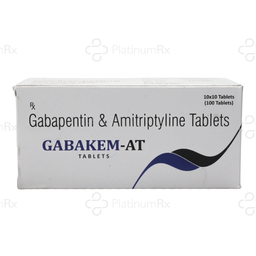
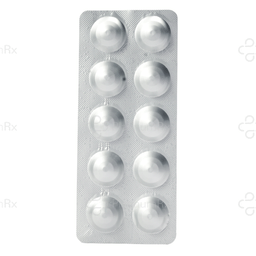
Gabantip AT 10/300mg Tablet 10s
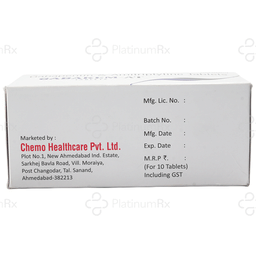
Sun Pharmaceutical Industries Ltd.
Strip of 10 tablets
₹236.00
₹287.81
18% Off
Amitrion 10/300 G Tablet is a combination prescription medicine used to relieve persistent nerve pain, also known as neuropathic pain. It combines two active medicines, amitriptyline and gabapentin, which work together to calm damaged or oversensitive nerves in the body. Healthcare providers commonly prescribe Amitrion 10/300 G Tablet for pain resulting from nerve damage due to diabetes (diabetic peripheral neuropathy), lingering nerve discomfort following shingles (post-herpetic neuralgia), and spinal nerve compression. By restoring chemical balance in the brain and spinal cord, Amitrion 10/300 G Tablet reduces sensations of tingling, burning, numbness, and sharp shooting pain, helping patients regain comfort, move more easily, and achieve better sleep.
Written by: Syed Jommy Abbas, B. Pharma
Reviewed by: Dr. Devika Rani, MBBS
Last updated on: 26-11-2026
Drugswell Pvt. Ltd.
See affordable match


Delivery by
...
FDA & GMP Certified
Long Expiry (>8 Months)
15 Days Easy Returns
Have a question?

Genuine Medicine
Pay On Delivery
Secure Payment

LegitScript Certified Online Pharmacy
Amitrion 10/300 G Tablet is a combination prescription medicine used to relieve persistent nerve pain, also known as neuropathic pain. It combines two active medicines, amitriptyline and gabapentin, which work together to calm damaged or oversensitive nerves in the body. Healthcare providers commonly prescribe Amitrion 10/300 G Tablet for pain resulting from nerve damage due to diabetes (diabetic peripheral neuropathy), lingering nerve discomfort following shingles (post-herpetic neuralgia), and spinal nerve compression. By restoring chemical balance in the brain and spinal cord, Amitrion 10/300 G Tablet reduces sensations of tingling, burning, numbness, and sharp shooting pain, helping patients regain comfort, move more easily, and achieve better sleep.
Amitrion 10/300 G Tablet is a fixed-dose oral medicine formulated to manage difficult-to-treat nerve pain (neuropathic pain). Ongoing nerve pain often occurs when peripheral nerves become damaged, inflamed, or hyperactive after infections like shingles, chronic metabolic conditions like diabetes, traumatic injury, or spinal cord pressure. Unlike everyday aches caused by tissue inflammation, nerve pain presents with distinctive burning sensations, electrical shock-like jolts, prickling, or severe sensitivity to light touch. Traditional painkillers, such as paracetamol (also called acetaminophen) or nonsteroidal anti-inflammatory drugs (NSAIDs, pain-relieving medicines such as ibuprofen or diclofenac), generally fail to provide adequate relief for this specific type of distress.
Amitrion 10/300 G Tablet provides a balanced therapeutic approach by combining amitriptyline, a tricyclic compound, with gabapentin, an analogue of the natural calming brain messenger gamma-aminobutyric acid. These two components target distinct steps along the pain-transmitting pathways in the central and peripheral nervous systems. Amitriptyline enhances the natural pain-suppression pathways in the brainstem and spinal cord by keeping higher levels of soothing chemical signals active. Meanwhile, gabapentin decreases the forward transmission of abnormal pain signals from injured nerve terminals by dampening calcium entry into nerve cells.
Using Amitrion 10/300 G Tablet allows both agents to produce a synergistic calming effect on hyperactive pain circuits. Because each drug works through a different biological target, combining them allows lower doses of each individual drug to achieve meaningful pain reduction. This helps minimize unwanted, dose-dependent side effects that often occur when either drug is used alone at high dosages.
Amitrion 10/300 G Tablet must always be taken under strict medical supervision. It is not an immediate, over-the-counter painkiller and requires several weeks of regular daily use to deliver its full pain-modulating benefits. Doctors carefully select the starting dosage and schedule periodic follow-up assessments to evaluate treatment response, adjust dosage safely, monitor kidney and liver health, and safeguard patient well-being throughout the treatment course.
Common Side Effects (Usually Mild and may lessen with continued use):
Serious Side Effects (Seek Urgent Medical Attention):
Take Amitrion 10/300 G Tablet exactly as directed by your doctor. Swallow the tablet or capsule whole with a full glass of plain water. Do not crush, chew, break, or dissolve Amitrion 10/300 G Tablet, as altering the pill can cause the medicine to release too quickly, increasing the risk of adverse reactions.
Because Amitrion 10/300 G Tablet causes drowsiness and relaxation, doctors usually advise taking your daily dose in the evening or close to bedtime. You may take Amitrion 10/300 G Tablet with food or on an empty stomach, but try to remain consistent with your choice every day to keep absorption steady. Establish a fixed daily schedule and take Amitrion 10/300 G Tablet at the exact same time each evening.
Never stop taking Amitrion 10/300 G Tablet abruptly, even if your pain improves noticeably. Suddenly discontinuing this medicine can trigger withdrawal symptoms, such as irritability, sleep disturbances, sweating, nausea, or a rapid rebound of intense nerve pain. Always complete your full prescribed course and consult your doctor when it is time to discontinue; your physician will design a gradual tapering schedule to step down your dose safely.
Amitrion 10/300 G Tablet combines two active salts that produce complementary actions on nerve pain pathways:
Amitriptyline belongs to the tricyclic antidepressant class. In chronic nerve injury, pain signals travel continuously up the spinal cord to the brain due to weak natural braking mechanisms. Amitriptyline strengthens these natural braking pathways, called the descending inhibitory pain pathways. It blocks the presynaptic reuptake transporters for two crucial chemical messengers: norepinephrine (via the norepinephrine transporter) and serotonin (via the serotonin transporter). By preventing their reuptake into nerve terminals, amitriptyline raises the active concentration of norepinephrine and serotonin within the synaptic spaces of the spinal cord dorsal horn. These neurotransmitters activate inhibitory receptors, which effectively dampens and filters out incoming pain messages before they reach the sensory cortex of the brain. Amitriptyline also blocks voltage-gated sodium channels on hyperactive nerve membranes, helping to stabilize erratic electrical firing in damaged nerves.
Gabapentin is an anticonvulsant and gabapentinoid compound designed as a structural analogue of gamma-aminobutyric acid. Despite its structural resemblance, gabapentin does not bind directly to GABA receptors or interfere with GABA metabolism. Instead, gabapentin binds selectively and with high affinity to the auxiliary alpha-2-delta-1 protein subunit of voltage-gated calcium channels found on presynaptic neurons in the brain and spinal cord. When peripheral nerves suffer damage, these calcium channels become overexpressed and overly active, allowing an excessive influx of calcium ions into nerve endings. This calcium influx triggers the release of excitatory neurotransmitters, such as glutamate, substance P, and calcitonin gene-related peptide, which amplify pain signals. By binding tightly to the alpha-2-delta subunit, gabapentin reduces calcium entry into these presynaptic nerve terminals. This action suppresses the abnormal release of excitatory neurotransmitters, calming hyperexcited sensory neurons.
Working together, the two salts in Amitrion 10/300 G Tablet attack neuropathic pain from both ends: gabapentin reduces the upward transmission of pain signals from injured peripheral nerve endings, while amitriptyline strengthens the downward pain-blocking signals from the brain and spinal cord.

Amitrion 10/300 G Tablet is generally not recommended during pregnancy unless clearly needed and explicitly approved by a specialist doctor. Animal studies and clinical reports suggest that amitriptyline can cross the placenta and may cause adverse fetal outcomes or neonatal withdrawal symptoms, while gabapentin has demonstrated embryo-fetal toxicity and developmental risks in preclinical evaluations. Anyone who can become pregnant must use reliable, effective contraception throughout the entire duration of treatment with Amitrion 10/300 G Tablet. If you suspect pregnancy or plan to conceive, speak with your doctor promptly to evaluate safer therapeutic alternatives.

Both amitriptyline and gabapentin pass into human breast milk in measurable quantities. Use of Amitrion 10/300 G Tablet while nursing carries a risk of infant sedation, poor weight gain, breathing difficulties, and poor feeding. Breastfeeding is usually not advised during treatment with Amitrion 10/300 G Tablet. Consult your healthcare provider to decide whether to stop nursing or select an alternative medicine.

Avoid consuming alcohol while taking Amitrion 10/300 G Tablet. Alcohol strongly enhances the central nervous system depressant effects of both active components, resulting in severe drowsiness, dizziness, impaired judgment, reduced motor coordination, and a dangerous slowing of breathing (respiratory depression).

Do not drive, ride a bicycle, or operate heavy machinery while taking Amitrion 10/300 G Tablet. This medicine causes significant drowsiness, dizziness, slowed reaction times, and blurred vision, especially during the first few weeks of therapy or after a dose increase.

Use with caution. Gabapentin is eliminated from the body almost entirely by the kidneys through renal excretion. In patients with kidney disease or reduced glomerular filtration rate, gabapentin accumulates in the blood, sharply raising the risk of toxicity, profound sedation, and confusion. Dose reduction and extended dosing intervals based on creatinine clearance are mandatory under medical supervision.

Use with caution. Amitriptyline undergoes extensive metabolism in the liver by cytochrome P450 enzymes. Reduced liver function slows drug breakdown, leading to elevated blood concentrations, prolonged sedation, and increased risk of cardiac rhythm problems. Liver function tests should be monitored periodically in patients with hepatic impairment.

Amitrion 10/300 G Tablet is not recommended for use in children and adolescents under 18 years of age. Safety, efficacy, and appropriate pediatric dosing guidelines for this combination have not been established.

Elderly individuals are substantially more susceptible to side effects, including severe sedation, confusion, unsteady gait, falls, urinary retention, constipation, and sudden drops in blood pressure upon standing. Starting with the lowest possible dose and titrating slowly under close clinical monitoring is essential.
Store Amitrion 10/300 G Tablet at room temperature, ideally between 20°C and 25°C (68°F to 77°F). Brief temperature excursions are permitted between 15°C and 30°C (59°F to 86°F). Keep the medicine in its original blister pack or tightly sealed container to protect it from moisture, excessive heat, and direct sunlight. Do not store this medication in humid areas like bathroom cabinets. Keep Amitrion 10/300 G Tablet strictly out of sight and reach of children and household pets.
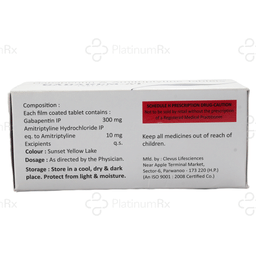
Standard commercial fixed-dose combination tablets typically contain Amitriptyline Hydrochloride 10 mg combined with Gabapentin 100 mg or 300 mg. Dosing is initiated with one tablet (Amitriptyline 10 mg + Gabapentin 100 mg) taken orally once daily in the evening or at bedtime. Based on clinical efficacy and tolerance, physicians may titrate the regimen to Amitriptyline 10 mg + Gabapentin 300 mg once daily at night. Dosage must not be increased without specialist consultation, and dose reductions are mandatory for patients with renal impairment. Never alter your dose, exceed the prescribed daily frequency, or stop treatment without explicit guidance from your healthcare provider.
An overdose of Amitrion 10/300 G Tablet is a medical emergency that requires immediate hospital treatment. Amitriptyline toxicity is particularly dangerous because of its cardiotoxic properties, while gabapentin toxicity primarily causes profound nervous system depression.
Symptoms of overdose include:
Emergency protocol: In any case of suspected overdose, immediately call local emergency medical services or go to the nearest hospital casualty department. If the person has collapsed or stopped breathing, initiate rescue breathing and cardiopulmonary resuscitation (CPR) right away. At the hospital, emergency care includes continuous electrocardiogram (ECG) heart monitoring, airway support, intravenous fluids, and administration of specific emergency treatments such as intravenous sodium bicarbonate to correct cardiac toxicity, alongside supportive critical care.
If you forget to take a prescribed dose of Amitrion 10/300 G Tablet, take it as soon as you remember. However, if it is almost time for your next scheduled dose, skip the missed dose entirely and resume your regular dosing schedule.
Never take two doses at once or take extra medicine to make up for a forgotten tablet, as doing so dramatically increases the risk of excessive drowsiness, blood pressure drops, and heart rhythm issues. If you take Amitrion 10/300 G Tablet once daily at bedtime and forget your dose during the night, do not take it the next morning if you need to drive or work, as it may cause heavy daytime drowsiness; instead, resume your normal dose the following evening.
Contact your doctor or seek emergency medical care immediately if you experience any of the following warning signs:
Therapeutic Class
Neuropathic Pain Reliever / Analgesic Combination
Action Class
Tricyclic Antidepressant (Serotonin-Norepinephrine Reuptake Inhibitor) + Alpha-2-Delta Calcium Channel Modulator
Chemical Class
Dibenzocycloheptene Derivative (Amitriptyline) + Cyclohexane Carboxylic Acid Derivative / GABA Analogue (Gabapentin)
Habit Forming
No
PlatinumRx is committed to providing reliable and accurate information to support informed customer decisions. However, all information made available on the Platform, including product descriptions, comparisons, and other content, is provided solely for general informational purposes. Such information is not intended to diagnose, prevent, treat, or cure any medical condition, nor should it be relied upon as a substitute for professional medical advice, diagnosis, or treatment.

More Medicines By Drugswell Pvt. Ltd.
More Medicines With Amitriptyline 10mg + Gabapentin 300mg
Top Selling Medicines
Top Selling Devices
Top Selling Health Products