


100% Same

Salt CompositionEffectivenessStrength

11%

with Substitute Medicine

MoleculeSalt Composition in both
You Searched

You Searched

Sabirtan 24mg/26mg Tablet

Sabirtan 24mg/26mg Tablet

Alexon Healthcare Pvt. Ltd.

Strip of 14 tablets

232

16.6 / Unit
Our Recommendation

Our Recommendation

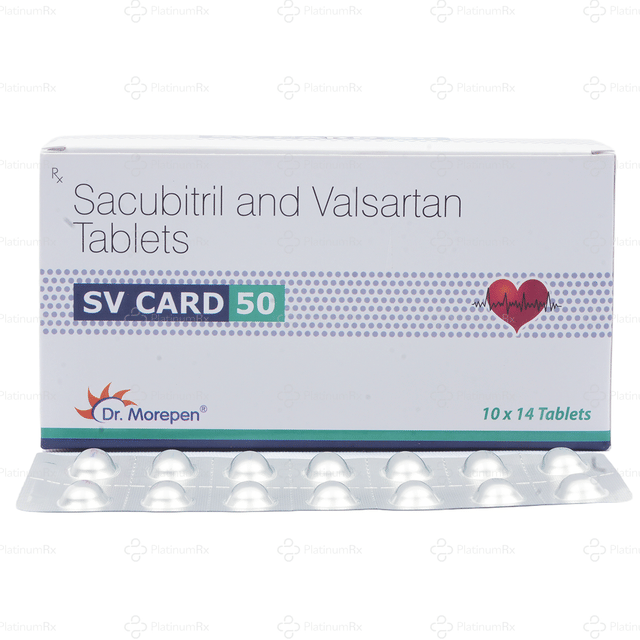
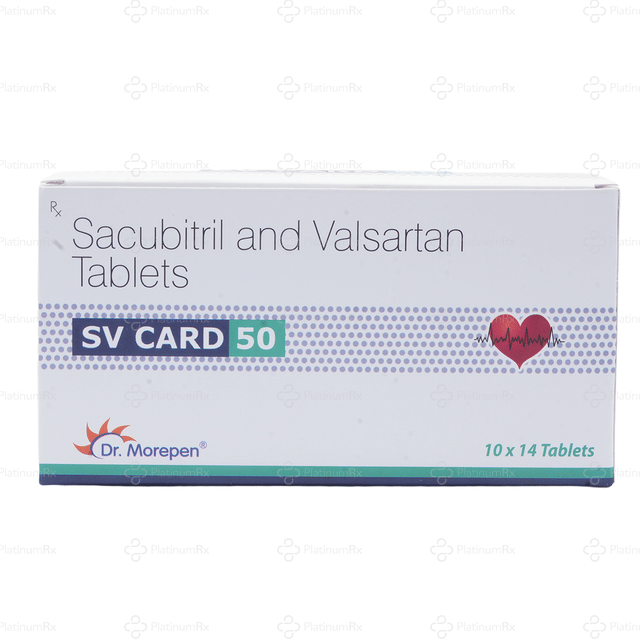
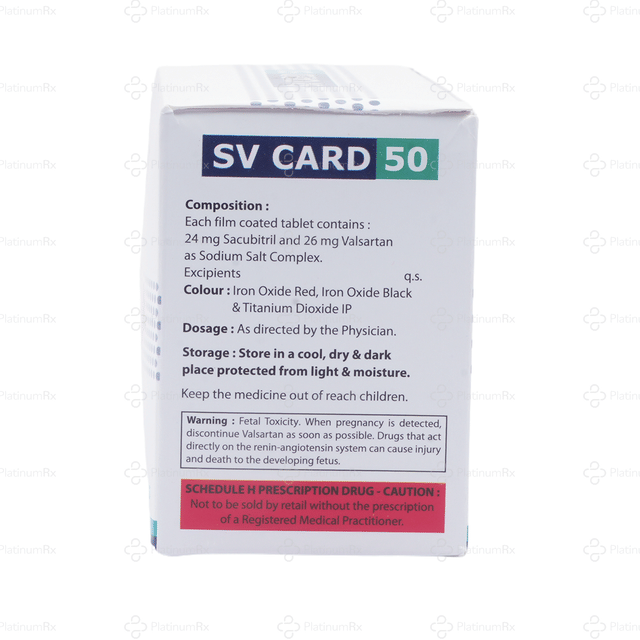
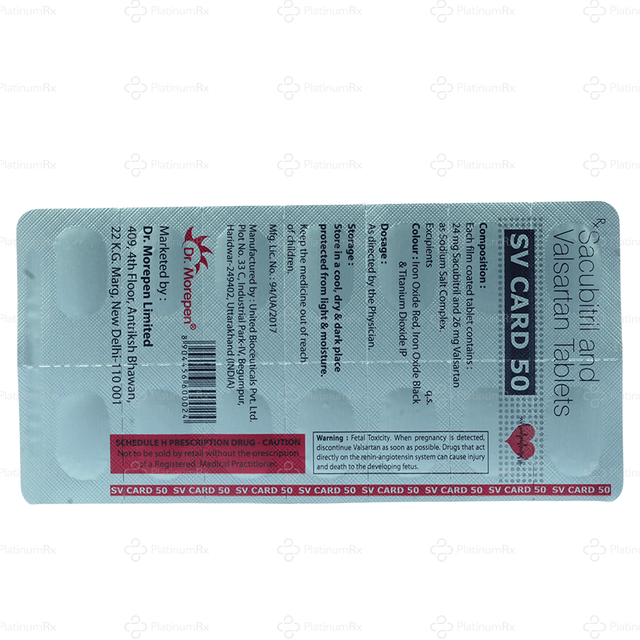
SV Card 26/24mg Tablet 14s

SV Card 26/24mg Tablet 14s

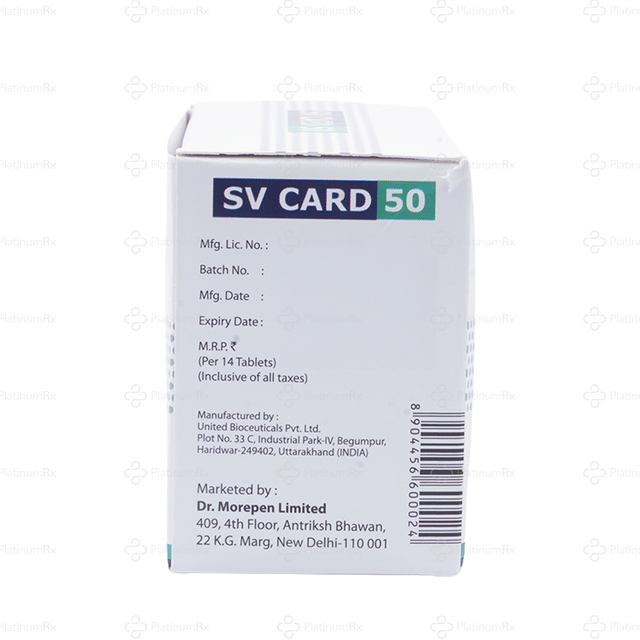
Dr. Morepen Ltd.
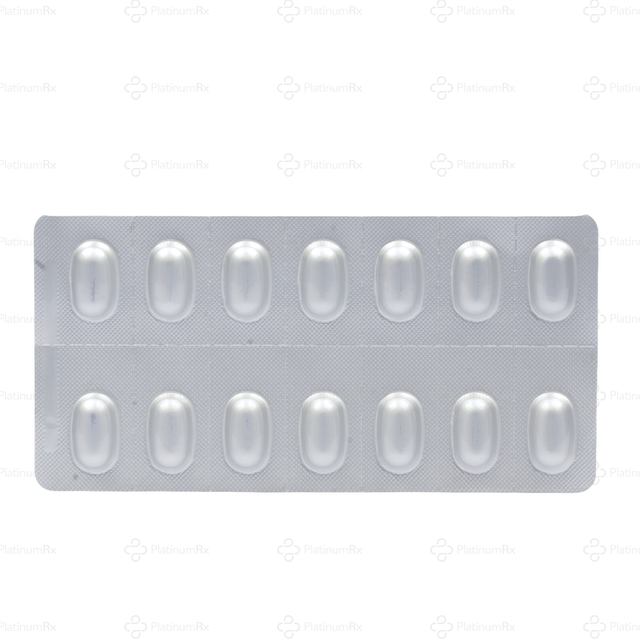
Strip of 14 tablets

4,676+ trust this

who

WHO GMP Certified

Doctor verified video thumbnail
All Our Medicines are
who icon

WHO GMP
Certified

return Image

15 Days Easy
Returns

Long Expiry

Long Expiry
(>8 Months)

who icon

WHO GMP
Certified

return Image

15 Days Easy
Returns

Long Expiry

Long Expiry
(>8 Months)

Delivery by

Used In

Treatment of Heart failure

Customers also bought

More About Sabirtan 24mg/26mg Tablet

Short Description
Long Description
How to use
Benefits
Side Effects
How to Consume
SafetyAdvice
Quick Tips (Expert Guidance)
Storage
Drug-Food Interactions
Interactions with Other Drugs
Drug-Disease Interactions
Daily Dose
Overdose
What If You Forget to take Sabirtan 24mg 26mg Tablet?
FAQs
References
Fact Box

Quick Summary

Sabirtan 24mg 26mg Tablet is a medicine prescribed for the treatment of chronic heart failure. It combines Sacubitril, which enhances the body’s natural peptides to relax blood vessels and reduce fluid buildup, with Valsartan, which blocks the effects of angiotensin II to lower blood pressure and protect the heart. Working together, these ingredients improve the heart’s ability to pump blood, ease symptoms such as breathlessness and swelling, and reduce the risk of hospitalisation or serious heart-related complications.

Detailed Description

Sabirtan 24mg 26mg Tablet is a prescription medicine used in the treatment of chronic heart failure, a condition in which the heart cannot pump blood efficiently enough to supply the body with oxygen and nutrients. It combines two active substances, Sacubitril and Valsartan, which work together to improve heart function and reduce the risk of worsening heart failure.

Sacubitril increases the levels of specific natural peptides in the body. These peptides help relax blood vessels, promote the excretion of sodium and water, and reduce strain on the heart. Valsartan is an angiotensin II receptor blocker (ARB) that prevents the effects of angiotensin II, a hormone that causes blood vessels to tighten and retain fluid. By blocking this hormone, Valsartan lowers blood pressure and protects the heart from further damage. Together, Sacubitril and Valsartan make it easier for the heart to pump blood, relieve symptoms such as swelling and shortness of breath, and lower the risk of hospitalisation or serious cardiovascular events.

The medicine is usually taken twice daily, and it is important to follow your doctor’s instructions carefully. Regular monitoring is required while on this treatment. Your doctor will check blood pressure, kidney function, and potassium levels to ensure the medicine is safe and effective for you. You should promptly report any unusual symptoms such as dizziness, swelling of the face or legs, or extreme tiredness. This medicine must not be taken at the same time as an angiotensin-converting enzyme (ACE) inhibitor, as combining them can increase the risk of serious side effects, including angioedema.

Sabirtan 24mg 26mg Tablet is most effective when used alongside lifestyle measures recommended by your doctor. These include following a low-salt diet, engaging in regular physical activity appropriate for your condition, and taking other prescribed heart medications consistently. Together, these measures help improve quality of life and reduce the risk of further heart problems.

Uses of Sabirtan 24mg 26mg Tablet

Sabirtan 24mg 26mg Tablet is indicated for:

  • Chronic Heart Failure with Reduced Ejection Fraction (HFrEF): Used to reduce the risk of cardiovascular death and heart failure hospitalisation.
  • Pediatric Heart Failure: Used in children one year of age and older with symptomatic systemic left ventricular systolic dysfunction (use is highly specialised).
  • Replacement Therapy: Used as a replacement for an ACE inhibitor or ARB in appropriate chronic heart failure patients.

Benefits of Sabirtan 24mg 26mg Tablet

  • Superior Mortality Reduction: Studies have shown that Sabirtan 24mg 26mg Tablet is more effective than the standard ACE inhibitor, enalapril, at reducing cardiovascular death and hospitalisation rates in HFrEF patients.
  • Reduces Cardiac Strain: The combination of vasodilation, salt excretion, and reduced Angiotensin II activity decreases the workload on the heart (reduced preload and afterload).
  • Reverse Cardiac Remodelling: By blocking pathological neurohormones and enhancing protective ones, it helps slow or potentially reverse the process of ventricular hypertrophy (thickening) and fibrosis (scarring) that occurs in chronic heart failure.
  • Improved Quality of Life: Patients often experience improvements in symptoms such as shortness of breath and fatigue, leading to a better quality of life and improved functional capacity.

Side Effects of Sabirtan 24mg 26mg Tablet

When taken as directed, Sabirtan 24mg 26mg Tablet is generally safe. Side effects are usually rare, mild, and temporary.

Common Side Effects (Rare):

  • Nausea and Vomiting
  • Constipation
  • Stomach upset
  • Slight drowsiness
  • Symptomatic Hypotension: Low blood pressure, causing dizziness or lightheadedness, especially when standing up quickly.
  • Hyperkalemia: Elevated potassium levels in the blood, which require regular blood tests.
  • Dizziness or Vertigo.
  • Cough.

Serious Side Effects (Stop taking the medicine and seek urgent medical attention if you experience):

  • Severe Allergic Reaction (Angioedema): Rash, swelling of the face, throat, or tongue, difficulty breathing, or dizziness.
  • Serious Skin Reactions (Very Rare): Redness, blistering, peeling of the skin (e.g., Stevens-Johnson Syndrome).
  • Signs of Liver Damage (Overdose Risk): Yellowing of the skin or eyes (jaundice), persistent nausea, unexplained fatigue, or pain in the upper right abdomen.
  • Signs of Severe Hypotension: Profound lightheadedness, fainting, or inability to stand.
  • Acute Kidney Injury: Sudden or severe deterioration in kidney function, often with reduced urination or fatigue.

Directions for Use

  • Dosage: The starting dose is usually low (e.g., 24mg/26mg twice daily) and gradually titrated upwards by the physician every 2 to 4 weeks, based on the patient's tolerability and blood pressure response, up to the maximum maintenance dose.
  • Administration: The tablet should be swallowed whole, with or without food, twice daily (e.g., once in the morning and once in the evening).
  • Crucial Washout Period: If a patient is currently taking an ACE inhibitor (e.g., Enalapril, Lisinopril), they MUST stop the ACE inhibitor for a 36-hour washout period before starting Sabirtan 24mg 26mg Tablet to prevent the risk of angioedema. This step is critical.

Safety Advice for Sabirtan 24mg 26mg Tablet

PREGNANCY

SEVERE.

(Black Box Warning). Drugs acting directly on the RAAS system can cause injury and death to the developing fetus (fetotoxicity). Discontinue immediately if pregnancy is detected.

Read More

BREASTFEEDING

CONSULT YOUR DOCTOR.

It is unknown whether Sacubitril or Valsartan passes into human milk. Due to the potential for serious adverse effects on the nursing infant, a decision must be made to discontinue nursing or discontinue the drug.

Read More

ALCOHOL

CAUTION.

Alcohol can exacerbate the hypotensive (blood pressure-lowering) effect of the medication, increasing the risk of dizziness and fainting.

Read More

DRIVING

CAUTION.

Due to the risk of dizziness and symptomatic hypotension (low blood pressure), especially during dose titration, use caution when driving or operating machinery until you know how the drug affects you.

Read More

KIDNEY

CAUTION.

Requires careful monitoring. Use with caution and dose adjustments are necessary for patients with severe renal impairment (kidney problems).

Read More

LIVER

CAUTION.

Requires careful monitoring. Dose adjustments are necessary for patients with moderate hepatic impairment (liver problems).

Read More

FOOD

CAUTION.

Due to the risk of hyperkalemia (high potassium), monitor intake of potassium-rich foods and potassium-containing salt substitutes.

Read More

LIFESTYLE

SEVERE.

DO NOT TAKE with ACE Inhibitors. A mandatory 36-hour washout period is required between stopping an ACE inhibitor and starting Sabirtan 24mg 26mg Tablet to avoid severe angioedema.

Read More

Quick Tips for Sabirtan 24mg 26mg Tablet

  • Dose Titration: Be patient during the dose titration (upward adjustment) phase. Your doctor will slowly increase the dose to ensure your blood pressure remains safe and stable.
  • Hypotension Watch: Get up slowly when moving from a sitting or lying position to avoid dizziness or fainting caused by low blood pressure.
  • No ACE Inhibitors: It is essential to understand and respect the 36-hour gap if you are switching from an ACE inhibitor. Inform every healthcare provider that you are on this specific medication.
  • Monitor Potassium: You will need regular blood tests to check your potassium and kidney function, especially when starting the medication or changing the dose.

Storage Advice

  • Store the tablets in the original blister packaging at room temperature (typically below 30 °C / 86 °F), away from moisture and heat.
  • Do not divide, crush, or chew the tablets.

Drug-Food Interaction

  • Potassium-Rich Foods: Caution is advised. Due to the risk of hyperkalemia (high potassium) associated with the ARB component (Valsartan), large quantities of potassium-rich foods (e.g., bananas, spinach, citrus juices, potassium-containing salt substitutes) should be consumed only with medical guidance.
  • Grapefruit Juice: No known major interaction.

Interactions with Other Drugs

  • ACE Inhibitors: CONTRAINDICATED. Requires a 36-hour washout period between the last dose of an ACE inhibitor and the first dose of Sabirtan 24mg 26mg Tablet.
  • Other Angiotensin Receptor Blockers (ARBs): Should not be co-administered.
  • Potassium-Sparing Diuretics (e.g., Spironolactone, Amiloride) and Potassium Supplements: Increases the risk of severe hyperkalemia (high potassium). Frequent monitoring is essential.
  • NSAIDs (e.g., Ibuprofen, Naproxen) and COX-2 Inhibitors: Concurrent use, especially in elderly or volume-depleted patients, may worsen kidney function, including possible acute renal failure.
  • Lithium: Concurrent use may increase serum lithium concentrations and toxicity.

Drug-Disease Interactions

  • Angioedema History: CONTRAINDICATED in patients with a history of angioedema related to previous ACE inhibitor or ARB use.
  • Severe Renal Impairment: Requires dose adjustment and frequent monitoring.
  • Hepatic Impairment: Requires dose adjustment.
  • Bilateral Renal Artery Stenosis: Should be used with extreme caution, as RAAS inhibitors can severely worsen kidney function.

Daily Dose

The target maintenance dose is typically 97mg/103mg (one tablet twice daily). However, the initial dose is often 24mg/26mg (one tablet twice daily) and is increased gradually under strict medical supervision.

Overdose

The most likely manifestation of overdose is severe hypotension (profoundly low blood pressure) and possibly hyperkalemia.

Action Required: If an overdose is suspected, immediately seek emergency medical assistance. Management typically involves supportive care, lying the patient down with legs elevated, and potentially IV fluid administration.

What If You Forget to take Sabirtan 24mg 26mg Tablet?

If you miss a dose, take it as soon as you remember. However, if it is more than 6 hours past your scheduled time, skip the missed dose and resume your regular dosing schedule. Do not take two doses at the same time to make up for the missed one.

Frequently asked questions

Yes, both medicines have the same salt composition, dosage, and effectiveness. They work the same way in your body. The only difference is the brand — and SV Card option is much more affordable without compromising on quality
It is the preferred treatment for chronic heart failure with reduced ejection fraction (HFrEF), used to prolong life and reduce hospitalisations.
No, it is an ARNI (Angiotensin Receptor–Neprilysin Inhibitor). It replaces ACE inhibitors or ARBs, but you must never take it with an ACE inhibitor due to a severe risk of angioedema.
If an ACE inhibitor is not cleared from the body (which takes about 36 hours), combining it with Sacubitril drastically increases the risk of life-threatening angioedema (swelling of the face/throat).
Sacubitril increases the level of beneficial hormones (natriuretic peptides) that help the heart relax, lower blood pressure, and reduce fluid retention.
Valsartan blocks the harmful effects of the stress hormone Angiotensin II, which constricts blood vessels and causes fluid buildup, thereby reducing the strain on the heart.
Low blood pressure (hypotension) and dizziness are the most common side effects, especially when first starting or increasing the dose.
Absolutely not. It carries a Black Box Warning and must be stopped immediately if pregnancy is detected, as it causes severe harm or death to the fetus.
You should monitor your intake of potassium-rich foods and potassium-containing salt substitutes, as the medication can increase potassium levels in the blood (hyperkalemia).
While blood pressure effects are immediate, the significant benefits regarding survival and reduced hospitalisations are seen over months of consistent use.
No. This medication is a foundation of heart failure treatment. Stopping it suddenly can cause your heart failure symptoms to worsen rapidly. Always consult your doctor before making any changes.
Yes, frequent blood tests are mandatory to check for potassium levels and monitor kidney function, particularly during the dose adjustment phase.
Sit or lie down immediately. If you frequently feel dizzy, report this to your doctor, as your dose may need to be adjusted downward.
While it lowers blood pressure, it is specifically approved and primarily used for the management of chronic heart failure.
A cough is a known side effect, but it is typically much less common and less severe than the persistent dry cough often associated with older ACE inhibitor medications.
Angioedema is severe allergic swelling, usually of the face, lips, tongue, or throat. If you notice any sudden swelling of the face or difficulty swallowing or breathing, seek emergency medical care immediately.

References

  • https://go.drugbank.com/drugs/DB09292

  • https://www.mayoclinic.org/drugs-supplements/sacubitril-and-valsartan-oral-route/description/drg-20150920

  • https://pubchem.ncbi.nlm.nih.gov/compound/Valsartan

  • https://www.mayoclinic.org/drugs-supplements/valsartan-oral-route/description/drg-20067355

Fact Box

Therapeutic Class

Cardiovascular Agent / Heart Failure Treatment

Action Class

RAAS Inhibitor (ARB) / Natriuretic Peptide Enhancer (Neprilysin Inhibitor)

Chemical Class

Angiotensin Receptor–Neprilysin Inhibitor (ARNI)

Habit Forming

No

Checkout Editorial Policy

Disclaimer

PlatinumRx is dedicated to delivering dependable and trustworthy information to empower our customers. However, the information presented here is solely for general informational purposes and should not be utilized for diagnosing, preventing, or treating health issues. It is not intended to establish a doctor-patient relationship or serve as a substitute for professional medical advice.

Flat ₹100 off on first app order   |    Use Code:  APP100   | 

Flat ₹100 off on first app order

USE CODE: APP100

PlatinumRx

Download Now

AppleIconPlayStoreIcon