Word Count: 1948
Read Time: Approximately 10 minutes
Table of Content
- How Daily Habits Influence Diabetes Management
- Diet and Nutrition: Your First Line of Defense in Diabetes Management
- Physical Activity: Consistent Movement, Better Control
- Stress: The Silent Blood Sugar Trigger
- How Sleep Impacts Diabetes Management
- Hidden Health Hazards of Alcohol and Smoking
- Illness and Infection: Managing Blood Sugar When Sick
- Hydration: The Simple Habit That Matters
- Medication and Monitoring
- Wrapping Up
- Frequently Asked Questions: Quick Answers for Better Diabetes Management
India has been witnessing a steep rise in diabetes cases. According to recent estimates, more than 101 million Indians—about 11.4% of the population—are living with diabetes, while 136 million are at risk of prediabetes. These distressing statistics reveal the importance of monitoring your daily habits and taking timely measures to prevent matters from escalating further. If left unchecked, high blood sugar levels can gradually lead to serious health concerns. The key to better diabetes management is knowing what affects your blood sugar level in daily life. Therefore, in this article, we are going to understand how your daily habits affect your blood sugar levels so that diabetes management becomes stress-free for you.
How Daily Habits Influence Diabetes Management
For efficient management of diabetes, aside from routine doctor visits and medications, the biggest difference is made with conscious everyday choices. What you eat, how often you exercise, how well you sleep and how you handle stress cumulatively affect your blood sugar levels.
In reality, these habits tend to have a more lasting impact on blood glucose than one-time treatments. So, it is important to understand that true diabetes management is rooted in building a healthy and sustainable routine, not just medical appointments. While the medicines prescribed for diabetes offer essential support, your conscious and consistent effort is what helps make progress. Diabetes management is a daily journey, and every healthy choice you make brings you closer to your goal.
Diet and Nutrition: Your First Line of Defense in Diabetes Management
When it comes to diabetes management, food is the most important element and a powerful tool.
Key Principles for a Blood Sugar-Friendly Diet
- Focus on the quality and not just the quantity of your carb intake. Opt for healthy options such as whole grains, legumes, fruits and vegetables. On the other hand, limit the consumption of white bread, sugary snacks and soda.
- Pay attention to glycemic index (GI) and glycemic load. Foods with low GI gradually release sugar. Some examples of low-GI foods include oats, lentils, etc. High-GI foods such as white rice and sugary cereals cause blood sugar spikes.
- Ensure every meal includes fibre, protein, and healthy fats. These help slow down the absorption of sugar and keep you fuller for longer.
- Practice portion control, eat at regular intervals, and avoid skipping meals. Balance your meals with diabetes medicines for wholesome care.
The Diabetes Plate Method
- ½ Plate (Non-starchy Veggies): Broccoli, spinach, tomatoes, cucumber
- ¼ Plate (Lean Protein): Grilled chicken, paneer, dal, tofu
- ¼ Plate (Healthy Carbs): Brown rice, chapati, fruit, sweet potato
Watch Out for Food Myths
One of the biggest myths about diabetes is that you must entirely give up on rice, fruits or desserts. Although sugary and high-GI fruits such as mangoes and bananas should indeed be limited, not all carbs are off-limits.
In the right proportions, low-GI options such as apples, pears and whole grains are good inclusions. Effective management of diabetes involves combining mindful food choices with regular activity and medication instead of rigid food rules.
Physical Activity: Consistent Movement, Better Control
Exercise plays a prominent role in diabetes management as it encourages blood sugar control. It improves sensitivity to insulin (meaning it helps your body use insulin more effectively)—whether it produces it naturally or via medicines for diabetes.
Some of the most efficient exercises for diabetics include a combination of the following:
- Aerobic activities such as brisk walking, swimming or cycling
- Strength training using resistance bands or light weights
- Flexibility exercises like yoga or gentle stretching
Ideally, individuals must aim for at least 150 minutes of moderate movement per week. This would mean about 30 minutes for five days a week. If this feels overwhelming, consider 10-minute walks after meals. Even these small steps can make a meaningful difference. If you feel like your energy or mobility is limited, seated exercises and gentle stretching could also be helpful. Any kind of movement helps with the management of diabetes.
However, before making any adjustments to your routine, speak with your doctor – especially if you take insulin or other blood-sugar-lowering medication. When exercising, you must ensure appropriate hydration and carry a snack in case your blood sugar drops too low.
Stress: The Silent Blood Sugar Trigger
Not only does stress weigh on your mind, but it also hurts your body in real and measurable ways. When a body is under stress, hormones such as cortisol and adrenaline are released in the body. These may trigger your liver to release more glucose into your bloodstream, making it more difficult to manage blood sugar levels.
Stress management becomes essential for anyone who is genuinely working towards diabetes management, as chronic stress can sabotage your efforts. Some warning signs of stress may include tiredness, inadequate sleeping patterns, irritability or sudden spikes in blood sugar despite consistent routines.
Therefore, to aid with the management of diabetes, it is important to work towards building emotional resilience. For this, there are several tools at your disposal, including meditation, deep breathing exercises, journaling, joining support groups, etc. All these help ease mental strain and improve your body’s response to stress.While the medicines for diabetes help regulate glucose, it is equally important to manage stress for lasting control. Make stress relief a part of your routine, and not only will you be able to protect your peace, but also actively improve diabetes management.
How Sleep Impacts Diabetes Management
Sleep plays a prominent role in the management of diabetes. Poor sleeping patterns lead to hormonal imbalances, thereby increasing insulin resistance, which subsequently leads to higher blood sugar levels. Inadequate rest also has an effect on appetite-regulating hormones, which can lead to stronger cravings and poor food choices the following day.
To help with efficient diabetes management, individuals must aim for 7-9 hours of restful sleep every night. Try and inculcate these habits:
- Maintain a consistent bedtime routine
- Avoid screens before bed
- Ensure your room is cool
- Limit the intake of caffeine or alcohol during the evenings
Improving the quality of sleep is important when taking diabetes medication. Over time, better sleep can help stabilise blood sugar levels, enhance mood and boost decision-making skills, all of which contribute to diabetes management.
Hidden Health Hazards of Alcohol and Smoking
- Alcohol
Alcohol can affect blood sugar levels by influencing the ability of the liver to regulate glucose. When consuming alcohol, the liver prioritises breaking it down over maintaining glucose levels.
This can lead to hypoglycemia, especially for those using insulin and other diabetes medicines. To lower risks, diabetics must avoid sugary cocktails and instead opt for drinks such as dry wine or light beer. Always have a snack when drinking to help regulate blood sugar.
- Smoking
Smoking is associated with increased resistance to insulin, thereby making diabetes management harder. Smokers with diabetes are at a higher risk for heart ailments, kidney diseases and nerve damage. When you quit smoking, management of diabetes becomes a lot easier by increasing insulin sensitivity and lowering the risk of severe complications, ultimately enhancing long-term outcomes. For diabetics, quitting smoking is an important step towards better health and more effective diabetes management.
Illness and Infection: Managing Blood Sugar When Sick
When you are unwell, your body releases stress hormones such as cortisol to help fight infection. As we learned earlier, these hormones can lead to a rise in blood sugar levels. For those working on diabetes management, this can make it more difficult to stay in the range. So, during illness, it becomes more important to monitor your blood sugar more frequently and ensure hydration with water and other sugar-free fluids.
Ensure you take your diabetes medicines unless your doctor has advised you otherwise, and consult your healthcare provider in case of vomiting, trouble eating or a fever over 101°F for longer than 24 hours. Your doctor may ask you to adjust your medication, especially when it comes to insulin.
Here’s a quick sick-day checklist to make note of:
- Monitor blood sugar levels every 3 to 4 hours
- Ensure proper hydration
- Keep easy-to-digest foods and healthy snacks handy
- Know which over-the-counter medicines are safe
- Call your doctor when needed
Being prepared can help you ensure your management of diabetes remains steady—even when you’re not feeling your best.
Hydration: The Simple Habit That Matters
Dehydration can easily disrupt diabetes management. When you are low on fluids, blood sugar concentrates and leads to spikes. Dehydration can also strain the kidneys as it works towards flushing out excess glucose, thereby making consistent hydration essential, for effective management of diabetes.
Aim to drink 8–10 cups (2–2.5 litres) of water regularly, depending on the body size, level of activity and climate. Water is always the best choice. Other safe options include unsweetened herbal tea, sparkling water or sugar-free drinks. On the other hand, avoid drinking sugary sodas, energy drinks and fruit juices, which can lead to rapid elevation in blood sugar levels. Maintain adequate hydration as it stabilises glucose and also supports digestion and energy. If you are looking for lifestyle-friendly ways to support your condition alongside diabetes medicine in India, hydration is a simple and effective fix.
Medication and Monitoring
Not neglecting your medicines and being consistent with your routine is the cornerstone of effective diabetes management. Whether you are using insulin or oral medication, dosage and timings have a significant impact on how well your treatment influences blood sugar. Both skipping and delaying doses can cause dangerous highs or lows. There are different types of diabetes medicines in India, and knowing how they work and how they interact with food and activity are key to managing the best outcomes.
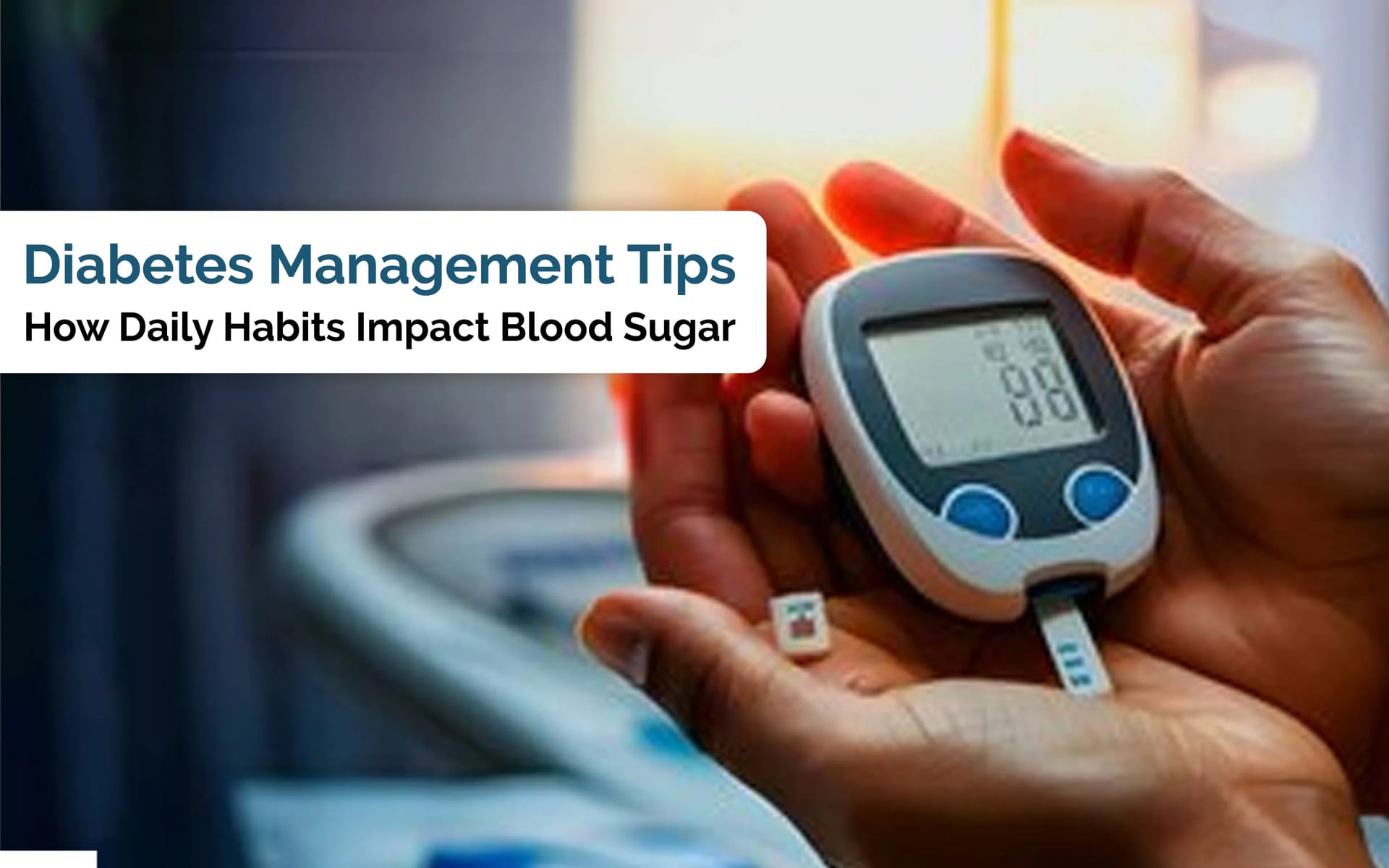
In addition to this, regular blood sugar monitoring is also important. Regularly checking your glucose levels and identifying patterns helps in monitoring adjustments in diet, medication and exercise. Many digital tools provide trend analysis and alerts, making it easy to identify fluctuations early.
Wrapping Up
Diabetes does not ask for perfection. Instead, it requires persistence. Effective management of diabetes comes with consistency and following through with your wellness routine.
Whether it is remembering your medicines on time, maintaining a healthy and balanced diet, drinking water or checking your blood sugar even when you’re tired, consistency is the game changer. And when the basics feel like a challenge, having reliable support like affordable access to medicines through PlatinumRx can make all the difference.
Frequently Asked Questions: Quick Answers for Better Diabetes Management
- Is Ayurvedic or homoeopathic safe for diabetes?
Some ayurvedic herbs, such as Gudmar, Tulsi, Neem, etc., are traditionally used to improve insulin sensitivity and glucose balance. However, these can only complement and not replace medicines for diabetes. Always speak with your doctor before making any dietary changes.
- When should I test my blood sugar?
Blood sugar is typically checked before meals, two hours after eating and during bedtime. Your doctor may, however, suggest more or less frequent checks.
- What’s a normal blood sugar range?
The normal range for blood sugar is:
- 80–130 mg/dL before meals and
- under 180 mg/dL two hours post-meal
- Can I eat rice or roti if I have diabetes?
Yes. The key to diabetes management is portion control and not complete abstinence. Opt for healthier alternatives such as brown rice or multigrain roti and pair them with protein and fibre.
- How do I access affordable diabetes medicine in India?
Affordable options are available through trusted online pharmacies. Trusted e-pharmacies such as PlatinumRx provide economical substitutes for diabetes medicine in India.
References
https://www.bbc.com/news/world-asia-india-65852551#
https://diabetes.org/food-nutrition/eating-healthy
https://www.niddk.nih.gov/health-information/diabetes/overview/managing-diabetes
https://www.diabetes.org.uk/guide-to-diabetes/life-with-diabetes/sleep-and-diabetes
https://www.cdc.gov/tobacco/campaign/tips/diseases/diabetes.html
https://diabetes.org/health-wellness/alcohol-and-diabetes
https://www.cdc.gov/diabetes/treatment/index.html