10 Healthy Smoothie Recipes for Weight Loss That Are Easy to Make at Home
Last Updated: September 15, 2026

Written by:
Srishti Bhukta, B. Pharma
Reviewed by:
Dr. Jay Faldu, MBBSLast updated on:15-Sept-2026
Trying to lose weight does not mean you have to survive on salads or give up foods you enjoy. Sometimes, a few simple changes to your everyday meals can make a routine easier to follow.
Smoothies can be one such option.
A well-balanced smoothie can be a convenient breakfast, a filling snack, or a light meal when you are short on time. The important part is not simply adding fruits and blending them together. A smoothie that supports healthy weight management should ideally contain a mix of protein, fibre and healthy fats, while keeping added sugar under control.
This guide covers 10 easy smoothie recipes for weight loss, along with the ingredients you need, how to prepare them, and a few simple tips to make your smoothie more filling.
Can Smoothies Help With Weight Loss?
They can, but a smoothie itself does not cause weight loss.
Weight loss generally comes down to your overall eating pattern, activity level and calorie intake over time. A smoothie can be useful when it helps you make a satisfying meal or snack without relying on highly processed or sugary foods.
For example, a smoothie made with fruit, plain yoghurt, oats and seeds is likely to keep you satisfied for longer than one made mainly with fruit juice and added sugar.
The ingredients and portion size matter.
It is also easy to accidentally turn a healthy smoothie into a high-calorie drink by adding large amounts of nut butter, honey, dates, sweetened yoghurt or fruit juice. So, if your goal is weight management, focus on balance rather than simply choosing “healthy” ingredients.
List of 10 Healthy Smoothie Recipes for Weight Loss in August 2026 (Updated)
Here are some simple combinations you can prepare at home. You can adjust the quantities based on your appetite and nutritional needs.
- Spinach and Banana Smoothie
- Berry and Yoghurt Smoothie
- Banana Oats Smoothie
- Apple Cinnamon Smoothie
- Peanut Butter Banana Protein Smoothie
- Papaya Chia Smoothie
- Mango Yogurt Smoothie
- Cucumber Mint Smoothie
- Avocado Banana Smoothie
- Strawberry Oats Smoothie
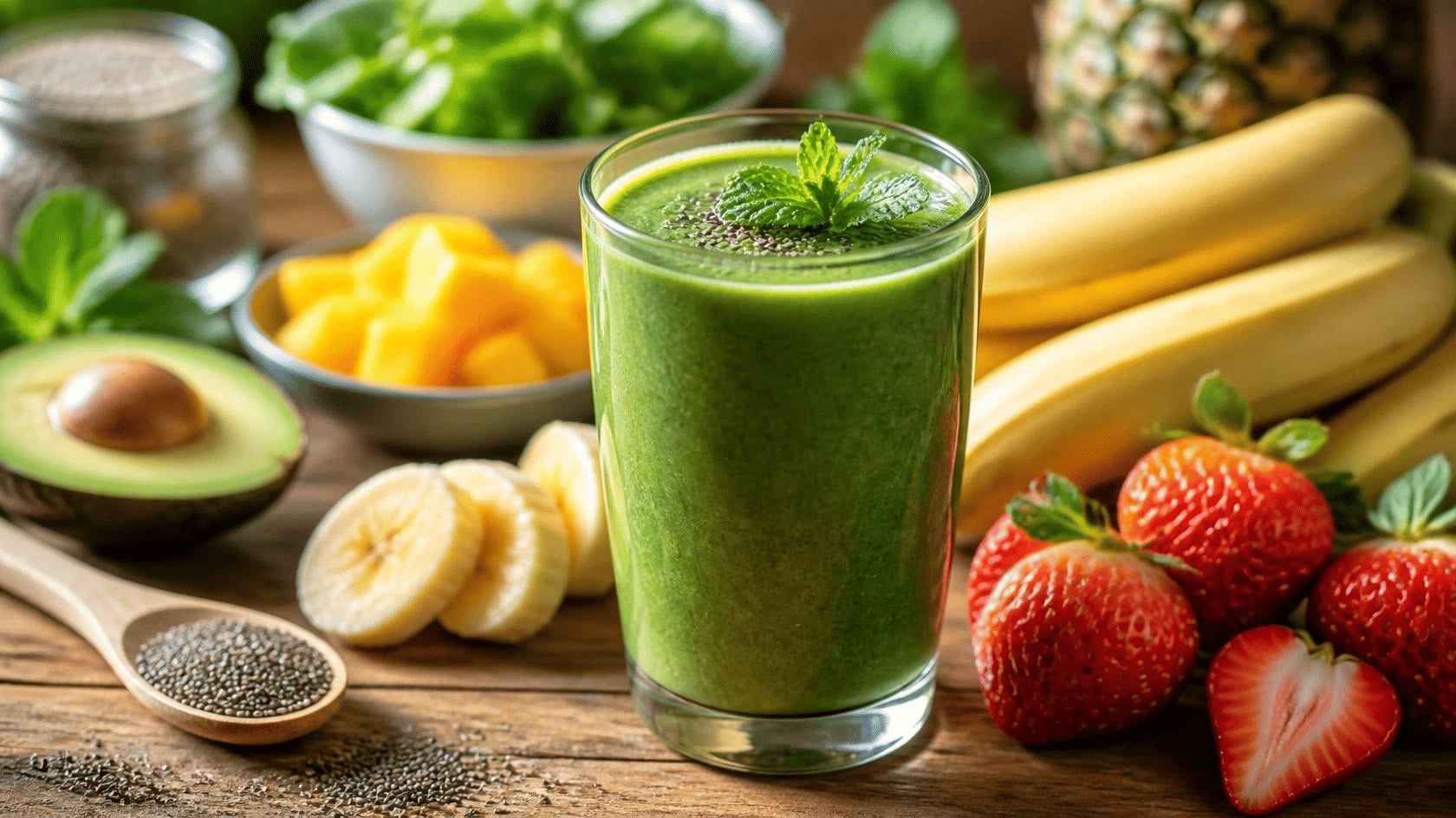
1. Spinach and Banana Smoothie
If you are new to green smoothies, spinach and banana are a good place to start. Banana provides natural sweetness, while spinach adds volume and nutrients without making the drink taste too leafy.
Ingredients:
- 1 cup fresh spinach
- 1 small banana
- ½ cup plain yoghurt
- ½ to 1 cup water
- 1 teaspoon chia seeds
How to make it:
Wash the spinach and add everything to a blender. Blend until smooth. Add more water if you prefer a thinner consistency.
Why try it?
Spinach adds fibre and micronutrients, while yoghurt and chia seeds make the smoothie more satisfying than a fruit-only drink.
2. Berry and Yoghurt Smoothie
Berries can add plenty of flavour without requiring much added sweetness. Pairing them with plain yoghurt also gives the smoothie a creamy texture and some protein.
Ingredients:
- ½ cup strawberries
- ¼ cup blueberries or raspberries
- ½ cup plain Greek yoghurt
- ½ cup water or unsweetened milk
- 1 teaspoon chia seeds
How to make it:
Add all the ingredients to a blender and blend until creamy. Add a few ice cubes if you like your smoothie cold.
Why try it?
Berries provide fibre and are naturally sweet, while yoghurt adds protein. Together, they can make a simple and filling breakfast or snack.
3. Banana Oats Smoothie
This is a practical option for busy mornings when you want something more filling than a glass of fruit juice.
Ingredients:
- 1 small banana
- 2 tablespoons rolled oats
- ½ cup plain yoghurt
- ½ to 1 cup low-fat milk or unsweetened plant milk
- A pinch of cinnamon
How to make it:
Blend the oats, banana, yoghurt, milk and cinnamon until smooth. Let it sit for a minute or two if you prefer a thicker consistency.
Why try it?
Oats provide fibre and carbohydrates, while yoghurt contributes protein. This combination can make the smoothie more substantial and help you stay satisfied through the morning.
4. Apple Cinnamon Smoothie
If you prefer something mildly sweet rather than a very fruity smoothie, try this combination.
Ingredients:
- 1 small apple
- ½ cup plain yoghurt
- 1 tablespoon rolled oats
- ½ teaspoon cinnamon
- ½ cup water
How to make it:
Wash and chop the apple. You can keep the skin on for additional fibre. Add all ingredients to a blender and blend until smooth.
Why try it?
The apple and oats provide fibre, while yoghurt adds protein. Cinnamon also gives the smoothie plenty of flavour without needing sugar.
5. Peanut Butter Banana Protein Smoothie
This smoothie works well when you want something creamy and more filling. Peanut butter is calorie-dense, though, so keeping the portion modest is important.
Ingredients:
- 1 small banana
- ½ cup plain Greek yoghurt
- 1 teaspoon unsweetened peanut butter
- ½ cup unsweetened milk
- 1 teaspoon chia seeds
- How to make it:
Blend everything until smooth. Add a little more milk if the consistency is too thick.
Why try it?
The yoghurt, peanut butter and chia seeds provide protein and healthy fats, while banana gives the smoothie a naturally sweet taste.
6. Papaya Chia Smoothie
Papaya is a popular fruit in Indian households and works particularly well in a simple smoothie.
Ingredients:
- 1 cup ripe papaya
- ½ cup plain yoghurt
- 1 teaspoon chia seeds
- ½ cup water
- A small piece of fresh ginger, optional
How to make it:
Add the papaya, yoghurt, chia seeds and water to a blender. Add ginger if you enjoy its flavour and blend until smooth.
Why try it?
Papaya provides fibre and nutrients, while yoghurt and chia seeds make the smoothie more balanced than fruit alone.
7. Mango Yogurt Smoothie
You do not have to completely avoid mango while trying to manage your weight. The key is portion size and what you pair it with.
Ingredients:
- ½ cup ripe mango
- ½ cup plain Greek yoghurt
- ½ cup cold water
- 1 teaspoon chia or flax seeds
How to make it:
Blend all the ingredients until smooth. Avoid adding sugar or mango juice.
Why try it?
Mango gives the smoothie a naturally sweet and creamy taste. Greek yoghurt and seeds add protein and fibre, making it more balanced.
8. Cucumber Mint Smoothie
Not every weight-loss smoothie has to be sweet. If you prefer something light and refreshing, this savoury-style smoothie is worth trying.
Ingredients:
- 1 small cucumber
- A few fresh mint leaves
- ½ cup plain yoghurt
- ½ cup water
- A squeeze of lemon
- A pinch of roasted cumin powder
How to make it:
Chop the cucumber and add all ingredients to a blender. Blend until smooth and serve immediately.
Why try it?
Cucumber provides volume with relatively few calories, while yoghurt adds protein. Mint, lemon and cumin give it a refreshing flavour without added sugar.
9. Avocado Banana Smoothie
Avocado can make a smoothie thick and creamy without adding sugar. Since it is energy-dense, a small portion is usually enough.
Ingredients:
- ¼ to ½ avocado
- ½ small banana
- ½ cup unsweetened milk
- 1 teaspoon chia seeds
How to make it:
Add all ingredients to a blender and blend until creamy. Add more milk if needed.
Why try it?
Avocado provides healthy unsaturated fats, while banana adds natural sweetness. The combination makes a satisfying smoothie when portion sizes are kept reasonable.
10. Strawberry Oats Smoothie
If you want a smoothie that tastes like a treat but still works as part of a balanced breakfast, this is a simple option.
Ingredients:
- ¾ cup strawberries
- 2 tablespoons rolled oats
- ½ cup plain yoghurt
- ½ cup unsweetened milk
- 1 teaspoon flax or chia seeds
How to make it:
Blend all the ingredients until smooth. Add ice or chilled strawberries for a colder, thicker texture.
Why try it?
Strawberries add flavour and fibre, while oats, yoghurt and seeds make the smoothie more filling.
How to Build a Weight Loss Smoothie
You do not necessarily need a different recipe every day. Once you understand the basic formula, you can create your own combinations.
A simple approach is:
1. Pick a fruit or vegetable
Try berries, apple, papaya, banana, cucumber or leafy greens.
2. Add a protein source
Plain Greek yoghurt, regular yoghurt, milk, tofu or an appropriate protein powder can work depending on your dietary preferences.
3. Add some fibre
Oats, chia seeds, flax seeds, whole fruits and vegetables are easy options.
4. Include a small amount of healthy fat
Chia seeds, flax seeds, avocado or a small amount of unsweetened nut butter can work well.
5. Choose your liquid carefully
Water, low-fat milk or unsweetened plant-based milk are simple choices.
This approach gives you more flexibility than following a fixed recipe every time.
Best Ingredients for Weight Loss Smoothies
If you are making smoothies regularly, keep a few basic ingredients available at home.
For fibre
- Oats
- Chia seeds
- Flax seeds
- Apples
- Berries
- Leafy greens
For protein
- Greek yoghurt
- Plain yoghurt
- Milk
- Tofu
- Unsweetened protein powder, if appropriate for your diet
For healthy fats
- Avocado
- Chia seeds
- Flax seeds
- Peanut or almond butter
For natural sweetness
- Banana
- Berries
- Apple
- Papaya
- Small portions of mango
Ingredients to Limit in Weight Loss Smoothies
A smoothie can be nutritious and still contain more calories or added sugar than you expect.
Try not to rely heavily on:
- Fruit juice
- Sweetened yoghurt
- Flavoured milk
- Added sugar
- Large amounts of honey
- Sweetened nut butter
- Ice cream
- Large portions of dried fruits
- Excessive amounts of nuts or seeds
You do not have to completely eliminate these foods from your diet. The main issue is how much you use and how often.
Common Smoothie Mistakes to Avoid
Using juice instead of whole fruit
Juice can add sugar without providing the same amount of fibre as whole fruit. Whenever possible, blend the whole fruit instead.
Making every smoothie fruit-only
Fruit is nutritious, but a smoothie containing only fruit may not keep you full for very long. Add a protein or fibre source.
Adding too many “healthy” extras
Peanut butter, nuts, seeds, dates and honey can all be part of a healthy diet. But adding several of them together can quickly increase the calories in your smoothie.
Making the serving too large
A bigger smoothie is not necessarily a better smoothie. Pay attention to portions, especially when using calorie-dense ingredients.
Adding sugar because the smoothie tastes bland
Instead, try cinnamon, mint, ginger or a small amount of naturally sweet fruit to improve the flavour.
How Often Can You Drink a Smoothie for Weight Loss?
There is no universal number that works for everyone.
- For some people, a smoothie can be a convenient breakfast. Others may prefer it as a snack or after exercise. What matters more is how it fits into your overall diet.
- If you are replacing a meal with a smoothie, make sure it is substantial enough to provide protein, fibre and other nutrients rather than being simply a glass of blended fruit.
- And you do not need to replace every meal with smoothies. Whole foods still have an important place in a balanced diet.
Are Smoothies Good for Losing Belly Fat?
No particular smoothie can specifically target belly fat.
Fat loss happens across the body and is influenced by your overall calorie intake, diet, physical activity, sleep and other factors. A smoothie can be part of that routine if it helps you build balanced meals and manage your overall intake.
So instead of looking for a “belly fat burning smoothie”, focus on a smoothie that is filling, nutritious and appropriate for your overall diet.
Can You Drink a Smoothie Every Day?
Yes, a balanced smoothie can be part of your daily routine if it suits your nutritional needs.
However, variety is useful. Rotate fruits, vegetables, protein sources and seeds instead of relying on exactly the same combination every day.
Also remember that eating whole fruits and vegetables provides texture and variety that you may miss when everything is blended.
When Is the Best Time to Drink a Weight Loss Smoothie? Drag
There is no single “best” time.
You can have a smoothie at breakfast, as a snack, after exercise or whenever it fits comfortably into your routine.
If you are usually hungry in the morning, a smoothie containing protein, fibre and healthy fats may work well as breakfast. If you are already eating a full breakfast, having another calorie-dense smoothie on top of it may not be necessary.
The best time is ultimately the one that fits your routine and helps you maintain consistent eating habits.
FAQs About Smoothie for Weight Loss?
The Bottom Line
A smoothie does not need to be complicated to be useful.
Start with whole fruits or vegetables, add a protein source, include some fibre and use a sensible portion of healthy fats. Avoid turning it into a sugary drink by adding juice, syrups or large amounts of sweeteners.
Most importantly, do not treat smoothies as a shortcut to weight loss. They are simply one convenient way to make your everyday diet more balanced.
If you are trying to lose weight, focus on habits you can actually maintain-regular meals, nutritious foods, adequate movement, good sleep and consistency over time.