



100% Same

Salt CompositionEffectivenessStrength

32%

with Substitute Medicine

MoleculeSalt Composition in both
You Searched

You Searched

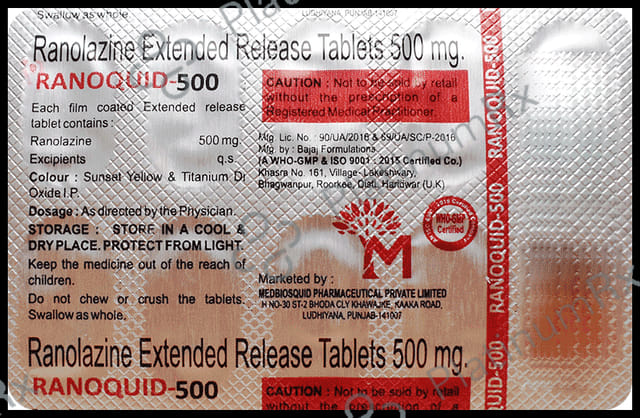
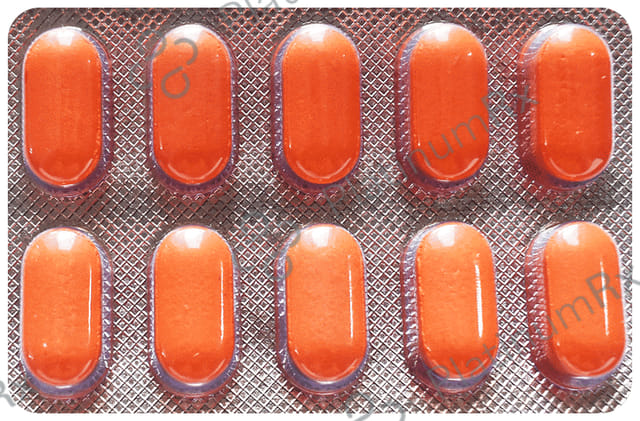
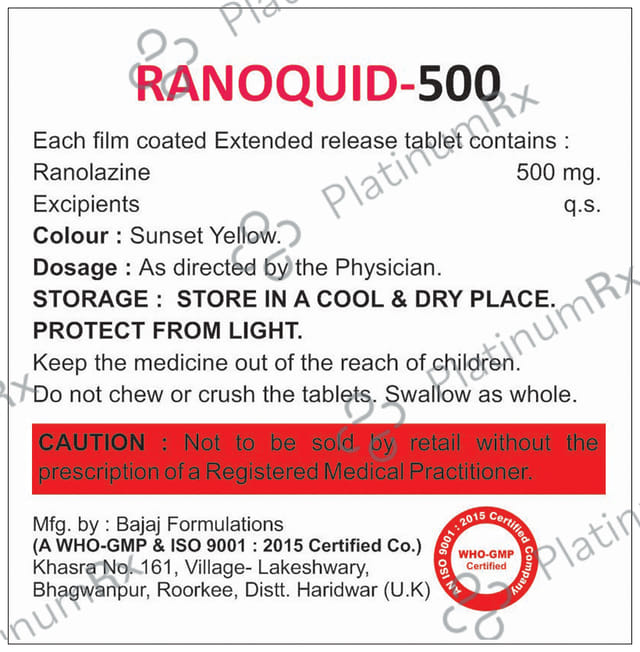
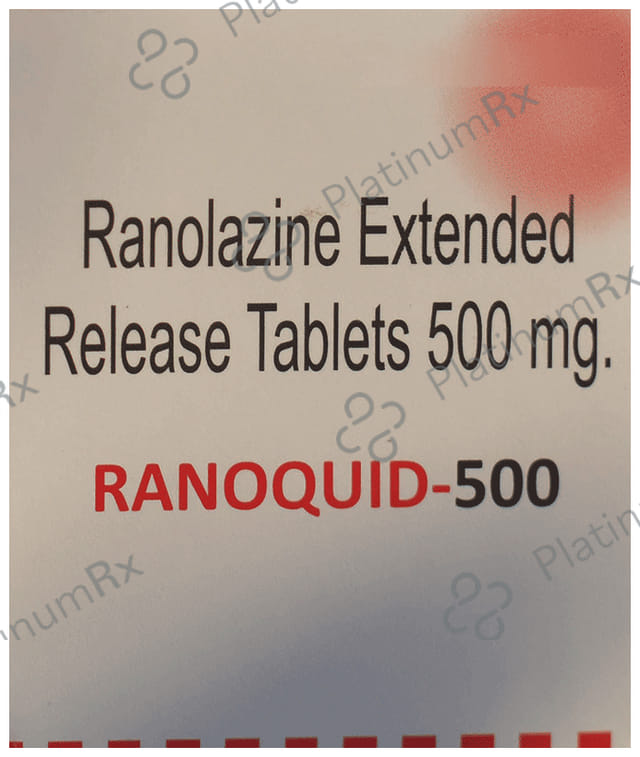
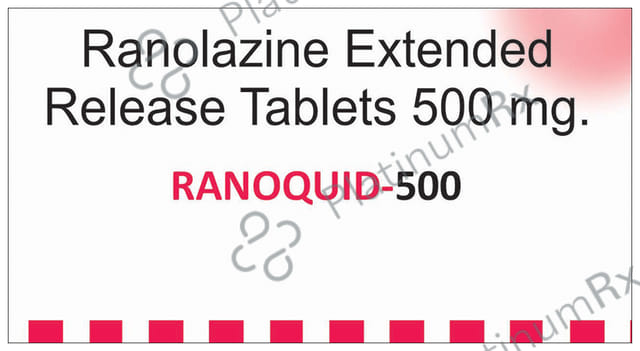
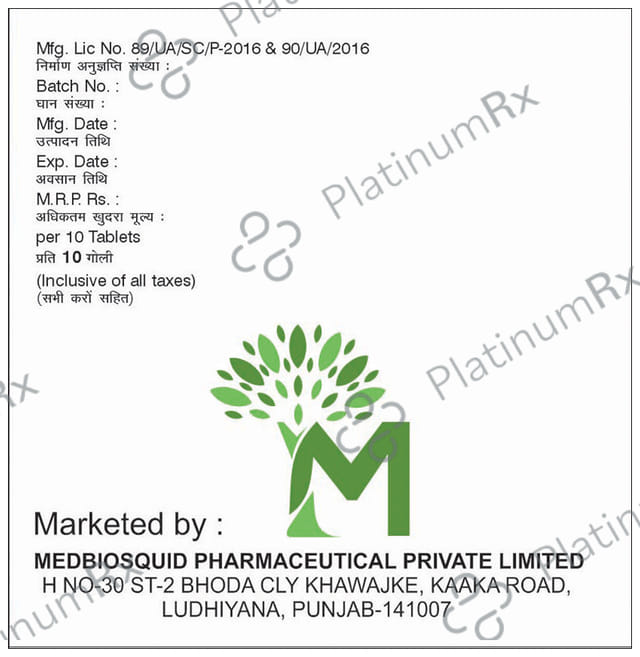
Ranoquid 500 Tablet
Ranoquid 500 Tablet
Ranoquid 500 Tablet
Ranoquid 500 Tablet
Ranoquid 500 Tablet
Ranoquid 500 Tablet

Ranoquid 500 Tablet

142

14.2 / Unit
Our Recommendation

Our Recommendation

Ranoright 500mg ER Tablet 10s

Ranoright 500mg ER Tablet 10s

Dr. Morepen Ltd.
Strip of 10 tablets

4,218+ trust this

who

WHO GMP Certified

Doctor verified video thumbnail
All Our Medicines are
who icon

WHO GMP
Certified

return Image

15 Days Easy
Returns

Long Expiry

Long Expiry
(>8 Months)

who icon

WHO GMP
Certified

return Image

15 Days Easy
Returns

Long Expiry

Long Expiry
(>8 Months)

Delivery by

Used In

Treatment of Angina (heart-related chest pain)

Customers also bought

More About Ranoquid 500 Tablet

Short Description
Long Description
How to use
Benefits
Side Effects
How to Consume
SafetyAdvice
Quick Tips (Expert Guidance)
Storage
Drug-Food Interactions
Interactions with Other Drugs
Drug-Disease Interactions
Daily Dose
Overdose
What If You Forget to take Ranoquid 500 Tablet?
FAQs
Fact Box

Quick Summary

Ranoquid 500 Tablet is an medication containing Ranolazine, an anti-anginal agent used exclusively in adults for the long-term management of chronic stable angina pectoris (persistent chest pain caused by heart disease). It is most commonly prescribed as an add-on therapy for individuals whose angina symptoms are not adequately controlled by other first-line medications (such as beta-blockers or calcium channel blockers), or who cannot tolerate those treatments. Ranolazine improves the efficiency of the heart muscle's oxygen use, thereby reducing the frequency of angina attacks and enhancing exercise tolerance. Importantly, it achieves this effect without significantly altering the patient's blood pressure or heart rate. It is not indicated for the acute relief of sudden chest pain. The extended-release tablets are taken twice daily and must be swallowed whole.

Detailed Description

Ranoquid 500 Tablet (Ranolazine) is a distinct pharmacological agent in cardiovascular medicine, serving as a continuous maintenance therapy to stabilise chronic stable angina and reduce the burden of ischemic symptoms. Its primary role is to manage persistent, recurring chest discomfort caused by insufficient coronary blood supply during physical exertion or stress.

Clinical evidence shows that when added to conventional therapy, Ranolazine can significantly reduce the average weekly frequency of angina episodes and decrease the need for rescue medications like sublingual nitroglycerin. Patients need to understand that Ranoquid 500 Tablet is a prophylactic (preventative) medication. It works over time to prevent the underlying cellular events that lead to angina, but does not act quickly enough to terminate an acute angina attack. Patients must rely on their rapid-acting nitrate medication for sudden chest pain as directed by their physician.

Uses of Ranoquid 500 Tablet

Ranoquid 500 Tablet is indicated for the following chronic cardiovascular condition:

  • Chronic Stable Angina Pectoris: Used for the symptomatic treatment of adults with stable angina who are inadequately controlled or intolerant to first-line anti-anginal therapies.

Benefits of Ranoquid 500 Tablet

  • Effective Symptom Control: Significantly reduces the frequency of angina attacks.
  • Reduced Need for Rescue Medication: Decreases the patient's reliance on sublingual nitroglycerin for breakthrough pain.
  • Improved Exercise Tolerance: Increases the duration of exercise a patient can perform before experiencing angina (as measured during exercise testing).
  • Hemodynamic Neutrality: Provides anti-anginal relief without significantly lowering resting heart rate or blood pressure, a key advantage for patients already on maximal doses of other drugs or those with low baseline heart rate or blood pressure.
  • Suitable Add-on Therapy: Provides a unique mechanism of action that complements the effects of other anti-anginal drug classes (e.g., beta-blockers).

Side Effects of Ranoquid 500 Tablet

Side effects are usually mild to moderate. Inform your doctor if any side effect persists or worsen.

Common Side Effects (Usually Mild and may lessen with continued use):

  • Dizziness (feeling lightheaded or unsteady)
  • Constipation
  • Nausea
  • Headache

Serious Side Effects (Stop taking the medicine and seek urgent medical attention if you experience):

  • Severe Dizziness or Fainting (Syncope): May be a sign of a dangerously slow or irregular heart rhythm.
  • Signs of Allergic Reaction: Rash, hives, swelling of the face, lips, tongue, or throat, or trouble breathing.
  • Severe Arrhythmias (Heart Rhythm Problems): Although rare, Ranolazine can prolong the QT interval on an ECG, increasing the risk of serious ventricular arrhythmias, such as Torsade de Pointes. Symptoms include severe, sudden lightheadedness or a racing heart.
  • Signs of Kidney Issues: Swelling of the hands, ankles, or feet, or a decrease in the amount of urine produced.

Directions for Use

  • Follow your doctor's instructions: Always take Ranoquid 500 Tablet exactly as prescribed. Do not stop or change your dose without consulting them.
  • Dosing: The usual starting dose is twice daily (BID) depending on the strength of the drug form. Your doctor may increase the dose if your symptoms are not controlled.
  • Timing: Take the tablet approximately every 12 hours (e.g., morning and evening) to maintain a steady level of the medicine in your body.
  • How to take it: You must swallow the tablet whole with water. Do not crush, chew, or break the tablet, as this will destroy the extended-release mechanism and could lead to an unsafe, rapid release of the drug (dose dumping).
  • With or without food: Ranoquid 500 Tablet can be taken with or without food.

Safety Advice for Ranoquid 500 Tablet

Pregnancy
CONSULT DOCTOR.

Use only if the potential benefit justifies the potential risk to the fetus, as effects are not thoroughly studied.

Read More

Breastfeeding

CONSULT DOCTOR.

is excreted in breast milk. A decision must be made to discontinue nursing or discontinue the drug, considering the mother's need for the drug.

Read More
Alcohol
CAUTION.

Alcohol may increase the sedative effects of the medicine, such as dizziness.

Read More
Driving
CAUTION.

Do not drive or operate heavy machinery until you know how Ranoquid 500 Tablet affects you, as it commonly causes dizziness.

Read More
Diet
AVOID GRAPEFRUIT JUICE.

It can increase the levels of Ranolazine in your blood, increasing the risk of side effects.

Read More
Elderly Patients
CAUTION.

Older patients may be more sensitive to the side effects. Dose adjustment and close monitoring are usually advised.

Read More

Quick Tips for Ranoquid 500 Tablet

  • Prophylactic Use Only: Remember Ranoquid 500 Tablet is a preventative medicine for chronic angina. If you experience sudden chest pain, use your prescribed rapid-acting nitroglycerin.
  • Swallow Whole: Never crush, chew, or break the Extended-Release tablet. It must be swallowed whole to work correctly and safely.
  • Consistent Timing: Take the medicine every 12 hours, at the same time each day, to maintain steady drug levels.
  • Watch for Interactions: Inform your doctor and pharmacist about all other medicines, herbal products, and grapefruit consumption, as Ranolazine interacts with many common medications.
  • Avoid Abrupt Stop: Do not suddenly stop taking Ranoquid 500 Tablet, as this could lead to a sudden worsening of your angina symptoms.
  • Monitor for Dizziness: Dizziness and constipation are common. If dizziness is severe or causes fainting, seek medical attention.

Storage Advice

  • Store Ranoquid 500 Tablet at room temperature, ideally between 20°C and 25°C
  • Keep the medication in its original container, protected from excessive moisture, heat, and direct light.
  • Keep the tablets strictly out of the reach and sight of children and pets.

Drug-Food Interaction

  • Grapefruit Juice: Avoid consumption of grapefruit and grapefruit juice while on Ranoquid 500 Tablet. Grapefruit juice inhibits the metabolism of Ranolazine, leading to significantly higher blood levels and increased risk of side effects, including QTc prolongation.

Interactions with Other Drugs

The CYP3A4 enzyme extensively metabolises Ranolazine and is also a P-glycoprotein (P-gp) substrate, making it highly susceptible to significant drug interactions.

  • Strong CYP3A4 Inhibitors (e.g., Ketoconazole, Clarithromycin, HIV Protease Inhibitors): CONTRAINDICATED. These drugs dramatically increase Ranolazine levels, significantly raising the risk of toxicity and QTc prolongation.
  • Strong CYP3A4 Inducers (e.g., Rifampin, Phenytoin, St. John’s Wort): CONTRAINDICATED. These drugs drastically decrease Ranolazine levels, leading to therapeutic failure and a return of angina symptoms.
  • Moderate CYP3A4 Inhibitors (e.g., Diltiazem, Verapamil, Erythromycin): Use with caution. The Ranolazine dose must be limited to 500 mg BID when used concurrently with these medications.
  • Other QTc-Prolonging Drugs (e.g., Amiodarone, Sotalol, certain antipsychotics): Use with extreme caution. The combination increases the risk of serious ventricular arrhythmias.
  • Digoxin or Cyclosporine (P-gp Substrates): Ranolazine can increase the plasma concentration of these drugs, requiring a dose reduction and close monitoring of the co-administered drugs.

Drug-Disease Interactions

This medicine is contraindicated or requires careful use if you have specific health problems:

  • Hepatic Impairment (Liver Disease): Ranolazine is contraindicated in patients with severe hepatic impairment (liver cirrhosis). It should be used with caution and careful monitoring in patients with moderate liver impairment.
  • Renal Impairment (Kidney Disease): Use is not recommended in patients with severe renal impairment (Creatinine Clearance <30 mL/min) due to reduced clearance and potential drug accumulation.
  • Congenital Long QT Syndrome or Family History: Caution is required due to Ranolazine's potential to prolong the QTc interval. It should be avoided in patients with known congenital long QT syndrome.
  • Pre-existing Arrhythmias: Use with caution in patients with known ventricular arrhythmias or uncorrected hypokalemia (low potassium).

Daily Dose

The specific daily dose is determined by the treating physician based on the patient's response and tolerance. The recommended dosing is:

  • Starting Dose: 500mg twice daily (BID).
  • Maximum Recommended Dose: 1000mg twice daily (BID).

Overdose

An overdose of Ranoquid 500 Tablet is a medical emergency. Symptoms may include severe dizziness, nausea and vomiting, confusion, increased QTc prolongation, and, in severe cases, the risk of developing life-threatening heart rhythms like Torsade de Pointes. If an overdose is suspected, seek emergency medical care immediately. Treatment is generally supportive, focusing on cardiovascular monitoring and symptom management.

What If You Forget to take Ranoquid 500 Tablet?

If you miss a dose of Ranoquid 500 Tablet, simply skip the missed dose and take your next dose at the regular scheduled time. Do not take two doses at the same time or a double dose to make up for the missed one. Maintaining the regular twice-daily schedule is essential for effective symptom prevention.

Frequently asked questions

Yes, both medicines have the same salt composition, dosage, and effectiveness. They work the same way in your body. The only difference is the brand — and RANORIGHT option is much more affordable without compromising on quality
Ranoquid 500 Tablet is used to prevent the symptoms of chronic stable angina (chest pain) in adults, especially when other medications are not working well enough or cannot be tolerated.
No. Ranoquid 500 Tablet is a preventative, long-term maintenance drug. It will not stop a sudden angina attack. You must use your prescribed rapid-acting nitroglycerin as prescribed for acute pain.
You must swallow the Extended-Release (ER) tablet whole. Do not chew, break, or crush it. It is usually taken twice daily (every 12 hours), with or without food.
Crushing the tablet destroys the special coating that controls the release of the medicine. This will cause too much drug to be absorbed too quickly (dose dumping), leading to a high risk of side effects and toxicity.
Because Ranoquid 500 Tablet is a preventative medication, you may need to take it consistently for a few weeks before you notice the full reduction in the frequency of your angina attacks.
It is generally advised to limit or avoid alcohol, as it may increase the side effects of Ranolazine, particularly dizziness and lightheadedness.
Grapefruit juice can interfere with the breakdown of Ranolazine in your body, causing the drug levels to become too high. This increases the risk of serious side effects, including heart rhythm problems.
Unlike many other heart medications, Ranolazine typically does not cause significant changes in blood pressure or heart rate, making it a good option for patients who cannot tolerate those side effects.
Dizziness is one of the most common side effects. It may be due to the drug's effect on your nervous system. Avoid driving or operating machinery until you know how the medicine affects you.
Ranolazine is not recommended for patients with severe kidney problems (creatinine clearance less than 30 mL/min). If you have moderate kidney issues, your doctor may monitor you closely and adjust the dose.
No. Ranolazine is contraindicated (should not be used) in patients with severe liver impairment (cirrhosis) because the liver primarily breaks down the drug.
If you miss a dose, do not take it unless you remember shortly after the scheduled time. Otherwise, just skip the missed dose and take the next dose at your regular time. Never double the dose.
No. Ranoquid 500 Tablet is often prescribed as an add-on therapy. Do not stop any of your existing heart medications unless specifically instructed to do so by your doctor.
Call for emergency help immediately if you experience fainting, sudden severe lightheadedness, or feel your heart beating very fast or irregularly, as these can be signs of a serious heart rhythm issue (QTc prolongation).
No, you should not stop taking Ranoquid 500 Tablet abruptly. Since it is a preventative treatment, stopping it suddenly could lead to a recurrence or worsening of your angina symptoms. Consult your doctor for a plan to taper the dose slowly if needed.

Fact Box

Therapeutic Class

Cardiovascular Medicine / Treatment for Chronic Stable Angina

Action Class

Selective Late Sodium Channel Inhibitor

Chemical Class

Piperazine Derivative / Anti-Anginal Agent

Habit Forming

Not habit-forming or associated with dependence.

Checkout Editorial Policy

Disclaimer

PlatinumRx is dedicated to delivering dependable and trustworthy information to empower our customers. However, the information presented here is solely for general informational purposes and should not be utilized for diagnosing, preventing, or treating health issues. It is not intended to establish a doctor-patient relationship or serve as a substitute for professional medical advice.