What is Metformin: Uses, Dosage, Composition & Side Effects
Last Updated: November 2, 2026

Summary
Metformin is a tablet for type 2 diabetes. It lowers the sugar in your blood and helps your body use insulin better. It is a prescription medicine in India, so take it only on a doctor's advice. Most people start it alongside diet and exercise, and used on its own it rarely causes low blood sugar.
Key Takeaways
- What it is: A biguanide tablet that lowers blood sugar in type 2 diabetes.
- Active ingredients: Metformin hydrochloride.
- Used for: Type 2 diabetes, and sometimes PCOS or gestational diabetes.
- Not meant for: Type 1 diabetes alone, severe kidney disease, or children under 10.
- Prescription: Needed in India — take it only on a doctor's advice.
- How to take: With meals, swallowed whole with water, at the same times daily.
- Common side effects: Loose motions, nausea, gas and a metallic taste; usually settle in a few weeks.
What Is Metformin?
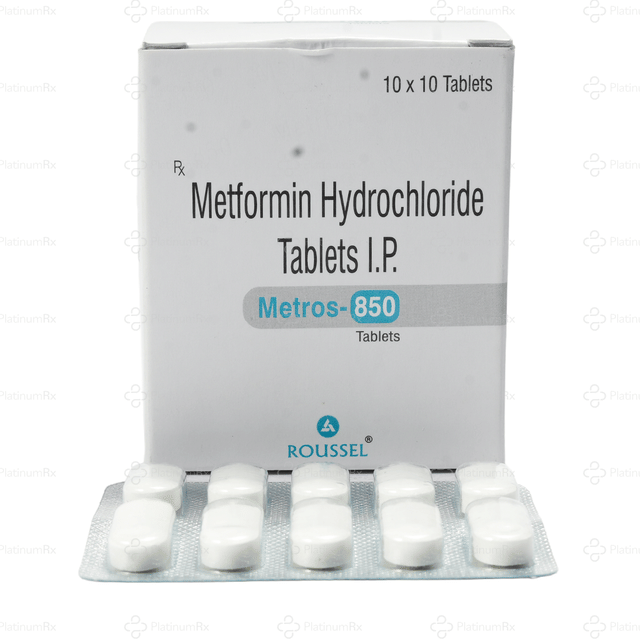
Metformin is a diabetes medicine taken by mouth, from a group called biguanides. It comes as tablets in a few strengths. The whole tablet is metformin hydrochloride, so there is no second ingredient to learn.
Medicines Containing Metformin


Metformin Composition (Per Tablet)
| Ingredient | Amount | Type | What it does (in simple words) |
|---|---|---|---|
| Metformin hydrochloride | 500 mg, 850 mg or 1000 mg — check your pack | Biguanide | Lowers the sugar your liver releases and helps your body use insulin |
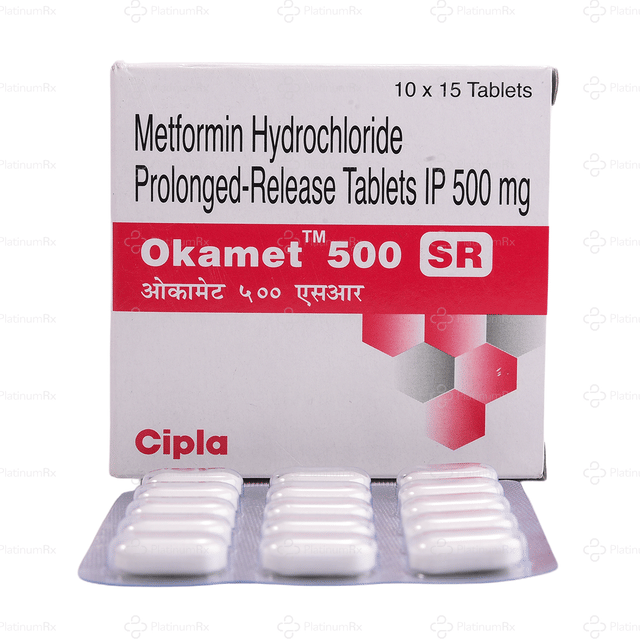
Check the exact strength printed on your pack; it may vary between variants. Slow-release tablets, marked SR or XR, release the medicine slowly, so they are usually taken once a day with the evening meal.
How Does Metformin Work?
Think of your liver as a tap that keeps dripping sugar into your blood between meals. Metformin turns that tap down. It also slows how much sugar you take in from food. And it helps your muscles pull sugar out of your blood, so your own insulin works better.
Uses of Metformin
Doctors prescribe metformin for:
- Type 2 diabetes - usually the first tablet, started with diet and exercise and later added to other tablets or insulin
- Polycystic ovary syndrome (PCOS) - to help with irregular periods and hormone balance Also Read About:- PCOD vs PCOS
- Gestational diabetes - in some pregnant women, when the doctor decides it is suitable
PCOS is an off-label use, meaning it is not what the medicine was approved for.
Metformin does not reverse diabetes, and it is not a replacement for insulin in type 1 diabetes.
Also Check: Explore Type 2 Diabetes Medicines to learn more about medicines used to manage type 2 diabetes.
Type 2 Diabetes vs Type 1 Diabetes: Is Metformin Right for You?
| Type 2 diabetes | Type 1 diabetes | |
|---|---|---|
| What it feels like | Often no symptoms at first; thirst, tiredness, frequent urination | Sudden thirst, weight loss, very high sugar |
| What is happening | The body makes insulin, but it does not work well | The body makes little or no insulin |
| Is metformin suitable? | Yes, usually the first medicine | No, not on its own |
| What usually helps | Diet, exercise, metformin and other tablets | Insulin every day |
Using metformin for type 1 diabetes without insulin can let your sugar climb dangerously high.
How to Take Metformin Tablets
- Take it with a meal, usually breakfast or dinner, or both.
- Swallow the tablet whole with a glass of water. Do not crush or chew it.
- With a slow-release tablet, an empty shell may show up in your stool — that is normal.
- Take it at the same times each day.
- Do not stop taking it because you feel well. Metformin controls sugar; it does not reverse diabetes.
Also Check: Explore Diabetes Medicines to learn more about medicines used to manage diabetes.
Dosage of Metformin
Your doctor sets the dose. It depends on your blood sugar, your kidney function and how well you tolerate the tablet.
Most adults start with 500 mg once or twice a day with meals, or 850 mg once a day. The dose then goes up slowly — by 500 mg a week, or 850 mg every two weeks — up to a maximum of 2,550 mg a day, split into doses.
Never increase the dose on your own. A higher dose does not bring your sugar down faster, but it does make stomach upset more likely and raises the rare risk of a dangerous build-up of acid in the blood. If you take too much, go to the nearest hospital emergency department with the strip or bottle, and call 112 or 108 for an ambulance.
Children aged 10 and over may be given metformin, starting at 500 mg twice a day up to 2,000 mg a day. Only a paediatrician should decide this, and an adult dose is never simply copied for a child.
What If You Miss a Dose?
Take the missed dose as soon as you remember, with a meal. If your next dose is almost due, skip the one you missed. Never take two doses together to catch up.
How Long Does It Take to Work?
Metformin starts lowering blood sugar within days of your first dose. The full benefit shows up in your HbA1c, the average of your sugar over the past few months, so your doctor will usually recheck it later. If your readings stay high, tell your doctor.
Storage
Store metformin at room temperature, below 25°C where possible, in a dry place away from light and moisture. Keep it out of reach of children, and do not use it after the expiry date on the pack.
Side Effects of Metformin
Most people take metformin without any trouble. When side effects happen, they are usually mild and settle within a couple of weeks.
Common and mild:
- Loose motions, the most common one by far
- Feeling sick or being sick
- Gas and bloating
- Indigestion or stomach discomfort
- A metallic taste in your mouth
- Loss of appetite
- Headache or unusual tiredness
Rare but serious (stop the medicine and see a doctor right away):
- Vomiting, stomach pain, muscle cramps, fast deep breathing or feeling very cold — signs of a rare but serious problem called lactic acidosis (too much acid in the blood)
- Swelling of the lips, tongue or throat, or a spreading itchy rash
- Yellowing of the eyes or skin, or dark urine
- Shaking, sweating or confusion, if you also take insulin or a sulfonylurea tablet
The stomach upset comes from metformin itself. It is more likely at higher doses and in the first few weeks, and less likely if you take it with food.
Long-term use can also lower vitamin B12, which may cause tiredness or tingling in the hands and feet. Your doctor may check your level every few years.
Who Should Not Take Metformin
- Severe kidney disease (your kidney filter works below about 30%)
- An allergy to metformin
- Diabetic ketoacidosis or any other metabolic acidosis
- Serious liver disease
- Children younger than 10 years
Precautions
Tell your doctor before taking metformin if you have:
- Kidney problems, even mild ones (the dose may need to change)
- Liver disease
- Heart failure or a recent heart attack
- A regular habit of heavy drinking
- Severe vomiting, diarrhoea or fever (you may need to pause the tablet)
- Surgery, a scan with contrast dye, a severe infection, or an illness that leaves you very short of breath (these raise the risk of lactic acidosis)
- Pregnancy, plans to become pregnant, or breastfeeding
- Age over 65 (kidneys need checking more often)
Drug Interactions
| Medicine | What can happen |
|---|---|
| Insulin or sulfonylureas (such as glimepiride) | Blood sugar can drop too low |
| Water tablets (diuretics) and painkillers like ibuprofen | Can strain the kidneys; diuretics may also raise your blood sugar |
| Steroids such as prednisolone | Can raise your blood sugar, so your readings may run higher |
| Some blood pressure tablets (nifedipine) | Can raise the level of metformin in your body slightly; no dose change is usually needed |
| Contrast dye used in scans | Can strain the kidneys; you may need to stop metformin briefly |
| Alcohol | Raises the risk of a dangerous acid build-up |
| Cimetidine, dolutegravir, ranolazine | Can raise metformin levels in the body |
| Topiramate and similar medicines | Raise the risk of a dangerous acid build-up |
Always tell your doctor about every medicine, supplement or home remedy you are using. Limit alcohol while you are taking metformin.
When to See a Doctor
Metformin controls blood sugar, but it needs checking. See a doctor quickly if:
- Your sugar readings stay high, especially during an illness with fever or diarrhoea
- You feel very tired, weak or short of breath in the days after a scan with contrast dye
The Bottom Line
Metformin is the usual first tablet for type 2 diabetes, and it works best alongside diet and exercise. Take it with meals, swallow it whole and never raise the dose yourself. Stomach upset is common in the first few weeks and usually fades, but tell your doctor if it does not.
Frequently Asked Questions About Metformin
Medical Disclaimer
This article is for general information only and is not a substitute for advice from a qualified doctor or pharmacist. Always consult a healthcare professional before starting, stopping or changing any medicine.
References