Medicine for Type 2 Diabetes Mellitus
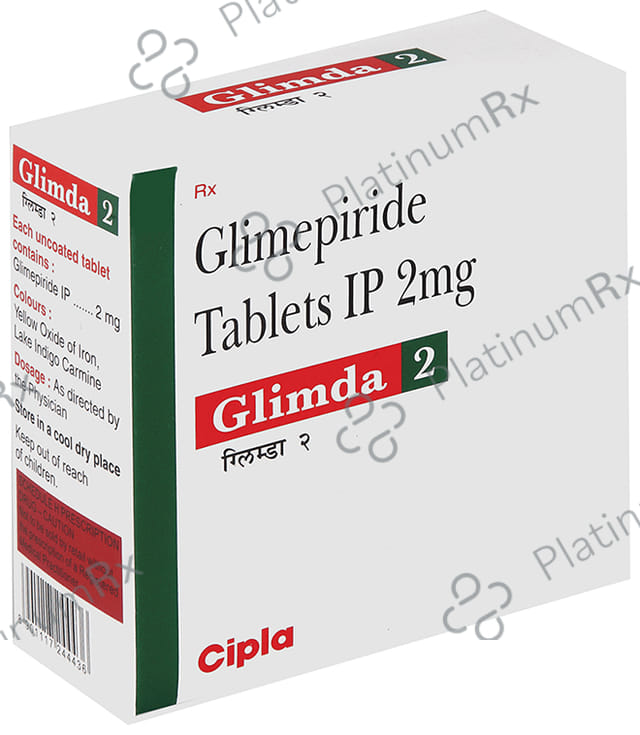











Types of Medicines Used for Type 2 Diabetes
- Biguanides (e.g., metformin) Usually the first medicine doctors consider for type 2 diabetes. It works mainly by reducing the amount of sugar the liver releases into the blood.
- Sulfonylureas These help the pancreas release more insulin. They're often used when metformin alone isn't enough to control blood sugar.
- DPP-4 inhibitors These help the body produce more of its own insulin after meals, with a relatively gentle side-effect profile.
- SGLT2 inhibitors These work in the kidneys, helping the body remove excess sugar through urine. They may also offer some heart and kidney benefits.
- Insulin Given as an injection when the body needs direct insulin support often in more advanced diabetes or when other medicines aren't enough on their own (Wikipedia).
- GLP-1 receptor agonists Usually given as injections, these slow digestion and help the body release insulin only when needed, and may also support weight management.
How Do Medicines for Type 2 Diabetes Work?
Medicines for type 2 diabetes work in different ways depending on their active ingredients. Some reduce the sugar your liver produces, some help your pancreas release more insulin, some help your body's cells respond better to insulin, and others help your kidneys flush out extra sugar. Because these medicines act at different points in the body, doctors sometimes combine two or more types for better blood sugar control.
How to Choose the Right Medicine for Type 2 Diabetes?
The right medicine depends on several personal factors, including:
- How high your blood sugar levels are
- How long you've had diabetes
- Your age and general health
- Other conditions you may have, like kidney or heart disease
- Other medicines you're currently taking
- Your doctor's assessment and prescription
- Your personal lifestyle and treatment goals
Dosage & How to Take Medicines for Type 2 Diabetes
Dosage varies widely between different diabetes medicines, so there's no single dose that fits everyone. Always follow what your doctor has prescribed. General points to keep in mind:
- Take your medicine at the same time(s) each day for consistency
- Some medicines need to be taken with food to reduce stomach upset or manage blood sugar around meals
- If you miss a dose, don't double up check your prescription label or ask your pharmacist/doctor what to do
- Never stop, increase, or decrease your dose on your own, even if you feel fine this can affect your blood sugar control
- Keep up with regular blood sugar checks and follow-up visits so your doctor can adjust your treatment if needed
Side Effects & Precautions
Common Side Effects
Depending on the medicine, you may experience stomach upset, nausea, low blood sugar (hypoglycemia), or mild weight changes. Some medicines can cause dizziness or a higher risk of urinary infections.
Precautions
- Inform your doctor about any known allergies before starting a new medicine
- Let your doctor know about kidney, liver, or heart conditions, as some diabetes medicines need dose adjustments
- Pregnant or breastfeeding women should only use diabetes medicines advised by their doctor
- Some diabetes medicines can interact with other drugs, including certain blood pressure or cholesterol medicines
- Older adults may be more sensitive to low blood sugar episodes and need closer monitoring
- Limit alcohol intake, as it can affect blood sugar control and interact with some diabetes medicines
Buy Medicine for Type 2 Diabetes Online from PlatinumRx
You can buy medicines for type 2 diabetes online from PlatinumRx. Browse medicines by their composition, compare available options and prices, and choose the medicine prescribed or recommended by your healthcare professional. PlatinumRx offers medicines from multiple brands and provides convenient online ordering and delivery.