Ketoford Cream: Uses, Composition, Side Effects & FAQs
Last Updated: November 3, 2026


Written by:
Syeda Jigni Mehraj, B pharmacy
Reviewed by:
Dr. Devika Rani, MBBSLast updated on:03-Nov-2026
Summary
Ketoford Cream is a skin cream for fungal infections such as ringworm, jock itch, athlete's foot and yeast infections of the skin. It contains ketoconazole 2%, an antifungal that stops the fungus on your skin from growing. It is a prescription-only medicine in India, so use it only when a doctor has prescribed it for you.
Key Takeaways
- What it is: A prescription antifungal cream for fungal skin infections.
- Active ingredients: Ketoconazole 2% w/w.
- Used for: Ringworm, jock itch, athlete's foot, tinea versicolor, skin yeast infections and seborrheic dermatitis.
- Not meant for: Dry skin, acne, bacterial rashes, or anyone allergic to it.
- Prescription: Needed in India. Use it only on a doctor's prescription.
- How to take: A thin layer on the rash and the skin around it, once a day.
- Common side effects: Burning, stinging, itching, redness and dryness; usually mild.
What Is Ketoford Cream?
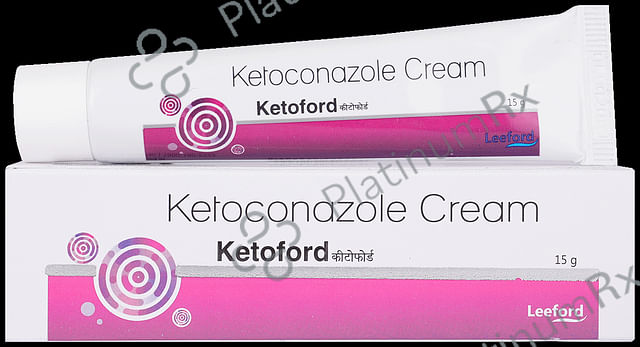
Ketoford Cream is an antifungal cream for the skin. It has one active ingredient, ketoconazole, and comes in 15 g and 25 g tubes. The name has no suffix, and this article is about the plain cream.
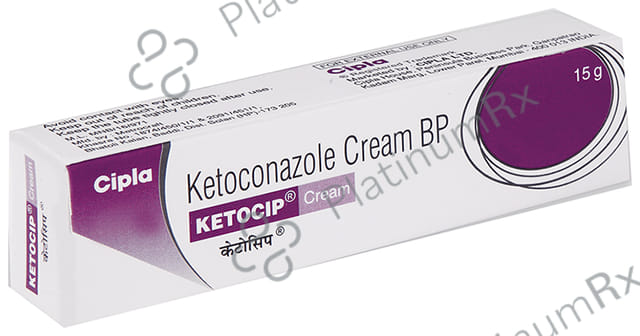
Buy Ketoford Cream and Its Substitute
Ketoford Cream Composition (Per Gram)
| Ingredient | Amount | Type | What it does (in simple words) |
|---|---|---|---|
| Ketoconazole | 2% w/w (20 mg per g) | Antifungal (imidazole) | Stops the fungus growing and weakens its outer membrane |
Check the label on your tube, because Ketoford Plus looks almost the same but is not the same cream. Plus also contains beclomethasone dipropionate 0.025%, a steroid, and neomycin 0.5%, an antibiotic. A steroid cream is not the right treatment for ordinary ringworm.
How Does Ketoford Cream Work?
Ketoford Cream works on the fungus itself, not on the itch. Ketoconazole blocks the step the fungus uses to build ergosterol, the fatty material that keeps its outer membrane firm. The membrane becomes leaky, the fungus cannot keep growing, and the infected skin clears over the following weeks.
Uses of Ketoford Cream
Doctors usually prescribe Ketoford Cream for:
- Ringworm of the body (tinea corporis), an itchy patch with a scaly, raised edge
- Jock itch (tinea cruris), a rash in the groin and inner thighs
- Athlete's foot (tinea pedis), cracked, itchy skin between the toes
- Tinea versicolor, pale or brown patches on the chest, back, neck or arms
- Yeast infection of the skin (candidiasis), often in the folds of the skin
- Seborrheic dermatitis, flaky, itchy skin, usually on the face
It does not treat eczema, psoriasis, acne or a rash caused by bacteria. Using an antifungal on those problems does not help, and it delays the treatment you actually need.
Ringworm vs Eczema: Is Ketoford Cream Right for You?
| Feature | Ringworm | Eczema |
|---|---|---|
| What it feels like | Itchy, sometimes very itchy | Dry and itchy, often for a long time |
| Sign or pattern | Round or oval patch with a scaly, raised edge and a clearer centre; slowly gets bigger | Dry, scaly, sometimes raw patches, often in skin creases |
| Is Ketoford Cream suitable? | Yes, if a doctor has confirmed fungus | No |
| What usually helps | An antifungal cream used for the full course | Moisturisers and a treatment your doctor chooses |
A steroid cream on ringworm feels soothing for a few days, but the fungus keeps growing underneath, and the rash often flares again once the steroid is stopped.
How to Take Ketoford Cream
- Wash the area with plain water and pat it dry.
- Squeeze out a thin layer, enough to cover the rash and about 2 cm of skin around it.
- Rub it in gently until it disappears.
- Wash your hands afterwards, unless your hands are the area being treated.
- Keep it away from your eyes and mouth. If it gets into your eyes, rinse with plenty of water.
- Use it at the same time each day and close the cap tightly.
Do not stop when the itching stops. The itch settles before the fungus is gone, so finish the course your doctor set.
Dosage of Ketoford Cream
Your doctor decides how much cream to use and for how long. For ketoconazole 2% cream in general, apply it once a day for most fungal infections of the skin.
Ringworm of the body or the groin usually needs two to four weeks, and Indian guidance is to keep going for about two more weeks after the skin looks clear. Athlete's foot needs the longest course: about six weeks, and longer if it keeps coming back. Seborrheic dermatitis is applied twice a day for four weeks, or until the skin clears. Ketoford's own pack does not print a course length, so follow the course your doctor sets.
Never increase the dose or apply the cream more often than you were told. More cream does not clear the fungus faster, but it does make burning, stinging and dryness more likely.
This cream has not been studied in children, so its safety and effectiveness at this age are not established. Use it on a child only if a doctor has prescribed it, and use the amount the doctor advises.
If someone swallows the cream, go to the nearest hospital emergency department straight away and carry the tube with you. For urgent help call 112, or 108 for an ambulance.
What If You Miss a Dose?
Apply the missed dose as soon as you remember. If your next dose is almost due, skip the missed one. Never apply a double layer to catch up.
How Long Does It Take to Work?
Most people notice the itching and redness easing within the first few days, and the rash keeps fading over the full course. If the rash is no better by the end of the course your doctor set, or it looks worse at any point, go back to your doctor.
Storage
Keep the tube closed at room temperature, away from heat, sunlight and damp, and do not freeze it. Keep it out of reach of children and do not use it after the expiry date printed on the tube.
Side Effects of Ketoford Cream
Most people use Ketoford Cream without any trouble. When side effects happen, they are usually mild and settle on their own.
Common and mild:
- Burning or stinging when you apply it
- Itching
- Redness
- Dry, flaky skin
- Mild irritation where you applied it
Rare but serious (stop the medicine and see a doctor right away):
- Swelling of the face, lips, tongue or throat, or trouble breathing
- Hives or a rash that spreads
- Blistering, weeping or open skin
- Spreading redness, warmth, pain or pus
- Severe burning that does not settle
The burning and stinging come from the cream itself. They are more likely if you use it more often than prescribed, or on cracked skin.
Who Should Not Take Ketoford Cream
- Anyone allergic to ketoconazole or to any ingredient in the cream
- Do not use it in your eyes or inside your mouth
Precautions
Tell your doctor before using Ketoford Cream if you:
- Are pregnant or planning to become pregnant
- Are breastfeeding
- Have asthma or a sulfite allergy (some ketoconazole creams contain sodium sulfite; check your tube)
- Have reacted to propylene glycol, cetyl alcohol or another cream ingredient before
- Have already used a steroid cream on the rash
- Have a large area of cracked or raw skin to treat
- Have a rash that has not been checked and may not be fungal
- Need to treat an infection inside the vagina; this cream is for the skin
Drug Interactions
Very little ketoconazole gets into your blood from the cream, so it rarely affects other medicines. What matters more is what else you put on the same skin.
| Medicine | What can happen |
|---|---|
| Steroid creams and steroid-antifungal combination creams | The steroid calms the itching while the fungus keeps growing, so the rash can spread |
| Other antifungal creams, powders or gels on the same patch | Using two at once does not clear it faster, and can sting |
| Strong soaps, scrubs, antiseptic liquids and hair-removal creams | They dry and sting the skin, making irritation more likely |
| Moisturisers, sunscreen and cosmetics | Usually fine, but apply them after the cream has dried |
| Antifungal tablets for the same infection | The cream does not replace tablets; tell your doctor you are using both |
Always tell your doctor about every medicine, supplement or home remedy you are using. Alcohol does not affect this cream, because almost none of it reaches your blood.
Frequently Asked Questions About Ketoford Cream
When to See a Doctor
Ringworm usually clears with the right cream, but see your doctor quickly if:
- The rash spreads fast, or becomes hot, very painful or weepy with pus
- You have a fever along with the rash
- Your skin blisters, or your face or lips swell
- There is no improvement after the full course
- The ringworm is on your scalp, beard area or nails
- The infection keeps coming back after treatment
The Bottom Line
Ketoford Cream is a plain ketoconazole antifungal cream for ringworm, jock itch, athlete's foot and other fungal skin infections. Burning and stinging are the usual complaints and are generally mild. A spreading, painful or blistering rash needs a doctor rather than another tube of cream.
References