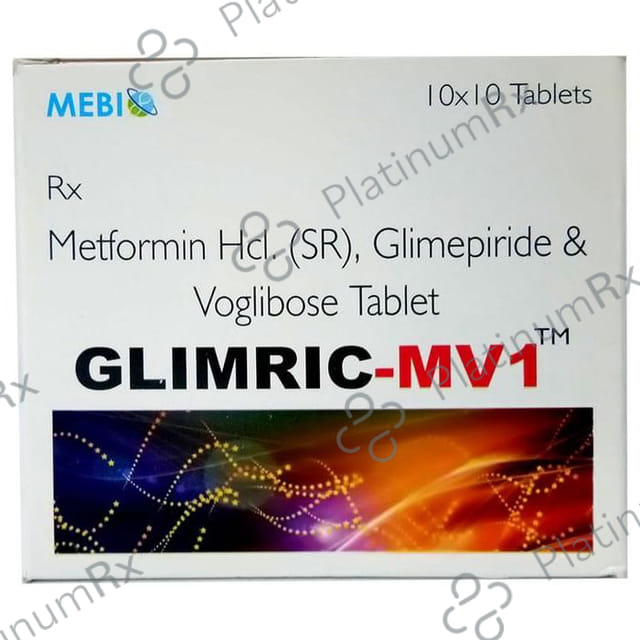
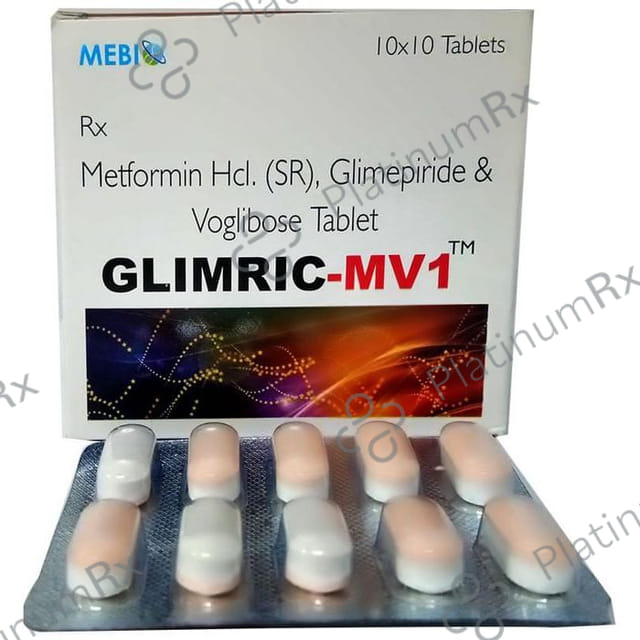
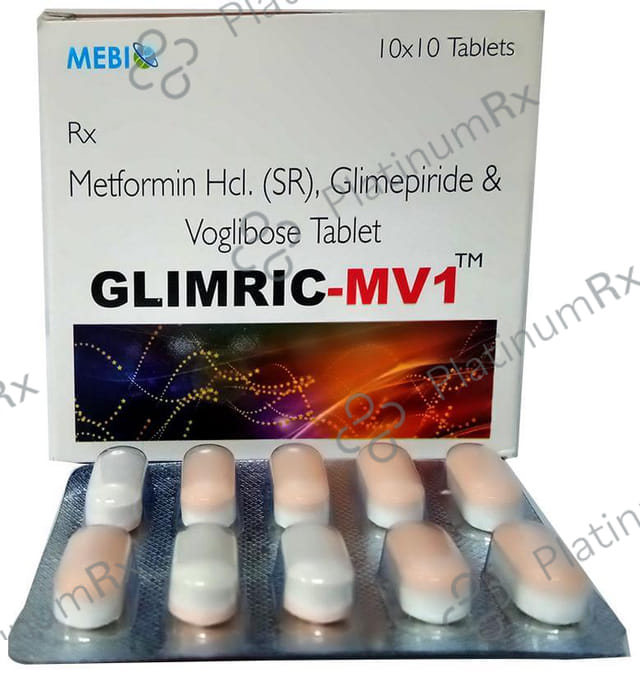
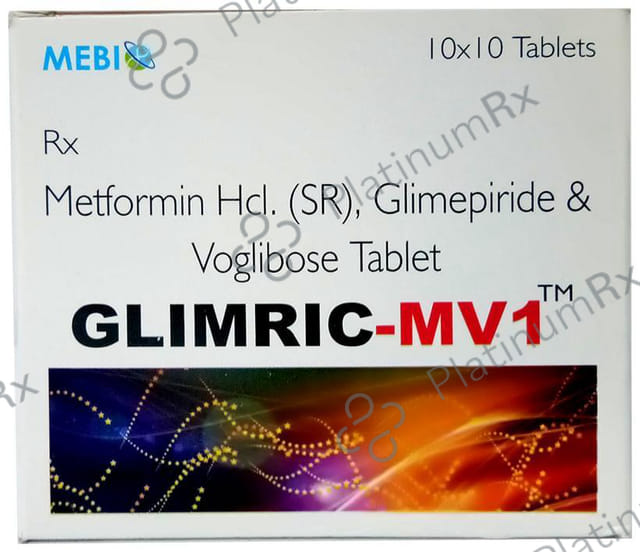
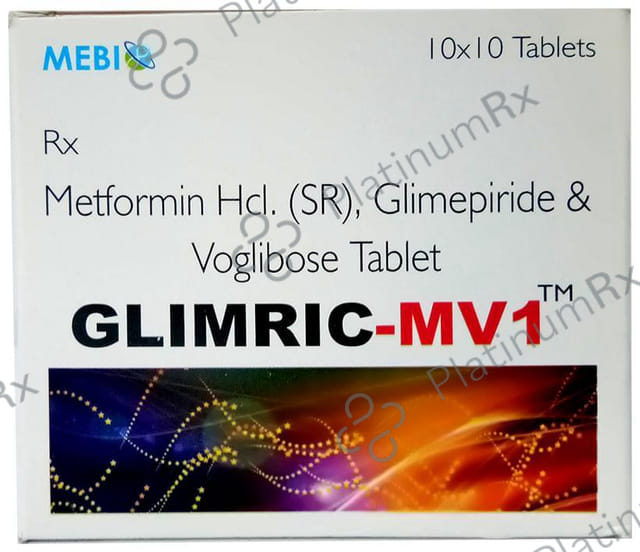
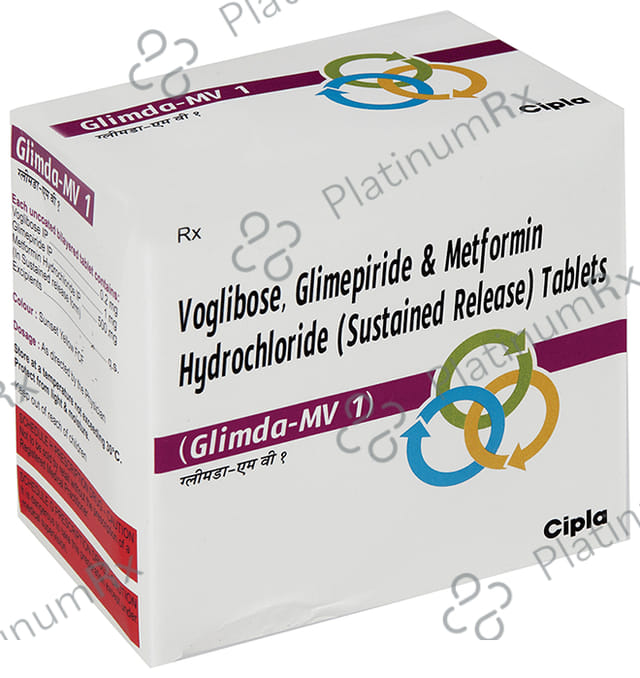
Glimric-MV1 Tablet SR

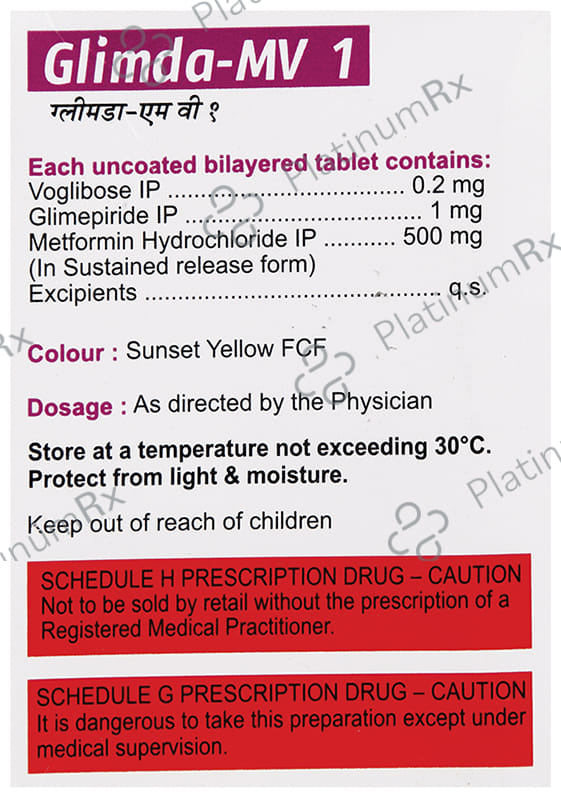
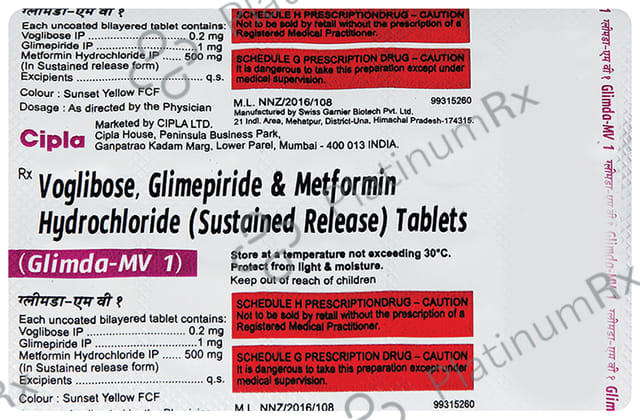
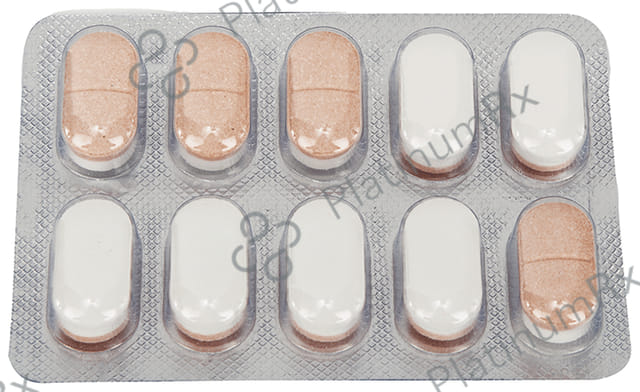
Glimric-MV1 Tablet SR contains Glimepiride, Metformin, and Voglibose, a triple oral anti-diabetic combination used for the management of type 2 diabetes mellitus when blood sugar control is not adequately achieved with single or dual therapy. Glimepiride stimulates insulin release from the pancreas, Metformin reduces hepatic glucose production and improves insulin sensitivity, while Voglibose delays carbohydrate absorption from the intestine to reduce post-meal glucose spikes. Together, these three medicines target blood sugar through complementary mechanisms and help improve overall glycaemic control. This combination is commonly prescribed as part of long-term diabetes management along with diet, exercise, and regular glucose monitoring.
Delivery by
...
FDA & GMP Certified
Long Expiry (>8 Months)
15 Days Easy Returns
Medicine Comparison
Have a question?

Genuine Medicine
Pay On Delivery
Secure Payment

LegitScript Certified Online Pharmacy


View content in
 English
Quick Summary
Glimric-MV1 Tablet SR contains Glimepiride, Metformin, and Voglibose, a triple oral anti-diabetic combination used for the management of type 2 diabetes mellitus when blood sugar control is not adequately achieved with single or dual therapy. Glimepiride stimulates insulin release from the pancreas, Metformin reduces hepatic glucose production and improves insulin sensitivity, while Voglibose delays carbohydrate absorption from the intestine to reduce post-meal glucose spikes. Together, these three medicines target blood sugar through complementary mechanisms and help improve overall glycaemic control. This combination is commonly prescribed as part of long-term diabetes management along with diet, exercise, and regular glucose monitoring.
Detailed Description
Glimric-MV1 Tablet SR combines three established anti-diabetic agents with distinct and complementary mechanisms of action designed to improve blood glucose control in patients with type 2 diabetes mellitus, particularly when multiple metabolic defects contribute to poor glycaemic control.
Glimepiride is a third-generation sulfonylurea that stimulates insulin secretion from functional pancreatic beta cells. It binds to sulfonylurea receptors on pancreatic beta-cell membranes, causing closure of ATP-sensitive potassium channels, membrane depolarisation, calcium influx, and insulin release. This action primarily helps lower fasting and postprandial blood glucose levels.
Metformin belongs to the biguanide class and is considered a first-line medicine in type 2 diabetes. It reduces hepatic gluconeogenesis, improves peripheral insulin sensitivity, and enhances glucose utilisation in muscle tissue. Unlike sulfonylureas, Metformin does not stimulate insulin secretion and therefore has a low independent risk of hypoglycaemia when used alone.
Voglibose is an alpha-glucosidase inhibitor that acts in the small intestine by inhibiting enzymes responsible for carbohydrate breakdown. This delays glucose absorption after meals and significantly reduces postprandial blood glucose excursions.
The combination is especially useful because it addresses three major contributors to hyperglycaemia: inadequate insulin secretion, insulin resistance, and excessive post-meal glucose absorption.
Glimric-MV1 Tablet SR is usually prescribed when lifestyle measures and simpler anti-diabetic regimens are insufficient for achieving glycaemic targets.
Uses of Glimric-MV1 Tablet SR
The uses of Glimric-MV1 Tablet SR are as follows:
Type 2 Diabetes Mellitus
Improves blood sugar control in adults with type 2 diabetes.
Postprandial Hyperglycaemia
Helps reduce blood glucose rise after meals.
Inadequate Control on Dual Therapy
Used when two anti-diabetic medicines do not provide sufficient control.
Insulin Resistance-Associated Hyperglycaemia
Improves insulin utilisation and glucose handling.
Long-Term Glycaemic Management
Supports sustained glucose control as part of diabetes care.
Benefits of Glimric-MV1 Tablet SR
Here are the benefits of Glimric-MV1 Tablet SR:
- Triple mechanism glucose control: Targets insulin secretion, insulin sensitivity, and carbohydrate absorption simultaneously.
- Improves fasting and post-meal sugar levels: Controls both fasting and postprandial glucose.
- Reduces glucose fluctuations: Helps maintain more stable daily blood sugar patterns.
- Convenient combination therapy: Reduces pill burden compared with separate medicines.
- Supports long-term diabetes management: Helps improve HbA1c when used regularly.
- Addresses multiple metabolic pathways: Useful in progressive type 2 diabetes requiring intensified therapy.
Side Effects of Glimric-MV1 Tablet SR
Like all medicines, Glimric-MV1 Tablet SR may cause side effects in some individuals, especially during treatment initiation or dose adjustment.
Common Side Effects
- Hypoglycaemia: Low blood sugar may occur, particularly if meals are delayed.
- Abdominal Discomfort: Mild abdominal fullness or discomfort may occur.
- Flatulence: Common due to delayed carbohydrate digestion by Voglibose.
- Nausea: Usually mild and often improves over time.
- Diarrhoea: Frequently associated with Metformin during early treatment.
Uncommon Side Effects
- Loss of Appetite: Temporary reduction in appetite may occur.
- Metallic Taste: Occasionally seen with Metformin.
- Mild Dizziness: Especially during glucose fluctuations.
Serious Side Effects (Require Immediate Medical Attention)
- Severe Hypoglycaemia: Sweating, confusion, tremor, or fainting requires urgent correction.
- Lactic Acidosis (Rare): Severe weakness, breathing difficulty, abdominal pain, or drowsiness needs urgent medical attention.
- Liver Dysfunction: Persistent nausea, jaundice, or unusual fatigue requires medical review.
Always consult your doctor if side effects persist or worsen.
Directions for Use
To ensure safe and effective use:
- Take exactly as prescribed.
- Usually taken with meals to reduce gastrointestinal discomfort.
- Swallow tablet whole with water.
- Do not skip meals while taking this medicine.
- Maintain regular meal timing.
- Monitor blood sugar regularly.
How it works
Glimric-MV1 Tablet SR works through three complementary anti-diabetic mechanisms.
Glimepiride stimulates pancreatic beta cells to release insulin by closing ATP-sensitive potassium channels, which increases insulin availability.
Metformin reduces hepatic glucose production, improves peripheral insulin sensitivity, and enhances glucose uptake by skeletal muscle.
Voglibose inhibits intestinal alpha-glucosidase enzymes, delaying carbohydrate digestion and reducing postprandial glucose absorption.
Together, these actions improve fasting glucose, post-meal glucose, and long-term glycaemic control.
Safety Advice for Glimric-MV1 Tablet SR

Alcohol
Caution
Alcohol increases risk of hypoglycaemia and lactic acidosis.

Pregnancy
Caution
Usually requires alternative diabetes management in pregnancy.

Breastfeeding
Caution
Medical supervision is necessary.

Driving
Caution
Hypoglycaemia may affect concentration and driving ability.

Liver
Caution
Dose adjustment or avoidance may be needed in severe impairment.

Kidney
Caution
Dose adjustment or avoidance may be needed in severe impairment.
Quick Tips for Glimric-MV1 Tablet SR
- Do not skip meals.
- Carry glucose source if prone to hypoglycaemia.
- Monitor HbA1c regularly.
- Maintain diabetic diet and exercise.
- Attend regular medical follow-up.
Storage Advice
- Store below 25°C
- Keep away from moisture
- Keep in original packaging
- Keep out of reach of children
Drug-Food Interaction
Glimric-MV1 Tablet SR is best taken with meals to improve tolerance and optimise glucose control. However:
- Take with regular meals: Taking the medicine with meals helps reduce stomach discomfort and improves the action of Voglibose on postprandial glucose absorption.
- Maintain consistent carbohydrate intake: Sudden large carbohydrate loads may cause significant glucose fluctuations despite treatment.
- Avoid excessive sugar-rich foods: High sugar intake may reduce overall glycaemic control and increase post-meal glucose spikes.
- Limit alcohol consumption: Alcohol increases the risk of hypoglycaemia and may also raise the risk of lactic acidosis associated with Metformin.
- Follow diabetic dietary advice: A balanced diet with controlled carbohydrate intake improves long-term treatment response.
Interactions with Other Drugs
Glimric-MV1 Tablet SR may interact with:
- Insulin and Other Anti-Diabetic Medicines: Combined use may increase the risk of hypoglycaemia and requires close glucose monitoring.
- Corticosteroids: Steroids may raise blood glucose levels and reduce anti-diabetic effectiveness.
- Diuretics: Certain diuretics may worsen blood sugar control or affect electrolyte balance.
- Beta-Blockers: May mask warning signs of hypoglycaemia such as palpitations and tremor.
- ACE Inhibitors: In some patients, these may enhance glucose-lowering effects and increase hypoglycaemia risk.
- Fluoroquinolone Antibiotics: Certain antibiotics may cause unpredictable blood glucose fluctuations.
- Thyroid Medicines: Changes in thyroid status may alter glucose control and medicine requirements.
- Alcohol-Containing Preparations: May increase metabolic risk, particularly with Metformin.
Drug-Disease Interactions
Glimric-MV1 Tablet SR should be used carefully in:
- Kidney Impairment: Metformin may accumulate in reduced renal function and increase the risk of lactic acidosis.
- Liver Disease: Impaired liver function may alter glucose metabolism and increase treatment-related risks.
- Hypoglycaemia-Prone States: Irregular meals, malnutrition, or prolonged fasting increase the risk of low blood sugar because of Glimepiride.
- Severe Infection or Acute Illness: Blood sugar control may become unstable and treatment adjustment may be required.
- Gastrointestinal Disorders: Voglibose may worsen abdominal bloating or intestinal discomfort in susceptible individuals.
- Alcohol Dependence: Chronic alcohol use increases the risk of hypoglycaemia and metabolic complications.
- Endocrine Disorders: Hormonal disorders affecting glucose balance may alter treatment response.
Daily Dose
The dose depends on blood glucose levels, HbA1c, and clinical response. It should be taken exactly as prescribed by your doctor.
What If You Forget to take Glimric-MV1 Tablet SR?
If you miss a dose, take it with the next meal if remembered soon. Do not double the dose.
FAQ
Fact Box
Therapeutic Class
Anti-Diabetic
Action Class
Oral Anti-Diabetic Combination
Chemical Class
Sulfonylurea + Biguanide + Alpha-Glucosidase Inhibitor
Habit Forming
No
Disclaimer
PlatinumRx is committed to providing reliable and accurate information to support informed customer decisions. However, all information made available on the Platform, including product descriptions, comparisons, and other content, is provided solely for general informational purposes. Such information is not intended to diagnose, prevent, treat, or cure any medical condition, nor should it be relied upon as a substitute for professional medical advice, diagnosis, or treatment.

Customers also bought
More Medicines By Manufacturer
More Medicines With Salt
Top Selling Medicines
Top Selling Devices