
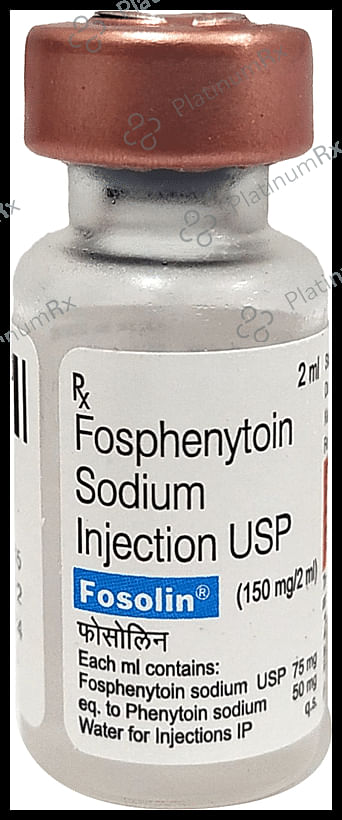
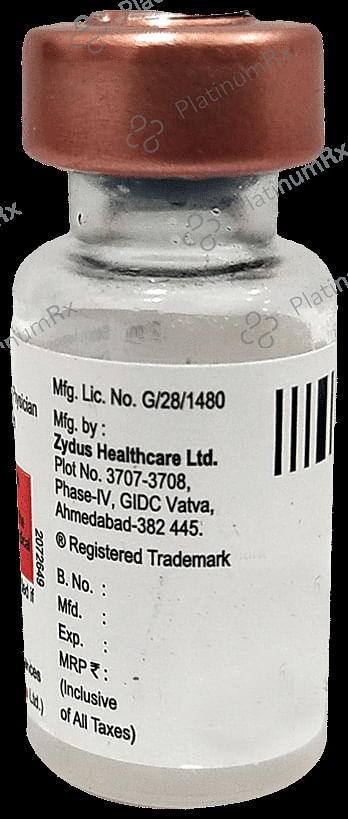
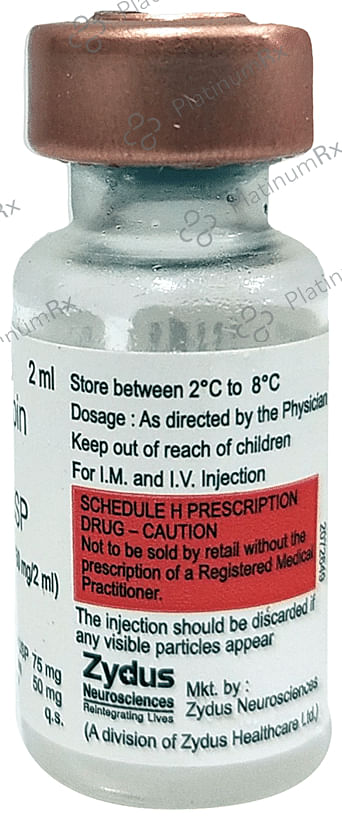

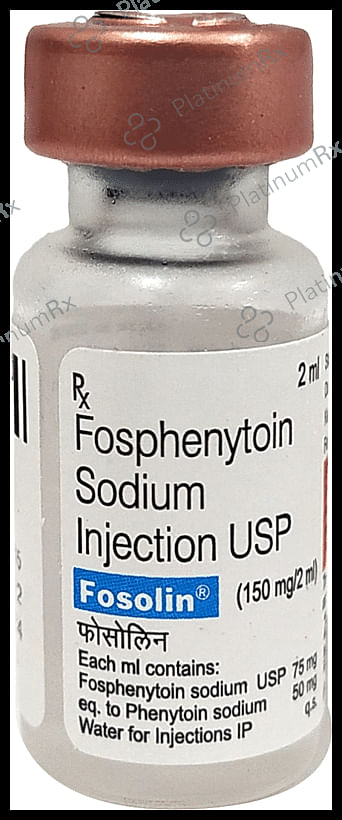










Neofost 150mg Injection 2ml
Neon Laboratories Ltd.
Vial of 2 ml
₹63.80
₹77.80
18% Off
Fosphen 150mg Injection contains Phenytoin, which belongs to a class of medicines known as antiepileptic (anti‑seizure) drugs. It is primarily used to control certain types of seizures, especially focal (partial) seizures and generalised tonic‑clonic (grand mal) seizures. By stabilising the electrical activity in the brain, Fosphen 150mg Injection helps reduce the frequency and severity of seizures, making daily life safer and more predictable. It may also be used to prevent seizures during or after brain surgery in selected patients.
Delivery by
...
FDA & GMP Certified
Long Expiry (>8 Months)
Have a question?

Genuine Medicine
Pay On Delivery
Secure Payment

LegitScript Certified Online Pharmacy
View content in
 English
Fosphen 150mg Injection contains Phenytoin, which belongs to a class of medicines known as antiepileptic (anti‑seizure) drugs. It is primarily used to control certain types of seizures, especially focal (partial) seizures and generalised tonic‑clonic (grand mal) seizures. By stabilising the electrical activity in the brain, Fosphen 150mg Injection helps reduce the frequency and severity of seizures, making daily life safer and more predictable. It may also be used to prevent seizures during or after brain surgery in selected patients.
Fosphen 150mg Injection contains Phenytoin, an antiepileptic medicine used to manage epilepsy by preventing abnormal electrical discharges in the brain. It is especially effective for focal seizures and generalised tonic‑clonic seizures and is sometimes used short‑term after head injury or brain surgery to prevent further seizures. By stabilising nerve membranes and reducing repeated firing of neurons, Phenytoin helps stop seizure activity from spreading.
Phenytoin works inside nerve cells by controlling the flow of sodium ions, which are crucial for electrical signals in the brain. This action quiets overactive areas and maintains a more stable electrical state, lowering seizure risk.
The full benefit of Fosphen 150mg Injection often appears over several days to weeks as blood levels reach a steady state. It is mainly processed in the liver, and dose adjustments and blood‑level checks are often needed. When taken as prescribed and monitored regularly, Fosphen 150mg Injection is an effective option for long‑term seizure control.
Long‑term control of focal (partial) seizures and generalised tonic‑clonic (grand mal) seizures.
Prevention or short‑term treatment of seizures after head injury or brain surgery, as directed by a neurologist.
Sometimes used after initial emergency drugs to help prevent further seizures.
While Fosphen 150mg Injection is generally effective, some patients may experience side effects, especially with high blood levels or long‑term use.
Fosphen 150mg Injection should be taken exactly as prescribed by your doctor, usually once or twice daily at the same times each day to keep a consistent level in your blood. You can take it with or without food, but remain consistent (always with food or always without) to avoid fluctuations in absorption. Swallow the medicine whole with a glass of water. Do not stop taking Fosphen 150mg Injection suddenly, as this can trigger seizures; if a change is needed, your doctor will reduce the dose gradually.
The mechanism of Fosphen 150mg Injection involves stabilising overactive nerve cells in the brain by blocking voltage‑gated sodium channels in neurons. This reduces repeated firing and helps prevent seizure activity from starting and spreading through the brain.

Alcohol can increase drowsiness and affect seizure control; avoid heavy drinking while you are on Fosphen 150mg Injection.

Phenytoin can harm the unborn baby and may cause birth defects; avoid use unless your doctor clearly feels the benefits outweigh the risks.

Small amounts of Phenytoin may pass into breast milk; your doctor will decide if breastfeeding is safe or if an alternative plan is needed.

This medicine may cause dizziness, drowsiness, or unsteady walking; avoid driving or operating machinery if you feel unsteady or sleepy.

A lower dose or more frequent monitoring may be needed if you have liver disease, as Phenytoin is processed mainly in the liver.

Kidney problems are less common, but your doctor may monitor you if you have kidney disease, especially with long‑term use.
Monitor Your Seizures and Side Effects: Keep a simple diary of your seizure frequency, any unusual symptoms, gum changes, dizziness, or rash, and show it to your doctor at each visit. If seizures become more frequent or severe, or if you notice serious side effects, contact your neurologist immediately.
Know Your Blood Level: Phenytoin needs careful dose adjustment, so your doctor may order periodic blood tests to check your Phenytoin level and ensure it is in the safe, effective range. Do not change your dose on your own, as too high a level can cause dizziness, confusion, or tremor, while too low a level may allow seizures to return.
Routine and Consistency: Take Fosphen 150mg Injection every day at the same time, with or without food, but always in the same way, to avoid large swings in blood levels. Avoid skipping doses or stopping suddenly, as this can trigger breakthrough seizures.
Oral and Overall Health: Maintain good dental hygiene and regular dental check‑ups, because one of Phenytoin’s side effects is gum swelling or overgrowth. Eat a balanced diet and avoid activities that risk falls or injury if you feel unsteady or drowsy.
Report Serious Signs Promptly: Stop Fosphen 150mg Injection and seek urgent medical help if you notice severe skin rash with blistering or peeling, jaundice, dark urine, persistent nausea, unusual bleeding or bruising, or major mood changes, including suicidal thoughts.
If you miss a dose, take it as soon as you remember. However, if it is almost time for your next dose, skip the missed one and continue your regular schedule. Never take two doses at the same time, as this can raise Phenytoin levels too high and increase side effects like dizziness, unsteadiness, or confusion. If you frequently miss doses, speak with your doctor to adjust your regimen or help you remember.
Therapeutic Class
Antiepileptic (Anti‑seizure Medication)
Action Class
Sodium‑Channel Blocking Anticonvulsant
Chemical Class
Hydantoin Antiepileptic
Habit Forming
No
PlatinumRx is committed to providing reliable and accurate information to support informed customer decisions. However, all information made available on the Platform, including product descriptions, comparisons, and other content, is provided solely for general informational purposes. Such information is not intended to diagnose, prevent, treat, or cure any medical condition, nor should it be relied upon as a substitute for professional medical advice, diagnosis, or treatment.

More Medicines By Intas Pharmaceuticals Ltd.
More Medicines With Fosphenytoin 150mg
Top Selling Medicines
Top Selling Devices
Top Selling Health Products