100% Same
Salt CompositionMedicine UsageStrength
 34%
34%with Substitute Medicine
 Salt Composition in both
Our Suggestion





WHO GMP
Certified

15 Days Easy
Returns

Long Expiry
(>8 Months)

WHO GMP
Certified

15 Days Easy
Returns

Long Expiry
(>8 Months)

Delivery by
Uses of Exapol 40mg Injection 1s

Customers also bought

More About Exapol 40mg Injection 1s
Quick Summary
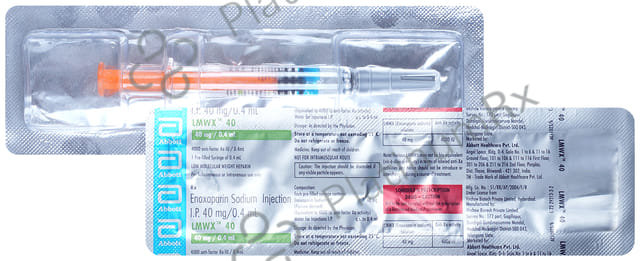
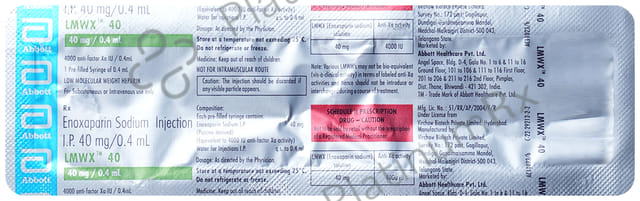
Exapol 40mg Injection 1s (Enoxaparin) is an injectable anticoagulant belonging to the class of Low Molecular Weight Heparins (LMWHs). It is synthetically derived from unfractionated heparin and is primarily used to prevent and treat thromboembolic events (blood clots) throughout the body. Enoxaparin exerts its anticoagulant effect mainly by potentiating the inhibitory activity of antithrombin on activated Factor Xa. This action effectively interrupts the clotting cascade, preventing the formation of new fibrin clots and the extension of existing ones. The 40mg dosage, typically administered subcutaneously once daily, is one of the standard prophylactic (preventive) doses used to guard against Deep Vein Thrombosis (DVT) and subsequent Pulmonary Embolism (PE) in patients at high risk, such as those undergoing major orthopaedic or abdominal surgery, or those with severe restricted mobility due to acute illness.
Detailed Description
Exapol 40mg Injection 1s is a critical medication in modern thromboprophylaxis and treatment. Compared with unfractionated heparin (UFH), LMWHs such as Enoxaparin offer several significant clinical and pharmacokinetic advantages: longer plasma half-life, more predictable dose-response, and a lower risk of Heparin-Induced Thrombocytopenia (HIT).
Enoxaparin's action is mediated through its high affinity for the plasma protein Antithrombin (AT). When Enoxaparin binds to AT, it dramatically accelerates AT's ability to inactivate certain key clotting factors.
- Primary Target: Factor Xa: Due to its short chain length, Enoxaparin predominantly catalyses the inhibition of activated Factor X (Factor Xa). Factor Xa is crucial in converting prothrombin to thrombin (Factor IIa), the final enzyme required for fibrin clot formation. By inhibiting Factor Xa, Enoxaparin effectively suppresses the explosive generation of thrombin.
- Thrombin (Factor IIa) Inhibition: Unlike UFH, LMWHs only weakly inhibit thrombin itself. This is a key feature; the high ratio of anti-Factor Xa activity to anti-Factor IIa activity gives Enoxaparin its predictable response and reduced bleeding risk compared to UFH.
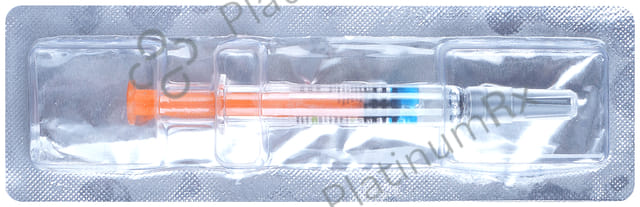
The 40mg pre-filled syringe (or equivalent volume, often 0.4 mL) is the widely accepted standard prophylactic dose for moderate-to-high-risk patients, including those immobilised by acute medical illness or undergoing high-risk general surgery. This dose is typically given subcutaneously once daily.
For patients with established DVT or PE, a higher, therapeutic dose (e.g., 1 mg/kg every 12 hours or 1.5 mg/kg every 24 hours) is required, highlighting the distinction between the preventive and therapeutic applications of the drug. The predictable pharmacokinetics of Enoxaparin mean that routine monitoring via activated partial thromboplastin time (aPTT), which is necessary for UFH, is generally not required. Monitoring of anti-Factor Xa levels is reserved for specific patient groups (e.g., morbidly obese, severe renal impairment, pregnant patients).
Uses of Exapol 40mg Injection 1s
Exapol 40mg Injection 1s (Enoxaparin 40mg) is primarily indicated for the following prophylactic applications:
Prevention of Deep Vein Thrombosis (DVT) and Pulmonary Embolism (PE):
- In patients undergoing major orthopaedic surgery (e.g., hip or knee replacement).
- In patients undergoing abdominal surgery.
- In non-surgical patients with acute medical illnesses who are at high risk due to severely restricted mobility (e.g., acute heart failure, severe respiratory infection).
Prevention of Clot Formation in Extracorporeal Circulation:
- Used to prevent clotting in the tubing during hemodialysis for patients with acute renal failure.
Management of Unstable Angina and Non-ST-Segment Elevation Myocardial Infarction (NSTEMI):
- Used in conjunction with aspirin to prevent progression to a full heart attack.
Benefits of Exapol 40mg Injection 1s
Enoxaparin provides significant advantages in anticoagulation therapy compared to unfractionated heparin (UFH).
The most crucial benefit is High Efficacy and Predictable Response. Enoxaparin provides superior and more consistent inhibition of Factor Xa than UFH, allowing for a predictable anticoagulant effect that does not require routine laboratory monitoring (e.g., aPTT), simplifying patient management.
Its Convenience and Improved Bioavailability are significant benefits. It has a longer half-life than UFH, allowing for once- or twice-daily subcutaneous injection. It is available in pre-filled syringes for self-administration, enabling early hospital discharge and continued prophylaxis at home.
Enoxaparin carries a Lower Risk of Heparin-Induced Thrombocytopenia (HIT) than UFH, a potentially devastating, immune-mediated complication characterised by severe platelet count drop and paradoxical thrombosis.
The drug provides Prophylaxis in High-Risk Settings. The 40mg dose is an essential, proven tool for preventing life-threatening DVT and PE in major surgical and acutely ill, immobilised medical patients.
Side Effects of Exapol 40mg Injection 1s
As an anticoagulant, the primary side effect risk is bleeding, but other reactions are possible.
Common Side Effects (Localised and mild):
- Bleeding/Haemorrhage: The most frequent side effect, ranging from minor bruising to major haemorrhage.
- Injection Site Reactions: Pain, bruising (hematoma), redness, or irritation at the injection site.
- Elevated Liver Enzymes (AST/ALT): Usually transient and clinically insignificant.
- Thrombocytopenia (Platelet Drop): Can occur, though severe HIT is rare.
Serious Side Effects (Stop use and seek urgent medical attention if you experience):
- Major Haemorrhage: Unexplained bruising, prolonged bleeding from cuts, nosebleeds, blood in urine or stool, or coughing up blood. This is a medical emergency.
- Heparin-Induced Thrombocytopenia (HIT): A sudden, significant drop in platelet count (e.g., >50% reduction from baseline), often leading to new or worsening clotting events (paradoxical thrombosis).
- Spinal or Epidural Hematoma: An extremely rare but serious risk when used concurrently with spinal/epidural anaesthesia or lumbar puncture. Symptoms include severe back pain, numbness, muscle weakness, and bowel/bladder dysfunction. This constitutes a neurosurgical emergency.
- Severe Allergic Reaction: Rash, hives, swelling, or difficulty breathing.
Directions for Use
- Dosing Schedule: The prophylactic dose is typically one pre-filled syringe (40mg/0.4 mL) once daily. Treatment doses are higher and often given twice daily.
- Administration Route: Administer by deep subcutaneous (SC) injection only. It must NOT be administered intramuscularly (IM) or intravenously (IV) unless specifically for dialysis or specific acute coronary syndromes.
- Injection Site: The preferred site is the abdominal wall, alternating between the left and right sides. Inject at least two inches away from the navel, and do not inject into skin folds, scars, or areas of bruising.
- Injection Technique: Pinch a fold of skin between the thumb and forefinger, insert the entire needle length perpendicularly (90-degree angle), inject the entire contents, and remove the needle. Do not rub the injection site after the injection, as this can increase bruising.
- Air Bubble: The syringe typically contains a small air bubble; this bubble is deliberate and should not be expelled before injection, as it helps clear the drug from the needle.
How it Works
Exapol 40mg Injection 1s is a highly effective antithrombotic agent operating primarily through a single pathway involving antithrombin.
- Binding to Antithrombin (AT): Enoxaparin, which contains a high-affinity pentasaccharide sequence, binds strongly to Antithrombin (AT), a key plasma protein responsible for neutralising clotting factors.
- Factor Xa Inhibition: The binding of Enoxaparin to AT induces a conformational change in AT, enhancing its inhibitory power against the activated Factor X (Factor Xa) by several thousandfold. Factor Xa is a critical enzyme that catalyses the conversion of prothrombin to thrombin.
- Suppression of Clotting: By potently and selectively inhibiting Factor Xa, Enoxaparin effectively blocks the central amplification loop of the coagulation cascade, thereby inhibiting thrombin generation and preventing fibrin clot formation and growth.
- Minimal Thrombin Inhibition: Because of its shorter chain length, Enoxaparin cannot simultaneously bridge AT and thrombin, resulting in only weak inhibition of thrombin (Factor IIa). This selective action accounts for its lower overall bleeding risk compared to UFH.
Safety Advice for Exapol 40mg Injection 1s

PREGNANCY
CAUTION
Considered the LMWH of choice in pregnancy due to high Factor Xa specificity and inability to cross the placenta. Use under strict monitoring.

BREASTFEEDING
CAUTION
Generally considered safe as LMWHs are not excreted into breast milk in significant amounts.
SPINAL ANESTHESIA
BLACK BOX WARNING
Use is hazardous if a patient undergoes spinal/epidural anaesthesia or lumbar puncture, due to the high risk of Spinal or Epidural Hematoma, which can cause permanent paralysis.
RENAL IMPAIRMENT
SEVERE CAUTION
Clearance is significantly reduced in severe renal impairment (CrCl < 30 mL/min). Accumulation and increased bleeding risk necessitate dosage reduction (e.g., 30mg daily) and anti-Factor Xa monitoring.
BLEEDING
WARNING
Stop all other agents that increase bleeding risk (e.g., NSAIDs, antiplatelet drugs) unless specifically directed by a doctor.
INJECTION
SC ONLY
Administer only subcutaneously. Do not inject intramuscularly, as this causes severe tissue irritation and pain.
Quick Tips for Exapol 40mg Injection 1s
- Injection Technique is Key: Administer the injection deep under the skin, usually into the "love handle" area of the abdomen. Do not rub the site after injection, as this can increase bruising.
- Check for Bleeding: Always be vigilant for signs of unusual bleeding, such as frequent nosebleeds, gum bleeding, dark/bloody urine, or dark or bloody stools. Report these immediately.
- Tell ALL Providers: Inform your dentist, surgeon, and all healthcare providers that you are taking this blood thinner, as it may need to be stopped before procedures.
- Do NOT Expel Air Bubble: The small air bubble in the syringe is there on purpose to ensure full delivery of the dose and create an "air lock." Inject the entire contents, air bubble and all.
- Monitor Platelets: If you are on prolonged therapy (over 5 days), your doctor may check your platelet count occasionally to screen for the rare risk of HIT.
Storage Advice
- Temperature: Store Exapol 40mg Injection 1s pre-filled syringes at controlled room temperature, typically between 20 °C and 25 °C. Do not freeze.
- Protection: Keep the syringes in their original container, protected from light and moisture.
- Safety: Always store securely, out of the reach and sight of children and pets.
- Disposal: Dispose of used needles and syringes in a dedicated sharps container immediately after use. Do not throw used syringes in household trash.
Drug-Food Interaction
- Food Intake: NONE. As an injectable drug, there are no known interactions with food or meals.
- Alcohol: CAUTION. While there is no direct pharmacological interaction, excessive alcohol use may impair liver function and increase the general risk of bleeding.
Interactions with Other Drugs
The most significant interactions occur with other agents that affect hemostasis (clotting) or the risk of bleeding.
- Antiplatelet Agents (e.g., Aspirin, Clopidogrel): SEVERE CAUTION. Concurrent use significantly increases the risk of haemorrhage. The need for dual therapy must be carefully weighed against the risk of bleeding.
- Nonsteroidal Anti-inflammatory Drugs (NSAIDs) (e.g., Ibuprofen, Naproxen): SEVERE CAUTION. NSAIDs inhibit platelet function and can cause GI irritation/bleeding, dramatically increasing the overall bleeding risk when combined with Enoxaparin.
- Oral Anticoagulants (e.g., Warfarin, Rivaroxaban): CAUTION. Enoxaparin is often used as a bridge therapy while initiating Warfarin. When used together, close monitoring of INR and bleeding signs is crucial.
- Dextran: Concurrent use should be avoided due to enhanced anticoagulant effects.
- Thrombolytics: Concurrent use significantly increases the risk of significant, life-threatening haemorrhage.
Drug-Disease Interactions
- Active Major Bleeding: CONTRAINDICATED. Must not be used in patients with active, uncontrolled major haemorrhage.
- Severe Renal Impairment (CrCl < 30 mL/min): CONTRAINDICATED or requires dose reduction. The drug can accumulate rapidly, leading to toxicity and bleeding.
- History of Heparin-Induced Thrombocytopenia (HIT): CONTRAINDICATED. Patients with a history of HIT with UFH should not receive Enoxaparin due to the risk of cross-reactivity.
- Recent Major Surgery (Eye, Brain, Spinal Cord): CONTRAINDICATED immediately post-op due to high risk of bleeding in critical areas.
Daily Dose
The standard dose of Enoxaparin, 40mg (0.4 mL) once daily, is the established prophylactic dose for preventing DVT and PE in moderate-to-high-risk surgical and medical patients. This dose should be administered subcutaneously at a consistent time each day. Therapeutic doses for established clots are weight-based (e.g., 1 mg/kg every 12 hours) and are significantly higher than those for acute clots.
Overdose
The main complication of an overdose of Enoxaparin is haemorrhage (major bleeding). Since Enoxaparin has a low risk of spontaneous bleeding at therapeutic levels, an overdose is a significant concern.
In cases of life-threatening bleeding due to overdose, the effect of Enoxaparin can be partially neutralised by the antidote, Protamine Sulfate. Protamine binds to LMWH, but it does not fully reverse the anti-Factor Xa activity as it does with UFH. The dose of Protamine Sulfate is calculated based on the dose of Enoxaparin administered and the time elapsed since injection. An overdose requires immediate medical intervention and hospitalisation.
What If You Forget to take Exapol 40mg Injection 1s?
Timeliness is essential for prophylactic agents to maintain consistent protection against clots.
- Missed Dose: If you miss your scheduled subcutaneous injection, take it as soon as you remember.
- Near Next Dose: If it is almost time for your next scheduled dose, skip the missed dose and resume your regular dosing schedule.
- Do Not Double Dose: Never take two doses (e.g., inject 80mg) to compensate for a forgotten one, as this significantly and dangerously increases the risk of significant bleeding.
- Contact your healthcare provider immediately if you are unsure when to take your next dose.
References
Fact Box
Therapeutic Class
Anticoagulant, Antithrombotic
Action Class
Potentiation of Antithrombin leading to selective Factor Xa Inhibition
Chemical Class
Low Molecular Weight Heparin (LMWH)
Habit Forming
Not addictive or habit-forming.


Disclaimer
PlatinumRx is committed to providing reliable and accurate information to support informed customer decisions. However, all information made available on the Platform, including product descriptions, comparisons, and other content, is provided solely for general informational purposes. Such information is not intended to diagnose, prevent, treat, or cure any medical condition, nor should it be relied upon as a substitute for professional medical advice, diagnosis, or treatment.
More Medicines By Manufacturer
More Medicines With Salt
Top Selling Medicines
Top Selling Devices
Flat ₹100 off on first app order | Use Code: APP100 |
Flat ₹100 off on first app order
USE CODE: APP100

Download Now


