HbA1c Test Explained: Normal Range, Results & What They Mean
Last Updated: September 10, 2026

Written by:
Mohammed Tasir Khan, D Pharmacy
Reviewed by:
Dr. Jay Faldu, MBBSLast updated on:10-Sept-2026
Did you ever hear your doctor mention the HbA1c test, but you’re not sure what it means? You’re not alone in this! This simple blood test gives a bigger picture of your blood sugar levels over the past few months, and it’s one of the key tools used to detect or manage diabetes.
Read through to understand your HbA1c test, explore what’s considered the HbA1c normal range, and learn what different results could mean for your health.
What Is the HbA1c Test?
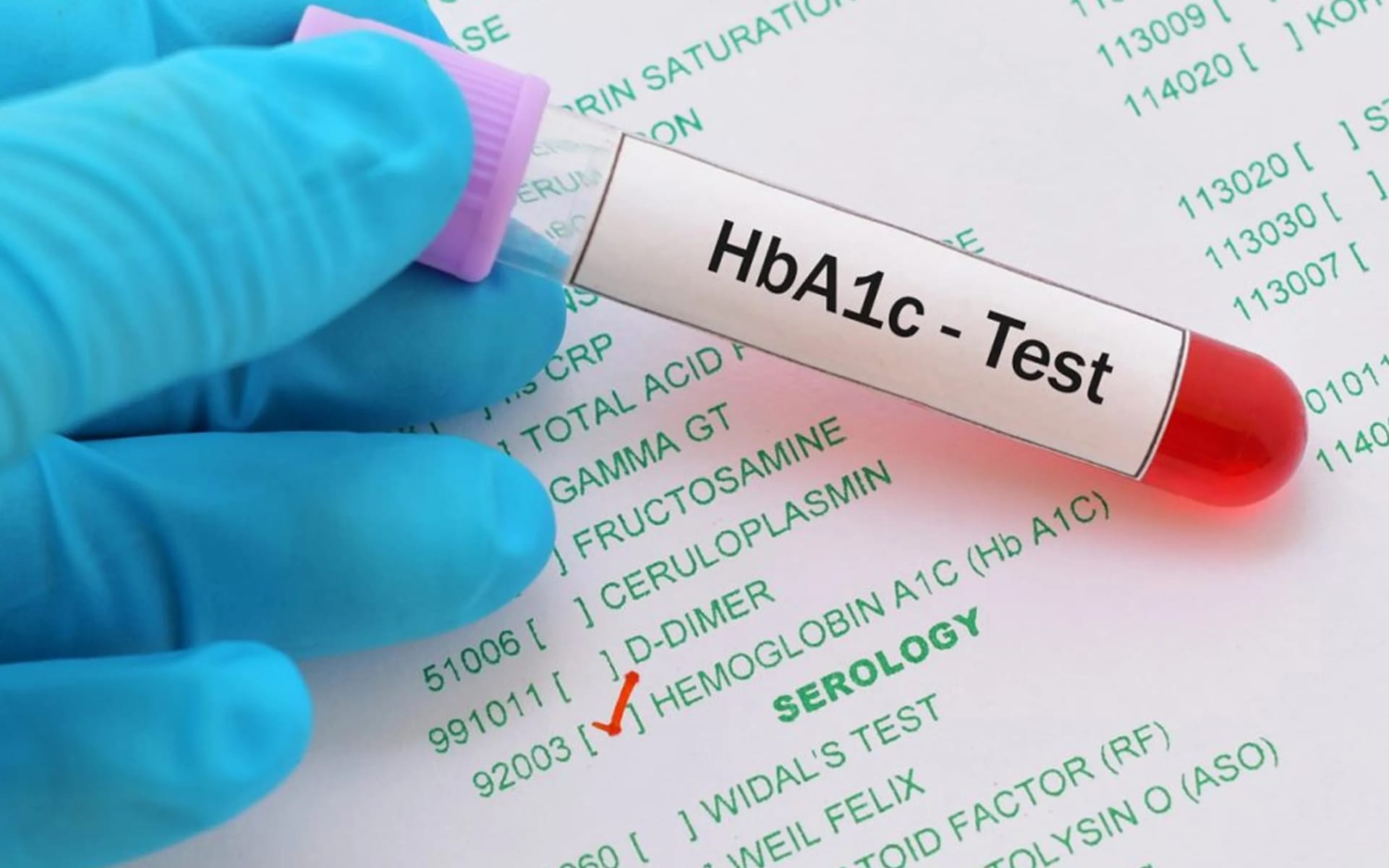
HbA1c test measures your average blood sugar over the past 2–3 months. It shows how much glucose has attached to your red blood cells, helping doctors assess long-term diabetes, not just daily spikes. It’s a key part of effective diabetes care and tracking progress.
The HbA1c test measures glycated haemoglobin; higher blood sugar means more glucose attaching to red blood cells over time.
As blood sugar rises, more glucose sticks to haemoglobin and is what the HbA1c test tracks.
The test provides a long-term assessment of blood glucose levels, as red blood cells have a lifespan of several months. An added advantage is that fasting is not required for this test.
Knowing where you stand in the HbA1c normal range is super helpful, whether you’re just checking in or actively managing your diabetes.
HbA1c Test Normal Range
Here’s a simple breakdown of the HbA1c normal range and what each level typically means:
- Below 5.7% is considered a normal HbA1c level
- 5.7% to 6.4% falls in the prediabetes range
- 6.5% or higher usually means diabetes
If you’ve already been diagnosed, your doctor might set a personal target for you. For good glucose control, most individuals with diabetes work to stay under the 7% HbA1c mark. However, this can vary depending on your age and other health conditions that you may already have.
How to Read the HbA1c Results
Here’s how you can read HbA1c Results in easy terms:
- If your number is around 6.2%, it could be a sign that you’re in the prediabetes zone. It means that blood sugar levels are elevated, and early lifestyle changes may help prevent progression to Type 2 diabetes.
- A result of 6.5% or higher usually means diabetes, and even just above that line can increase your risk for long-term complications if not managed well. If your HbA1c levels stay high for a long period, your doctor may adjust your medications or care plan to better manage your blood sugar.
Why Is the HbA1c Test Important?
If you’re trying to keep your blood sugar levels in check, the HbA1c test is one of the most useful tools. It doesn’t just offer a one-day snapshot. It gives a much bigger picture of how your blood sugar has been doing over the past few months. That’s why it’s so helpful for spotting prediabetes or confirming a diabetes diagnosis.
In case you’re already diagnosed with diabetes, this test helps track how well your treatment is working, without stressing over every single daily reading.
Staying within the HbA1c normal range can lower your risk of long-term complications like nerve pain, vision problems and kidney issues.
What Affects Your HbA1c Levels?
While the HbA1c normal range is a great guide, it’s not always a one-size-fits-all deal.
- Diet, workouts and emotional stress are the typical things that affect blood sugar. But there are other factors too.
- Conditions like anaemia, chronic kidney disease, or certain genetic haemoglobin traits can sometimes make your results appear higher or lower than they really are.
- If you’re pregnant, your doctor might skip the HbA1c and go for a different test (like fructosamine) that gives more accurate short-term results.
How Often Should You Get Tested?
Of course, everyone’s body is different. Your doctor might adjust the schedule based on how things are going, especially if your numbers are trending outside the HbA1c normal range.
- If you’re not diabetic or have prediabetes, once every 6 to 12 months is usually enough to keep an eye on things.
- For those with Type 2 diabetes that’s well-managed, a test every 6 months works just fine.
- If you have Type 1 diabetes or your treatment plan keeps changing, your doctor will likely suggest testing every 3 months.
Tips to Improve Your HbA1c Levels
Are you trying to bring your HbA1c test results down or stay within the HbA1c normal range? A few everyday changes would make a big difference.
- Start out with balanced meals, focus on foods with a low glycemic index that won’t spike your blood sugar.
- Regular exercise, even a daily walk, helps your body use glucose more effectively.
- Stick to your medications as prescribed and keep an eye on your carb intake and portion sizes- they sneak up faster than you think.
- Don’t underestimate the power of stress management and quality sleep. Each one can directly influence your blood sugar levels.
Conclusion: Over To You
At the end of the day, the HbA1c test is one of the simplest ways to understand how your blood sugar has been doing over time. Knowing where you fall in the HbA1c normal range gives you a head start on your diabetes care-not just reacting to it.
Frequently Asked Questions