


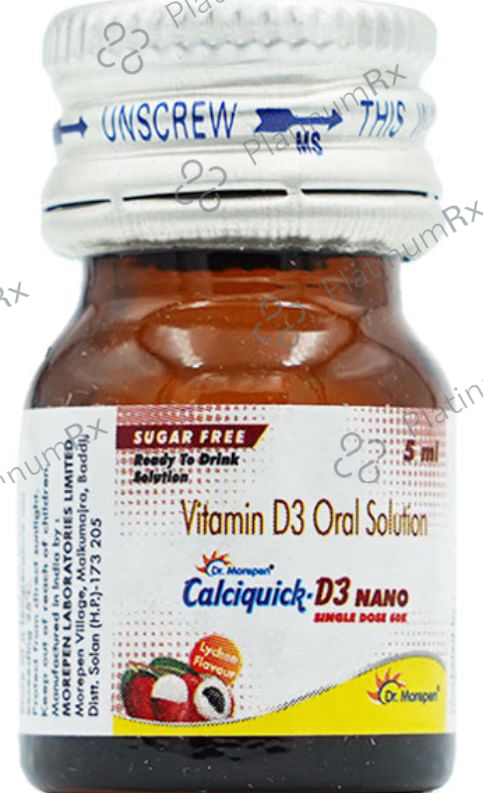
Neuroprime Gold Injection 1s
Primus Remedies Pvt. Ltd.
Vial of 1 ml
₹87.64
₹106.88
18% Off
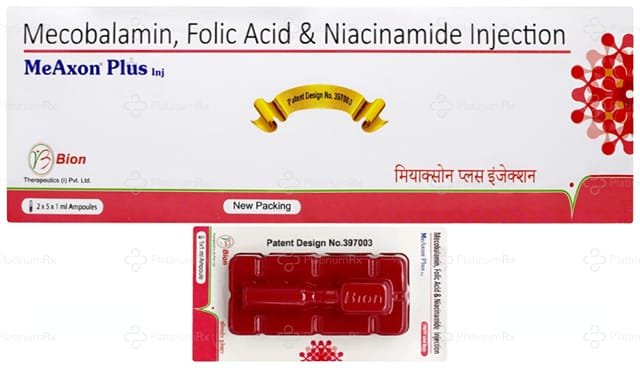
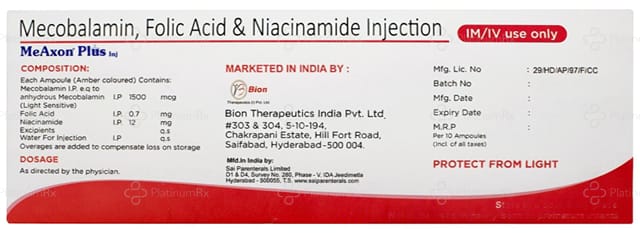
Ceacon Injection 1ml is a B-vitamin combination supplement that brings together folic acid (vitamin B9), methylcobalamin (the active coenzyme form of vitamin B12), and niacin (vitamin B3). These three B vitamins are involved in red blood cell formation, nerve function, DNA synthesis, and energy metabolism. The combination is used to prevent and manage deficiencies of these vitamins, to support pregnancy needs (folic acid), and to address peripheral neuropathy and macrocytic anaemia related to B12 and folate insufficiency.
Written by: Syed Jommy Abbas, B. Pharma
Reviewed by: Dr. Varinderjeet Kaur, MBBS
Last updated on: 02-06-2026
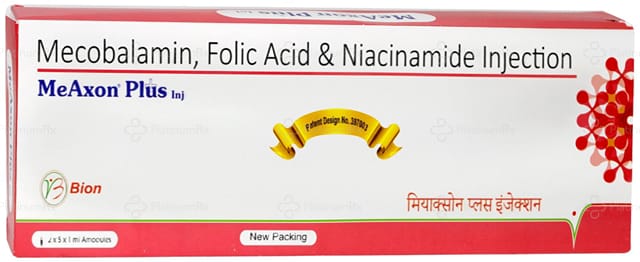
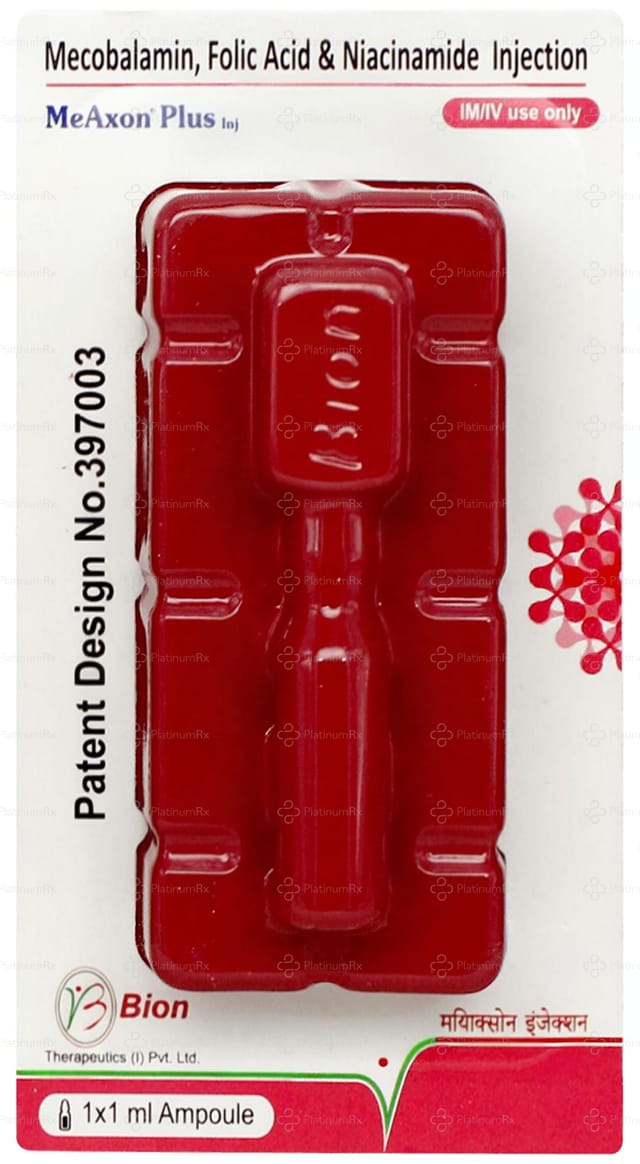
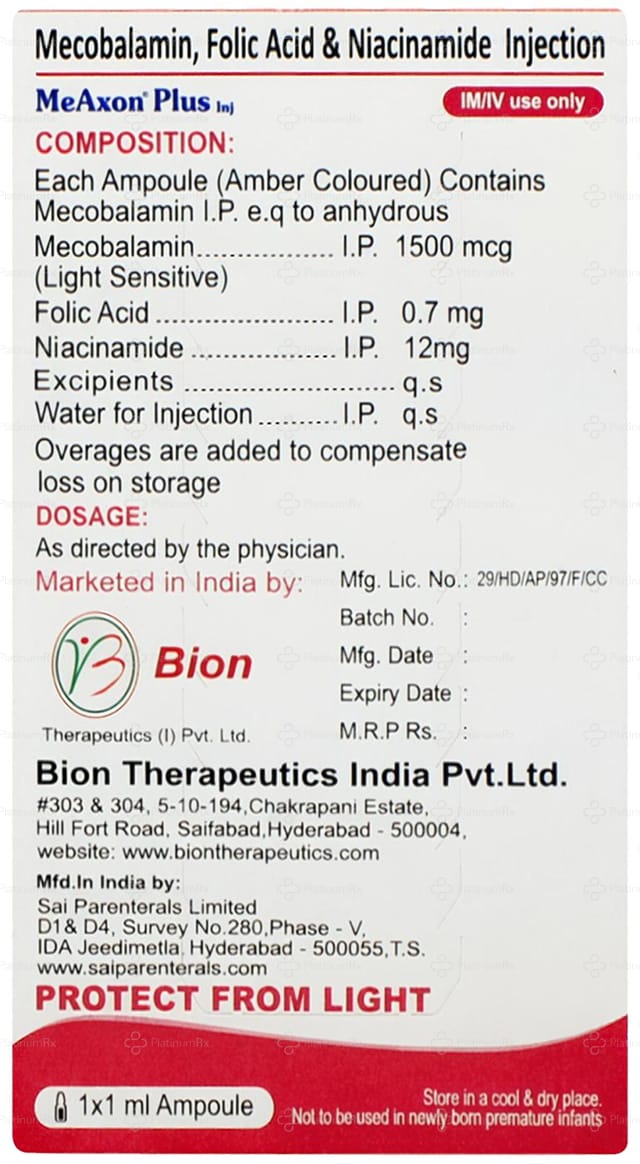
Delivery by
...
FDA & GMP Certified
Long Expiry (>8 Months)
15 Days Easy Returns
Have a question?

Genuine Medicine
Pay On Delivery
Secure Payment

LegitScript Certified Online Pharmacy
Ceacon Injection 1ml is a B-vitamin combination supplement that brings together folic acid (vitamin B9), methylcobalamin (the active coenzyme form of vitamin B12), and niacin (vitamin B3). These three B vitamins are involved in red blood cell formation, nerve function, DNA synthesis, and energy metabolism. The combination is used to prevent and manage deficiencies of these vitamins, to support pregnancy needs (folic acid), and to address peripheral neuropathy and macrocytic anaemia related to B12 and folate insufficiency.
B vitamins are water-soluble micronutrients that the body cannot store in large amounts, so a regular dietary supply is essential. They serve as coenzymes for enzymes involved in DNA synthesis, methylation, red blood cell production, nervous system maintenance, and the conversion of food into energy.
Folic acid (vitamin B9) is the synthetic form of folate used in supplements and fortified foods. It is reduced in the body to tetrahydrofolate, the active coenzyme required for DNA synthesis and amino acid metabolism. Adequate folate is critical in early pregnancy, where it reduces the risk of neural tube defects in the developing baby.
Methylcobalamin is one of the two active coenzyme forms of vitamin B12. It is a cofactor for methionine synthase, the enzyme that converts homocysteine to methionine (which is important for healthy nerve myelin). Vitamin B12 deficiency causes megaloblastic anaemia and a progressive peripheral neuropathy that can be irreversible if not treated.
Niacin (vitamin B3) is the precursor to nicotinamide adenine dinucleotide (NAD) and its phosphate form (NADP), coenzymes involved in over 400 enzymatic reactions, particularly those of energy metabolism and the oxidative stress response. NAD is also a substrate for cellular signalling enzymes (sirtuins) and DNA repair enzymes (PARPs). Severe niacin deficiency causes pellagra, characterised classically by dermatitis, diarrhoea, and dementia. Together, the three B vitamins support haematological, neurological, and metabolic health, and combined deficiency is particularly common in older adults, vegetarians and vegans, those on long-term acid-suppressing medication, and people with malabsorption.
Take Ceacon Injection 1ml orally with or just after a meal to reduce gastrointestinal upset and lessen niacin-related flushing. Swallow whole with water. Do not exceed the prescribed dose. If you experience niacin flushing, taking the dose with food and avoiding hot drinks or alcohol around the time of dosing can help. For severe B12 deficiency that maybe causing significant neurological symptoms, your doctor may use injectable form of B12 initially before transitioning to oral therapy.
Folic acid is absorbed in the small intestine and reduced to tetrahydrofolate (THF) with the help of the enzyme dihydrofolate reductase. THF and its derivatives carry single-carbon units used in the production of DNA bases (purines and thymidylate) and in amino acid metabolism. Therefore, folate is critical for rapidly dividing cells, including erythroblasts (red blood cell precursors in the bone marrow) and developing foetal tissue.
Methylcobalamin is the active cobalamin coenzyme that participates in the methionine synthase reaction. This enzyme transfers a methyl group from 5-methyltetrahydrofolate to homocysteine, regenerating methionine (and tetrahydrofolate). Methionine is then activated to S-adenosylmethionine (SAM), which is the body's universal methyl donor for DNA, protein, and lipid methylation. This methylation activity is essential for maintenance of nerve myelin (insulating sheath around nerves). This is why B12 deficiency causes damage to peripheral nerves and the spinal cord.
Niacin is converted to NAD and NADP, two coenzymes involved in hundreds of redox (oxidation–reduction) reactions, including those of glycolysis, the citric acid cycle, and fatty acid metabolism. NAD is also a substrate for enzymes involved in DNA repair (PARPs) and cell signalling (sirtuins). At high pharmacological doses (used historically to lower cholesterol), niacin also affects lipid metabolism, as described in a clinical study.

Avoid in known hypersensitivity to any component or excipient.

Safe at recommended doses. B vitamins are commonly recommended during breastfeeding

Folic acid is routinely recommended; do not exceed prescribed amounts of niacin.

No known effect on alertness. Brief flushing or dizziness possible with niacin.

Heavy alcohol can worsen niacin flushing and contribute to liver stress.

High-dose niacin can cause liver injury; use cautiously in liver disease.

No specific dose adjustment at standard doses.

Use age-appropriate doses under medical advice.

Often beneficial but B12 absorption declines with age.
Overdosing of Ceacon Injection 1ml can result in severe niacin-related flushing, dizziness, hypotension (low blood pressure), gastrointestinal upset, liver injury, and elevated uric acid. Further, intake of very high folate doses can mask underlying B12 deficiency. If you are suspecting an ov
If you miss a dose, take it as soon as you remember on the same day with a meal. If it is close to the next scheduled dose, skip the missed dose and continue. Do not double the dose.
Action Class
B-vitamin nutritional supplement
Chemical Class
Water-soluble B vitamins: pteroylglutamic acid (folic acid); cobalamin coenzyme (methylcobalamin); pyridine carboxylic acid (niacin)
Habit Forming
No
PlatinumRx is committed to providing reliable and accurate information to support informed customer decisions. However, all information made available on the Platform, including product descriptions, comparisons, and other content, is provided solely for general informational purposes. Such information is not intended to diagnose, prevent, treat, or cure any medical condition, nor should it be relied upon as a substitute for professional medical advice, diagnosis, or treatment.

More Medicines By Rbeacon Life Science
More Medicines With Vitamin B9 (Folic Acid) 700mcg + Vitamin B12 (Methylcobalamin) 1500mcg + Vitamin B3 (Niacin) 12mg
Top Selling Medicines
Top Selling Devices
Top Selling Health Products