



Pain App T4 Tablet 10s
M2H Pharmaceuticals
Strip of 10 tablets
₹187.78
₹229.00
18% Off
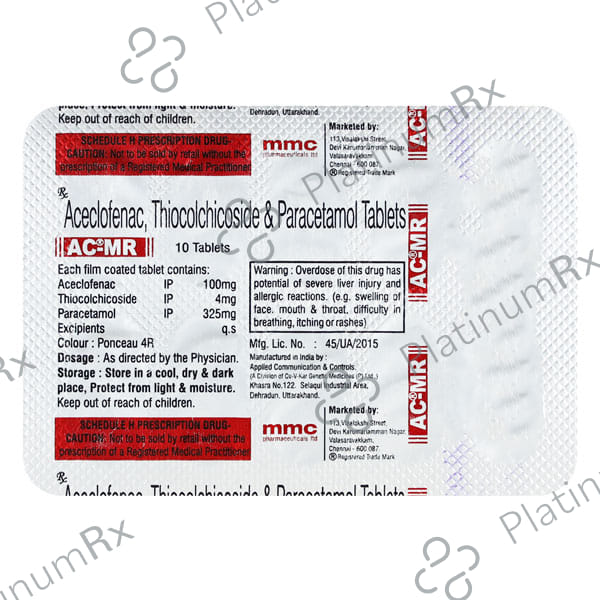
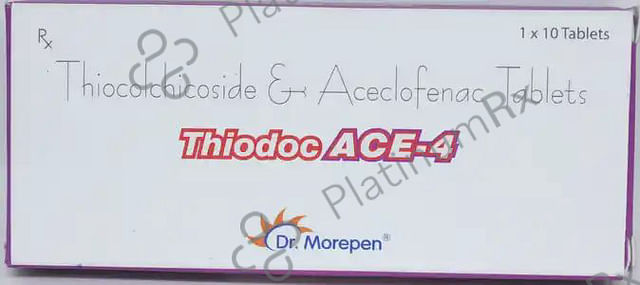
Thionek A 100mg/4mg Tablet contains Aceclofenac and Thiocolchicoside, which belong to the classes of medicines known as NSAIDs (non‑steroidal anti‑inflammatory drugs) and skeletal muscle relaxants, respectively. It is primarily used to treat musculoskeletal pain such as back pain, neck pain, and joint pain, as well as muscle spasm‑related discomfort. By reducing inflammation and relaxing tense muscles, Thionek A 100mg/4mg Tablet helps relieve pain, stiffness, and swelling. It is also used in conditions like lower back pain, osteoarthritis‑related pain, and post‑injury or post‑surgical muscular pain.
Delivery by
...
FDA & GMP Certified
Long Expiry (>8 Months)
15 Days Easy Returns
Have a question?

Genuine Medicine
Pay On Delivery
Secure Payment

LegitScript Certified Online Pharmacy
View content in
 English
Thionek A 100mg/4mg Tablet contains Aceclofenac and Thiocolchicoside, which belong to the classes of medicines known as NSAIDs (non‑steroidal anti‑inflammatory drugs) and skeletal muscle relaxants, respectively. It is primarily used to treat musculoskeletal pain such as back pain, neck pain, and joint pain, as well as muscle spasm‑related discomfort. By reducing inflammation and relaxing tense muscles, Thionek A 100mg/4mg Tablet helps relieve pain, stiffness, and swelling. It is also used in conditions like lower back pain, osteoarthritis‑related pain, and post‑injury or post‑surgical muscular pain.
Thionek A 100mg/4mg Tablet contains Aceclofenac, an NSAID, and Thiocolchicoside, a centrally acting muscle relaxant. Aceclofenac works by inhibiting the COX‑2 enzyme, which reduces the production of prostaglandins, chemicals that cause pain, swelling, and inflammation in joints and muscles. Thiocolchicoside acts on the central nervous system to reduce muscle spasm and improve muscle flexibility, making movement easier and less painful.
By combining these two actions, Thionek A 100mg/4mg Tablet provides dual‑action relief: it decreases pain and inflammation through the NSAID component and reduces muscular stiffness and spasm through the muscle relaxant. This makes it useful in conditions where pain arises from both joint or soft‑tissue inflammation and accompanying muscle tightness or spasm. The pain‑relieving effect usually begins within a few hours of the first dose, though maximum benefit may take a few days of regular use. Aceclofenac is mainly metabolised in the liver and eliminated via the kidneys, so dose adjustments may be needed in patients with liver or kidney impairment. When taken as prescribed, Thionek A 100mg/4mg Tablet is a well‑tolerated option for short‑term management of acute musculoskeletal pain.
Relief of acute pain and stiffness in the back, neck, shoulders, and joints due to sprains, strains, or overuse.
Reduction of pain and discomfort caused by muscle spasms or cramps in the back and limbs.
Short‑term management of pain following minor surgical procedures or soft‑tissue injuries.
Relief of pain and swelling in conditions like osteoarthritis and tendonitis.
While Thionek A 100mg/4mg Tablet is generally well‑tolerated when used for short periods, some patients may experience side effects as their body adjusts to the medication.
Thionek A 100mg/4mg Tablet should be taken exactly as prescribed by your doctor. It is usually taken once or twice daily, with food or immediately after a meal, to reduce the risk of stomach irritation. Swallow the tablet whole with a glass of water. Do not crush, chew, or split the tablet unless specifically advised. Do not take more than the recommended dose or use it for longer than advised, as prolonged use of NSAIDs can increase the risk of stomach, kidney, or heart problems. Discuss with your doctor before stopping the medicine suddenly, especially if you have been using it regularly for several days.
The mechanism of Thionek A 100mg/4mg Tablet involves two components. Aceclofenac selectively inhibits the COX‑2 enzyme, reducing the formation of prostaglandins that cause pain, swelling, and inflammation in joints and muscles. Thiocolchicoside acts on the central nervous system (spinal cord and brain) to reduce muscle spasm and improve muscle relaxation. Together, these dual actions lower pain‑related inflammation and ease muscle tightness, allowing better movement and faster recovery from musculoskeletal injury or strain.

Alcohol can increase the risk of stomach irritation and bleeding when taken with NSAIDs; avoid heavy drinking while you are on Thionek A 100mg/4mg Tablet.

Aceclofenac (an NSAID) can harm the unborn baby, especially in the third trimester, and may affect the baby’s heart and kidney development. Do not use Thionek A 100mg/4mg Tablet in pregnancy, especially later on, unless your doctor clearly feels the benefits outweigh the risks.

Aceclofenac and Thiocolchicoside may pass into breast milk; your doctor may prefer safer alternatives for pain or muscle spasm relief while you are nursing.

Thiocolchicoside can cause drowsiness, dizziness, or blurred vision in some people; avoid driving or operating heavy machinery until you know how Thionek A 100mg/4mg Tablet affects you.

A lower dose or shorter course may be needed if you have liver disease, as NSAIDs can affect liver function and markers.

NSAIDs like Aceclofenac can reduce kidney function, especially if you are dehydrated or have existing kidney disease; avoid prolonged use and report reduced urine output or swelling.
If you miss a dose, take it as soon as you remember. However, if it is almost time for your next scheduled dose, skip the missed dose and continue with your regular routine. Never take two doses at the same time to compensate for a missed one, as this can increase the risk of stomach irritation, dizziness, or other side effects. If you frequently miss doses, talk to your doctor about ways to help you remember your tablets.
Therapeutic Class
Analgesic–Muscle Relaxant Combination for Musculoskeletal Pain
Action Class
COX‑2 Inhibiting Analgesic & Centrally Acting Muscle Relaxant
Chemical Class
NSAID (Aceclofenac) + Skeletal Muscle Relaxant (Thiocolchicoside)
Habit Forming
No
PlatinumRx is committed to providing reliable and accurate information to support informed customer decisions. However, all information made available on the Platform, including product descriptions, comparisons, and other content, is provided solely for general informational purposes. Such information is not intended to diagnose, prevent, treat, or cure any medical condition, nor should it be relied upon as a substitute for professional medical advice, diagnosis, or treatment.

More Medicines By Kentreck Laboratories Pvt. Ltd.
More Medicines With Aceclofenac 100mg + Thiocolchicoside 4mg
Top Selling Medicines
Top Selling Devices
Top Selling Health Products