


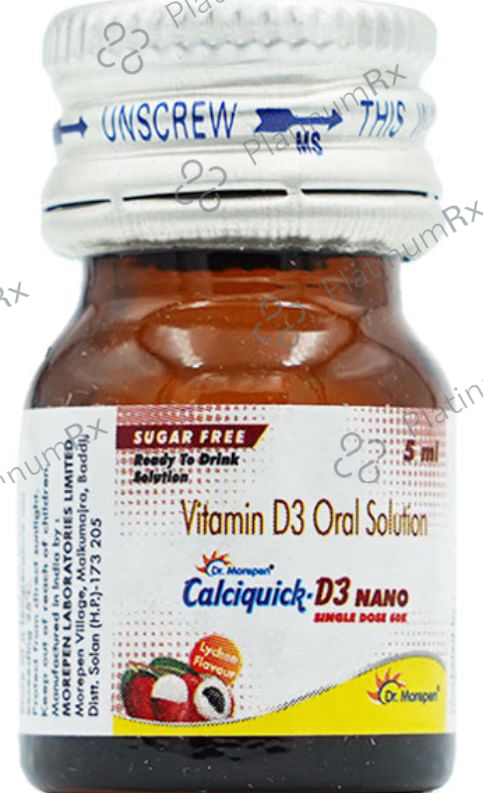
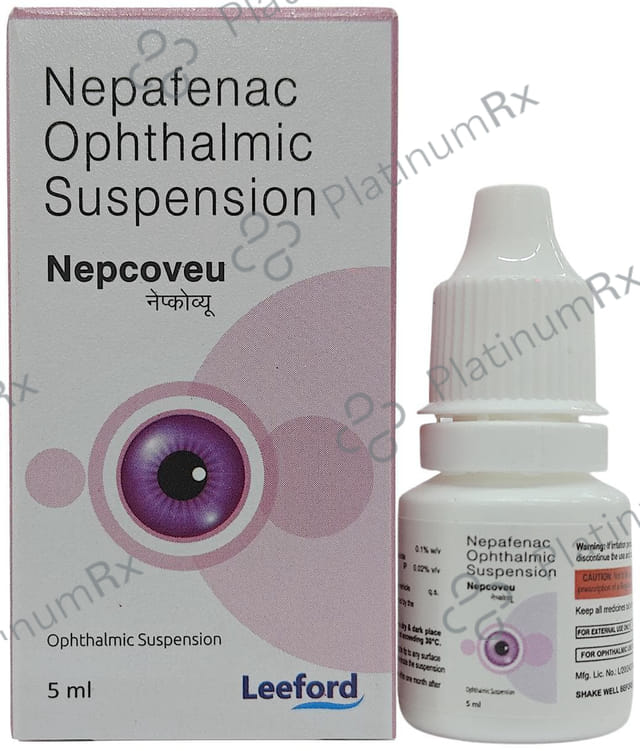
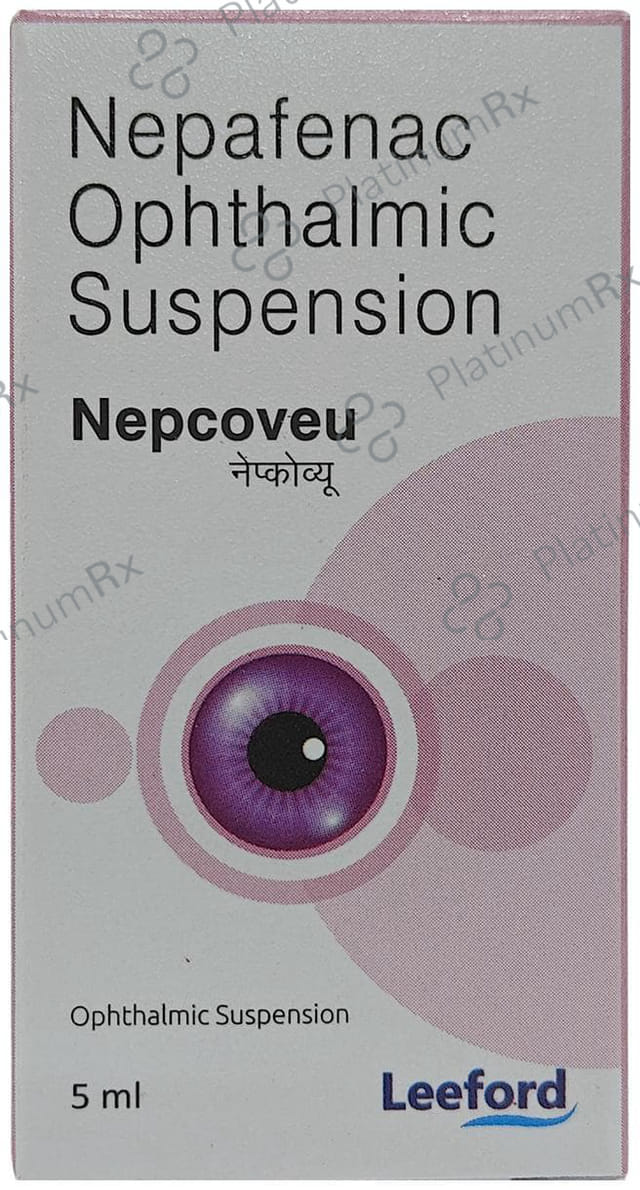
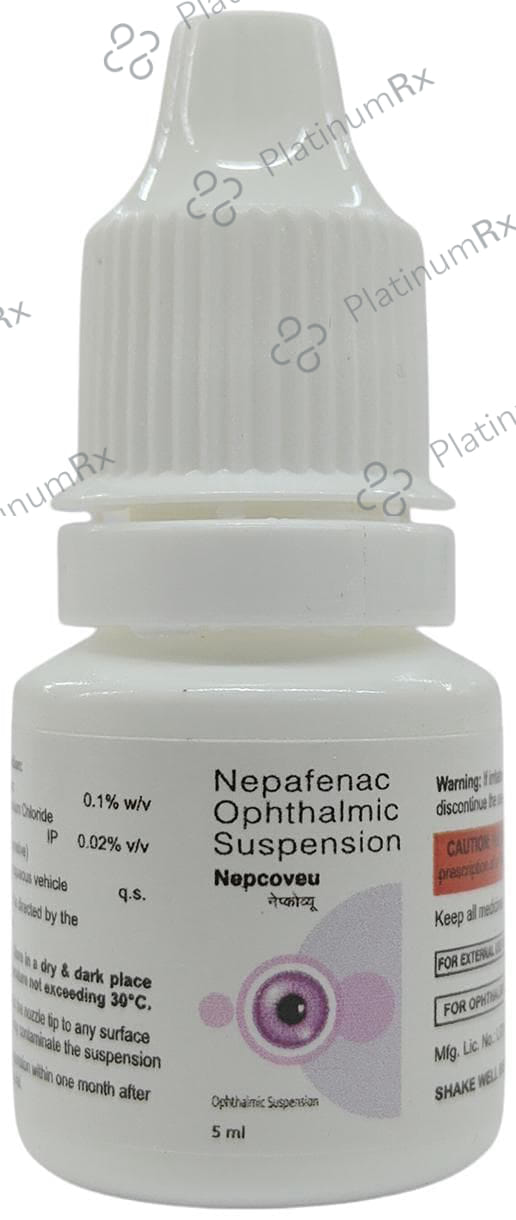
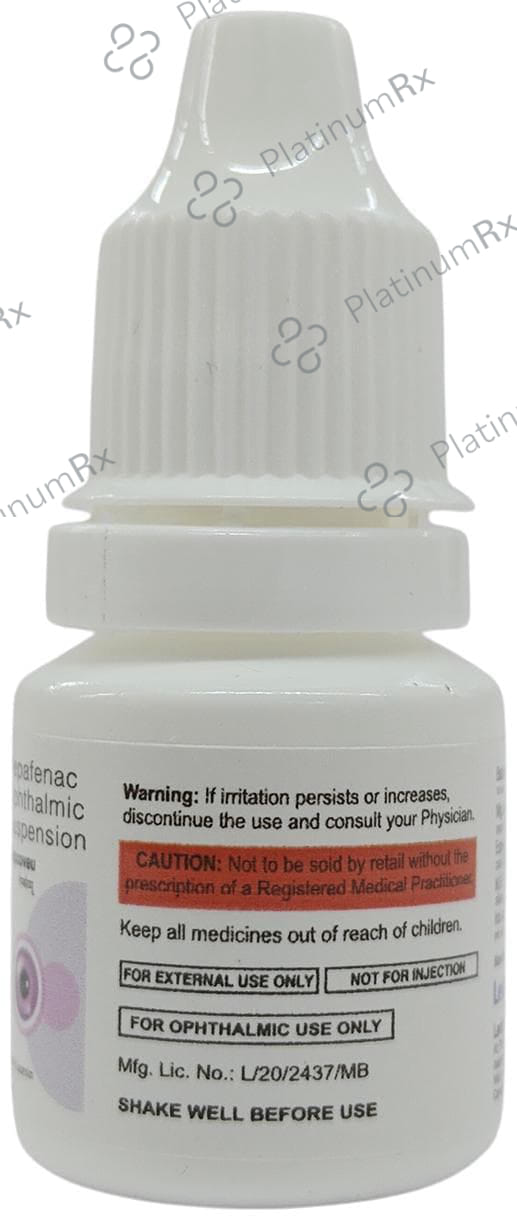
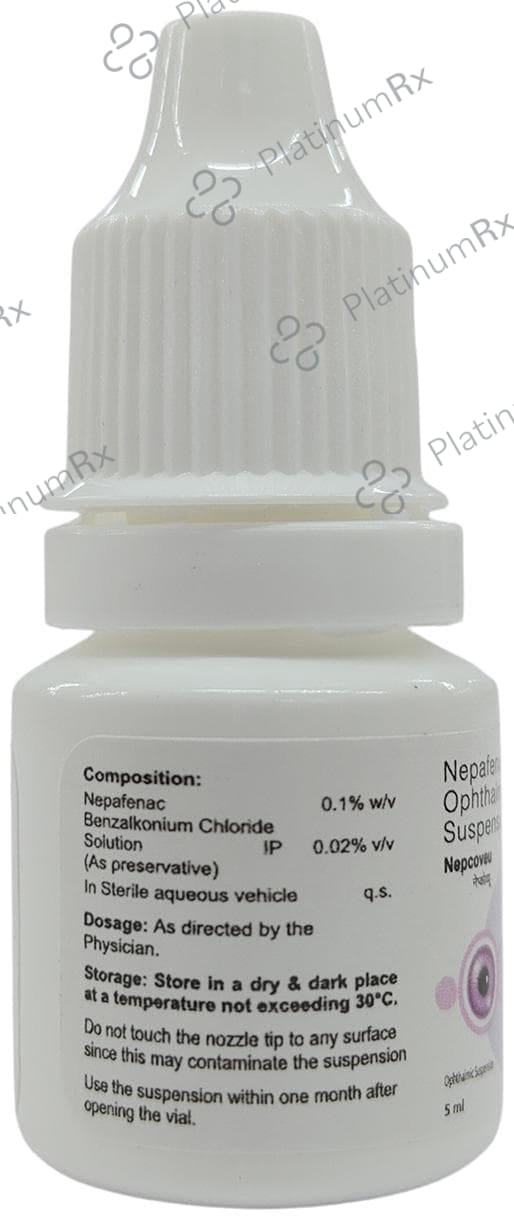
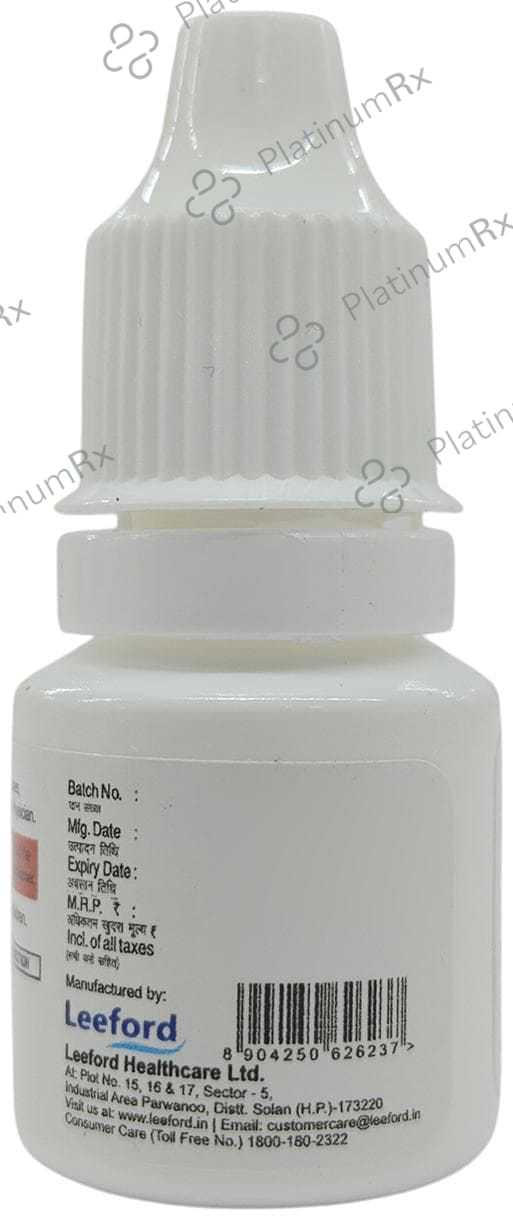
Nepalact 0.1% Eye Drop 5ml
Sun Pharmaceutical Industries Ltd.
Packet of 5 ml
₹183.73
₹224.06
18% Off
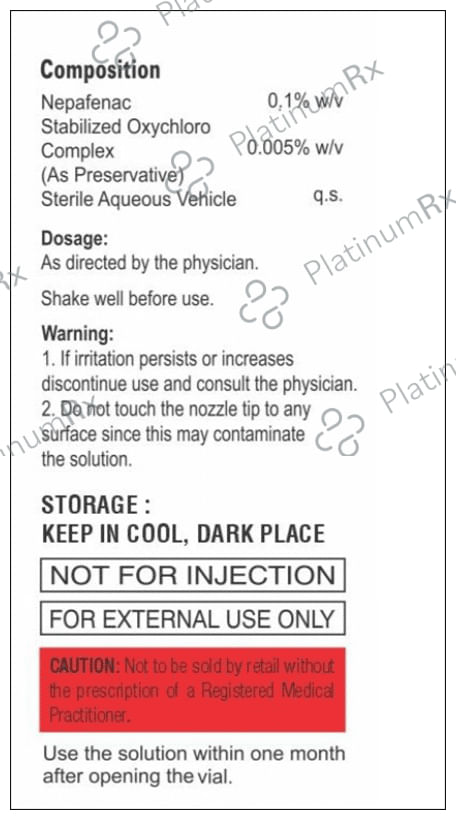
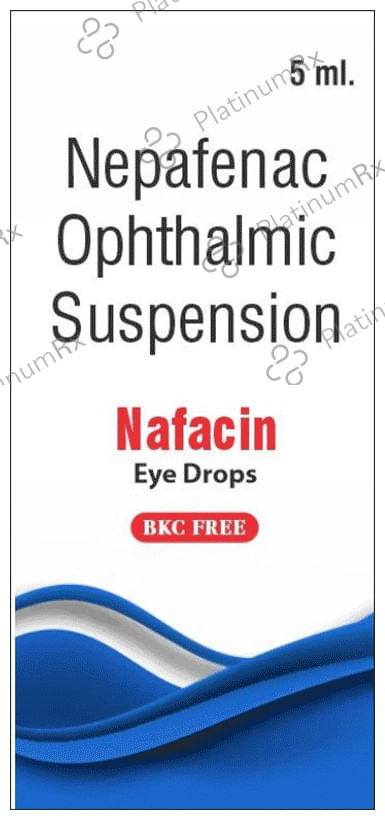
Nafacin Eye Drop contains nepafenac, a non-steroidal anti-inflammatory drug (NSAID) specifically formulated for ophthalmic use. Nepafenac is the active therapeutic component used to treat pain and inflammation associated with cataract surgery. It works as a prodrug that penetrates the eye to target inflammatory mediators directly at the site of surgical trauma. This medicine is commonly prescribed to enhance patient comfort and support ocular recovery following surgical procedures. Always use Nafacin Eye Drop exactly as directed by your doctor.
Delivery by
...
FDA & GMP Certified
Long Expiry (>8 Months)
15 Days Easy Returns
Have a question?

Genuine Medicine
Pay On Delivery
Secure Payment

LegitScript Certified Online Pharmacy
View content in
 English
Nafacin Eye Drop contains nepafenac, a non-steroidal anti-inflammatory drug (NSAID) specifically formulated for ophthalmic use. Nepafenac is the active therapeutic component used to treat pain and inflammation associated with cataract surgery. It works as a prodrug that penetrates the eye to target inflammatory mediators directly at the site of surgical trauma. This medicine is commonly prescribed to enhance patient comfort and support ocular recovery following surgical procedures. Always use Nafacin Eye Drop exactly as directed by your doctor.
Nafacin Eye Drop is an ophthalmic formulation containing nepafenac as the active therapeutic agent. It is designed to deliver targeted anti-inflammatory relief to the ocular tissues after surgical intervention.
Nepafenac is a unique NSAID prodrug. Upon topical application to the eye, it passes through the cornea and is converted by ocular tissue hydrolases into amfenac, a potent active metabolite. Amfenac inhibits the cyclooxygenase (COX-1 and COX-2) enzymes, which are responsible for the synthesis of prostaglandins. Since prostaglandins are the primary chemicals that trigger pain, heat, and swelling in the eye, blocking their production effectively manages the inflammatory response caused by cataract extraction or other ocular surgeries.
This localised mechanism of action allows Nafacin Eye Drop to provide significant anti-inflammatory and analgesic (pain-relieving) benefits directly to the eye while maintaining very low levels of systemic absorption. This makes it a preferred choice for managing post-operative recovery in patients requiring precise ocular care.
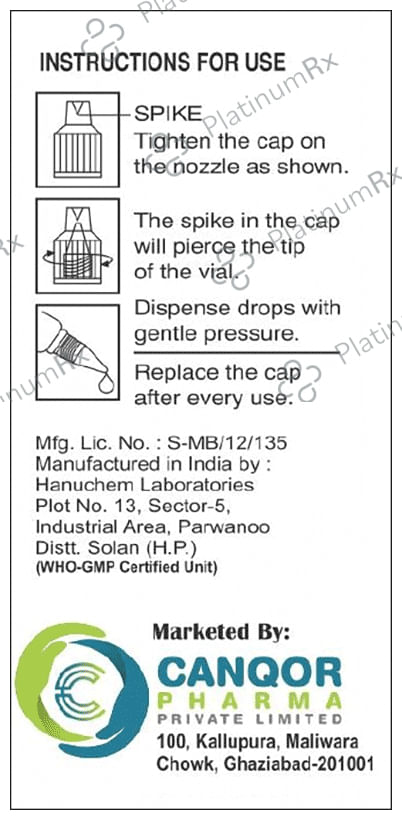
The medication is typically administered as a topical ophthalmic suspension. The frequency and duration of use are determined by an ophthalmologist, usually beginning shortly before the surgical procedure and continuing through the initial healing phase.
The uses of Nafacin Eye Drop are as follows:
Nafacin Eye Drop is used to manage and prevent pain following cataract surgery and other eye procedures.
It is prescribed to reduce redness, swelling, and internal inflammation of the eye tissues after surgical trauma.
It is frequently used to reduce the risk of postoperative macular oedema (fluid buildup in the retina), particularly in patients with pre-existing risk factors like diabetes.
It helps stabilise the ocular environment during the healing window, ensuring a more comfortable recovery process for the patient.
Nafacin Eye Drop is used when a targeted, localised inhibitor is needed to block the inflammatory pathways specifically within the eye.
Here are the benefits of Nafacin Eye Drop:
Like all medicines, Nafacin Eye Drop may cause side effects in some individuals, especially during early treatment.
Always consult your doctor if side effects persist or worsen.
To ensure safe use:
Do not use beyond the prescribed duration without review.
Nafacin Eye Drop works primarily through Nepafenac, the active therapeutic component that targets ocular inflammation and pain.
Nepafenac is a prodrug that, upon topical application, penetrates the cornea and is converted by ocular tissue hydrolases into amfenac. Amfenac is a potent non-steroidal anti-inflammatory drug (NSAID) that inhibits the cyclooxygenase (COX-1 and COX-2) enzymes. These enzymes are essential for the production of prostaglandins, which are the primary mediators of pain, heat, and swelling in the eye. By blocking prostaglandin synthesis, Nafacin Eye Drop effectively reduces the inflammatory response triggered by surgical procedures such as cataract extraction.
This localized action ensures that the medication provides high therapeutic concentrations within the eye tissues, specifically targeting the anterior and posterior segments, while maintaining minimal systemic exposure. Together, this mechanism ensures a more comfortable recovery and protects the ocular structures from inflammation-related complications.

No direct interaction known, but moderation is advised to support general recovery.

Avoid use during pregnancy unless clearly necessary and prescribed by a doctor.

It is unknown if the drug passes into breast milk; seek medical advice before use.

Temporary blurred vision may occur immediately after application. Wait until vision is clear.

Systemic absorption is very low, but consult your doctor if you have severe impairments.
A few practical measures can help improve treatment outcomes and ensure safe use of Nafacin Eye Drop:
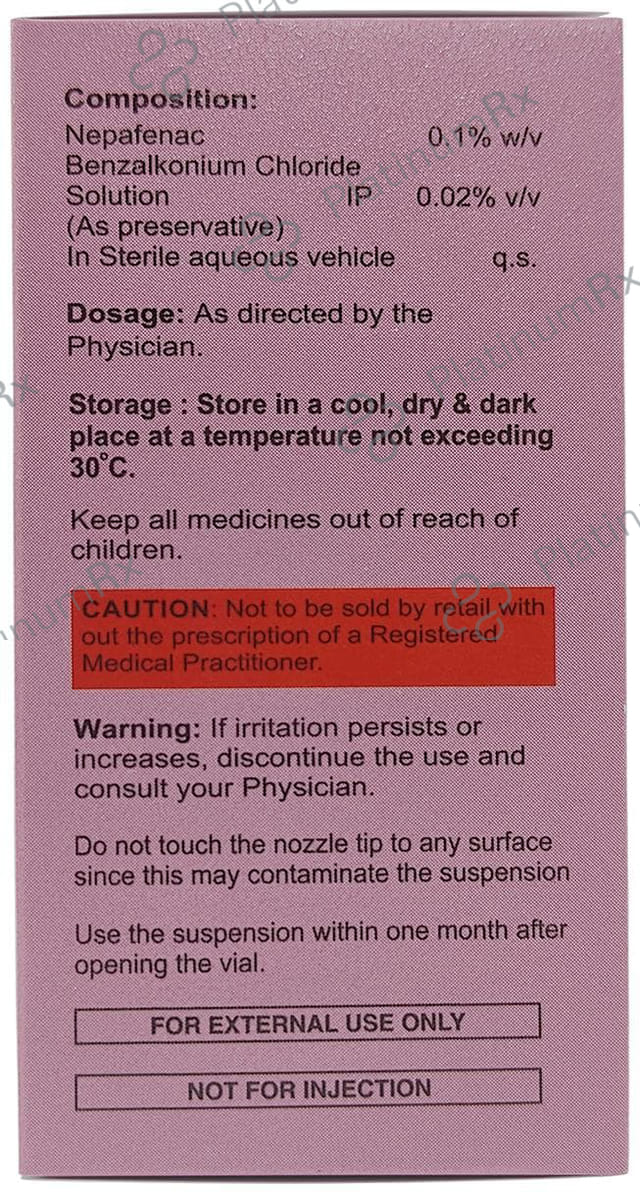
Proper storage is important to maintain the stability and effectiveness of Nafacin Eye Drop:
Nafacin Eye Drop is applied topically to the eye and is generally not affected by food or drink. However:
Nafacin Eye Drop may interact with other topical or systemic medications:
Nafacin Eye Drop should be used carefully in the following conditions, as Nepafenac may influence ocular healing or bleeding:
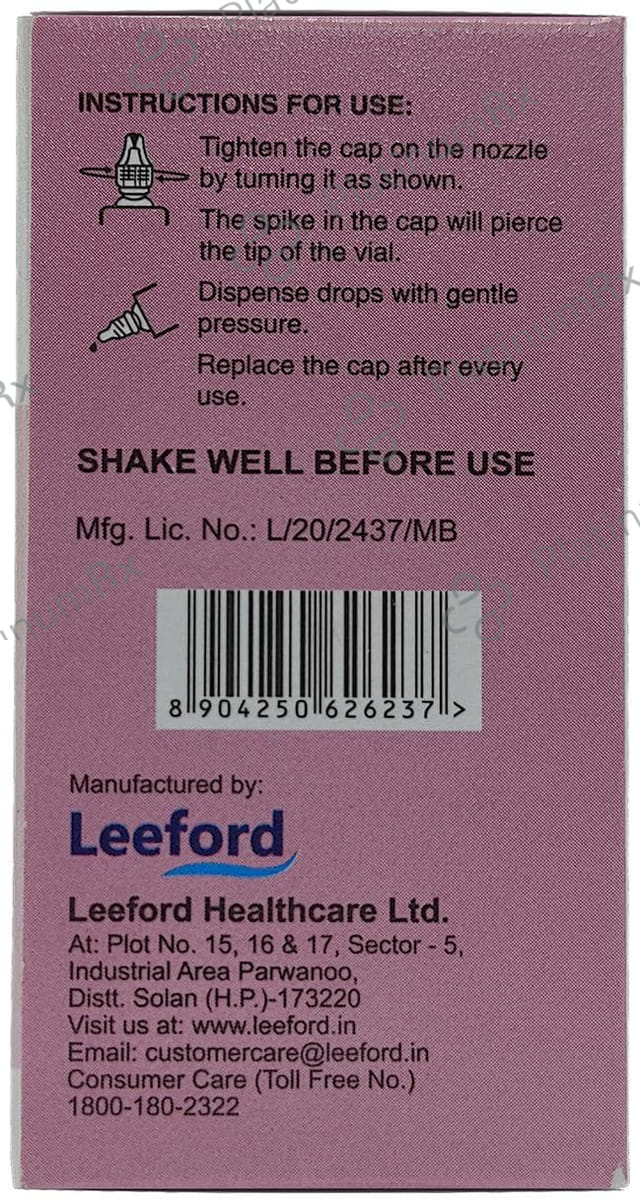
The dose depends on the medical indication and the specific surgical protocol. It is usually administered as one drop in the affected eye(s) three times daily, beginning one day before surgery and continuing for up to two weeks post-operatively, exactly as prescribed.
If a dose is missed, apply the drops as soon as you remember. However, if it is almost time for your next scheduled dose, skip the missed dose and resume your regular routine. Do not apply double the amount to make up for a missed dose.
Therapeutic Class
Ophthalmic Anti-inflammatory
Action Class
NSAID (Prodrug)
Chemical Class
Phenylacetic acid derivative
Habit Forming
No
PlatinumRx is committed to providing reliable and accurate information to support informed customer decisions. However, all information made available on the Platform, including product descriptions, comparisons, and other content, is provided solely for general informational purposes. Such information is not intended to diagnose, prevent, treat, or cure any medical condition, nor should it be relied upon as a substitute for professional medical advice, diagnosis, or treatment.

More Medicines By Canqor Pharma Pvt. Ltd.
More Medicines With Nepafenac 0.1% w/v
Top Selling Medicines
Top Selling Devices
Top Selling Health Products