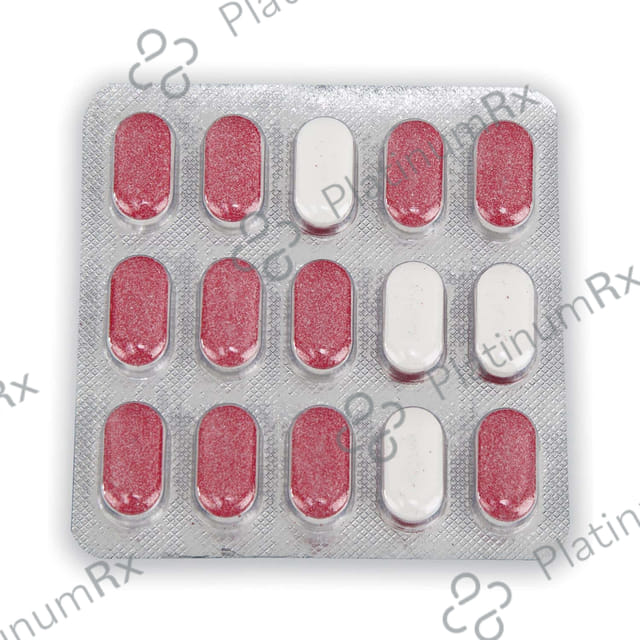






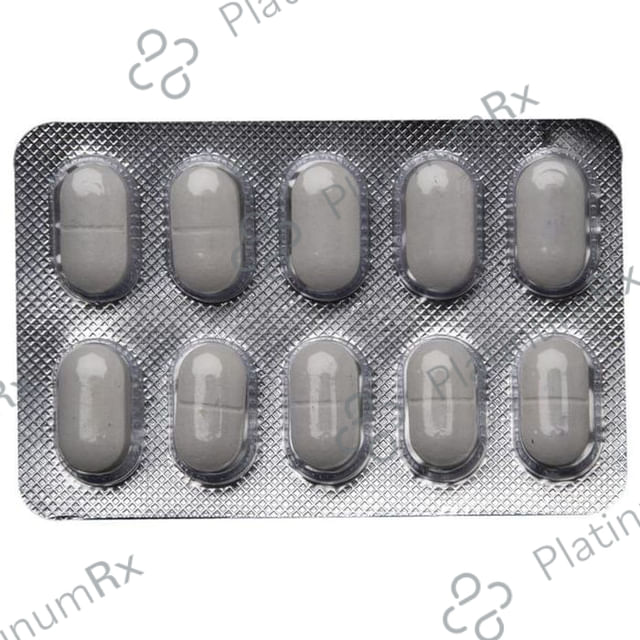
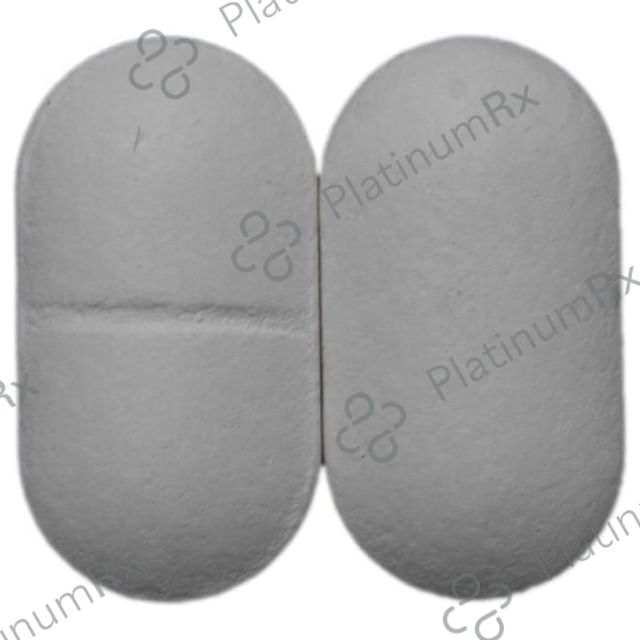
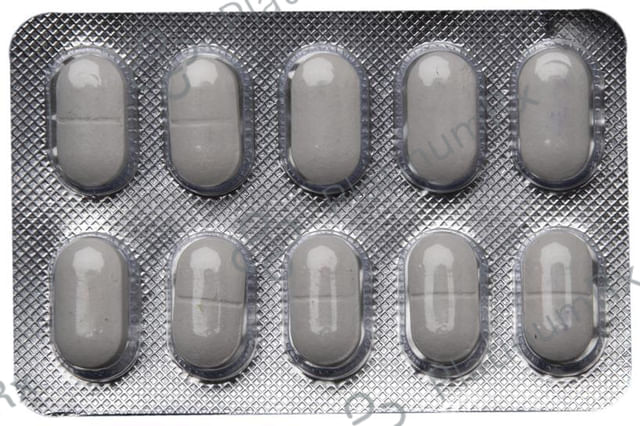
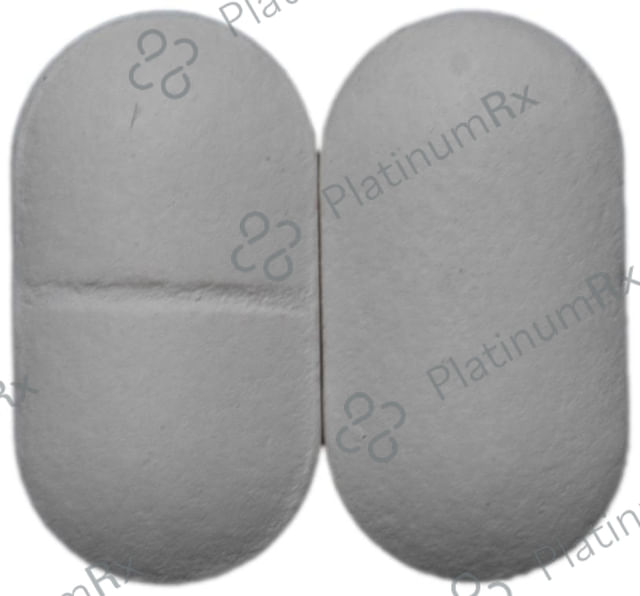
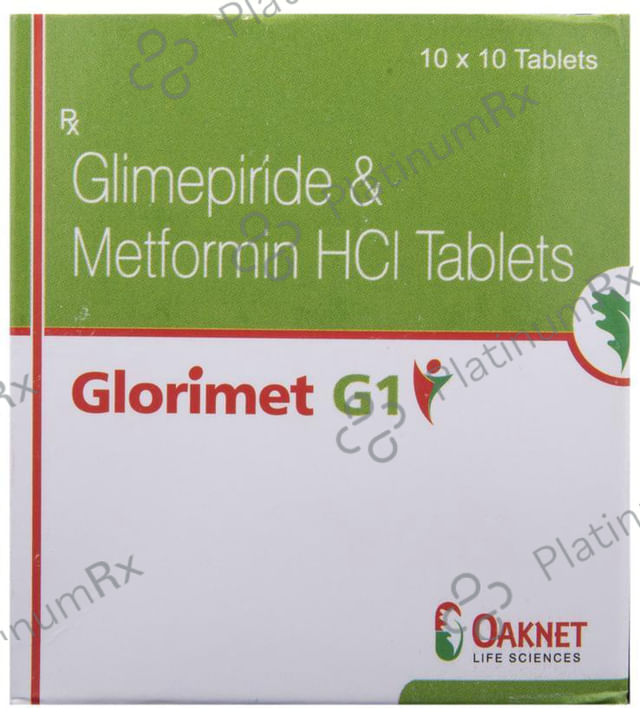
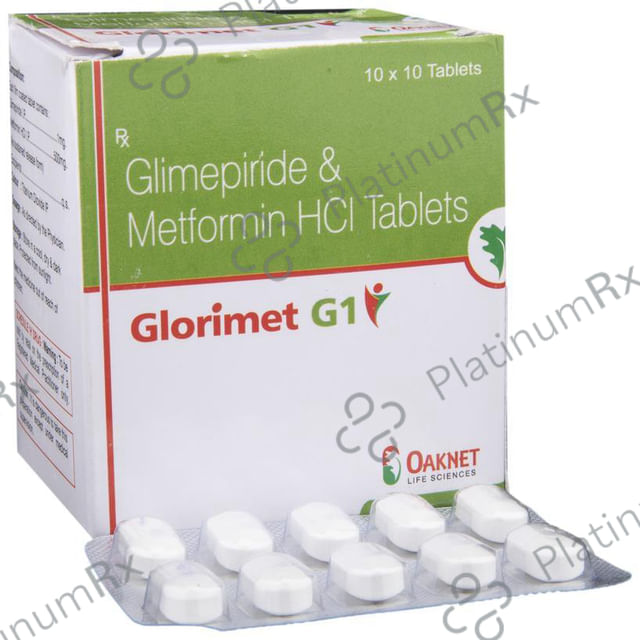
Glimp M 1/500mg Tablet SR 10s
Biochem Pharmaceutical Industries
Strip of 10 tablets
₹49.76
₹99.52
50% Off
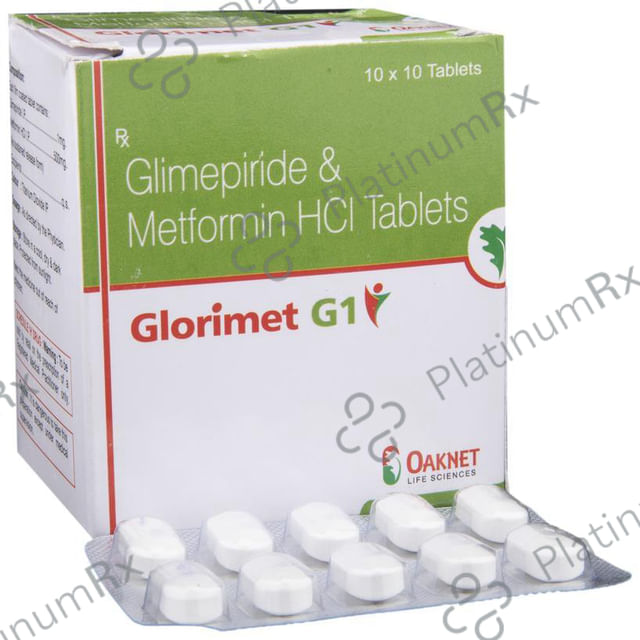
Glorimet G1 Tablet PR is a potent, fixed-dose combination medication specifically formulated for the effective management of Type 2 Diabetes Mellitus. It combines two complementary oral antidiabetic agents: Glimepiride (a sulfonylurea) and Metformin (a biguanide). This dual-action approach works synergistically to achieve superior glycemic control. Glimepiride stimulates the pancreas to release more insulin, while Metformin improves the body's sensitivity to insulin and reduces glucose production by the liver. Prescribed when monotherapy is insufficient, Glorimet G1 Tablet PR helps to lower high blood sugar levels, reducing the risk of long-term diabetes complications such as neuropathy, retinopathy, and Cardiovascular Disease.
Written by: Syed Jommy Abbas, B. Pharma
Reviewed by: Dr. Devika Rani, MBBS
Last updated on: 28-01-2026


Delivery by
...
FDA & GMP Certified
Long Expiry (>8 Months)
15 Days Easy Returns
Have a question?

Genuine Medicine
Pay On Delivery
Secure Payment

LegitScript Certified Online Pharmacy
View content in
 English
Glorimet G1 Tablet PR is a potent, fixed-dose combination medication specifically formulated for the effective management of Type 2 Diabetes Mellitus. It combines two complementary oral antidiabetic agents: Glimepiride (a sulfonylurea) and Metformin (a biguanide). This dual-action approach works synergistically to achieve superior glycemic control. Glimepiride stimulates the pancreas to release more insulin, while Metformin improves the body's sensitivity to insulin and reduces glucose production by the liver. Prescribed when monotherapy is insufficient, Glorimet G1 Tablet PR helps to lower high blood sugar levels, reducing the risk of long-term diabetes complications such as neuropathy, retinopathy, and Cardiovascular Disease.
Glorimet G1 Tablet PR is a leading prescription therapy designed for the robust, long-term control of blood glucose in adult patients with Type 2 Diabetes. This combination is generally initiated when single-agent therapy, particularly with Metformin, fails to provide adequate blood sugar control. The product uniquely leverages two distinct pharmacological pathways to combat hyperglycemia. Glimepiride, a third-generation sulfonylurea, acts primarily by binding to receptors on the pancreatic beta cells, prompting the release of endogenous insulin. This mechanism is rapid and effective at reducing post-meal glucose spikes. Metformin, the foundational biguanide, works through fundamentally different mechanisms. It acts mainly in the liver, suppressing hepatic glucose production (gluconeogenesis). Crucially, Metformin also enhances peripheral glucose uptake and utilisation by improving insulin sensitivity in muscle and fat cells. This complementary action tackles the two primary defects in Type 2 Diabetes: insulin deficiency (addressed by Glimepiride) and insulin resistance (addressed by Metformin). By maximising efficacy and minimising common adverse effects, Glorimet G1 Tablet PR offers a comprehensive tool to help patients achieve and maintain target HbA1c levels, thereby protecting against microvascular and macrovascular complications. Strict adherence to the prescribed regimen is vital for this chronic, progressive condition.
Glorimet G1 Tablet PR (Glimepiride + Metformin) is primarily indicated for use in the following clinical scenarios:
Used in adults whose blood sugar levels are inadequately controlled by diet, exercise, and either Glimepiride or Metformin monotherapy.
Prescribed for patients who initially responded well to a single antidiabetic agent but whose blood sugar control has subsequently deteriorated.
Employed as part of a regimen aimed at rapidly achieving target HbA1c levels to prevent or slow the progression of chronic diabetic complications such as diabetic nephropathy, diabetic retinopathy, and Diabetic Neuropathy (nerve damage).
The combination of Glimepiride and Metformin in Glorimet G1 Tablet PR provides synergistic benefits superior to either agent alone:
The dual mechanism of action, insulin secretion stimulation (Glimepiride) and insulin sensitivity improvement/glucose production reduction (Metformin), leads to a more robust and sustained lowering of blood glucose and HbA1c levels compared to monotherapy. This integrated control helps flatten the blood glucose curve throughout the day.
Unlike some sulfonylureas taken alone, which can cause weight gain, the inclusion of Metformin counteracts this effect. Metformin is often associated with weight stability or even modest weight loss, which is a significant metabolic advantage for diabetic patients who are frequently overweight or obese.
Metformin is known to be associated with a reduced risk of cardiovascular events in T2DM.
Offering two effective medications in a single, once-daily or twice-daily tablet simplifies the regimen. This reduced pill burden is directly linked to higher patient adherence and better long-term treatment outcomes.
Patients taking Glorimet G1 Tablet PR should be monitored for side effects associated with both components.
Glorimet G1 Tablet PR effectively treats Type 2 Diabetes through the combined action of its two components:
Glimepiride acts as an insulin secretagogue by binding to specific receptors on the pancreatic beta cells. This action inhibits the KATP channel, leading to beta cell depolarisation and the subsequent influx of calcium ions. The resulting increase in intracellular calcium triggers the fusion of insulin-containing vesicles with the cell membrane, resulting in the release of stored insulin into the bloodstream. This rapid increase in circulating insulin lowers blood glucose, particularly after meals.
Metformin’s primary mechanism involves the activation of the enzyme AMP-activated protein kinase (AMPK). This activation leads to three major effects: 1) It significantly reduces the production of glucose by the liver (gluconeogenesis). 2) It enhances the uptake and utilisation of glucose by peripheral tissues, thereby improving insulin sensitivity. 3) It may modestly decrease intestinal glucose absorption.


Both Glimepiride and Metformin may be excreted into breast milk. Due to the potential risk of hypoglycemia in the infant, the decision to continue the drug must be made by carefully weighing the mother's health needs against the infant’s safety.

Alcohol consumption is highly discouraged. It significantly increases the risk of hypoglycemia (enhancing Glimepiride's effect) and, critically, increases the risk of the life-threatening condition Lactic Acidosis (a severe


Do not stop the medication abruptly, even if your blood sugar is controlled, without consulting your physician.
Given the complexity of this combination, special attention is required for:
1. Lactic Acidosis Risk: The most serious concern with Metformin. The risk is significantly elevated in patients with severe renal impairment (eGFR < 30 mL/min), active liver disease, or heavy alcohol use. The medication must be immediately discontinued if Lactic Acidosis is suspected (symptoms: severe muscle pain, extreme tiredness, or rapid breathing).
2. Hypoglycemia Risk: The Glimepiride component poses a significant risk. The risk is higher when treatment starts, doses are increased, or when meals are delayed or missed. Patients must be fully educated on prevention and emergency treatment.
3. Contrast Media Procedures: Metformin must be temporarily discontinued before or at the time of any iodinated contrast imaging procedure (e.g., CT scan) and for 48 hours afterwards. It should only be restarted once kidney function has been re-evaluated and confirmed as normal.
4. Vitamin B12 Deficiency: Long-term Metformin therapy necessitates periodic monitoring of Vitamin B12 levels, especially in patients with symptoms of anaemia or peripheral neuropathy.
5. Surgery and Acute Illness: The medication should be temporarily stopped during periods of acute illness (e.g., severe infection, dehydration) or prior to major surgery (often 3-4 days pre-operatively) to reduce the risk of volume depleti
While Glorimet G1 Tablet PR must be taken with food, certain dietary choices can be problematic:
Co-administration of Glorimet G1 Tablet PR with certain drug classes requires careful management:
The safety profile of Glorimet G1 Tablet PR is heavily influenced by the patient’s existing health status:
The standard daily dose for Glorimet G1 Tablet PR (Glimepiride + Metformin) is typically one tablet once or twice daily with meals. The precise regimen is highly individualised, based on the patient's existing glucose control, response to previous monotherapy, and renal function. Due to the high potency of Glimepiride and the specific dosing requirements for Metformin, patients must adhere strictly to the prescription.
If you forget to take a dose of Glorimet G1 Tablet PR, what you should do depends on the time elapsed. If you remember within a few hours of your scheduled dose and can still take it with a meal, take the missed dose immediately. If it is close to the time of your next scheduled dose (e.g., within 4-6 hours), skip the missed dose entirely and simply continue with your regular dosing schedule. Never double the dose to make up for a missed one, as this significantly increases the risk of hypoglycemia and gastrointestinal side effects. If you frequently miss doses, discuss adherence strategies with your healthcare provider.
Therapeutic Class
Endocrine/Metabolic Medicine (Type 2 Diabetes)
Action Class
Oral Antidiabetic Combination Therapy
Chemical Class
Sulfonylurea (Glimepiride) + Biguanide (Metformin)
Habit Forming
No
PlatinumRx is committed to providing reliable and accurate information to support informed customer decisions. However, all information made available on the Platform, including product descriptions, comparisons, and other content, is provided solely for general informational purposes. Such information is not intended to diagnose, prevent, treat, or cure any medical condition, nor should it be relied upon as a substitute for professional medical advice, diagnosis, or treatment.

More Medicines By Eris Oaknet Healthcare Pvt. Ltd.
More Medicines With Glimepiride 1mg + Metformin 500mg
Top Selling Medicines
Top Selling Devices
Top Selling Health Products