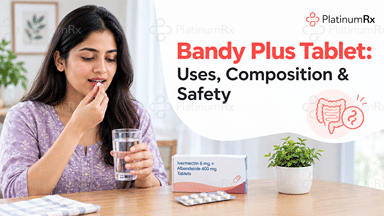
Acitrom 3.5mg Tablet 30s

Acitrom 3.5 Tablet is a blood thinner taken by mouth. Doctors call this type of medicine an oral anticoagulant. It contains a single active ingredient, and it belongs to the coumarin family of medicines, which also includes warfarin. It is used to prevent harmful blood clots and to treat clots that have already formed. These include clots in the deep veins of the legs (deep vein thrombosis) and clots that travel to the lungs (pulmonary embolism). It also lowers the risk of stroke in people with certain heart rhythm problems or artificial heart valves. Acitrom 3.5 Tablet needs regular blood tests so the doctor can keep the dose safe.
Written by: Syeda Jigni Mehraj, B pharmacy
Reviewed by: Dr. Jay Faldu, MBBS
Last updated on: 16-11-2026


Delivery by
...
FDA & GMP Certified
Long Expiry (>8 Months)
15 Days Easy Returns
General Information
Have a question?

Genuine Medicine
Pay On Delivery
Secure Payment

LegitScript Certified Online Pharmacy


More About Acitrom 3.5 Tablet
Quick Summary
Acitrom 3.5 Tablet is a blood thinner taken by mouth. Doctors call this type of medicine an oral anticoagulant. It contains a single active ingredient, and it belongs to the coumarin family of medicines, which also includes warfarin. It is used to prevent harmful blood clots and to treat clots that have already formed. These include clots in the deep veins of the legs (deep vein thrombosis) and clots that travel to the lungs (pulmonary embolism). It also lowers the risk of stroke in people with certain heart rhythm problems or artificial heart valves. Acitrom 3.5 Tablet needs regular blood tests so the doctor can keep the dose safe.
Detailed Description
Acitrom 3.5 Tablet works by reducing the effect of vitamin K in the liver. Your liver needs vitamin K to make several clotting factors. These are proteins that help blood form clots. When less vitamin K is available, the liver makes fewer working clotting factors, so your blood takes longer to clot. This lowers the chance of a dangerous clot forming inside a blood vessel. Acitrom 3.5 Tablet does not dissolve a clot that has already formed. It stops the clot from growing and helps prevent new ones while the body slowly breaks down the old clot.
Doctors prescribe Acitrom 3.5 Tablet for the following conditions.
Deep Vein Thrombosis (clots in the leg veins) - Acitrom 3.5 Tablet helps stop a clot in a deep leg vein from growing. It also lowers the chance of a new clot forming after treatment.
Pulmonary Embolism (clots in the lungs) - A clot can break off and travel to the lungs, which can be life-threatening. Acitrom 3.5 Tablet helps prevent this from happening again.
Stroke Prevention in Atrial Fibrillation (irregular heartbeat) - An irregular heartbeat can let clots form inside the heart and travel to the brain. Acitrom 3.5 Tablet lowers this risk.
Prevention of Clots with Mechanical Heart Valves - Clots can form on artificial heart valves. Acitrom 3.5 Tablet helps keep the valve free of clots.
Acitrom 3.5 Tablet does not work straight away. It takes a few days to reach its full effect, because clotting factors already in the blood have to be used up first. For this reason, doctors often give an injectable blood thinner for the first few days of treatment.
Each person needs a different dose. Your dose depends on your genes, diet, other medicines and general health. Doctors check a blood test called the INR (International Normalised Ratio), which measures how long your blood takes to clot. For most people, the target INR is between 2 and 3. People with mechanical heart valves may need a higher target. Your doctor will tell you your own target range. Tests are frequent at the start and less frequent once your dose is stable.
The main risk with Acitrom 3.5 Tablet is bleeding. If the dose is too high, or if another medicine or a change in diet makes it stronger, you may bleed more easily. If the effect is too weak, clots can still form. This is why you should take Acitrom 3.5 Tablet only under close medical supervision. Keep all blood test appointments, and do not change your dose on your own.
Benefits of Acitrom 3.5 Tablet
- Prevents dangerous clots - Acitrom 3.5 Tablet lowers the chance of clots forming in the veins, the lungs and the heart.
- Lowers stroke risk - In people with atrial fibrillation or mechanical heart valves, it reduces the chance of a clot reaching the brain.
- Stops existing clots from growing - It gives the body time to break down a clot in the leg or lung.
- Taken by mouth once a day - It can be used at home over the long term, with no need for daily injections.
- Effect can be measured and reversed - Your doctor can check how well it is working with the INR test. If needed, vitamin K can be given to reverse its effect.
Side Effects of Acitrom 3.5 Tablet
Common Side Effects (Usually Mild)
- Bruising more easily
- Minor bleeding from the gums when brushing your teeth
- Nosebleeds that stop on their own
- Small cuts that bleed a little longer than usual
- Heavier periods
- Nausea or an upset stomach
- Hair thinning (uncommon)
Serious Side Effects (Seek Urgent Medical Attention)
- Major bleeding, which is the most important risk. Warning signs include:
- Red, pink or dark brown urine
- Red or black, tar-like stools
- Vomiting blood or material that looks like coffee grounds
- Coughing up blood
- Bleeding that will not stop
- Large unexplained bruises
- Bleeding inside the head. Warning signs include a sudden severe headache, confusion, weakness on one side of the body, trouble speaking or fainting.
- Coumarin-induced skin necrosis. This is a rare reaction in which areas of skin turn painful, dark or purple and then die. It usually starts in the first days of treatment and is more likely in people with protein C deficiency, an inherited clotting condition.
- Purple toe syndrome. In this rare problem, the toes or feet suddenly turn painful and purple or dark blue.
- Calciphylaxis. Painful skin rash or sores that do not heal, especially if you have kidney disease. This is a rare condition.
- Severe allergic reaction, such as rash, swelling of the face or throat, or difficulty breathing
- Yellowing of the skin or eyes, or dark urine, which can be a sign of liver problems
Directions for Use
- Take Acitrom 3.5 Tablet exactly as your doctor prescribes. Your dose may change after each INR blood test.
- Take it once a day at the same time each day. Many doctors suggest the evening, so that the dose can be changed on the same day once INR results are back.
- Swallow the tablet with a glass of plain water. Only split a tablet if your doctor or pharmacist has told you to.
- You can take it with or without food, but do it the same way every day.
- Keep the amount of vitamin K in your diet steady from day to day. Do not suddenly eat much more or much less of it.
- Keep a written record of your dose and your INR results. Take it to every appointment.
- Keep taking Acitrom 3.5 Tablet for as long as your doctor advises. Stopping suddenly can raise your risk of a clot.
How it works
Acitrom 3.5 Tablet is a vitamin K antagonist. This means it blocks how the body uses vitamin K.
- To make several clotting factors, the liver needs a working form of vitamin K. These are factors II (prothrombin), VII, IX and X. Every time vitamin K is used, it has to be "recycled" back into its working form by an enzyme called vitamin K epoxide reductase.
- Acitrom 3.5 Tablet blocks this recycling enzyme. As a result, the liver runs short of working vitamin K. It then releases clotting factors that are incomplete and cannot do their job properly.
- With fewer working clotting factors, blood takes longer to clot, and the INR rises.
- Acitrom 3.5 Tablet does not affect clotting factors already in the blood. That is why its full effect takes a few days to appear, as the old factors are slowly used up.
- It also lowers two natural anti-clotting proteins, called protein C and protein S. Because protein C falls quickly, there can be a short time early in treatment when clotting risk rises. This explains why another blood thinner is often given alongside it at the start. It is also linked to the rare skin necrosis reaction.
- Giving extra vitamin K helps the liver make working clotting factors again. This is how doctors reverse the effect of Acitrom 3.5 Tablet.
Safety Advice for Acitrom 3.5 Tablet

Pregnancy
Limited information
**Unsafe - do not use during pregnancy unless a specialist specifically advises it.** Acitrom 3.5 Tablet can cause serious birth defects and bleeding in the unborn baby. If you can become pregnant, use effective contraception while taking Acitrom 3.5 Tablet. Tell your doctor straight away if you are planning a pregnancy or think you may be pregnant. Do not stop the medicine on your own.

Breastfeeding
Limited information
Probably safe under medical supervision. Only very small amounts pass into breast milk. Your doctor may advise vitamin K or blood checks for your baby as a precaution. Tell your doctor if your baby has unusual bruising or bleeding.

Alcohol
Limited information
Avoid alcohol or keep it to small, steady amounts. Heavy drinking or binge drinking can change your INR and raise your bleeding risk.

Driving
Limited information
Acitrom 3.5 Tablet does not usually affect your ability to drive. Do not drive if you feel dizzy or unwell, or if you have signs of bleeding.

Kidney
Limited information
Use with caution in mild to moderate kidney disease, with closer INR checks. **Not to be used in severe kidney disease.** Tell your doctor if you have any kidney problems.

Liver
Limited information
**Not to be used in severe liver disease.** Use with caution in milder liver problems. The liver makes clotting factors, so liver problems can greatly raise bleeding risk.

Children
Limited information
Use only if a specialist prescribes it, with close INR monitoring.

Elderly patients
Limited information
Older adults may be more sensitive to Acitrom 3.5 Tablet and more likely to bleed or fall. They often need lower doses and close monitoring.
Quick Tips for Acitrom 3.5 Tablet
- Keep every INR blood test appointment, even when you feel well.
- Before taking any new medicine, tell your doctor or pharmacist that you take Acitrom 3.5 Tablet. This includes painkillers, antibiotics, herbal remedies and vitamins.
- Avoid painkillers such as aspirin, ibuprofen and diclofenac unless your doctor says they are safe for you.
- Keep your diet steady, especially green leafy vegetables.
- Tell your dentist and any surgeon that you take Acitrom 3.5 Tablet before any procedure.
- Report any unusual bleeding, dark stools or red urine straight away.
- Carry a blood thinner alert card.
Storage Advice
- Store at room temperature, below 25°C (77°F), unless the pack says something different.
- Keep the tablets in their original pack, away from moisture, heat and direct sunlight. Do not keep them in the bathroom.
- Keep out of sight and reach of children and pets. Swallowing even a small number of tablets by accident can cause serious bleeding.
- Do not use tablets after the expiry date. Ask your pharmacist how to dispose of unused tablets safely.
Drug-Food Interaction
- Vitamin K-rich foods - Green leafy vegetables contain a lot of vitamin K and can weaken the effect of Acitrom 3.5 Tablet. Examples include spinach, methi (fenugreek leaves), cabbage, broccoli and lettuce. You do not need to avoid them. Just keep the amount you eat fairly steady from day to day and week to week.
- Vitamin K supplements and multivitamins - These can lower your INR. Check with your doctor before starting or stopping them.
- Cranberry and grapefruit juice - Large amounts may change how well Acitrom 3.5 Tablet works. It is best to avoid them or keep amounts small.
- Alcohol - Heavy drinking can raise your bleeding risk and make your INR unstable.
- Herbal products - Some herbal products can make your INR go too high or too low. Examples include ginkgo, garlic supplements, ginger supplements, dong quai and St John's wort. Do not take them without asking your doctor.
Interactions with Other Drugs
- Aspirin, clopidogrel and other antiplatelet medicines (medicines that stop blood cells called platelets from sticking together) - Taking these together raises bleeding risk.
- Painkillers such as ibuprofen, diclofenac and naproxen (NSAIDs, or non-steroidal anti-inflammatory drugs, which are common pain and swelling relievers) - These raise the risk of bleeding, especially stomach bleeding. Taking paracetamol regularly for several days may also raise the INR, so tell your doctor if you use it often.
- Other blood thinners (heparin and newer oral anticoagulants) - These increase bleeding risk. Only use them together when a doctor plans it.
- Certain antibiotics and antifungals - These can make Acitrom 3.5 Tablet stronger and raise the INR. Examples include metronidazole, co-trimoxazole, erythromycin, ciprofloxacin and fluconazole.
- Amiodarone - This heart rhythm medicine can greatly increase the effect of Acitrom 3.5 Tablet.
- Rifampicin, carbamazepine, phenytoin and phenobarbitone - These can speed up how fast the liver breaks down Acitrom 3.5 Tablet. This weakens its effect and raises your clot risk.
- Vitamin K (phytonadione) - This reverses the effect of Acitrom 3.5 Tablet.
- Some antidepressants (SSRIs, or selective serotonin reuptake inhibitors, such as fluoxetine and sertraline) - These can raise bleeding risk.
- Levothyroxine (thyroid hormone) - This can make Acitrom 3.5 Tablet stronger.
- Cholestyramine - This can reduce how much Acitrom 3.5 Tablet your body absorbs.
- Some cholesterol medicines (for example, fenofibrate and some statins) - These may raise your INR. Your doctor may check your INR more often when any of these medicines are started, stopped or changed.
Drug-Disease Interactions
- Active bleeding or bleeding disorders - Acitrom 3.5 Tablet must not be used by people who are actively bleeding or have a bleeding disorder.
- Stomach or intestinal ulcers - These carry a higher risk of serious internal bleeding.
- Recent stroke caused by bleeding, or recent surgery on the brain, eye or spine - These carry a high risk of dangerous bleeding.
- Recent major injury or surgery - High bleeding risk.
- Infection of the heart valves (infective endocarditis) or inflammation or fluid around the heart (pericarditis or pericardial effusion) - Not to be used because of the risk of dangerous bleeding.
- Threatened miscarriage - Not to be used.
- Very high blood pressure that is not controlled - This raises the risk of bleeding in the brain.
- Liver disease - The liver makes clotting factors, so liver disease can make the effect of Acitrom 3.5 Tablet much stronger. Not to be used in severe liver disease.
- Kidney disease - Needs closer monitoring. Not to be used in severe kidney disease.
- Thyroid problems - An overactive thyroid can make Acitrom 3.5 Tablet stronger, and an underactive thyroid can make it weaker.
- Protein C or protein S deficiency - This raises the risk of skin necrosis when treatment starts.
- Memory problems, dementia or alcohol dependence without supervision - The medicine may not be taken reliably, which raises the risk of bleeding or clots.
- Pregnancy - Acitrom 3.5 Tablet can harm the unborn baby.
Daily Dose
- Acitrom 3.5 Tablet is taken once a day.
- Your doctor sets your dose and adjusts it based on your INR blood test results.
- As a general guide, the usual daily maintenance dose for adults is between 1 mg and 8 mg once a day. The exact amount depends on your INR.
- The tablets come in 1 mg, 2 mg and 4 mg strengths.
- Older adults and people with liver problems usually start on lower doses.
- Your doctor will aim to keep your INR within your target range, which is usually 2-3.
- Never take more than one dose in a day unless your doctor tells you to.
- Always follow the dose your doctor has prescribed. Never change it yourself.
Overdose
Taking too much Acitrom 3.5 Tablet can lead to serious bleeding. Signs may include:
- Unusual bruising
- Nosebleeds or bleeding gums
- Blood in your urine or stools
- Black stools
- Vomiting blood
- Severe headache
- Dizziness or fainting
If you think you or someone else has taken too much, get emergency medical help straight away, even if there are no symptoms yet. Take the medicine pack with you. In hospital, doctors check the INR. They can reverse the effect with vitamin K and, if bleeding is serious, with blood products that replace clotting factors.
What If You Forget to take Acitrom 3.5 Tablet?
- If you remember on the same day, take the missed dose as soon as you remember.
- If you only remember the next day, skip the missed dose and take your usual dose at the usual time.
- Never take two doses together to make up for a missed one.
- Write down any missed dose and tell your doctor at your next INR test, as it can affect your result.
When to contact doctor
Get medical help right away if you have:
- Red, pink or dark brown urine
- Red or black, tar-like stools
- Vomiting blood or material that looks like coffee grounds
- Coughing up blood
- A nosebleed or cut that will not stop bleeding
- A sudden severe headache, confusion, weakness on one side of the body, or trouble speaking or seeing
- A fall or a hit to the head, even if you feel fine
- Painful, dark or purple areas of skin, or toes that suddenly turn purple
- Painful skin sores that do not heal
- Very heavy periods
- Yellowing of the skin or eyes
- Signs of a new clot, such as a swollen, painful leg, sudden chest pain or sudden shortness of breath
FAQ
Fact Box
Therapeutic Class
Anticoagulant (blood thinner)
Action Class
Vitamin K antagonist
Chemical Class
Coumarin derivative (4-hydroxycoumarin)
Habit Forming
No
Disclaimer
PlatinumRx is committed to providing reliable and accurate information to support informed customer decisions. However, all information made available on the Platform, including product descriptions, comparisons, and other content, is provided solely for general informational purposes. Such information is not intended to diagnose, prevent, treat, or cure any medical condition, nor should it be relied upon as a substitute for professional medical advice, diagnosis, or treatment.

Customers also bought
More Medicines By Abbott Healthcare Pvt. Ltd.
More Medicines With Acenocoumarol (Nicoumalone) 3.5mg
Top Selling Medicines
Top Selling Devices
Top Selling Health Products