



Vernace 500mg Tablet 10s
Sun Pharmaceutical Industries Ltd.
Strip of 10 tablets
₹165.28
₹192.19
14% Off
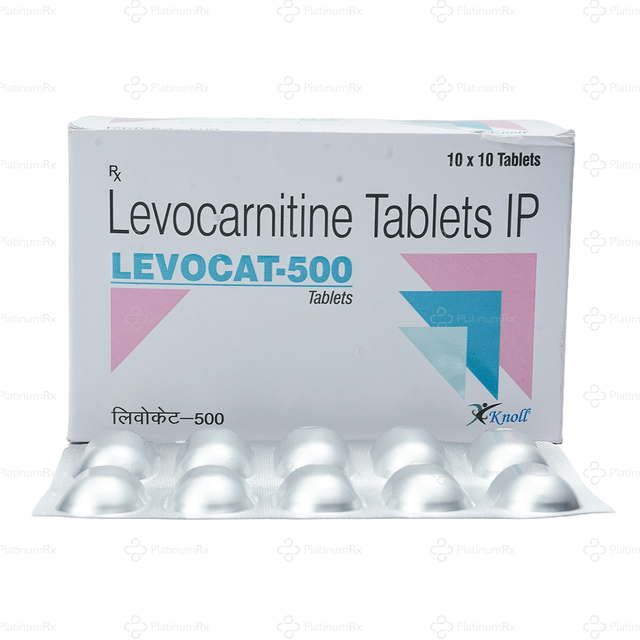
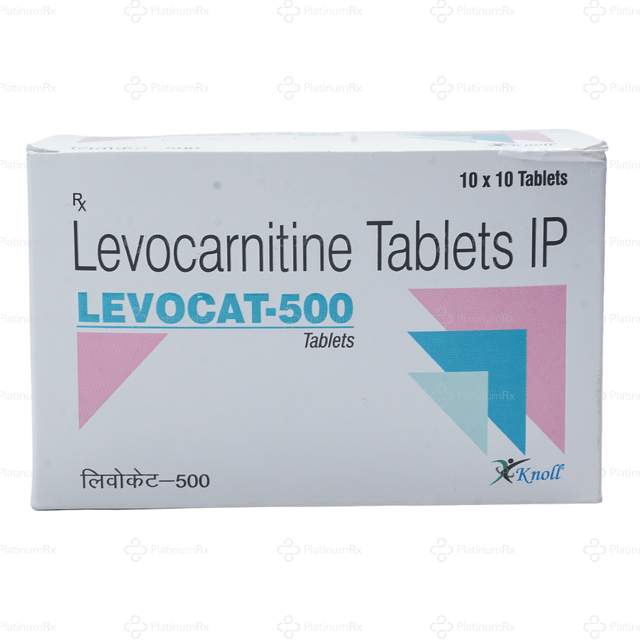
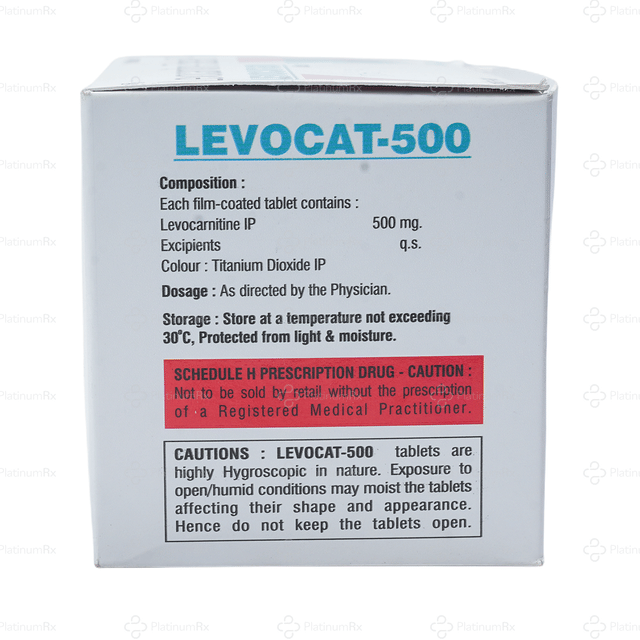
Carnipil Tablet 10s, also called levocarnitine (and sold as a supplement under the name L-carnitine), is a natural substance your body makes from two protein building blocks, lysine and methionine. You also get it from foods such as meat, fish and milk. The body needs it to turn fat into energy. As a medicine, Carnipil Tablet 10s is used to treat carnitine deficiency, which means having too little carnitine in the body. This can happen because of an inherited condition, certain inherited metabolic disorders (conditions in which the body cannot break down some foods properly) or long-term kidney dialysis (a treatment that filters the blood when the kidneys have failed). By refilling the body's carnitine supply, Carnipil Tablet 10s helps cells, especially in the muscles and heart, get the energy they need.


Delivery by
...
FDA & GMP Certified
Long Expiry (>8 Months)
15 Days Easy Returns
Have a question?

Genuine Medicine
Pay On Delivery
Secure Payment

LegitScript Certified Online Pharmacy
Carnipil Tablet 10s, also called levocarnitine (and sold as a supplement under the name L-carnitine), is a natural substance your body makes from two protein building blocks, lysine and methionine. You also get it from foods such as meat, fish and milk. The body needs it to turn fat into energy. As a medicine, Carnipil Tablet 10s is used to treat carnitine deficiency, which means having too little carnitine in the body. This can happen because of an inherited condition, certain inherited metabolic disorders (conditions in which the body cannot break down some foods properly) or long-term kidney dialysis (a treatment that filters the blood when the kidneys have failed). By refilling the body's carnitine supply, Carnipil Tablet 10s helps cells, especially in the muscles and heart, get the energy they need.
Every cell needs energy, and a large share of it comes from burning fat. That burning happens inside tiny energy units in the cell called mitochondria. Long-chain fats cannot get into the mitochondria by themselves. Carnipil Tablet 10s works like a shuttle that carries these fats inside so they can be burned for fuel. It also helps carry certain harmful waste products out of the mitochondria so the body can pass them out in the urine.
Most healthy people make enough carnitine and get the rest from food. Some people do not. In primary carnitine deficiency, an inherited problem stops cells from taking in and holding on to carnitine. This can cause muscle weakness, low blood sugar, heart muscle problems and tiredness, often starting in childhood. Secondary carnitine deficiency can happen with some inherited metabolic disorders, long-term kidney dialysis, or treatment with certain medicines such as valproic acid. In each case, Carnipil Tablet 10s is given to bring carnitine levels back up.
Carnipil Tablet 10s comes as tablets and as an oral solution (a liquid you drink). There is also an injection, given in hospital. People on long-term dialysis receive the injection from their dialysis team after dialysis sessions, rather than the tablets or liquid. The liquid is useful for children and for people who find tablets hard to swallow.
Carnipil Tablet 10s is also sold as a dietary supplement. Researchers have studied it for heart health, male fertility, exercise performance and weight loss, but the results so far have been mixed. When Carnipil Tablet 10s is used to treat a diagnosed deficiency, a doctor should decide the dose and keep an eye on progress. This matters most for people with kidney disease, seizures or an underactive thyroid, and for those taking blood thinners. Large amounts can upset the stomach and cause a fishy body odour, so do not take more than your doctor advised.
Common Side Effects (Usually Mild)
Taking the dose with food, or diluting the liquid more and sipping it slowly, may ease stomach upset.
Serious Side Effects (Seek Urgent Medical Attention)
Inside each cell are tiny energy units called mitochondria, which burn fuel to make energy. Long-chain fatty acids (the main kind of fat in the body) cannot cross into the mitochondria by themselves.
Carnipil Tablet 10s solves this by acting as a carrier. An enzyme (a protein that speeds up a chemical reaction) attaches the fat to Carnipil Tablet 10s. This joined form can pass through the inner wall of the mitochondria. Once inside, the fat is released and broken down for energy in a process called beta-oxidation, and Carnipil Tablet 10s goes back out to pick up more fat. This back-and-forth is often called the "carnitine shuttle".
Carnipil Tablet 10s has a second job too. In some inherited metabolic disorders, harmful acid-type compounds build up in the cells. Carnipil Tablet 10s attaches to them and forms substances that can leave the cell and pass out in the urine. This lowers the toxic load and frees up the cell's own energy machinery.
When carnitine is low, fat cannot be used properly, so muscles and the heart may get weak and blood sugar can drop. Taking Carnipil Tablet 10s restores the supply so the shuttle can work again.

Information on taking Carnipil Tablet 10s during pregnancy is limited. Use it only if your doctor advises, and tell your doctor if you are pregnant or planning a pregnancy.

Carnitine is found naturally in breast milk, but taking extra Carnipil Tablet 10s while breastfeeding has not been well studied. Use it only if your doctor decides the benefit outweighs any possible risk to your baby.

Carnipil Tablet 10s is not known to cause drowsiness. If you have a history of seizures, follow your doctor's advice about driving.

If you have kidney disease, use Carnipil Tablet 10s with caution and only under medical supervision. In severe kidney disease, and in people on dialysis, high doses of the tablets or liquid taken for a long time can let potentially harmful breakdown products build up in the body. People on dialysis are usually given Carnipil Tablet 10s as an injection by their care team instead.

Tell your doctor if you have liver disease so they can decide whether Carnipil Tablet 10s suits you.

There is no well-known interaction between Carnipil Tablet 10s and alcohol. Alcohol can make stomach upset worse, so ask your doctor how much, if any, is safe for you.

Carnipil Tablet 10s is used to treat carnitine deficiency in children. A doctor sets the dose based on the child's body weight.

It can generally be used in older adults. Kidney function, seizure history and other medicines, especially blood thinners, should be checked first.
Tell your doctor and pharmacist about every medicine, supplement and herbal product you take.
Your doctor decides the dose of Carnipil Tablet 10s based on your condition, age, body weight, kidney function and how well you respond. Typical doses are:
Doses are usually split through the day and taken with meals. Supplement amounts of about 3 grams a day have been linked to nausea, vomiting, stomach cramps, diarrhoea and a fishy body odour. Your own dose may differ, so always follow your doctor's prescription. Never take more than prescribed, and do not change your dose or stop Carnipil Tablet 10s without talking to your doctor.
Taking too much Carnipil Tablet 10s mainly causes stomach and gut symptoms, such as:
People with a history of seizures or with kidney failure may be at higher risk of more serious effects. If you think someone has taken too much, get medical help right away or go to the nearest emergency department. Take the medicine pack with you.
If you miss a dose of Carnipil Tablet 10s, take it as soon as you remember, ideally with food. If it is almost time for your next dose, skip the missed one and carry on with your usual schedule. Do not take a double dose to make up for a missed one.
Contact your doctor or get emergency help if you notice:
Therapeutic Class
Nutritional and metabolic agent
Action Class
Carnitine replenisher (fatty acid transport cofactor)
Chemical Class
Quaternary ammonium compound (amino acid derivative)
Habit Forming
No
PlatinumRx is committed to providing reliable and accurate information to support informed customer decisions. However, all information made available on the Platform, including product descriptions, comparisons, and other content, is provided solely for general informational purposes. Such information is not intended to diagnose, prevent, treat, or cure any medical condition, nor should it be relied upon as a substitute for professional medical advice, diagnosis, or treatment.

More Medicines By Gladstone Pharma India Pvt. Ltd.
More Medicines With L Carnitine (Levocarnitine) 500mg
Top Selling Medicines
Top Selling Devices
Top Selling Health Products