


More About Salicylic Acid
Quick Summary
Salicylic Acid (Salicylic Acid) is a keratolytic (peeling agent) used on the skin to treat conditions linked to excess buildup of skin cells. It is commonly prescribed for acne, psoriasis, and seborrheic dermatitis, and may also be used for warts, corns, and calluses. It works by softening and loosening keratin, which helps the outer layer of skin shed more easily and keeps pores from becoming blocked. It is available in a range of topical forms such as creams, gels, lotions, pads, and medicated shampoos, allowing treatment to be tailored to different skin conditions.
Detailed Description
Salicylic Acid contains salicylic acid, a keratolytic agent from the beta-hydroxy acid (BHA) group. It is used to manage a range of skin conditions where there is excessive buildup of dead skin cells. The medicine works by softening and breaking down keratin, a protein that forms part of the skin structure. This helps loosen the outer layer of skin, allowing dead cells to shed more easily and reducing blockage of pores.
Because it is oil-soluble, Salicylic Acid can penetrate into pores and help clear accumulated debris. This action may reduce blackheads and whiteheads in acne. In conditions such as psoriasis and seborrheic dermatitis, it helps reduce scaling and flaking by thinning thickened skin. When used for warts, corns, or calluses, it gradually softens and removes the hardened skin over time.
In addition to its keratolytic effect, Salicylic Acid has mild anti-inflammatory and antimicrobial properties, which may help reduce redness and irritation associated with certain skin conditions. Its effects depend on the concentration used, with lower strengths typically used for acne and higher strengths for thicker skin lesions.
Salicylic Acid is intended for external use and should be used as advised by your doctor. It is generally well tolerated when applied to limited areas, but excessive or prolonged use, especially over large areas, may increase the chance of irritation or unwanted effects. Proper use as directed helps achieve the desired skin benefits while minimising irritation.
Uses of Salicylic Acid
Salicylic Acid may be indicated by your doctor for:
Acne Vulgaris
To treat and prevent whiteheads, blackheads, and inflammatory pimples.
Psoriasis
To help remove scales and soften thick plaques on the body or scalp.
Seborrheic Dermatitis
To manage dandruff and itchy, flaky skin on the scalp.
Warts and Verrucas
For the gradual removal of common and plantar warts.
Corns and Calluses
To soften and thin thickened areas of skin caused by friction or pressure.
Ichthyosis
To manage rare conditions involving excessively dry, scaly skin.
Benefits of Salicylic Acid
Salicylic Acid may provide benefits such as:
- Helps remove excess dead skin cells, supporting smoother and clearer skin.
- May help reduce clogged pores, which can improve blackheads and whiteheads in acne.
- Helps soften thickened skin, making it easier to manage conditions like corns and calluses.
- May reduce scaling and flaking in conditions such as psoriasis and seborrheic dermatitis.
- Supports gradual removal of warts by breaking down hardened skin over time.
- Helps improve overall skin texture by promoting natural skin shedding.
- Can improve the effectiveness of other topical treatments by allowing better skin penetration.
Side Effects of Salicylic Acid
Salicylic Acid is generally well tolerated when used as directed. Because it works on the outer layer of the skin, most side effects are local and mild.
Common side effects may include
- Mild stinging or burning sensation at the application site
- Skin dryness or flaking
- Redness or slight irritation
- Peeling of the treated skin
Less common side effects may include
- Increased skin sensitivity
- Temporary changes in skin color
- Mild swelling or discomfort at the application site
Serious side effects (uncommon) may include
- Severe skin irritation, such as intense redness, blistering, or pain
- Signs of an allergic reaction, such as rash, itching, swelling, or difficulty breathing
- Symptoms of excessive absorption (salicylate effects), such as dizziness, ringing in the ears, or rapid breathing, especially if used over large areas or for prolonged periods
- Always consult your doctor if any side effects persist, worsen, or feel unusual while using Salicylic Acid.
Directions for Use
Use Salicylic Acid exactly as directed by your doctor, based on the prescribed formulation and strength.
- For acne washes: It may be applied to damp skin, gently massaged, and then rinsed off. Your doctor will advise how often it should be used.
- For gels, lotions, or creams: The skin is usually cleaned and dried first, after which a thin layer may be applied only to the affected areas.
- For wart, corn, or callus treatments: The area may be softened by soaking in warm water, then dried before applying Salicylic Acid carefully only to the affected lesion, avoiding surrounding healthy skin.
- For medicated shampoos: It may be applied to the scalp, left for a short period as directed, and then rinsed thoroughly. Frequency and contact time will be determined by your doctor or product instructions.
Do not use on broken, irritated, or infected skin. Avoid contact with eyes, nose, mouth, and other mucous membranes. Wash your hands after application unless your hands are the area being treated.
How it works
Salicylic Acid (salicylic acid) works as a keratolytic agent that helps remove excess dead skin cells from the outer layer of the skin. It reduces the cohesion between skin cells in the stratum corneum by breaking down the bonds between keratinised cells.
Because it is oil-soluble, it can enter pores and hair follicles and help loosen material that contributes to blockage, such as dead skin cells. This may help unclog pores and support improvement in conditions like acne.
In conditions with thickened or scaly skin, Salicylic Acid gradually softens and breaks down excess keratin. With continued use, this leads to controlled shedding of the outer skin layer, which is why it is used in conditions such as warts, corns, calluses, dandruff, and psoriasis.
It may also have mild anti-inflammatory effects, which can help reduce irritation in some skin conditions.
Safety Advice for Salicylic Acid

Pregnancy
Unsafe
Low-concentration face washes are usually considered safe, but high-strength peels or large-area applications should be avoided.

Breastfeeding
Safe
Generally safe for topical use, but do not apply to the breast area to prevent the infant from ingesting the medicine.

Driving
Safe
Topical use does not affect your ability to drive.

Liver
Safe
Minimal systemic absorption means it is generally safe for those with liver issues.

Kidney
Safe
Generally safe, though avoid large-scale application if you have severe kidney disease.

Alcohol
Safe
No known interactions with alcohol for topical use.
Quick Tips for Salicylic Acid
- Your doctor may suggest starting with a lower concentration of Salicylic Acid to assess skin tolerance, with adjustments made based on response.
- Sun exposure may increase skin sensitivity during treatment, so your doctor may recommend sun protection measures when needed.
- If dryness, peeling, or irritation becomes uncomfortable, your doctor may advise reducing the frequency of application.
- Certain skin lesions, such as moles, birthmarks, or atypical growths, are generally not self-treated and should be evaluated by a doctor before use of keratolytic agents.
- For acne-related use, improvement may take several weeks, and consistent use as directed by your doctor is usually important for best results.
- Application is typically limited to affected areas only, to reduce irritation on surrounding healthy skin.
Storage Advice
- Store at room temperature in a cool, dry place.
- Keep the container tightly closed and away from open flames (some formulations are flammable).
- Protect from direct sunlight and moisture.
- Keep out of the reach of children and pets.
Drug-Food Interaction
- General Diet (NO INTERACTION): There are no known interactions between food and topical salicylic acid.
Interactions with Other Drugs
- Other Acne Meds (CAUTION): Using with Benzoyl Peroxide or Retinoids may cause excessive dryness and irritation. Space out applications if necessary.
- Topical Steroids (MODERATE): Salicylic acid can increase the absorption of steroid creams; follow your doctor's instructions for combination use.
Drug-Disease Interactions
- Diabetes/Peripheral Vascular Disease (SEVERE): Patients with poor circulation should not use high-strength salicylic acid on their feet (for warts/corns) due to the risk of slow-healing sores or infection.
- Flu or Chickenpox in Children (CAUTION): Avoid using on large areas in children recovering from viral infections due to the theoretical risk of Reye’s syndrome.
Overdose
Overdose with topical Salicylic Acid (salicylic acid) is uncommon when it is used as directed. If Salicylic Acid is accidentally swallowed, it may cause more serious effects and should be treated as a medical emergency.
If an overdose is suspected or if unusual symptoms develop during use, seek emergency medical attention immediately.
What If You Forget to take Salicylic Acid?
If you miss an application, use it as soon as you remember. If it is almost time for your next scheduled application, skip the missed one. Do not apply extra medication to make up for a missed dose.
Fact Box
Therapeutic Class
Dermatological Agent
Action Class
Keratolytic Agent
Chemical Class
Beta-Hydroxy Acid (BHA)
Habit Forming
No
Checkout Editorial Policy
Salicylic Acid in other salts
Top Selling Medicines
Top Health Products
Top Selling Devices
Related Medications

Salicylic Acid 1% w/v
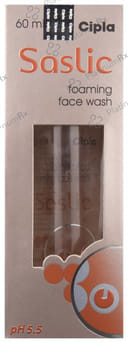
₹360.8
MRP ₹440
Salicylic Acid 1% w/w
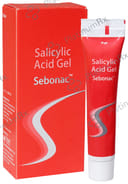
₹276.8
MRP ₹337.5
Salicylic Acid 3% w/w

₹44
MRP ₹53.6
Glycolic acid + Niacinamide + Salicylic acid
₹573.2
MRP ₹699
Salicylic Acid 12% w/w
₹102.5
MRP ₹201
Salicylic Acid
₹30.8

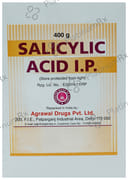
Salicylic acid I.P
₹544
Salicylic Acid + Triclosan
₹3,675
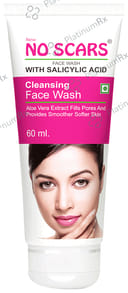
Salicylic acid I.P.
₹80
Arginine + Salicylic acid
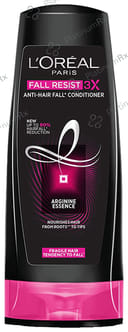
₹199
Salicylic Acid + Zinc
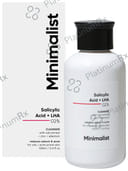
₹299
Salicylic Acid 30mg
₹7,000
Arginine + Salicylic acid
₹85
Hyluronic acid serum + Salicylic acid
₹859
Hyluronic acid serum + Salicylic acid
₹599
Glycolic acid + Niacinamide + Salicylic acid
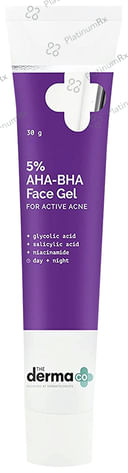
₹439
Hyluronic acid serum + Salicylic acid
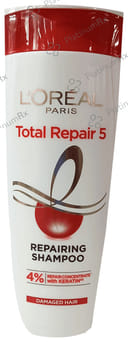
₹379
Hyluronic acid serum + Salicylic acid
₹228
Coal Tar + Salicylic Acid
₹174
Betatine + Capryloyl Salicylic Acid (LHA) + Glycerin + Niacinamide + Salicylic Acid (BHA)
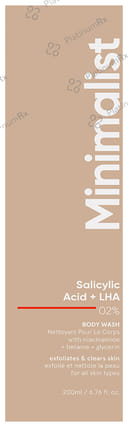
₹349
Glycolic Acid 1% + Salicylic Acid 2%
MRP ₹431
Aloe vera + Glycolic acid + Salicylic acid
₹130
Hyaluronic acid 1% + Salicylic acid 2%
₹599
Glycolic acid + Salicylic acid + Vitamin E
₹160
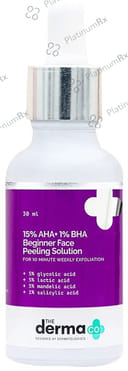
Glycolic acid + Lactic acid + Mandelic acid + Salicylic acid
₹499