100% Same
Salt CompositionEffectivenessStrength
 49%
49%with Substitute Medicine
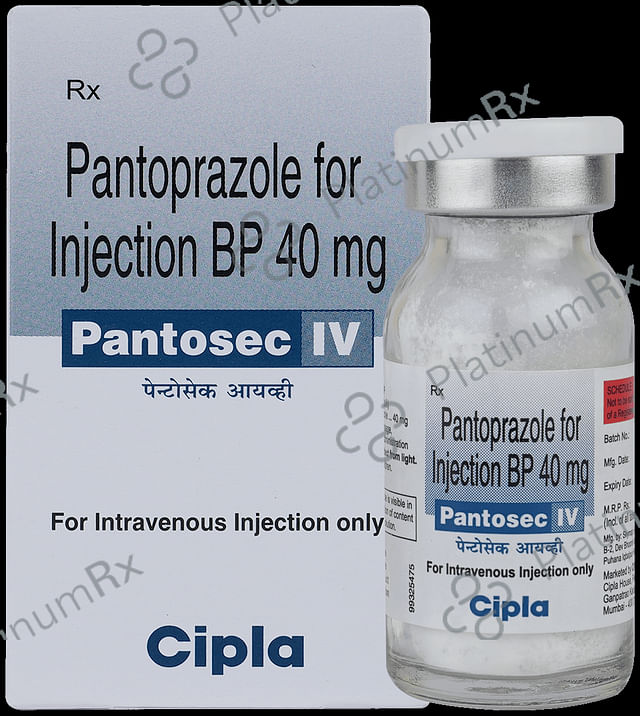
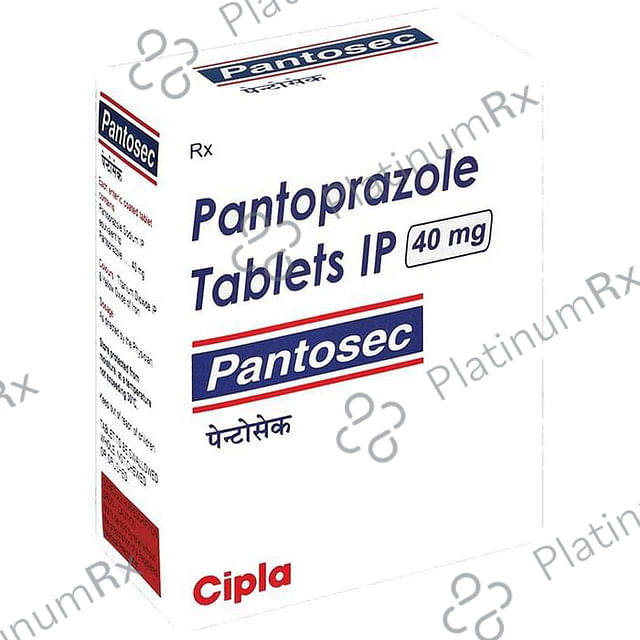
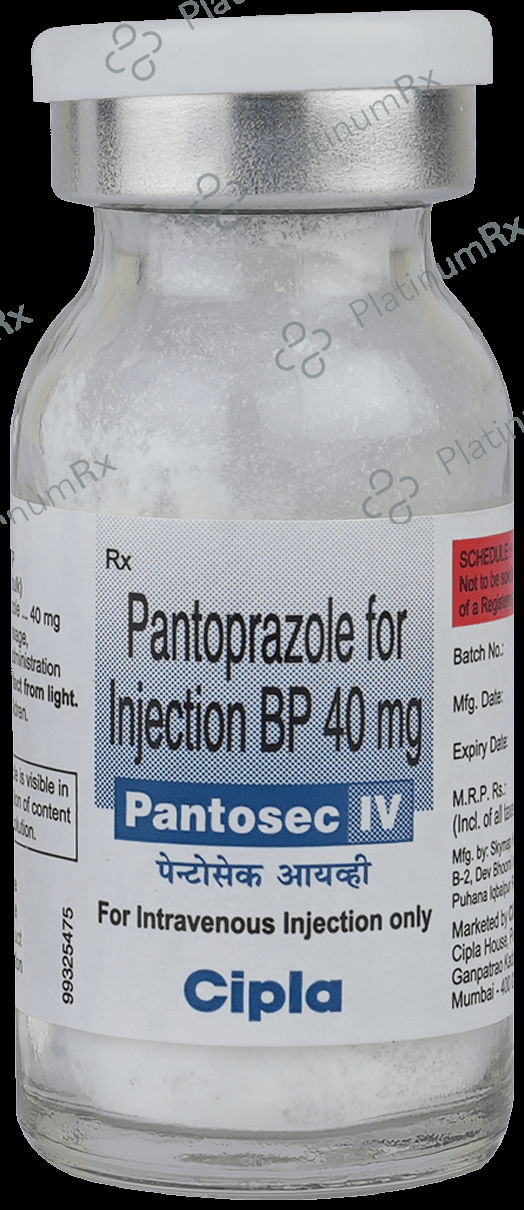
 Salt Composition in both
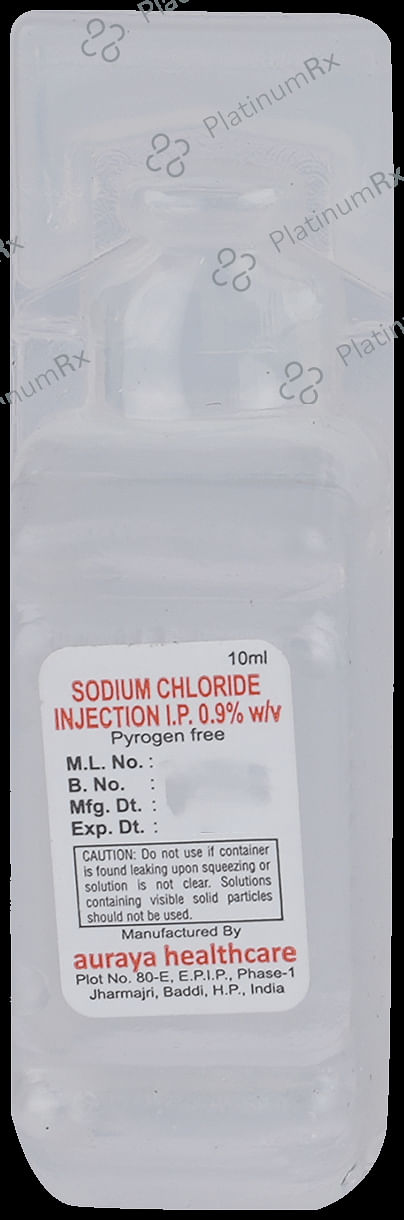
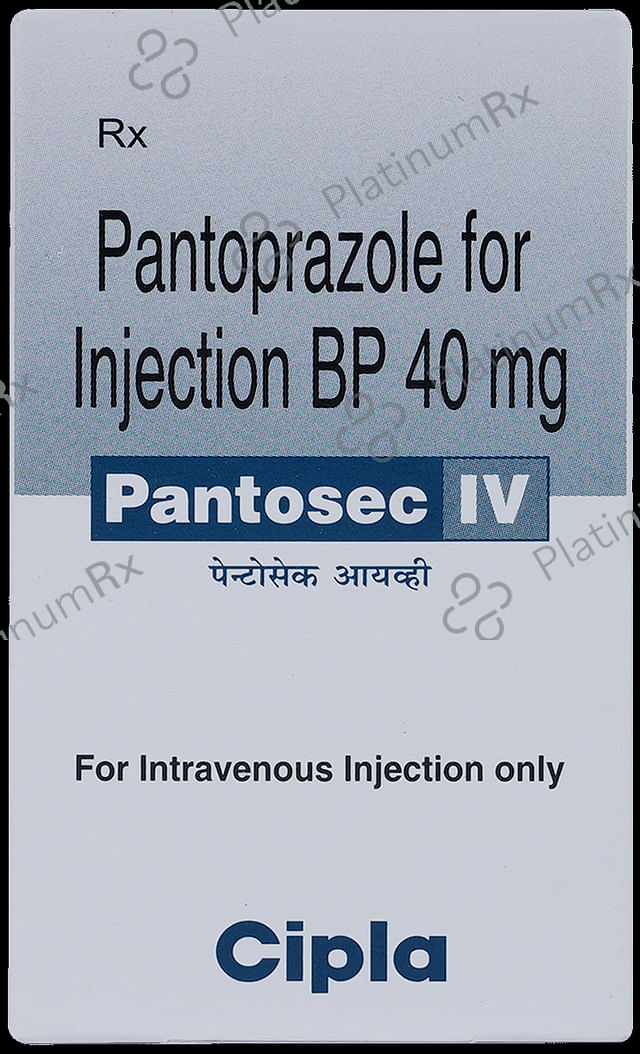
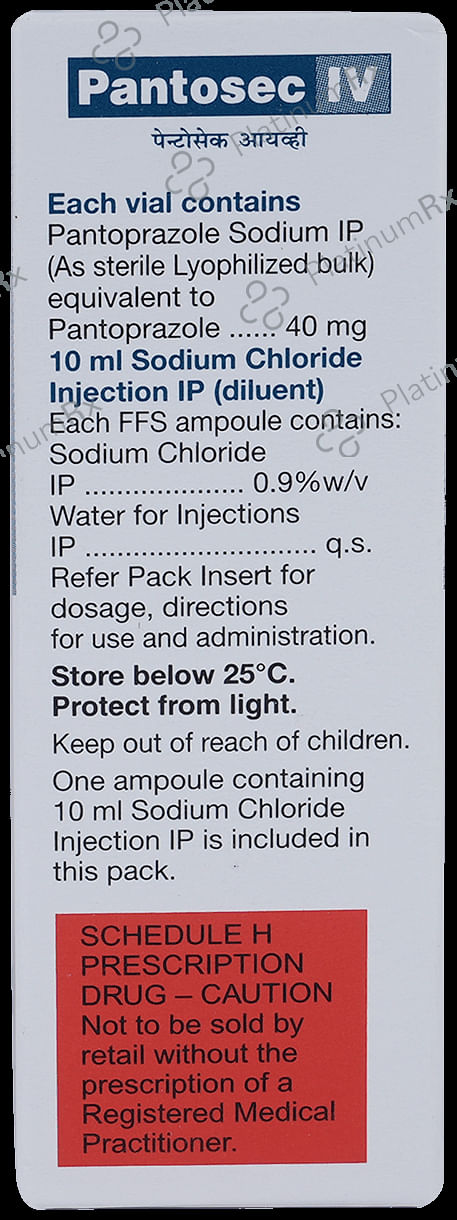
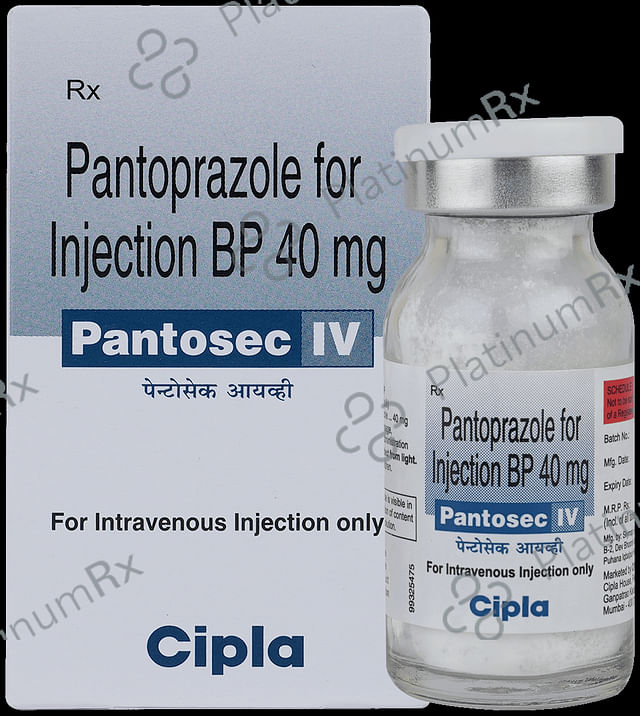




WHO GMP
Certified

15 Days Easy
Returns

Long Expiry
(>8 Months)

WHO GMP
Certified

15 Days Easy
Returns

Long Expiry
(>8 Months)

Delivery by
Uses of Candipan IV 40mg Injection

Customers also bought

More About Candipan IV 40mg Injection
Quick Summary
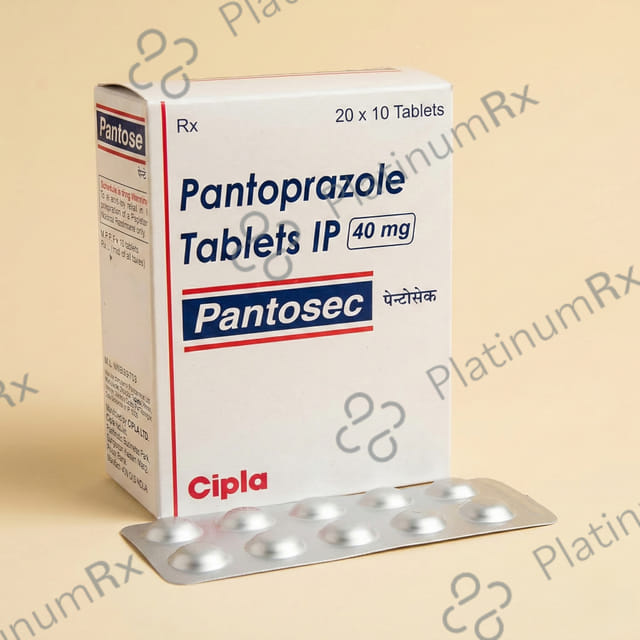
Pantoprazole is a proton pump inhibitor (PPI) used to treat acid-related stomach and oesophageal conditions such as gastroesophageal reflux disease (GERD), peptic ulcers, and Zollinger–Ellison syndrome. It works by reducing stomach acid production, providing relief from heartburn, acid reflux, and oesophageal irritation. Regular use promotes healing of acid damage and prevents recurrence of ulcers or acid-related discomfort.
Detailed Description
Pantoprazole is a prescription medicine that belongs to the class of drugs known as proton pump inhibitors (PPIs). It works by irreversibly inhibiting the hydrogen-potassium ATPase (proton pump) in the stomach lining, which secretes gastric acid. By suppressing excessive acid production, Pantoprazole helps alleviate symptoms such as heartburn, regurgitation, and acid indigestion. This medicine is commonly prescribed to treat gastroesophageal reflux disease (GERD), erosive oesophagitis, and stomach or duodenal ulcers. It is also effective in preventing stomach damage caused by long-term use of NSAIDs (non-steroidal anti-inflammatory drugs). In patients with Zollinger-Ellison syndrome, a rare condition of excessive acid secretion, Pantoprazole helps manage acid overproduction and protects the digestive tract. Pantoprazole can be taken once daily, usually before meals, and may be used alone or with other medicines such as antibiotics to eradicate Helicobacter pylori infection. Consistent use promotes healing of acid-related mucosal damage and provides long-term relief from recurrent acidity. Always take Pantoprazole under medical supervision and as prescribed for best results.
Uses of Candipan Iv 40mg Injection
- Treatment of gastroesophageal reflux disease (GERD)
- Healing and prevention of stomach and duodenal ulcers
- Management of Zollinger–Ellison syndrome (excess acid production)
- Prevention of NSAID-induced gastric ulcers
- Treatment of erosive oesophagitis
- Used in combination therapy for H. pylori infection
Benefits of Candipan Iv 40mg Injection
1. Provides Effective Relief from Acidity and Heartburn
Pantoprazole effectively blocks excessive stomach acid secretion, providing quick and lasting relief from acidity, heartburn, and acid reflux. By reducing acid levels, it soothes irritation in the oesophagus and stomach lining, helping you feel more comfortable after meals. It’s ideal for those struggling with frequent burning sensations or acid indigestion.
2. Promotes Healing of Ulcers and Oesophageal Damage
Continuous acid suppression with Pantoprazole allows the stomach and oesophagus to heal naturally from acid-induced injuries such as ulcers and inflammation. Maintaining a balanced pH level prevents further tissue irritation and supports recovery from erosive oesophagitis, restoring digestive health and comfort.
3. Prevents Recurrence of Acid Related Disorders
Regular use of Pantoprazole not only treats but also prevents the recurrence of acid-related conditions like GERD, gastritis, and peptic ulcers. It helps maintain long-term balance in acid secretion, protecting against recurrent flare-ups and providing sustained digestive relief for chronic acid reflux sufferers.
4. Protects Against NSAID-Induced Ulcers
Painkillers such as ibuprofen and aspirin can irritate the stomach lining with prolonged use. Pantoprazole acts as a protective shield by reducing acid exposure and preventing ulcer formation. It’s often prescribed alongside NSAIDs to safeguard the digestive tract from erosion or bleeding complications.
5. Manages Zollinger Ellison Syndrome
Pantoprazole plays a vital role in managing Zollinger-Ellison syndrome, a rare disorder characterised by excessive acid secretion. It effectively suppresses overproduction of gastric acid, easing symptoms like severe heartburn and ulceration. This control helps prevent further digestive complications and improves patient comfort.
6. Improves Quality of Life
By alleviating persistent acid reflux, bloating, and discomfort, Pantoprazole significantly enhances overall well-being. Patients often experience better eating habits, reduced nighttime disturbances, and improved energy levels. With consistent use, it allows individuals to enjoy meals and daily routines without fear of acidity.
7. Convenient Once Daily Dosage
Pantoprazole 40 mg provides 24-hour acid control with a single daily dose, making it simple and convenient for users. This once-daily regimen ensures continuous relief from acidity throughout the day and night, improving adherence and long-term treatment outcomes for busy individuals.
8. Helps in H. pylori Eradication Therapy
When combined with antibiotics, Pantoprazole plays an essential role in eliminating Helicobacter pylori, a bacteria responsible for chronic gastritis and peptic ulcers. By lowering stomach acid, it enhances the antibiotics’ effectiveness, promotes ulcer healing, and reduces the risk of recurrence or reinfection.
9. Well-Tolerated and Safe for Long-Term Use
Pantoprazole is known for its excellent safety profile and minimal side effects, even when used for extended periods. It is generally well-accepted by patients and can be continued under medical supervision to manage chronic acid disorders without major complications or dependency risks.
10. Suitable for Both Acute and Maintenance Therapy
Pantoprazole can be used flexibly for short-term relief of acute acidity or long-term maintenance in recurring GERD and ulcer conditions. Its ability to adapt to both treatment phases makes it a reliable choice for sustained digestive health and protection against acid-related damage.
Side Effects of Candipan Iv 40mg Injection
- Headache
- Diarrhoea or constipation
- Nausea or vomiting
- Abdominal pain or bloating
- Flatulence (gas)
- Dizziness or fatigue
- Dry mouth
- Joint or muscle pain (rare)
- Long-term use may lead to vitamin B12 deficiency, low magnesium levels, or increased fracture risk
Directions for Use
- Take Pantoprazole exactly as prescribed by your doctor.
- Usually taken once daily, preferably 30 to 60 minutes before a meal.
- Swallow the tablet whole with water; do not crush, chew, or break it.
- Continue taking the medicine for the full duration advised by your doctor, even if symptoms improve.
- If prescribed for H. pylori infection, take it alongside the full course of antibiotics as directed.
How it Works
Pantoprazole works by selectively inhibiting the final step of gastric acid production in the stomach. Normally, the parietal cells of the stomach contain an enzyme called H⁺/K⁺-ATPase, also known as the proton pump, which exchanges hydrogen ions (H⁺) with potassium ions (K⁺). This exchange leads to the release of hydrochloric acid (HCl) into the stomach, essential for digestion but also responsible for acidity and heartburn when produced in excess. Pantoprazole, a substituted benzimidazole derivative, is a proton pump inhibitor (PPI) that becomes activated in the highly acidic environment of the parietal cell canaliculi. In this environment, pantoprazole is converted into its active sulfenamide form, which binds covalently to the sulfhydryl groups of cysteine residues on the H⁺/K⁺-ATPase enzyme. By forming these disulfide bonds, pantoprazole irreversibly blocks the proton pump, effectively halting gastric acid secretion. This inhibition is stronger and longer-lasting than that of H₂ receptor blockers, as acid production resumes only when new proton pumps are synthesised by the body. The result is a sustained reduction in stomach acidity, allowing ulcers, oesophageal inflammation, and other acid-related disorders to heal efficiently.
Safety Advice for Candipan Iv 40mg Injection

Pregnancy
Moderate
Pantoprazole should be used during pregnancy only if it is clearly necessary and prescribed by your doctor. If you are pregnant or planning to become pregnant, it is important to discuss with your healthcare provider whether the potential benefits of using Pantoprazole outweigh the possible risks. Self-medication during pregnancy is not recommended.

Breastfeeding
Moderate
Pantoprazole may pass into breast milk in small amounts. If you are breastfeeding, consult your doctor before taking this medicine. Your healthcare provider may assess the necessity of treatment or suggest temporary discontinuation of breastfeeding while on medication to minimise infant exposure.

Driving
Mild
Pantoprazole usually does not affect mental alertness or the ability to drive. However, in some individuals, side effects such as dizziness, blurred vision, or drowsiness may occur. If you experience these symptoms after taking Pantoprazole, it is advisable to avoid driving.

Alcohol
Moderate
Alcohol consumption should be avoided or limited while taking Pantoprazole. Alcohol can irritate the stomach lining and worsen acid reflux, thereby reducing the effectiveness of the medication. Additionally, alcohol may increase the risk of stomach discomfort or heartburn.
Food & Lifestyle
Mild to Moderate
To improve the effectiveness of Pantoprazole and reduce acid-related discomfort, maintain a healthy lifestyle and make simple dietary changes. Avoid spicy, oily, and acidic foods, as well as caffeine and smoking, which can trigger acid reflux. Eat smaller, frequent meals, maintain a healthy weight, and avoid lying down for at least 2–3 hours after eating. Wearing loose-fitting clothes can also help prevent pressure on the stomach and reduce reflux symptoms.
Quick Tips for Candipan Iv 40mg Injection
- Take Pantoprazole before meals for maximum benefit.
- Do not stop suddenly; complete the prescribed course.
- Avoid skipping doses for consistent acid suppression.
- Inform your doctor if you experience persistent diarrhoea, muscle cramps, or unusual tiredness.
- Long-term users should monitor vitamin B12 and magnesium levels periodically.
- Store in a cool, dry place and keep out of children’s reach.
Storage Advice
- Store below 25°C, in a dry place away from direct light and moisture.
- Keep the tablet in its original blister pack until use.
- Do not use after the expiry date printed on the packaging.
Drug-Food Interaction
Pantoprazole should be taken before food for optimal acid suppression.
Avoid:
- Excessive caffeine (coffee, cola, energy drinks)
- Alcohol and smoking
- Highly spicy or acidic foods
- Large, heavy meals before bedtime
Interactions with Other Drugs
Inform your doctor about all medicines you take. Pantoprazole may interact with:
- Warfarin or anticoagulants: May increase the blood-thinning effect, raising the risk of bleeding.
- Methotrexate: Can elevate methotrexate levels, increasing the risk of toxicity; dose adjustment may be required.
- Ketoconazole or itraconazole: May reduce the absorption and effectiveness of these antifungal medicines.
- HIV medicines (atazanavir, nelfinavir): Can lower drug absorption, reducing antiviral effectiveness.
- Digoxin: May increase digoxin absorption, raising the risk of digoxin-related side effects or toxicity.
- Diuretics: Can cause low magnesium levels in the blood, leading to muscle cramps or irregular heartbeat.
Drug-Disease Interactions
Use Pantoprazole cautiously if you have:
- Severe liver disease
- Osteoporosis or low bone density
- Vitamin B12 deficiency
- Low magnesium or calcium levels
- Gastrointestinal infections (as reduced acid may promote bacterial growth)
Daily Dose
The usual adult dose is once daily, taken before breakfast. For Zollinger–Ellison syndrome or severe cases, the dose may be increased under supervision. For maintenance therapy in GERD, your doctor may recommend a lower dose after healing. Do not alter or stop the dose without medical advice.
Overdose
An overdose of Pantoprazole is rare but may cause dizziness, confusion, rapid heartbeat, nausea, or drowsiness. Seek medical attention immediately if overdose is suspected. Supportive care and monitoring will be provided as necessary.
What If You Forget to take Candipan Iv 40mg Injection?
If you forget to take a dose, take it as soon as you remember. However, if it’s almost time for your next scheduled dose, skip the missed one and continue your regular schedule. Do not take two doses at once. Maintaining regular timing improves effectiveness in acid control.
Fact Box
Therapeutic Class
Gastrointestinal / Acid Suppression Therapy
Action Class
Proton Pump Inhibitor (PPI) – Acid Suppressant
Chemical Class
Proton Pump Inhibitor (Benzimidazole derivative)
Habit Forming
No


Disclaimer
PlatinumCare is dedicated to delivering dependable and trustworthy information to empower our customers. However, the information presented here is solely for general informational purposes and should not be utilized for diagnosing, preventing, or treating health issues. It is not intended to establish a doctor-patient relationship or serve as a substitute for professional medical advice.
More Medicines By Manufacturer
More Medicines With Salt
Top Selling Medicines
Top Selling Devices
Flat ₹100 off on first app order | Use Code: APP100 |
Flat ₹100 off on first app order
USE CODE: APP100

Download Now


