Rejulac Sachet 1s

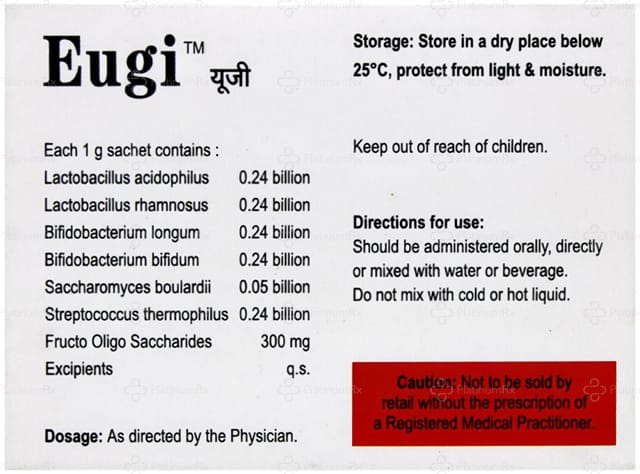
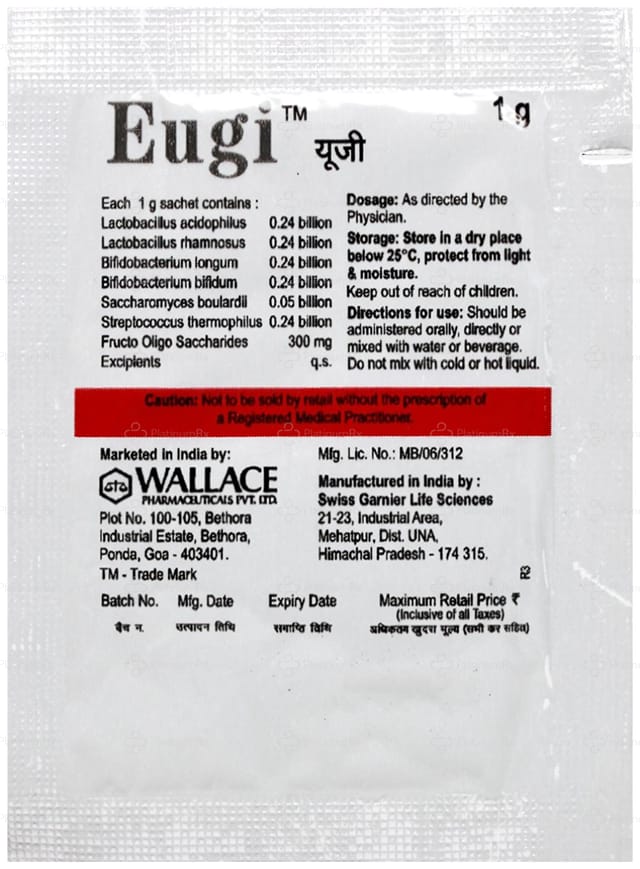
Rejulac Sachet 1s] is a multi-strain synbiotic formulation combining six probiotic microorganisms with fructo-oligosaccharide (FOS), a prebiotic that selectively nourishes beneficial gut bacteria. The probiotic strains include two Bifidobacterium species, two Lactobacillus species, Saccharomyces boulardii, and Streptococcus thermophilus, collectively providing broad-spectrum restoration and maintenance of gut microbiome balance. FOS supports the growth and activity of these beneficial organisms, enhancing the overall synbiotic effect. This combination is used in the management of dysbiosis, antibiotic-associated diarrhoea, irritable bowel syndrome, and immune support. Always use Rejulac Sachet 1s] exactly as directed by your doctor.
Written by: Syed Jommy Abbas, B. Pharma
Reviewed by: Dr. Rohit Kolhe, MBBS
Last updated on: 02-06-2026




Delivery by
...
FDA & GMP Certified
Long Expiry (>8 Months)
15 Days Easy Returns
Medicine Comparison
Have a question?

Genuine Medicine
Pay On Delivery
Secure Payment

LegitScript Certified Online Pharmacy

More About Rejulac Sachet 1s
Quick Summary
Rejulac Sachet 1s] is a multi-strain synbiotic formulation combining six probiotic microorganisms with fructo-oligosaccharide (FOS), a prebiotic that selectively nourishes beneficial gut bacteria. The probiotic strains include two Bifidobacterium species, two Lactobacillus species, Saccharomyces boulardii, and Streptococcus thermophilus, collectively providing broad-spectrum restoration and maintenance of gut microbiome balance. FOS supports the growth and activity of these beneficial organisms, enhancing the overall synbiotic effect. This combination is used in the management of dysbiosis, antibiotic-associated diarrhoea, irritable bowel syndrome, and immune support. Always use Rejulac Sachet 1s] exactly as directed by your doctor.
Detailed Description
Rejulac Sachet 1s] is a synbiotic formulation combining the distinct and complementary properties of six probiotic strains with the prebiotic substrate fructo-oligosaccharide.
Bifidobacterium longum is one of the most prevalent and clinically studied gut commensals. It produces short-chain fatty acids that acidify the colonic environment, inhibiting pathogenic organisms, reducing intestinal permeability, and modulating immune responses. It also reduces pro-inflammatory cytokine production and is particularly beneficial in irritable bowel syndrome and antibiotic-associated dysbiosis.
Bifidobacterium bifidum colonises the large intestine and mucous membranes of the gut, where it supports barrier integrity and competes with pathogens for adhesion sites. It produces lactic and acetic acid, reducing luminal pH and inhibiting pathogen growth.
Lactobacillus acidophilus is a well-established probiotic with strong adhesion to intestinal epithelial cells. It produces bacteriocins and lactic acid that inhibit enteric pathogens, supports lactase activity reducing lactose intolerance symptoms, and modulates immune responses by stimulating regulatory T cells.
Lactobacillus rhamnosus is one of the most extensively studied probiotic strains. It is particularly effective in preventing and reducing the duration of antibiotic-associated and infectious diarrhoea, strengthening tight junction proteins of the gut barrier, and modulating mucosal immune responses.
Saccharomyces boulardii is a non-pathogenic yeast probiotic resistant to antibiotics, allowing it to remain effective during antibiotic therapy. It inhibits pathogen toxin binding, reduces intestinal secretion, and stimulates secretory IgA production at mucosal surfaces.
Streptococcus thermophilus produces lactase and lactic acid, supporting lactose digestion, reducing gut inflammation, and contributing to a favourable gut environment for other probiotic strains.
Fructo-oligosaccharide is a non-digestible prebiotic fibre that selectively stimulates the growth and metabolic activity of Bifidobacterium and Lactobacillus species. By providing a specific fermentable substrate, FOS enhances the colonisation, survival, and efficacy of the probiotic components.
Uses of Rejulac Sachet 1s
The uses of Rejulac Sachet 1s] are as follows:
Antibiotic-Associated Diarrhoea
Rejulac Sachet 1s] is used to prevent and manage diarrhoea resulting from antibiotic-induced disruption of gut microbiome balance.
Irritable Bowel Syndrome
It is used to reduce symptoms of bloating, altered bowel habits, and abdominal discomfort associated with IBS.
Infectious Diarrhoea
Saccharomyces boulardii and Lactobacillus rhamnosus are particularly effective in reducing the duration and severity of acute infectious diarrhoea.
Restoration of Gut Microbiome after Illness
It is used to replenish and diversify the gut microbiome following dysbiosis caused by illness, antibiotics, or dietary disruption.
Lactose Intolerance Support
Lactobacillus acidophilus and Streptococcus thermophilus support lactase activity, reducing symptoms of lactose intolerance.
Immune Support
The combined immunomodulatory activity of the probiotic strains supports mucosal and systemic immune function.
Benefits of Rejulac Sachet 1s
Here are the benefits of Rejulac Sachet 1s]:
- Broad-Spectrum Microbiome Restoration: Six complementary probiotic strains address multiple colonic niches simultaneously, providing more comprehensive gut microbiome support than single-strain formulations.
- Synbiotic Enhancement: FOS selectively nourishes probiotic strains, enhancing their colonisation, survival, and therapeutic activity in the gut.
- Antibiotic-Resistant Probiotic Component: Saccharomyces boulardii is naturally resistant to antibiotics, maintaining probiotic activity during antibiotic courses.
- Gut Barrier Strengthening: Multiple strains including Lactobacillus rhamnosus and Bifidobacterium longum support tight junction integrity and reduce intestinal permeability.
- Mucosal Immune Modulation: Combined stimulation of secretory IgA, regulatory T cells, and anti-inflammatory cytokines supports balanced mucosal immune responses.
- Supports Lactose Digestion: Lactase-producing strains reduce bloating and discomfort in lactose-intolerant individuals.
Side Effects of Rejulac Sachet 1s
Like all medicines, Rejulac Sachet 1s] may cause side effects in some individuals.
Common Side Effects
- Bloating and Flatulence: Fermentation of FOS and probiotic activity in the colon may cause temporary bloating and increased gas during the first few days of use.
- Mild Abdominal Discomfort: Some individuals experience transient cramping or loose stools during the initial adjustment period.
- Altered Bowel Habits: Changes in stool frequency or consistency may occur during the first one to two weeks of use.
Uncommon Side Effects
- Nausea: Mild nausea may occur, particularly when taken on an empty stomach.
- Increased Thirst: Some individuals report mild increased thirst, particularly with higher FOS doses.
Serious Side Effects (Require Immediate Medical Attention)
- Severe Allergic Reaction: Swelling of the face, lips, or throat with difficulty breathing requires urgent medical care.
- Systemic Infection in Immunocompromised Patients: Probiotic organisms may rarely cause bacteraemia or fungaemia in severely immunocompromised individuals. Use requires specialist guidance in this population.
Always consult your doctor if side effects persist or worsen.
Directions for Use
To ensure safe use:
- Use exactly as prescribed or recommended by your doctor.
- Usually taken orally once or twice daily with food or as directed.
- Take at a consistent time each day for reliable colonisation benefit.
- When used during antibiotic therapy, separate the probiotic dose from the antibiotic dose by at least two hours, except for Saccharomyces boulardii which may be taken simultaneously.
- Do not exceed the prescribed dose.
How it works
Rejulac Sachet 1s] works through multiple complementary mechanisms that collectively restore and maintain gut microbiome balance and mucosal immune function.
Lactobacillus and Bifidobacterium species produce lactic and acetic acids, lowering colonic pH and inhibiting the growth of pathogenic organisms through competitive exclusion. They also produce bacteriocins, antimicrobial peptides that directly inhibit enteric pathogens, and reinforce tight junction proteins between intestinal epithelial cells, reducing barrier permeability.
Lactobacillus rhamnosus and Bifidobacterium longum modulate mucosal immune responses by stimulating secretory IgA production, enhancing regulatory T cell activity, and reducing pro-inflammatory cytokine production, supporting a balanced and non-excessive immune response at mucosal surfaces.
Saccharomyces boulardii inhibits pathogen toxin binding to intestinal receptors and reduces pathogen-induced secretory diarrhoea. Its resistance to antibiotics ensures continued probiotic activity during antibiotic treatment when bacterial strains may be suppressed.
FOS passes undigested to the colon where it is selectively fermented by Bifidobacterium and Lactobacillus species, stimulating their growth and short-chain fatty acid production. Short-chain fatty acids including butyrate provide energy for colonocytes, reduce colonic pH, and exert anti-inflammatory effects on the intestinal mucosa.
Safety Advice for Rejulac Sachet 1s

Allergy
Caution
Inform your doctor of any known allergy to yeast, dairy-derived organisms, or FOS before use. Saccharomyces boulardii is yeast-derived.

Breastfeeding
Safe
Probiotic and prebiotic supplementation is generally considered safe during breastfeeding. Consult your doctor for guidance.

Pregnancy
Safe
Probiotic formulations are generally considered safe during pregnancy at recommended doses. Use as directed by your doctor.

Driving
Safe
No significant impairment expected under normal use.

Alcohol
Caution
Excessive alcohol disrupts gut microbiome balance and may reduce the therapeutic benefit of probiotic supplementation.

Liver
Caution
Use carefully in significant hepatic impairment. Saccharomyces boulardii has rarely been associated with fungaemia in patients with severe liver disease. Consult your doctor.

Kidney
Safe
No significant renal concerns expected at recommended doses.

Children
Safe
Probiotic formulations are widely used in children. Age-appropriate formulations and doses should be confirmed by a doctor.

Elderly patients
Safe
Generally well tolerated in elderly patients. Probiotic supplementation may particularly benefit elderly individuals with age-related microbiome decline.
Quick Tips for Rejulac Sachet 1s
A few practical measures can help improve treatment outcomes and ensure safe use of Rejulac Sachet 1s]:
- Separate from antibiotics by two hours: Most bacterial probiotic strains should be taken at least two hours apart from antibiotic doses to avoid suppression of probiotic viability. Saccharomyces boulardii may be taken at any time as it is antibiotic-resistant.
- Maintain consistent refrigeration if required: Some probiotic formulations require refrigeration to maintain viability; check the product label and follow storage instructions carefully.
- Allow two to four weeks for full benefit: Gut microbiome restoration requires consistent use over several weeks before optimal colonisation and therapeutic benefit are achieved.
- Maintain a prebiotic-rich diet: A diet rich in fruits, vegetables, legumes, and wholegrains provides additional prebiotic substrates that support the probiotic strains in this formulation.
- Use with caution in severely immunocompromised patients: Probiotic organisms may rarely cause systemic infection in individuals with severe immunosuppression; specialist guidance is required in this population.
Storage Advice
Proper storage is important to maintain the stability and viability of Rejulac Sachet 1s]:
- Follow product-specific storage instructions: Some formulations require refrigeration while others are stable at room temperature. Always check the product label.
- Keep away from heat and direct sunlight: Heat significantly reduces probiotic viability and shelf life.
- Keep in original packaging: Protects probiotic organisms and FOS from humidity and light.
- Keep out of reach of children: Store safely to prevent accidental ingestion of large amounts.
- Check expiry before use: Do not use after the expiry date as probiotic viability declines with time.
Drug-Food Interaction
Rejulac Sachet 1s] may generally be taken without strict dietary restrictions. However:
- Take with food or cool liquid: Avoid taking with hot beverages as high temperatures may reduce probiotic viability.
- Avoid excessive alcohol: Disrupts gut microbiome balance and reduces the colonisation benefit of probiotic supplementation.
- A prebiotic-rich diet enhances benefit: Foods containing naturally occurring prebiotics such as garlic, onions, bananas, and oats complement the FOS component and support probiotic activity.
Interactions with Other Drugs
Rejulac Sachet 1s] may interact with the following medicines:
- Antibiotics: Most bacterial probiotic strains may be suppressed by concurrent antibiotic use; separate doses by at least two hours to maintain probiotic viability.
- Antifungal Medicines: May reduce the viability and effectiveness of Saccharomyces boulardii. Concurrent use requires medical review.
- Immunosuppressants: Use of live probiotic organisms alongside immunosuppressive therapy requires specialist guidance due to infection risk in immunocompromised patients.
Drug-Disease Interactions
Rejulac Sachet 1s] should be used carefully in the following conditions:
- Severe Immunosuppression: Probiotic organisms may cause bacteraemia or fungaemia in severely immunocompromised patients including those on high-dose immunosuppressive therapy or with haematological malignancies.
- Short Bowel Syndrome: Altered intestinal transit and reduced mucosal surface area may affect probiotic colonisation and metabolic activity.
- Yeast Allergy: Saccharomyces boulardii is yeast-derived; patients with known yeast hypersensitivity should seek medical advice before use.
- Central Venous Catheter in Situ: Saccharomyces boulardii has been rarely associated with fungaemia in patients with central venous catheters; use requires specialist review in this context.
Daily Dose
Usually taken once or twice daily with food as directed by your doctor. Dose and duration depend on the clinical indication and specific formulation.
What If You Forget to take Rejulac Sachet 1s?
If a dose is missed, take it as soon as remembered. Do not double the dose to make up for a missed one.
FAQ
References
- https://www.webmd.com/vitamins-supplements/bifidobacterium-longum
- https://pmc.ncbi.nlm.nih.gov/articles/PMC11687494/
- https://www.webmd.com/vitamins-supplements/bifidobacterium-bifidum
- https://www.webmd.com/vitamins/ai/ingredientmono-450/fructo-oligosaccharides-fos
- https://pmc.ncbi.nlm.nih.gov/articles/PMC9668099/
- http://www.webmd.com/vitamins/ai/ingredientmono-332/saccharomyces-boulardii
- https://www.webmd.com/vitamins/ai/ingredientmono-1621/streptococcus-thermophilus
- https://pmc.ncbi.nlm.nih.gov/articles/PMC10891967/
Fact Box
Therapeutic Class
Gastroenterology / Nutraceutical
Action Class
Probiotic + Prebiotic / Gut Microbiome Modulator
Chemical Class
Multi-Strain Probiotic + Prebiotic Fibre (Synbiotic)
Habit Forming
No
Disclaimer
PlatinumRx is committed to providing reliable and accurate information to support informed customer decisions. However, all information made available on the Platform, including product descriptions, comparisons, and other content, is provided solely for general informational purposes. Such information is not intended to diagnose, prevent, treat, or cure any medical condition, nor should it be relied upon as a substitute for professional medical advice, diagnosis, or treatment.

Customers also bought




More Medicines By Invision Medi Sciences Pvt. Ltd.
More Medicines With Bifidobacteria (Bifidobacterium Longum) 0.24B + Bifidobacterium bifidum 0.24B + Fructo Oligosaccharide (FOS) 300mg + Lactobacillus acidophilus 0.24B + Lactobacillus rhamnosus 0.24B + Saccharomyces boulardii 0.05B + Streptococcus thermophilus 0.24B
Top Selling Medicines
Top Selling Devices
Top Selling Health Products