













Ascoril LD 2/30mg Syrup 100ml
Glenmark Pharmaceuticals Ltd.
Bottle of 100 ml
₹111.09
₹135.47
18% Off
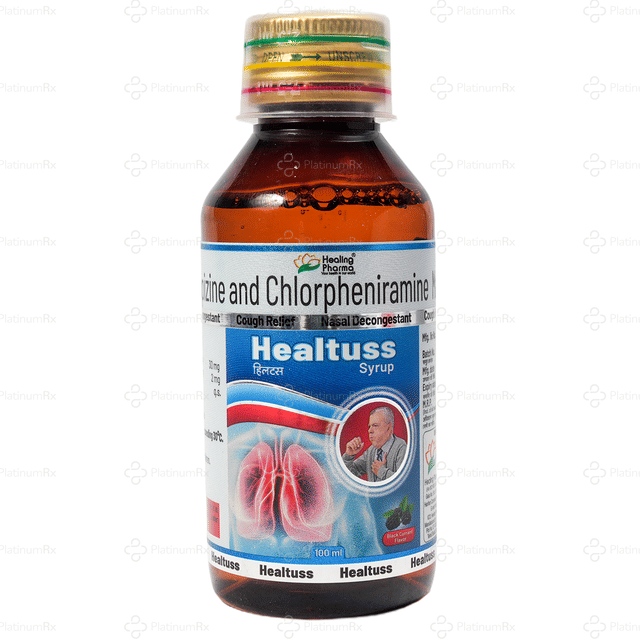
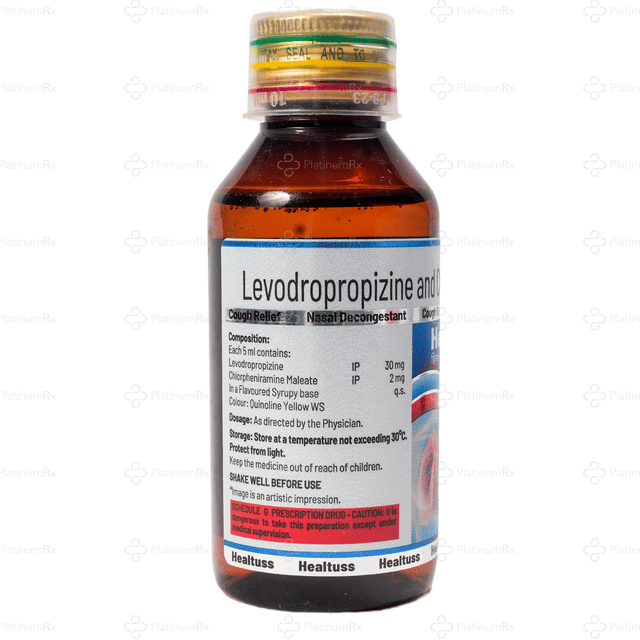
Tuxin Syrup contains Chlorpheniramine Maleate and Levodropropizine, which are used to relieve cough and cold symptoms. Chlorpheniramine is an antihistamine that reduces sneezing, runny nose, and nasal itching, while Levodropropizine is a non‑opioid cough suppressant that reduces dry or irritating cough. Together, Tuxin Syrup helps control cough, runny nose, and sneezing in upper respiratory infections, allergies, or bronchitis, making breathing and sleep more comfortable.
Written by: Syed Jommy Abbas, B. Pharma
Reviewed by: Dr. Devika Rani, MBBS
Last updated on: 20-05-2026

Delivery by
...
FDA & GMP Certified
Long Expiry (>8 Months)
15 Days Easy Returns
Have a question?

Genuine Medicine
Pay On Delivery
Secure Payment

LegitScript Certified Online Pharmacy
View content in
 English
Tuxin Syrup contains Chlorpheniramine Maleate and Levodropropizine, which are used to relieve cough and cold symptoms. Chlorpheniramine is an antihistamine that reduces sneezing, runny nose, and nasal itching, while Levodropropizine is a non‑opioid cough suppressant that reduces dry or irritating cough. Together, Tuxin Syrup helps control cough, runny nose, and sneezing in upper respiratory infections, allergies, or bronchitis, making breathing and sleep more comfortable.
Tuxin Syrup combines Chlorpheniramine Maleate, a first‑generation antihistamine, and Levodropropizine, a non‑opioid cough suppressant. Chlorpheniramine blocks histamine H1 receptors, reducing sneezing, runny nose, and nasal itching. Levodropropizine acts on the cough centre and airway nerves to reduce the urge to cough, especially for dry or non‑productive cough, with less sedation than older opioid‑type cough medicines.
This combination is used for short‑term relief of cough and nasal symptoms caused by colds, mild bronchitis, or allergic‑type nasal irritation. The effect usually starts within 1–2 hours and may last several hours per dose, depending on the product and dose schedule. When used as directed, Tuxin Syrup is generally well‑tolerated for mild‑to‑moderate symptoms.
Relief of non‑productive cough from colds, bronchitis, or upper respiratory infections.
Reducing sneezing, runny nose, and nasal itching that worsen cough.
Lessening cough triggered by mucus dripping down the throat.
Helping with cough and nasal symptoms during viral upper respiratory infections.
While Tuxin Syrup is generally well‑tolerated, some patients may experience side effects.
Tuxin Syrup should be taken exactly as prescribed. The usual adult dose is taken 2–3 times daily, depending on the formulation and your symptoms. For children, the dose is adjusted by age and weight; follow your doctor’s or package‑label instructions. Swallow the medicine with water and avoid crushing or splitting unless directed. Do not drive or operate heavy machinery if you feel drowsy. Avoid alcohol and other sedating medicines unless cleared by your doctor. Do not use Tuxin Syrup for more than a few days without medical advice, especially if you have asthma, chronic lung disease, or an ongoing fever.
Tuxin Syrup works by two actions. Chlorpheniramine Maleate blocks histamine H1 receptors, reducing sneezing, runny nose, and nasal itching. Levodropropizine acts on the central cough centre and peripheral airway nerves to reduce the cough reflex and the urge to cough without strong sedation or respiratory depression. This dual effect helps control both cough and nasal symptoms in upper respiratory illnesses and allergic‑type irritation.

Alcohol can increase drowsiness and dizziness caused by Tuxin Syrup ; avoid or limit alcohol and do not drink before driving or operating machinery.

Use in pregnancy should be avoided unless clearly needed, as antihistamines and cough medicines may affect the fetus; your doctor will weigh benefits and risks.

Small amounts of antihistamines and cough medicines may pass into breast milk; your doctor may choose a safer alternative for nursing mothers.

Tuxin Syrup may cause drowsiness, dizziness, or reduced alertness; avoid driving, heavy machinery, or risky activities until you know how it affects you.

If you have liver disease, your doctor may adjust the dose or choose a different medicine, as liver problems can change how your body handles these components.

Kidney disease usually does not change the use of this medicine much, but your doctor may review your dose if you take several other medicines or have severe kidney impairment.
If you miss a dose and it is not near your next dose, take it when you remember. If it is almost time for the next dose, skip the missed one and continue as usual. Do not take a double dose to make up for a missed dose, as this can increase drowsiness or other side effects. Use a pill organiser or phone reminders if you often forget doses.
Therapeutic Class
Antitussive / Symptomatic Cold‑Relief Agent
Action Class
H1 Antihistamine (Chlorpheniramine) + Cough‑Suppressant (Levodropropizine)
Chemical Class
Antihistamine + Non‑opioid Antitussive
Habit Forming
No
PlatinumRx is committed to providing reliable and accurate information to support informed customer decisions. However, all information made available on the Platform, including product descriptions, comparisons, and other content, is provided solely for general informational purposes. Such information is not intended to diagnose, prevent, treat, or cure any medical condition, nor should it be relied upon as a substitute for professional medical advice, diagnosis, or treatment.

More Medicines By Medley Pharmaceuticals
More Medicines With Chlorpheniramine Maleate 2mg + Levodropropizine 30mg
Top Selling Medicines
Top Selling Devices
Top Selling Health Products