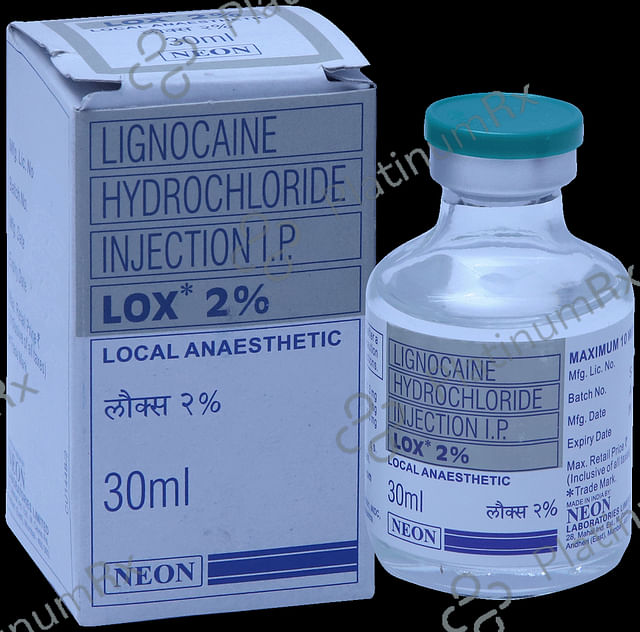
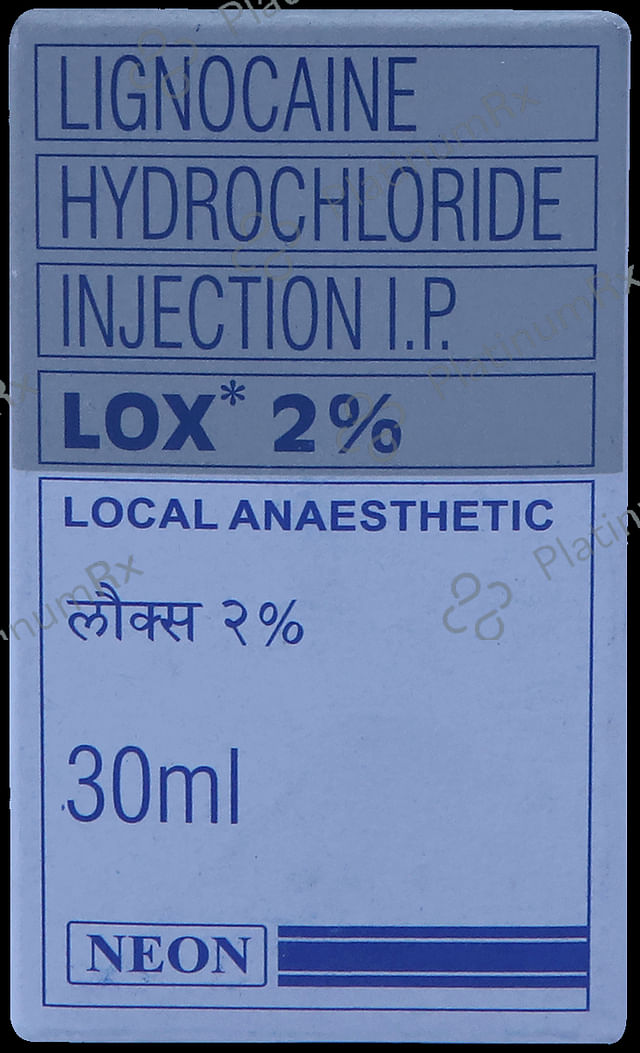
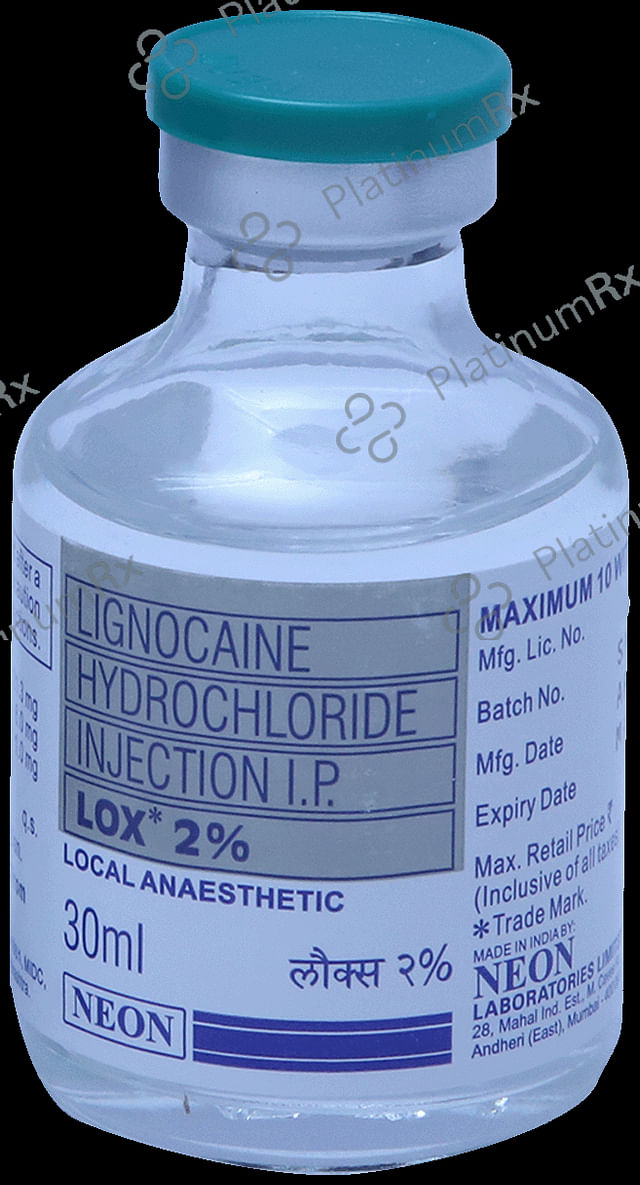
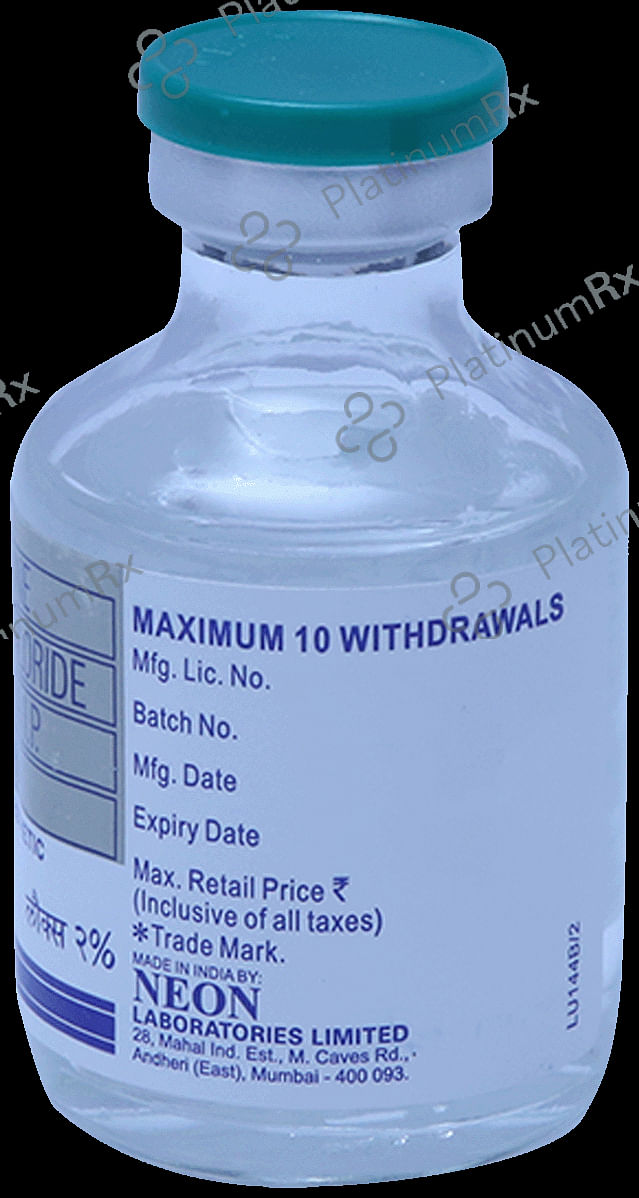
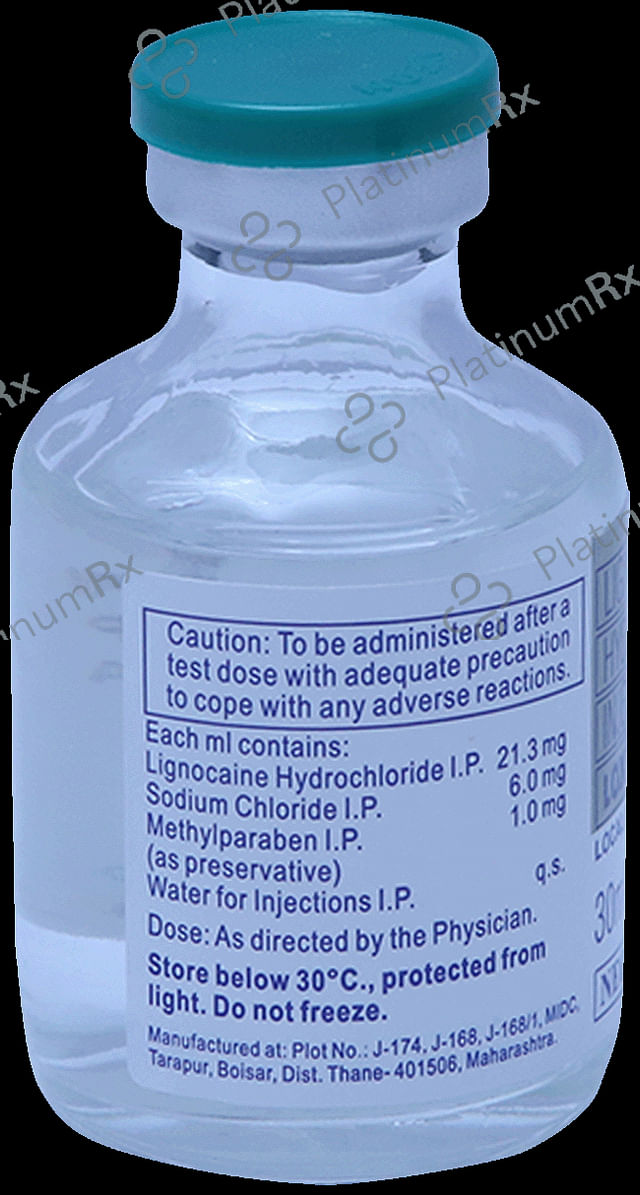
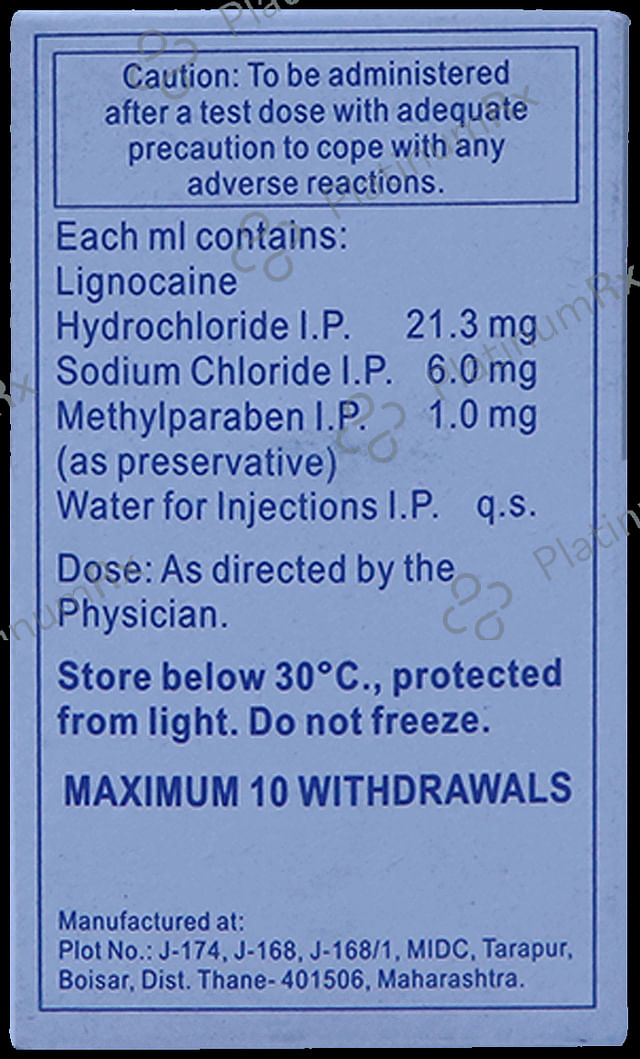
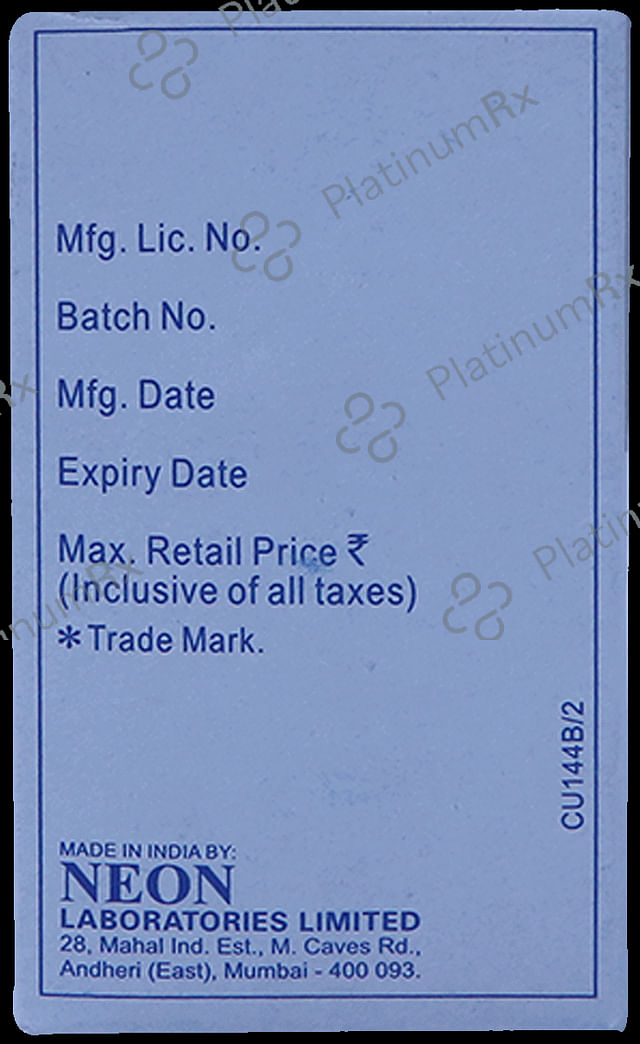






Xylocaine 2% Injection 30ml
Zydus Cadila
Vial of 30 ml
₹30.32
₹36.53
17% Off
Tignocaine 2% Injection is a prescription medicine containing lidocaine, also known as lignocaine, used to provide local anaesthesia and reduce pain by temporarily blocking nerve signals in the body. It is commonly used to numb skin, mucous membranes, or deeper tissues before procedures, and it may also be used in certain heart rhythm disorders under medical supervision. This medicine should be used only as directed because too much lidocaine can cause serious side effects, including effects on the heart and nervous system.
Delivery by
...
FDA & GMP Certified
Long Expiry (>8 Months)
15 Days Easy Returns
Have a question?

Genuine Medicine
Pay On Delivery
Secure Payment

LegitScript Certified Online Pharmacy
Tignocaine 2% Injection is a prescription medicine containing lidocaine, also known as lignocaine, used to provide local anaesthesia and reduce pain by temporarily blocking nerve signals in the body. It is commonly used to numb skin, mucous membranes, or deeper tissues before procedures, and it may also be used in certain heart rhythm disorders under medical supervision. This medicine should be used only as directed because too much lidocaine can cause serious side effects, including effects on the heart and nervous system.
Tignocaine 2% Injection is a medicine that helps reduce pain and discomfort by blocking sodium channels in nerve cells. Lidocaine stops nerves from sending pain signals to the brain, which produces a temporary numbing effect in the treated area. Depending on how it is used, it may help during minor procedures, relieve local pain, or be used in selected medical settings for abnormal heart rhythms.
This medicine should be taken or applied only under medical supervision. Your doctor will decide the correct dose and duration based on your condition, age, and any other medicines you may be using. It is important not to use more than recommended, because lidocaine can be absorbed into the body and may affect the nervous system or heart if overused. Extra care is needed if you have liver disease, heart rhythm problems, seizure disorders, or if you are taking other medicines that affect the heart or nervous system, since closer monitoring may be required.
Although Tignocaine 2% Injection does not treat the underlying cause of pain or disease, it can help control symptoms and improve comfort during treatment or procedures. Temporarily blocking pain signals provides fast relief when used correctly under medical guidance.
Tignocaine 2% Injection is typically indicated by a doctor for
To numb the skin or tissues and reduce pain during or after minor procedures.
To help reduce pain, burning, or irritation in localised areas.
In selected cases, to help manage certain abnormal heart rhythms under hospital supervision.
To make examinations or minor interventions more comfortable.
Tignocaine 2% Injection may cause side effects, although not everyone will experience them. Most reactions are mild and temporary, but some can be more serious and require medical attention.

Lidocaine is generally considered low risk when used as directed, but safety depends on the amount used and how it is given. Use only when clearly needed and prescribed.

Lidocaine passes into breast milk in very small amounts and is usually considered compatible with breastfeeding when used correctly. Avoid applying it to the breast or nipple area unless your doctor specifically advises it.

Tignocaine 2% Injection may cause dizziness, blurred vision, drowsiness, or light-headedness in some people, especially if too much is used. Avoid driving or using machinery if you feel unwell.

Lidocaine is processed by the liver, so people with liver disease may need lower doses or closer monitoring.

Kidney problems can affect how the body handles medicines in some cases, so medical advice is important before use.

Alcohol may increase dizziness or drowsiness and can make side effects harder to notice. Limit alcohol while using this medicine.
Tell your doctor about all medicines and supplements you use before starting Tignocaine 2% Injection.
If you miss a dose, use it as soon as you remember, only if it is still appropriate to do so.
If it is almost time for the next dose, skip the missed dose.
Do not use extra medicine to make up for a missed dose.
Therapeutic Class
Local anaesthetic / Antiarrhythmic medicine
Action Class
Local anaesthetic; sodium channel blocker; class Ib antiarrhythmic in selected settings
Chemical Class
Amide local anaesthetic
Habit Forming
No
PlatinumRx is committed to providing reliable and accurate information to support informed customer decisions. However, all information made available on the Platform, including product descriptions, comparisons, and other content, is provided solely for general informational purposes. Such information is not intended to diagnose, prevent, treat, or cure any medical condition, nor should it be relied upon as a substitute for professional medical advice, diagnosis, or treatment.

More Medicines By Tamman Titoe Pharma Pvt. Ltd.
More Medicines With Lidocaine (Lignocaine) 2% w/v
Top Selling Medicines
Top Selling Devices
Top Selling Health Products