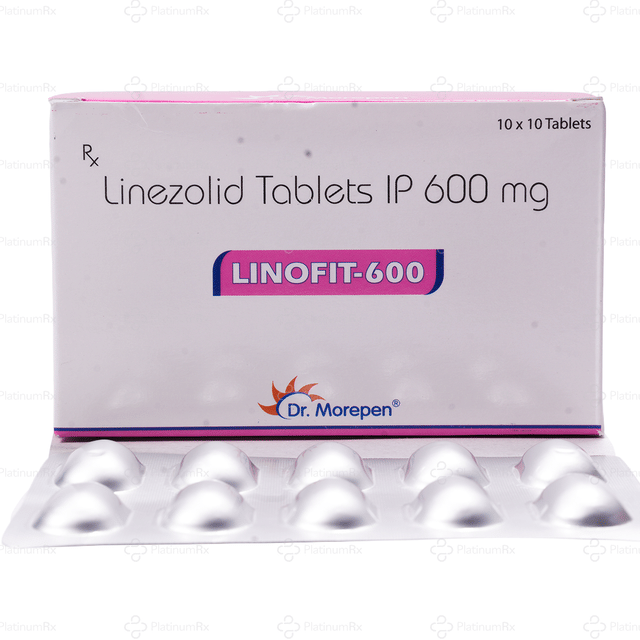
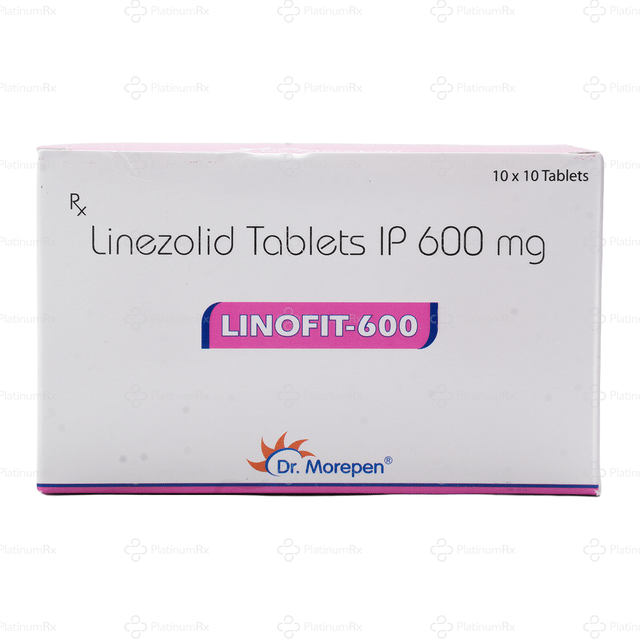
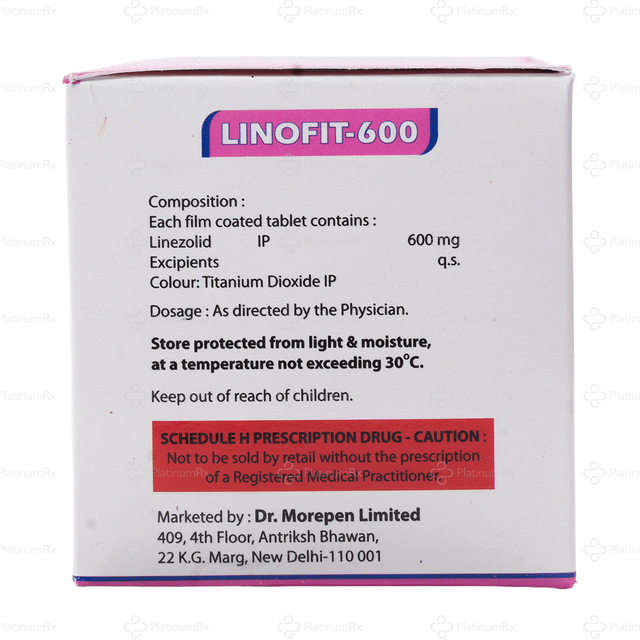
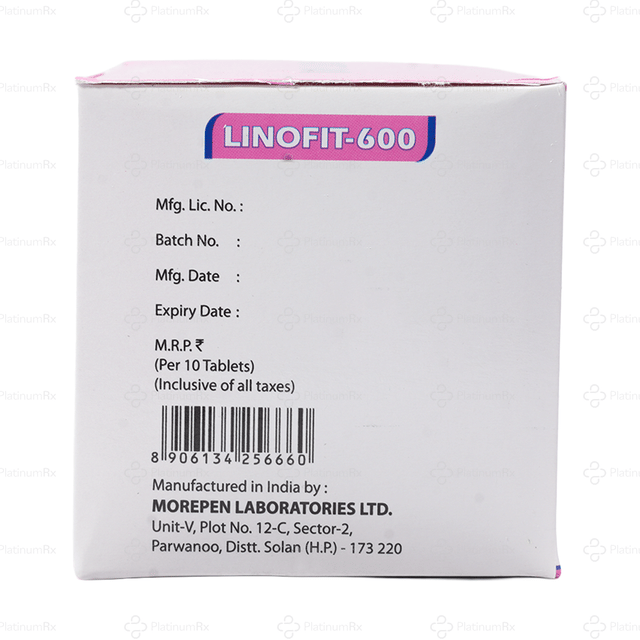
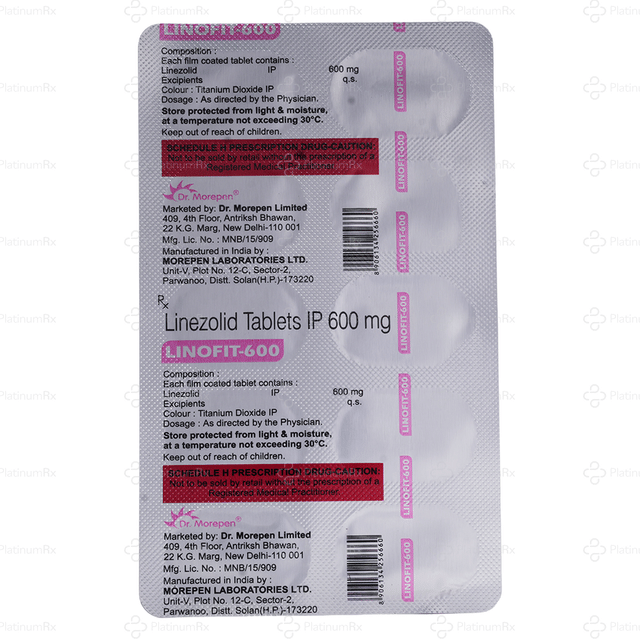
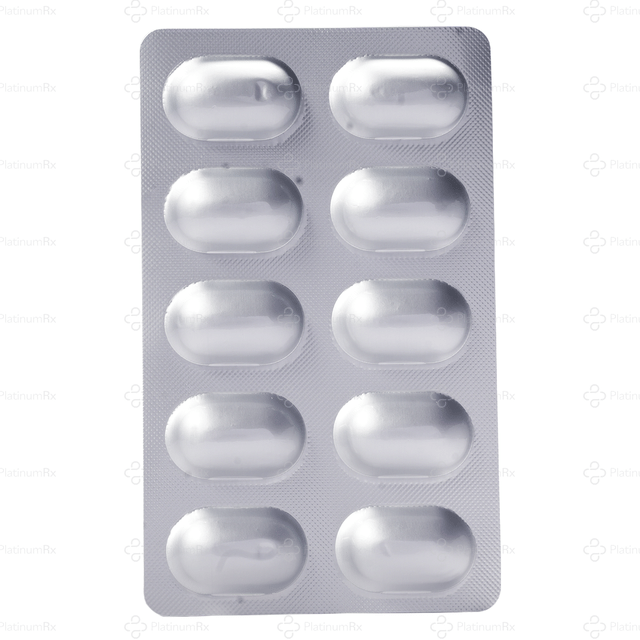


Linezolid 600 Tablet
Care Formulation Labs Pvt. Ltd.
Strip of 10 tablets
₹306.73
₹374.06
18% Off
Roselid 600mg Tablet is a prescription antibiotic used to treat severe bacterial infections caused by gram-positive organisms, particularly those resistant to standard antibiotics. It is effective against methicillin-resistant Staphylococcus aureus (MRSA), vancomycin-resistant Enterococcus (VRE), and other difficult-to-treat infections. Roselid 600mg Tablet works by stopping bacterial protein synthesis, thereby preventing bacterial growth and spread. It is commonly prescribed for severe skin infections, pneumonia, and certain bloodstream infections when alternative antibiotics are ineffective or unsuitable.
Delivery by
...
FDA & GMP Certified
Long Expiry (>8 Months)
15 Days Easy Returns
Have a question?

Genuine Medicine
Pay On Delivery
Secure Payment

LegitScript Certified Online Pharmacy
View content in
 English
Roselid 600mg Tablet is a prescription antibiotic used to treat severe bacterial infections caused by gram-positive organisms, particularly those resistant to standard antibiotics. It is effective against methicillin-resistant Staphylococcus aureus (MRSA), vancomycin-resistant Enterococcus (VRE), and other difficult-to-treat infections. Roselid 600mg Tablet works by stopping bacterial protein synthesis, thereby preventing bacterial growth and spread. It is commonly prescribed for severe skin infections, pneumonia, and certain bloodstream infections when alternative antibiotics are ineffective or unsuitable.
Roselid 600mg Tablet belongs to a unique class of antibiotics known as oxazolidinones, developed specifically to combat resistant gram-positive bacteria. Unlike many older antibiotics, Roselid 600mg Tablet remains effective against organisms that have developed resistance to penicillins, cephalosporins, and even glycopeptides such as vancomycin.
Serious bacterial infections pose a significant clinical challenge, particularly in hospital settings where resistant organisms are common. Infections such as hospital-acquired pneumonia, complicated skin and soft tissue infections, and bloodstream infections caused by resistant bacteria can lead to prolonged hospital stays, increased complications, and higher mortality if not treated appropriately. Roselid 600mg Tablet plays a crucial role in managing these infections when first-line therapies fail.
Roselid 600mg Tablet is available in both oral and intravenous formulations, with excellent oral bioavailability. This means patients can often switch from IV to oral therapy without loss of effectiveness, enabling earlier hospital discharge and improved treatment convenience.
The medicine acts by inhibiting a critical early step in bacterial protein synthesis, an essential process for bacterial survival. By targeting a site not affected by standard resistance mechanisms, Roselid 600mg Tablet maintains activity against many multidrug-resistant organisms.
Roselid 600mg Tablet is prescribed for short-term and carefully monitored use, as prolonged therapy may be associated with serious adverse effects. Therefore, its use is generally reserved for infections confirmed or strongly suspected to be caused by susceptible organisms, under close medical supervision.
Roselid 600mg Tablet is prescribed in adults for the management of serious infections caused by susceptible gram-positive bacteria, particularly in situations where resistance limits other treatment options. Its use is generally guided by microbiological confirmation.
The approved and commonly accepted uses include:
Used for deep or extensive skin infections, including those caused by methicillin-resistant Staphylococcus aureus (MRSA) and other resistant gram-positive organisms.
Indicated for pneumonia acquired during hospitalisation, including ventilator-associated pneumonia, when caused by susceptible gram-positive pathogens.
It may be used in selected cases of community-acquired pneumonia where resistant gram-positive bacteria are identified or strongly suspected.
Effective in treating infections due to VRE, including severe systemic and bloodstream involvement.
Used for bacteraemia linked to skin, soft tissue, or pulmonary infections caused by organisms sensitive to Linezolid.
Whenever possible, treatment with Roselid 600mg Tablet should be guided by culture and sensitivity testing to ensure appropriate antibiotic selection and reduce the risk of resistance development.
Active against MRSA, VRE, and penicillin-resistant streptococci
Targets bacterial protein synthesis at a site not affected by most resistance mechanisms
Oral tablets are as effective as IV therapy, enabling step-down treatment
Reduces fever, inflammation, and infection markers within days when organisms are susceptible
Suitable for both inpatient and outpatient treatment under supervision
Provides a reliable option when conventional antibiotics are ineffective
Like all antibiotics, Roselid 600mg Tablet may cause side effects, especially with prolonged use.
1. Nausea or vomiting
2. Diarrhoea
3. Headache
4. Metallic or altered taste
5. Mild abdominal discomfort
1. Dizziness
2. Insomnia
3. Rash or itching
4. Mild increase in liver enzymes
1. Myelosuppression (low platelets, anaemia, or low white blood cells)
2. Peripheral neuropathy (tingling, numbness, burning sensation)
3. Optic neuropathy (blurred vision, visual changes)
4. Lactic acidosis (deep breathing, persistent nausea, weakness)
5. Serotonin syndrome occurs when combined with serotonergic medicines
6. Severe allergic reactions (swelling, difficulty breathing)
1. Dosage: 600 mg every 12 hours, as prescribed
2. Route: Oral tablet or intravenous infusion
3. With or Without Food: Can be taken with or without meals
4. Duration: Usually 7–14 days, depending on infection severity
5. Consistency: Take doses at the same time each day
6. Completion: Always complete the full prescribed course
Do not stop treatment early, even if symptoms improve, unless advised by a doctor.
Roselid 600mg Tablet is a bacteriostatic antibiotic that acts by blocking bacterial protein synthesis at an early stage.
Inhibition of Protein Synthesis
Roselid 600mg Tablet binds to the 23S portion of the 50S ribosomal subunit, preventing the formation of the initiation complex required for bacterial protein production. Without this complex, bacteria cannot produce essential proteins needed for growth and replication.
Activity Against Resistant Organisms
Because Roselid 600mg Tablet targets a unique binding site, cross-resistance with other antibiotic classes is uncommon. This makes it effective against bacteria that are resistant to beta-lactams, macrolides, and glycopeptides.
Bacterial Growth Suppression
By halting protein synthesis, Roselid 600mg Tablet stops bacterial multiplication, allowing the immune system to clear the infection.

Use only if clearly needed and prescribed

Caution advised; consult a doctor

Avoid if dizziness or vision changes occur

Use with monitoring

No dose adjustment usually required

Limit intake; may worsen side effects

Close monitoring recommended
1. Take doses exactly 12 hours apart
2. Report bruising, bleeding, or vision changes immediately
3. Avoid self-medication with antidepressants during therapy
4. Limit high-tyramine foods
5. Regular blood tests may be required for longer courses
6. Do not reuse leftover tablets for future infections
Store below 25°C in a cool, dry place away from light and moisture. Keep out of reach of children.
Roselid 600mg Tablet is a reversible monoamine oxidase inhibitor (MAOI).
Avoid large amounts of tyramine-rich foods, such as:
1. Aged cheeses
2. Cured meats
3. Fermented foods
4. Soy sauce
5. Alcoholic beverages (especially beer and wine)
Excessive tyramine intake may cause dangerous increases in blood pressure.
1. Antidepressants (SSRIs, SNRIs, TCAs): Risk of serotonin syndrome
2. MAO inhibitors: Contraindicated
3. Sympathomimetics (e.g., pseudoephedrine): Increased blood pressure risk
4. Dopaminergic agents: Monitor closely
Always inform your doctor about all medicines you are taking.
1. Blood disorders (anaemia, thrombocytopenia)
2. Uncontrolled hypertension
3. Thyroid disorders
4. Seizure disorders
Therapeutic Class
Serious gram-positive infections, MRSA, VRE
Action Class
Oral or Intravenous
Chemical Class
Oxazolidinone antibiotic
Habit Forming
No
PlatinumRx is committed to providing reliable and accurate information to support informed customer decisions. However, all information made available on the Platform, including product descriptions, comparisons, and other content, is provided solely for general informational purposes. Such information is not intended to diagnose, prevent, treat, or cure any medical condition, nor should it be relied upon as a substitute for professional medical advice, diagnosis, or treatment.

More Medicines By Chemross Lifesciences
More Medicines With Linezolid 600mg
Top Selling Medicines
Top Selling Devices
Top Selling Health Products