










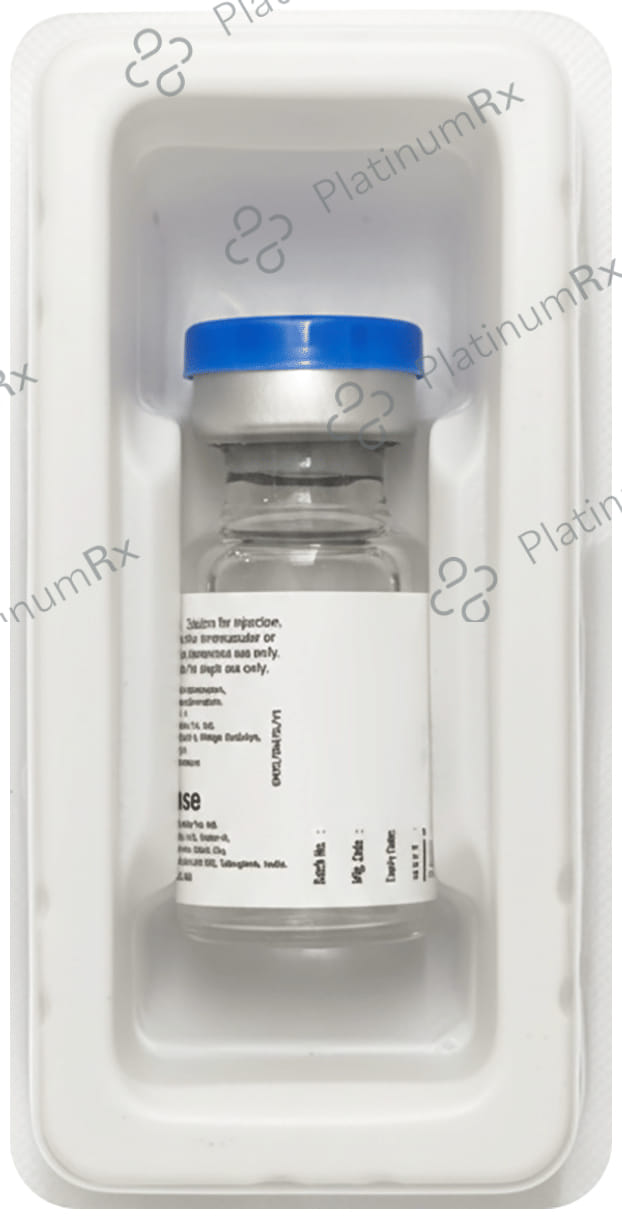
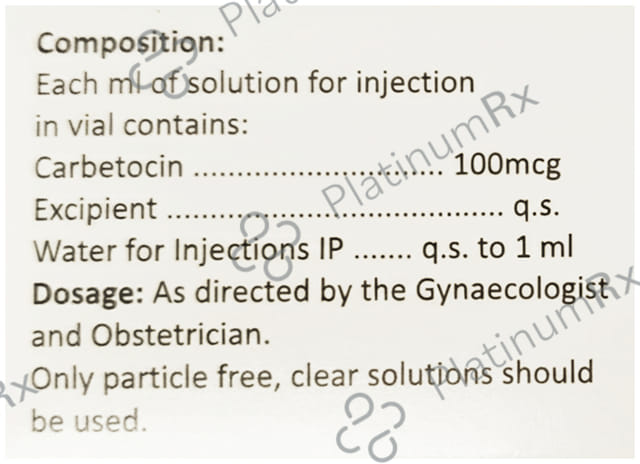
Carbitex HS 100mcg Injection 1X1ml
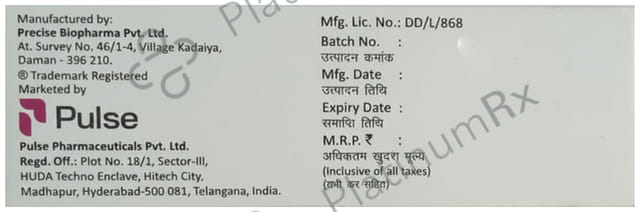
Bharat Serums & Vaccines Ltd.
Vial of 1 ml
₹474.39
₹578.52
18% Off
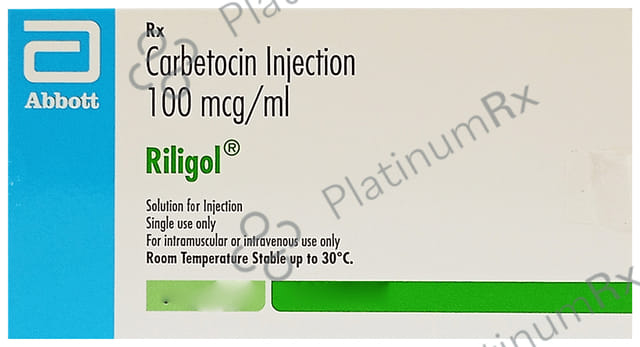
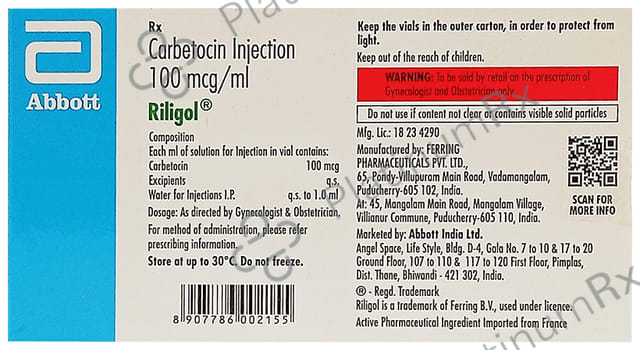
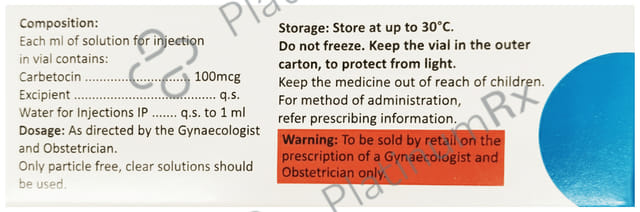
Riligol Injection is a medicine used to treat bleeding in women who have just had a baby. In some women, the womb (uterus) doesn?t contract (shrink) quickly enough after delivery. This makes it more likely that they?ll bleed more than normal. Riligol Injection makes the womb contract and helps reduce the risk of bleeding. Riligol Injection is given as an intravenous injection by a doctor or a nurse. You should not self-administer this medicine at home. Riligol Injection must not be given until after the baby has been delivered. Before receiving this injection, let your doctor know if you have any medical conditions. Some of the most common side effects of this medicine include nausea, stomach pain, itching, flushing, low blood pressure, headaches, and tremors. Consult your doctor if any of these side effects bother you or get worse. Let your doctor also know if you develop any new symptoms while you are being treated with Riligol Injection. You should not use Riligol Injection if you are allergic to any components of this medicine. You should also not use this medicine if you have any kidney or liver problems, have heart problems, or have a history of epilepsy. Let your doctor also know if you have migraines, asthma, or preeclampsia. Riligol Injection should not be used in pregnant women.

Delivery by
...
FDA & GMP Certified
Long Expiry (>8 Months)
15 Days Easy Returns
Have a question?

Genuine Medicine
Pay On Delivery
Secure Payment

LegitScript Certified Online Pharmacy
Riligol Injection is a medicine used to treat bleeding in women who have just had a baby. In some women, the womb (uterus) doesn?t contract (shrink) quickly enough after delivery. This makes it more likely that they?ll bleed more than normal. Riligol Injection makes the womb contract and helps reduce the risk of bleeding. Riligol Injection is given as an intravenous injection by a doctor or a nurse. You should not self-administer this medicine at home. Riligol Injection must not be given until after the baby has been delivered. Before receiving this injection, let your doctor know if you have any medical conditions. Some of the most common side effects of this medicine include nausea, stomach pain, itching, flushing, low blood pressure, headaches, and tremors. Consult your doctor if any of these side effects bother you or get worse. Let your doctor also know if you develop any new symptoms while you are being treated with Riligol Injection. You should not use Riligol Injection if you are allergic to any components of this medicine. You should also not use this medicine if you have any kidney or liver problems, have heart problems, or have a history of epilepsy. Let your doctor also know if you have migraines, asthma, or preeclampsia. Riligol Injection should not be used in pregnant women.
Prevention of Postpartum Bleeding
The majority of side effects typically do not necessitate medical intervention. and disappear as your body adjusts to the medicine. Doctor consultation is advised if they persist or if you're worried about them. ['Stomach pain, Itching, Headache, Flushing (sense of warmth in the face, ears, neck and trunk), Hypotension (low blood pressure), Tremors, Vomiting, Back pain, Chest pain, Metallic taste, Anemia (low number of red blood cells), Breathlessness, Chills, Generalized pain']
Your doctor or nurse will give you this medicine. Kindly do not self administer.
Riligol Injection belongs to a class of medicines called oxytocin receptor agonists. Oxytocin is the hormone that helps in muscle contraction during labor. This medicine binds with oxytocin receptors present on the smooth muscles of the uterus and helps in muscle contractions. These rhythmic contractions of the uterus help in childbirth and prevent excessive bleeding after childbirth.

Pregnancy
Not Safe: Riligol Injection is highly unsafe to use during pregnancy. Seek your doctor's advice as studies on pregnant women and animals have shown significant harmful effects to the developing baby.

Breast feeding
Safe when prescribed by an expert: Riligol Injection is safe to use during breastfeeding. Human studies suggest that the drug does not pass into the breastmilk in a significant amount and is not harmful to the baby.

Driving
Seek medical advice from your doctor: It is not known whether Riligol Injection alters the ability to drive. Do not drive if you experience any symptoms that affect your ability to concentrate and react.

Kidney
Not Safe: Riligol Injection is probably unsafe to use in patients with kidney disease and should be avoided. Doctor consultation is advised.

Liver
Not Safe: Riligol Injection is probably unsafe to use in patients with liver disease and should be avoided. Doctor consultation is advised.
If a dose of Riligol Injection is missed, it's advisable to consult your doctor.
16th Floor, Godrej BKC, Plot ‚ C, 'G' Block, Bandra-Kurla Complex, Bandra (East), Mumbai ‚ 400 051, India
PlatinumRx is committed to providing reliable and accurate information to support informed customer decisions. However, all information made available on the Platform, including product descriptions, comparisons, and other content, is provided solely for general informational purposes. Such information is not intended to diagnose, prevent, treat, or cure any medical condition, nor should it be relied upon as a substitute for professional medical advice, diagnosis, or treatment.

More Medicines By Abbott Healthcare Pvt. Ltd.
More Medicines With Carbetocin 100mcg
Top Selling Medicines
Top Selling Devices
Top Selling Health Products