100% Same
Salt CompositionEffectivenessStrength

Top Branded
Substitute
 Salt Composition in both





WHO GMP
Certified

15 Days Easy
Returns

Long Expiry
(>8 Months)

WHO GMP
Certified

15 Days Easy
Returns

Long Expiry
(>8 Months)

Delivery by
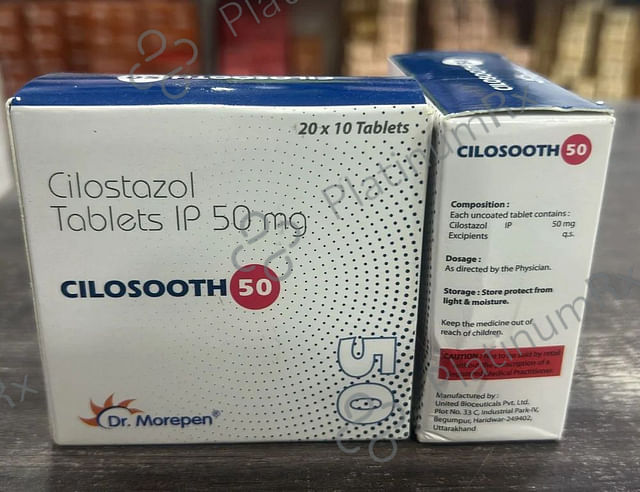
Uses of Pencil 50mg Tablet

Treatment of Intermittent claudication
Customers also bought
More About Pencil 50mg Tablet
Quick Summary
Pencil 50mg Tablet contains cilostazol and is used to improve blood flow in patients with peripheral arterial disease (PAD), particularly those experiencing intermittent claudication (leg pain while walking). Peripheral arterial disease occurs when narrowed arteries reduce blood flow to the limbs, causing pain, cramping, or fatigue during physical activity. Cilostazol works by widening blood vessels and reducing the clumping of platelets, which improves circulation and oxygen delivery to muscles. Pencil 50mg Tablet helps patients walk longer distances with less pain and enhances overall mobility and quality of life.
Detailed Description
Pencil 50mg Tablet contains cilostazol, a phosphodiesterase III (PDE3) inhibitor used primarily to treat intermittent claudication in patients with peripheral arterial disease. It improves blood circulation by acting on both blood vessels and platelets.
Cilostazol works by inhibiting the enzyme phosphodiesterase III, which increases levels of cyclic adenosine monophosphate (cAMP) in platelets and blood vessel walls. Elevated cAMP levels cause blood vessels to relax and widen (vasodilation) and reduce platelet aggregation (clot formation). This dual effect enhances blood flow, particularly to the legs and extremities.
By improving arterial circulation, Pencil 50mg Tablet reduces symptoms such as leg pain, cramping, and fatigue during walking. Patients often notice improved walking distance and exercise tolerance after several weeks of consistent treatment.
Cilostazol is metabolised in the liver and eliminated through urine and faeces. It is not recommended in patients with heart failure due to its PDE3 inhibitory action. When used appropriately, Pencil 50mg Tablet provides effective symptom relief and supports vascular health in patients with circulatory disorders.
Uses of Pencil 50mg Tablet
Intermittent Claudication
Improves walking distance and reduces leg pain in patients with peripheral arterial disease.
Peripheral Arterial Disease (PAD)
Enhances blood flow in narrowed arteries supplying the limbs.
Prevention of Platelet Aggregation
Helps reduce the risk of clot formation in specific vascular conditions (as advised by a doctor).
Post-Vascular Procedures (Selective Use)
Sometimes used after certain vascular interventions to improve circulation.
Benefits of Pencil 50mg Tablet
Improves Walking Distance
Helps patients walk longer without pain.
Vasodilatory Effect
Widens blood vessels to enhance circulation.
Antiplatelet Action
Reduces platelet clumping and clot formation.
Enhanced Oxygen Delivery
Improves blood supply to muscles during activity.
Quality of Life Improvement
Reduces discomfort and improves mobility in PAD patients.
Dual Mechanism
Combines vasodilation and antiplatelet effects for comprehensive vascular support.
Side Effects of Pencil 50mg Tablet
When taken as directed, Pencil 50mg Tablet is generally well tolerated. Side effects are usually mild and may reduce over time.
Common Side Effects:
- Headache
- Diarrhoea
- Dizziness
- Palpitations
- Abnormal stools
Uncommon Side Effects:
- Rapid heart rate (Tachycardia)
- Low blood pressure
- Peripheral oedema (swelling)
- Nausea
Serious Side Effects (Require Immediate Medical Attention):
- Chest pain or worsening angina
- Severe bleeding or bruising
- Irregular heartbeat
Allergic reactions such as rash, swelling, or difficulty breathing
Directions for Use
Pencil 50mg Tablet should be taken exactly as prescribed by your doctor. The usual dose is one 50mg tablet twice daily, taken at least 30 minutes before or 2 hours after meals for optimal absorption.
Swallow the tablet whole with water. Do not crush or chew it. Consistent daily use is important for maximum benefit, and improvements may be noticeable after 2-4 weeks of therapy.
Safety Advice for Pencil 50mg Tablet

ALCOHOL
CAUTION
Alcohol may increase dizziness and bleeding risk. Limit intake.

PREGNANCY
CONSULT YOUR DOCTOR
Use only if clearly needed and prescribed.

BREASTFEEDING
CONSULT YOUR DOCTOR
Limited safety data available.

DRIVING
CAUTION
May cause dizziness or headache. Avoid driving if affected.

LIVER
CONSULT YOUR DOCTOR
Dose adjustment may be required in hepatic impairment.

KIDNEY
CONSULT YOUR DOCTOR
Caution advised in severe kidney disease.
FOOD
TAKE ON EMPTY STOMACH
30 minutes before or 2 hours after meals.
LIFESTYLE
RECOMMENDED
Smoking cessation, regular exercise, and cholesterol control improve outcomes.
Quick Tips for Pencil 50mg Tablet
- Consistent Dosing: Take regularly for best symptom improvement.
- Walking Program: Combine with supervised exercise therapy for optimal benefit.
- Avoid Smoking: Smoking worsens peripheral arterial disease.
- Monitor Heart Symptoms: Report chest pain or irregular heartbeat immediately.
- Bleeding Precautions: Inform your doctor if you notice unusual bruising or bleeding.
- Medication Disclosure: Inform your healthcare provider about all medicines you are taking.
- Regular Follow-Up: Periodic monitoring improves long-term vascular health.
Drug-Food Interaction
- Alcohol (Moderate): May increase dizziness and bleeding risk.
- High-Fat Meals (Moderate): May alter absorption; take on empty stomach.
- Grapefruit (Moderate): May affect drug metabolism; use cautiously.
Interactions with Other Drugs
- Antiplatelets/Anticoagulants (High): Increased bleeding risk with Aspirin, Clopidogrel, or Warfarin.
- CYP3A4 Inhibitors (Moderate-High): Drugs like Erythromycin or Ketoconazole may increase cilostazol levels.
- CYP2C19 Inhibitors (Moderate): Omeprazole may increase blood levels.
- Other Vasodilators (Moderate): May cause excessive lowering of blood pressure.
- NSAIDs (Moderate): Increased bleeding risk.
Drug-Disease Interactions
- Heart Failure (High): Contraindicated due to increased mortality risk.
- Bleeding Disorders (High): May increase bleeding tendency.
- Liver Disease (Moderate): Dose adjustment may be needed.
- Kidney Disease (Moderate): Use with caution.
- Arrhythmias (Moderate): May increase heart rate in susceptible patients.
What If You Forget to take Pencil 50mg Tablet?
If you miss a dose, take it as soon as you remember unless it is nearly time for your next scheduled dose. In that case, skip the missed dose and continue with your regular dosing schedule.
Do not take a double dose to make up for the missed one.
References
Fact Box
Therapeutic Class
Peripheral Vasodilator / Antiplatelet Agent
Action Class
Antiplatelet & Vasodilator
Chemical Class
Phosphodiesterase III (PDE3) Inhibitor
Habit Forming
No


Disclaimer
PlatinumRx is dedicated to delivering dependable and trustworthy information to empower our customers. However, the information presented here is solely for general informational purposes and should not be utilized for diagnosing, preventing, or treating health issues. It is not intended to establish a doctor-patient relationship or serve as a substitute for professional medical advice.
Health Articles







More Medicines By Manufacturer
More Medicines With Salt
Top Selling Medicines
Top Selling Devices
Flat ₹100 off on first app order | Use Code: APP100 |
Flat ₹100 off on first app order
USE CODE: APP100

Download Now


