


100% Same

Salt CompositionEffectivenessStrength

Top Brand Icon

Top Branded
Substitute

You Searched

You Searched

Opiateth 100mg/4mg Tablet

Opiateth 100mg/4mg Tablet

139

13.9 / Unit
Our Recommendation

Our Recommendation

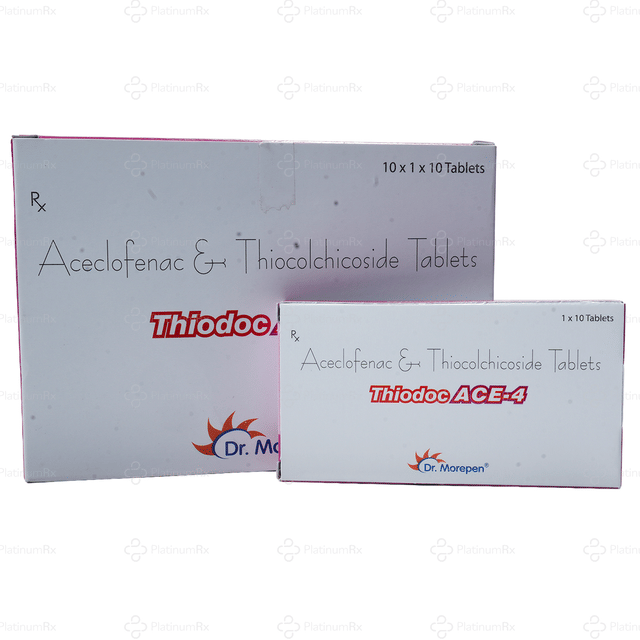
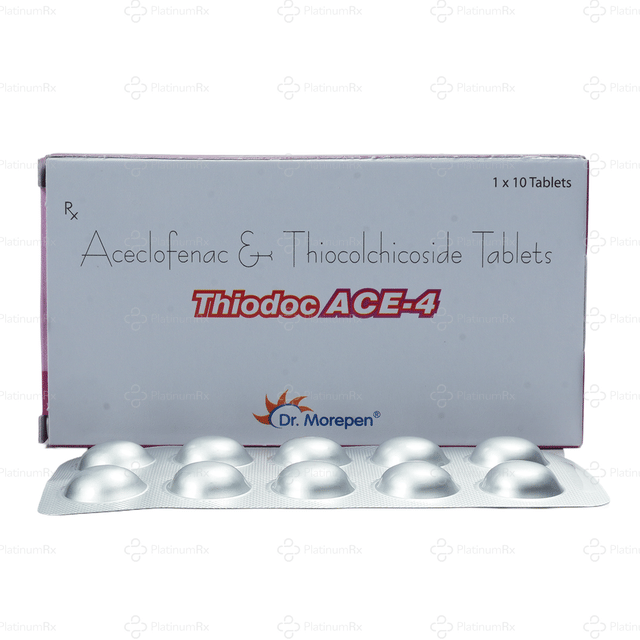
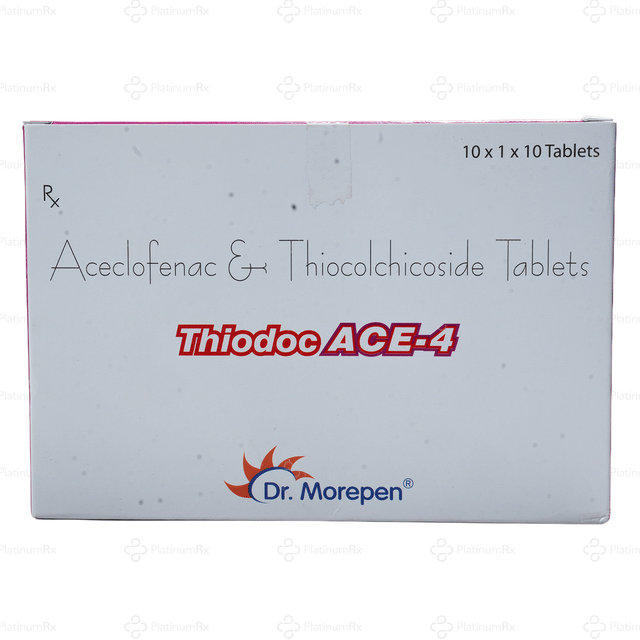
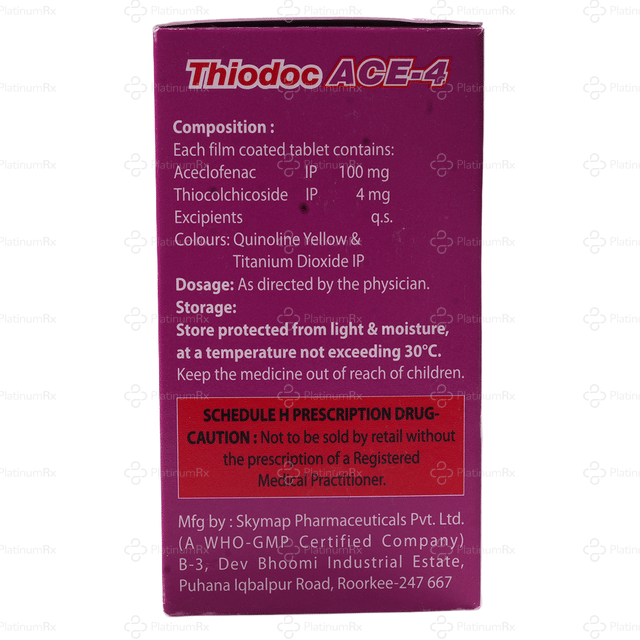
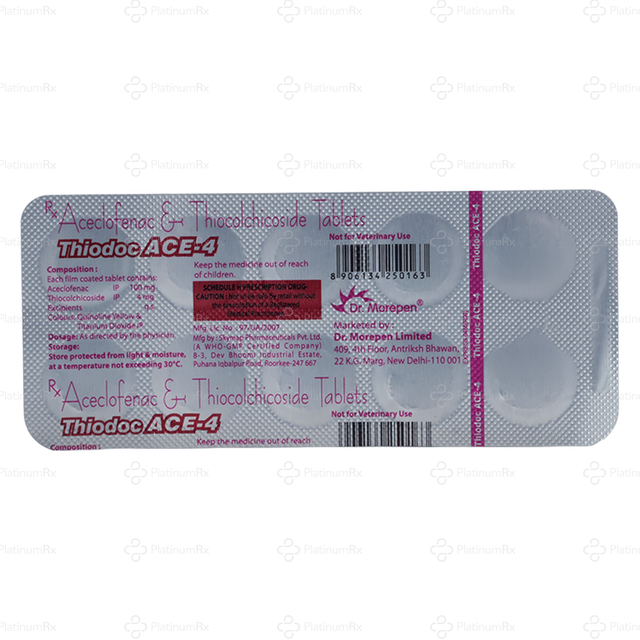
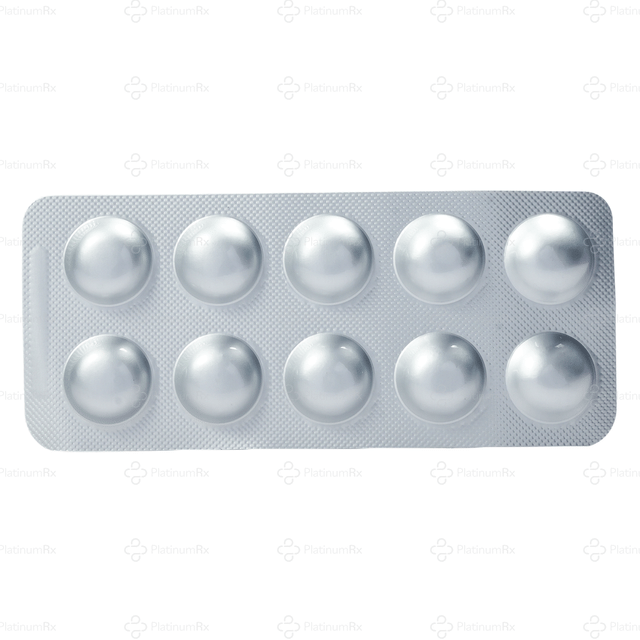
Thiodoc Ace 100/4mg Tablet 10s

Thiodoc Ace 100/4mg Tablet 10s

Dr. Morepen Ltd.
Strip of 10 tablets

Customers Icon

3,096+ trust this

who

WHO GMP Certified

Doctor verified video thumbnail
All Our Medicines are
who icon

WHO GMP
Certified

return Image

15 Days Easy
Returns

Long Expiry

Long Expiry
(>8 Months)

who icon

WHO GMP
Certified

return Image

15 Days Easy
Returns

Long Expiry

Long Expiry
(>8 Months)

Fast Delivery

Delivery by

Uses of Opiateth 100mg/4mg Tablet

Medication Icon

Treatment of Pain due to muscle spasm

Customers also bought

More About Opiateth 100mg/4mg Tablet

Short Description
Long Description
How to use
Benefits
Side Effects
How to Consume
SafetyAdvice
Quick Tips (Expert Guidance)
Drug-Food Interactions
Interactions with Other Drugs
Drug-Disease Interactions
What If You Forget to take Opiateth 100mg 4mg Tablet?
FAQs
References
Fact Box

Quick Summary

Opiateth 100mg 4mg Tablet contains Aceclofenac and Thiocolchicoside, which belong to the classes of medicines known as NSAIDs (non‑steroidal anti‑inflammatory drugs) and skeletal muscle relaxants, respectively. It is primarily used to treat musculoskeletal pain such as back pain, neck pain, and joint pain, as well as muscle spasm‑related discomfort. By reducing inflammation and relaxing tense muscles, Opiateth 100mg 4mg Tablet helps relieve pain, stiffness, and swelling. It is also used in conditions like lower back pain, osteoarthritis‑related pain, and post‑injury or post‑surgical muscular pain.
Detailed Description

Opiateth 100mg 4mg Tablet contains Aceclofenac, an NSAID, and Thiocolchicoside, a centrally acting muscle relaxant. Aceclofenac works by inhibiting the COX‑2 enzyme, which reduces the production of prostaglandins, chemicals that cause pain, swelling, and inflammation in joints and muscles. Thiocolchicoside acts on the central nervous system to reduce muscle spasm and improve muscle flexibility, making movement easier and less painful.

By combining these two actions, Opiateth 100mg 4mg Tablet provides dual‑action relief: it decreases pain and inflammation through the NSAID component and reduces muscular stiffness and spasm through the muscle relaxant. This makes it useful in conditions where pain arises from both joint or soft‑tissue inflammation and accompanying muscle tightness or spasm. The pain‑relieving effect usually begins within a few hours of the first dose, though maximum benefit may take a few days of regular use. Aceclofenac is mainly metabolised in the liver and eliminated via the kidneys, so dose adjustments may be needed in patients with liver or kidney impairment. When taken as prescribed, Opiateth 100mg 4mg Tablet is a well‑tolerated option for short‑term management of acute musculoskeletal pain.

Uses of Opiateth 100mg 4mg Tablet

Musculoskeletal pain

Relief of acute pain and stiffness in the back, neck, shoulders, and joints due to sprains, strains, or overuse.

Muscle Spasm‑Related Pain

Reduction of pain and discomfort caused by muscle spasms or cramps in the back and limbs.

pain after surgery or injury

Short‑term management of pain following minor surgical procedures or soft‑tissue injuries.

Joint and Soft‑tissue Inflammation

Relief of pain and swelling in conditions like osteoarthritis and tendonitis.

Benefits of Opiateth 100mg 4mg Tablet

  • Dual‑Action Relief: Combines anti‑inflammatory pain relief with muscle relaxation in a single tablet.
  • Faster Comfort: Helps reduce pain, swelling, and stiffness more quickly than using either drug alone in many patients.
  • Improved Mobility: Eases muscle spasm, allowing better movement and faster recovery during physiotherapy or exercise.
  • Short‑Term Use: Well‑suited for short‑term treatment of acute flare‑ups rather than long‑term daily use.
  • Once‑ or Twice‑Daily Dosing: Often taken once or twice daily, improving convenience and adherence.

Side Effects of Opiateth 100mg 4mg Tablet

While Opiateth 100mg 4mg Tablet is generally well‑tolerated when used for short periods, some patients may experience side effects as their body adjusts to the medication.

Common Side Effects:

  • Stomach Discomfort: Mild acidity, heartburn, nausea, or abdominal pain.
  • Diarrhoea or Constipation: Changes in bowel habits.
  • Headache: Mild to moderate headache.
  • Dizziness: Feeling lightheaded, especially when standing up quickly.

Uncommon Side Effects:

  • Skin Rash or Itching: Mild allergic skin reactions.
  • Increased Liver Enzymes: Temporary rise in liver‑function tests, usually without symptoms.
  • Fluid Retention: Mild swelling in the ankles or feet in some patients.

Serious Side Effects (Require Immediate Medical Attention):

  • Severe Stomach Pain or Bleeding: Black or tarry stools, vomiting blood, or intense abdominal pain.
  • Allergic Reaction: Swelling of the face, lips, tongue, or throat; difficulty breathing; or severe rash.
  • Kidney Problems: Reduced urine output, swelling, or unusual fatigue.
  • Liver Problems: Yellowing of the eyes or skin (jaundice), dark urine, or severe abdominal pain.

Directions for Use

Opiateth 100mg 4mg Tablet should be taken exactly as prescribed by your doctor. It is usually taken once or twice daily, with food or immediately after a meal, to reduce the risk of stomach irritation. Swallow the tablet whole with a glass of water. Do not crush, chew, or split the tablet unless specifically advised. Do not take more than the recommended dose or use it for longer than advised, as prolonged use of NSAIDs can increase the risk of stomach, kidney, or heart problems. Discuss with your doctor before stopping the medicine suddenly, especially if you have been using it regularly for several days.

Safety Advice for Opiateth 100mg 4mg Tablet

ALCOHOL

CONSULT YOUR DOCTOR

Alcohol can increase the risk of stomach irritation and bleeding when taken with NSAIDs; avoid heavy drinking while you are on Opiateth 100mg 4mg Tablet.

Read More

PREGNANCY

SEVERE

Aceclofenac (an NSAID) can harm the unborn baby, especially in the third trimester, and may affect the baby’s heart and kidney development. Do not use Opiateth 100mg 4mg Tablet in pregnancy, especially later on, unless your doctor clearly feels the benefits outweigh the risks.

Read More

BREASTFEEDING

CONSULT YOUR DOCTOR

Aceclofenac and Thiocolchicoside may pass into breast milk; your doctor may prefer safer alternatives for pain or muscle spasm relief while you are nursing.

Read More

DRIVING

CAUTION

Thiocolchicoside can cause drowsiness, dizziness, or blurred vision in some people; avoid driving or operating heavy machinery until you know how Opiateth 100mg 4mg Tablet affects you.

Read More

LIVER

CONSULT YOUR DOCTOR

A lower dose or shorter course may be needed if you have liver disease, as NSAIDs can affect liver function and markers.

Read More

KIDNEY

MODERATE

NSAIDs like Aceclofenac can reduce kidney function, especially if you are dehydrated or have existing kidney disease; avoid prolonged use and report reduced urine output or swelling.

Read More

FOOD

CAUTION

Take Opiateth 100mg 4mg Tablet with food or milk to reduce the risk of stomach upset. Avoid spicy, very hot, or acidic foods if they worsen acidity.

Read More

LIFESTYLE

CAUTION

Avoid long‑term use of Opiateth 100mg 4mg Tablet; take the lowest effective dose for the shortest duration needed. Avoid other NSAIDs (e.g., ibuprofen, diclofenac) or strong painkillers unless your doctor agrees, as combining them increases stomach and kidney risks.

Read More

Quick Tips for Opiateth 100mg 4mg Tablet

  • Monitor Your Pain and Stomach: Keep track of how much your pain improves and whether you develop stomach discomfort, acidity, or black stools while taking Opiateth 100mg 4mg Tablet. If pain is not improving or you notice signs of stomach bleeding, tell your doctor immediately.
  • Know the Duration: Use Opiateth 100mg 4mg Tablet only for the duration your doctor recommends, usually short‑term (a few days to a couple of weeks), to treat acute pain and muscle spasm. Long‑term NSAID use can harm the stomach, kidneys, and heart.
  • Stay Hydrated: Drink enough water unless your doctor has asked you to restrict fluids, as dehydration can worsen the kidney‑related side effects of NSAIDs like Aceclofenac.
  • Avoid Extra Painkillers: Do not take other NSAIDs (such as ibuprofen, diclofenac, naproxen, or aspirin) or strong painkillers without your doctor’s approval, as combining them with Opiateth 100mg 4mg Tablet increases the risk of stomach ulcers and kidney problems.
  • Watch for Drowsiness: Thiocolchicoside can cause drowsiness or dizziness in some people; do not drive, operate machinery, or climb ladders if you feel sleepy or unsteady.

Drug-Food Interaction

  • Alcohol (SEVERE): Alcohol increases the risk of stomach irritation, bleeding, and liver damage when taken with NSAIDs like Aceclofenac; avoid or limit alcohol while you are on Opiateth 100mg 4mg Tablet.
  • Food (MILD): Take Opiateth 100mg 4mg Tablet with food or milk to reduce the risk of acidity and stomach pain. Avoid very spicy, oily, or acidic foods if they worsen discomfort.
  • Caffeine‑Containing Foods (NO INTERACTION): Tea, coffee, and chocolate do not directly interact with Opiateth 100mg 4mg Tablet and are usually safe in usual amounts.

Interactions with Other Drugs

  • Other NSAIDs or Aspirin (SEVERE): Taking Opiateth 100mg 4mg Tablet with ibuprofen, diclofenac, aspirin, or similar painkillers can increase the risk of stomach ulcers, bleeding, and kidney damage; avoid combining them unless your doctor specifically says it is safe.
  • Steroids (SEVERE): Oral steroids (like prednisone) plus NSAIDs greatly increase ulcer and bleeding risk; use only under careful medical supervision.
  • Anticoagulants or Antiplatelets (SEVERE): Drugs like warfarin, rivaroxaban, or clopidogrel increase bleeding risk when combined with NSAIDs; your doctor may avoid this combination or monitor closely.
  • Muscle Relaxants or Sedatives (MODERATE): Other medicines that cause drowsiness (sedatives, sleeping pills, some antidepressants) can add to the sleepiness from Thiocolchicoside, increasing the risk of falls or accidents.
  • Medicines for High Blood Pressure (MILD): Some blood pressure medicines (like diuretics or ACE inhibitors) may interact with NSAIDs; your doctor may adjust doses or monitor your blood pressure and kidney function more often.

Drug-Disease Interactions

  • Stomach or Intestinal Ulcers (SEVERE): Do not take Opiateth 100mg 4mg Tablet if you currently have ulcers, bleeding in the stomach or gut, or a history of frequent bleeding; it can worsen these conditions.
  • Liver Disease (MODERATE): In people with liver problems, NSAIDs and Thiocolchicoside may affect liver function; your doctor may limit dose or duration.
  • Kidney Disease (MODERATE): If you have kidney impairment, Aceclofenac can worsen function and cause fluid retention or swelling; regular check‑ups may be needed.
  • Heart Disease or High Blood Pressure (MODERATE): NSAIDs can raise blood pressure and increase the risk of heart problems, so your doctor will monitor you if you have heart disease.

What If You Forget to take Opiateth 100mg 4mg Tablet?

If you miss a dose, take it as soon as you remember. However, if it is almost time for your next scheduled dose, skip the missed dose and continue with your regular routine. Never take two doses at the same time to compensate for a missed one, as this can increase the risk of stomach irritation, dizziness, or other side effects. If you frequently miss doses, talk to your doctor about ways to help you remember your tablets.

Frequently asked questions

Yes, both medicines have the same salt composition, dosage, and effectiveness. They work the same way in your body. The only difference is the brand — and Thiodoc Ace option is much more affordable without compromising on quality
You may feel relief within a few hours, with the best results after 1–2 days of regular use.
No, avoid it if you have ulcers, stomach/intestinal bleeding, or frequent acidity unless your doctor clearly advises it.
It is meant for short‑term use only and should not be continued long-term without your doctor’s supervision.
Yes, gentle movement is safe, but avoid heavy lifting or intense exercise until pain and spasm improve.
No, weight gain is not typical, though mild swelling or fluid retention may occur in some people.
Avoid alcohol, very spicy, or acidic foods and always take Opiateth 100mg 4mg Tablet with food or milk.
Stop taking it and contact your doctor immediately, as NSAIDs can harm the unborn baby.
Some people feel drowsy or dizzy; take it at a time that suits your routine and avoid driving if sleepy.
Yes, moderate coffee is usually safe, but very strong coffee may worsen acidity in sensitive people.
To check kidney and liver function, especially if you use Opiateth 100mg 4mg Tablet for more than a few days.
Yes, you can take it at night or in the morning as long as it is with food and at the same time daily.
Yes, combining it with painkillers in cold and flu medicines can increase stomach, liver, or kidney risk, so check with your doctor or pharmacist.
No, it combines an anti‑inflammatory painkiller and a muscle relaxant to relieve both pain and spasm.
Sit or lie down, avoid driving, and stop the medicine and contact your doctor urgently if symptoms are severe or persistent.

Fact Box

Therapeutic Class

Analgesic–Muscle Relaxant Combination for Musculoskeletal Pain

Action Class

COX‑2 Inhibiting Analgesic & Centrally Acting Muscle Relaxant

Chemical Class

NSAID (Aceclofenac) + Skeletal Muscle Relaxant (Thiocolchicoside)

Habit Forming

No

Checkout Editorial Policy

Disclaimer

PlatinumRx is dedicated to delivering dependable and trustworthy information to empower our customers. However, the information presented here is solely for general informational purposes and should not be utilized for diagnosing, preventing, or treating health issues. It is not intended to establish a doctor-patient relationship or serve as a substitute for professional medical advice.

Health Articles

How to Prevent and Control Diabetes Naturally

How to Prevent and Control Diabetes Naturally

Diabetes Management Tips: How Daily Habits Impact Blood Sugar

Diabetes Management Tips: How Daily Habits Impact Blood Sugar

Blood Sugar Test Guide: When and How to Check Your Levels

Blood Sugar Test Guide: When and How to Check Your Levels

How to Choose the Best Glucometer (Blood Sugar Test Machine)

How to Choose the Best Glucometer (Blood Sugar Test Machine)

Fruits for Diabetic Patients: What’s Safe to Eat?

Fruits for Diabetic Patients: What’s Safe to Eat?

Insulin Injections for Diabetes: Usage, Benefits & Tips

Insulin Injections for Diabetes: Usage, Benefits & Tips

How to Avoid Diabetes Complications: 10 Must-Follow Tips

How to Avoid Diabetes Complications: 10 Must-Follow Tips

HbA1c Test Explained: Normal Range, Results & What They Mean

HbA1c Test Explained: Normal Range, Results & What They Mean

How Much Sugar in a Day Is Safe? Your Daily Sugar Intake Guide

How Much Sugar in a Day Is Safe? Your Daily Sugar Intake Guide

More Medicines By Manufacturer

More Medicines With Salt

Top Selling Medicines

Top Selling Devices

Flat ₹100 off on first app order   |    Use Code:  APP100   | 

Flat ₹100 off on first app order

USE CODE: APP100

PlatinumRx

Download Now

AppleIconPlayStoreIcon
giftIcon

Flat ₹100 off on your first app order