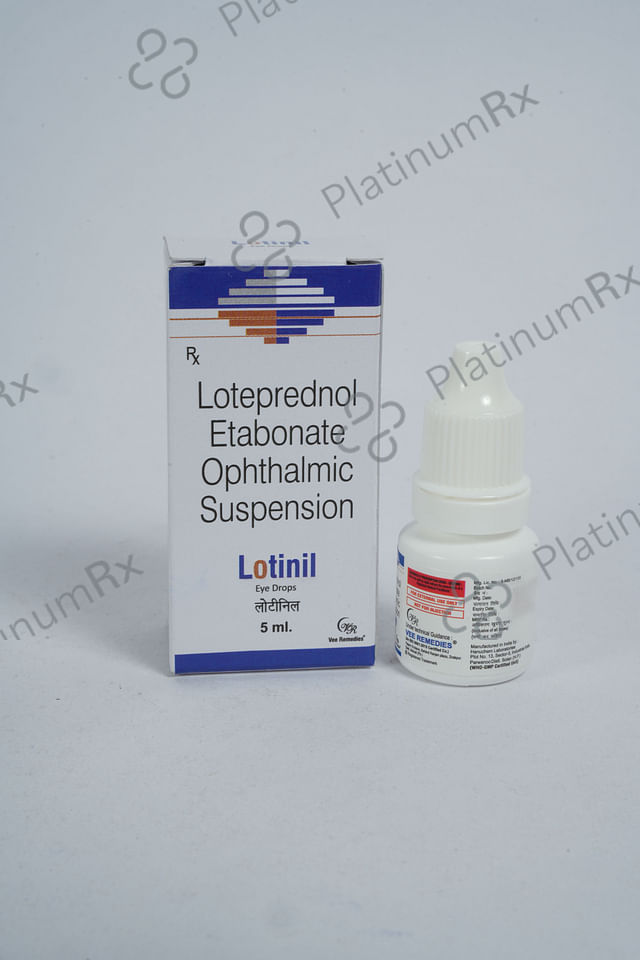

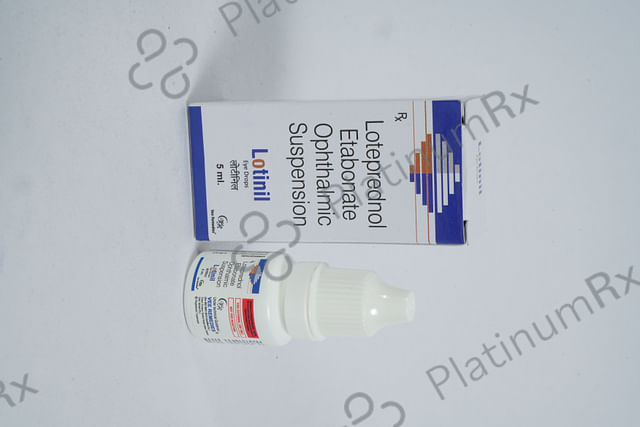
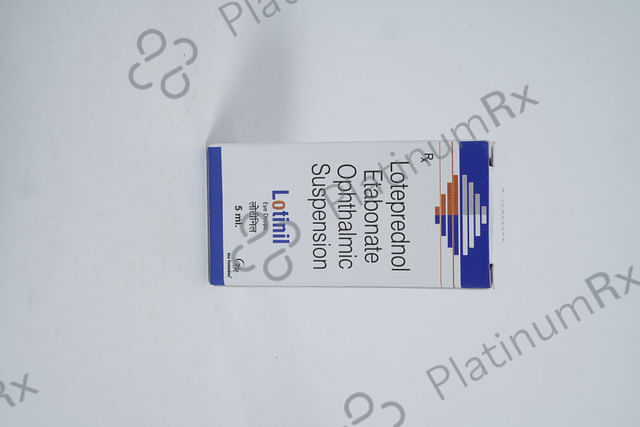
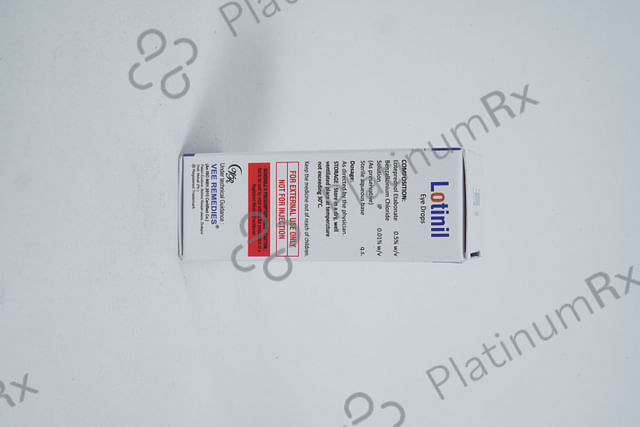


Lorinol HS 5mg Eye Drop 5ml
Micro Labs Ltd.
Bottle of 5 ml
₹138.33
₹168.70
18% Off
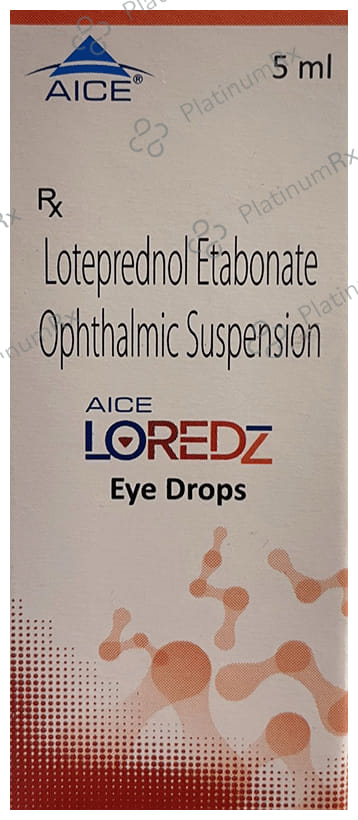
Loredz Eye Drop (Loteprednol Etabonate) is a topical corticosteroid used to treat inflammatory conditions of the eye. It is designed to reduce redness, swelling, and itching associated with various ocular issues, such as allergic conjunctivitis, uveitis, and inflammation following eye surgery. As a "soft steroid," it is engineered to be highly effective at the site of application while being rapidly broken down into inactive substances, which may lower the risk of common steroid-related side effects like increased eye pressure.
Delivery by
...
FDA & GMP Certified
Long Expiry (>8 Months)
15 Days Easy Returns
Have a question?

Genuine Medicine
Pay On Delivery
Secure Payment

LegitScript Certified Online Pharmacy
View content in
 English
Loredz Eye Drop (Loteprednol Etabonate) is a topical corticosteroid used to treat inflammatory conditions of the eye. It is designed to reduce redness, swelling, and itching associated with various ocular issues, such as allergic conjunctivitis, uveitis, and inflammation following eye surgery. As a "soft steroid," it is engineered to be highly effective at the site of application while being rapidly broken down into inactive substances, which may lower the risk of common steroid-related side effects like increased eye pressure.
Loredz Eye Drop contains Loteprednol Etabonate, a topical corticosteroid used to treat inflammation of the eye. It is derived from prednisolone but developed as a “soft steroid,” meaning it acts locally at the site of application and is quickly converted into inactive forms after exerting its effect. This design helps limit systemic exposure and may reduce the likelihood of some steroid-related side effects.
It is prescribed for steroid-responsive inflammatory conditions affecting the conjunctiva, cornea, and anterior segment of the eye. The medicine works by suppressing the inflammatory response triggered by allergens, irritation, or surgical procedures. It reduces the release of inflammatory mediators and stabilises cell membranes, which helps relieve redness, swelling, and discomfort.
Loredz Eye Drop is commonly recommended for allergic eye conditions and inflammation following eye surgery. By controlling inflammation, it supports symptom relief and promotes recovery. However, like other corticosteroids, it can still increase intraocular pressure in some patients.
Loredz Eye Drop should be used under medical supervision. Regular eye examinations may be needed during treatment to monitor intraocular pressure and rule out underlying infections, especially with prolonged use.
Loredz Eye Drop may be indicated by your doctor for:
For the treatment of inflammation and pain following ophthalmic surgeries, such as cataract removal.
To provide rapid relief from the redness, itching, and swelling caused by seasonal or perennial allergens.
Used for various non-infectious inflammatory states of the eye, including cyclitis and certain forms of conjunctivitis.
To manage inflammation of the uvea, the middle layer of the eye, helping to prevent tissue damage and vision loss.
May be used to reduce inflammation caused by chemical burns, thermal burns, or foreign body penetration once the risk of infection is managed.
Loredz Eye Drop may provide benefits such as:
Loredz Eye Drop may cause side effects in some individuals, though many tolerate it well when used for the prescribed duration.
Always consult your doctor if you notice any changes in your vision or persistent eye pain while taking Loredz Eye Drop.
Use Loredz Eye Drop exactly as directed by your doctor based on the prescribed form.
Loredz Eye Drop works by entering the cells of the eye and binding to specific glucocorticoid receptors. This binding triggers the production of proteins called lipocortins. These proteins inhibit the enzyme phospholipase A2, which is responsible for releasing arachidonic acid—the precursor to inflammatory markers like prostaglandins and leukotrienes.
By blocking this initial step, the medicine prevents the cascade of inflammation that causes redness and swelling. Biologically, it stabilises the lysosomal membranes of white blood cells, preventing them from releasing destructive enzymes at the site of irritation. Clinically, this leads to a significant reduction in ocular discomfort and protects the delicate tissues of the eye from inflammatory damage.

CONSULT YOUR DOCTOR. It should be used during pregnancy only if the potential benefit justifies the potential risk to the fetus.

CONSULT YOUR DOCTOR. It is unknown if topical ocular steroids pass into breast milk. Use with caution under medical guidance.

CAUTION. Your vision may be temporarily blurred after application. Do not drive until your vision is clear.

SAFE. Due to minimal systemic absorption, no dose adjustments are typically required for liver disease.

SAFE. No dose adjustments are required for patients with kidney disease.

NO INTERACTION. There are no known direct interactions between alcohol and this ocular medication.

SAFE. No specific dietary restrictions. Avoid wearing contact lenses if your eyes are actively inflamed or as directed by your specialist.
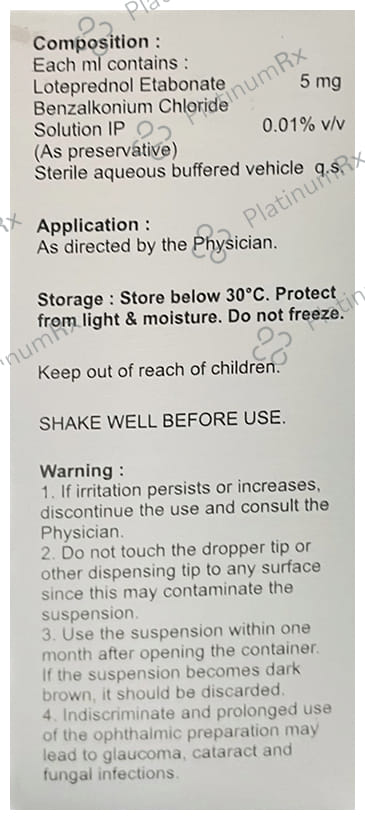
An overdose of this topical medication is unlikely to cause systemic problems. However, excessive use over a long period can increase the risk of eye complications like high pressure. If the medication is accidentally swallowed, contact a healthcare professional or local emergency services.
If you miss a dose, use it as soon as you remember. If it is almost time for your next dose, skip the missed one and return to your regular schedule. Do not use a double dose to make up for the missed application.
Therapeutic Class
Anti-inflammatory (Ophthalmic)
Action Class
Action Class Glucocorticoid Receptor Agonist
Chemical Class
Corticosteroid (Ester-based)
Habit Forming
No
PlatinumRx is committed to providing reliable and accurate information to support informed customer decisions. However, all information made available on the Platform, including product descriptions, comparisons, and other content, is provided solely for general informational purposes. Such information is not intended to diagnose, prevent, treat, or cure any medical condition, nor should it be relied upon as a substitute for professional medical advice, diagnosis, or treatment.

More Medicines By Aice Healthcare
More Medicines With Loteprednol etabonate 0.5% w/v
Top Selling Medicines
Top Selling Devices
Top Selling Health Products