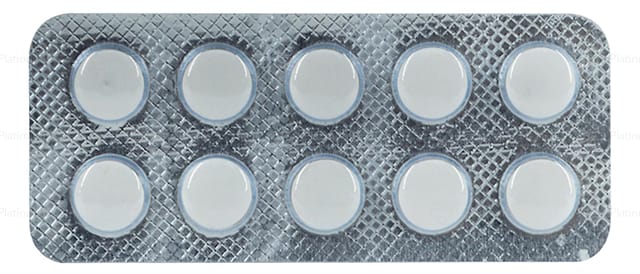
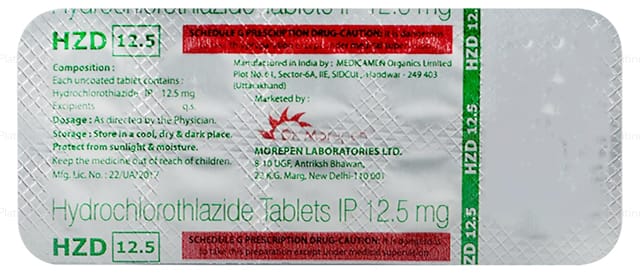
Gatozide 12.5mg Tablet

Gatozide 12.5mg Tablet is a widely used diuretic (water pill) medication containing of Hydrochlorothiazide. It is primarily prescribed to treat high blood pressure (hypertension) and to reduce fluid retention (oedema) caused by conditions such as heart failure, liver cirrhosis, or kidney disorders. By helping the kidneys remove excess salt and water from the body through the urine, it reduces the overall volume of fluid circulating in the blood vessels. This process lowers blood pressure and relieves the physical strain on the heart, helping prevent future complications such as strokes, heart attacks, and kidney failure.
Delivery by
...
FDA & GMP Certified
Long Expiry (>8 Months)
15 Days Easy Returns
Medicine Comparison
Have a question?

Genuine Medicine
Pay On Delivery
Secure Payment

LegitScript Certified Online Pharmacy


View content in
 English
Quick Summary
Gatozide 12.5mg Tablet is a widely used diuretic (water pill) medication containing of Hydrochlorothiazide. It is primarily prescribed to treat high blood pressure (hypertension) and to reduce fluid retention (oedema) caused by conditions such as heart failure, liver cirrhosis, or kidney disorders. By helping the kidneys remove excess salt and water from the body through the urine, it reduces the overall volume of fluid circulating in the blood vessels. This process lowers blood pressure and relieves the physical strain on the heart, helping prevent future complications such as strokes, heart attacks, and kidney failure.
Detailed Description
Gatozide 12.5mg Tablet belongs to a class of medications known as thiazide diuretics. This dose is a standard therapeutic strength often used as a first-line treatment for managing blood pressure or as a foundational therapy in combination with other cardiac medications.
Composition and Mechanism: Each tablet contains of Hydrochlorothiazide. It works by acting on the distal convoluted tubules in the kidneys, where it inhibits the reabsorption of sodium and chloride ions. As these salts are excreted into the urine, they naturally "pull" water along with them. This increase in urine output leads to a decrease in extracellular fluid and plasma volume. Over time, this medication also helps the blood vessels relax (vasodilation), further contributing to a sustained reduction in blood pressure levels.
Major Therapeutic Uses: Gatozide 12.5mg Tablet is primarily indicated for the management of essential hypertension. It is also highly effective in treating oedema associated with congestive heart failure and hepatic cirrhosis. Additionally, it is used to manage fluid buildup caused by various forms of renal dysfunction, including nephrotic syndrome. Because it helps the body retain calcium while excreting sodium, it is sometimes prescribed "off-label" to help prevent calcium-based kidney stones in susceptible patients.
Benefits and Precautions: The primary benefit of Gatozide 12.5mg Tablet is its proven ability to reduce cardiovascular mortality and morbidity through effective blood pressure control. It is generally well-tolerated and cost-effective. However, significant precautions are necessary regarding electrolyte balance. Because it flushes out water and salt, it can also lead to low levels of potassium (hypokalaemia), magnesium, and sodium in the blood. Precautions are also vital for patients with diabetes or gout, as the medication can slightly raise blood sugar and uric acid levels. It should be used with caution in patients with severe kidney or liver disease.
Medical Supervision and Risks: Use of Gatozide 12.5mg Tablet must be supervised by a healthcare provider, with regular monitoring of blood pressure and blood chemistry. Major risks include severe dehydration and electrolyte imbalances, which can cause muscle cramps or heart rhythm issues. It is contraindicated in patients with anuria (inability to pass urine) or a known allergy to sulfonamide-derived drugs. Patients should be monitored for signs of "photosensitivity," as this medicine can make the skin more sensitive to sunlight. It is not typically recommended for use during pregnancy unless the benefits significantly outweigh the risks to the foetus.
Uses of Gatozide 12.5mg Tablet
Gatozide 12.5mg Tablet (Hydrochlorothiazide 25mg) is indicated for:
Hypertension
Lowering high blood pressure in adults.
Cardiac Oedema
Reducing fluid buildup related to heart failure.
Hepatic Oedema
Managing fluid retention due to liver cirrhosis.
Renal Oedema
Treating swelling associated with kidney disorders.
Calcium Stone Prevention
Reducing urinary calcium levels (off-label).
Benefits of Gatozide 12.5mg Tablet
Gatozide 12.5mg Tablet offers a "volume-control" approach to cardiovascular health. Its primary medicinal benefit is the relief of "pressure-overload" on the circulatory system. Removing excess fluid reduces the work the heart has to do to pump blood around the body. This is particularly beneficial for patients who experience shortness of breath or swelling in the ankles and legs, as the medication effectively "drains" the excess fluid from these tissues, allowing for easier movement and breathing.
One of the significant advantages of the dose is its reliability and predictable action. It has been studied extensively for decades and remains a cornerstone of hypertension management. Unlike some stronger "loop" diuretics that can cause sudden, urgent trips to the bathroom, thiazides like Hydrochlorothiazide provide a gentler, more sustained diuretic effect. This makes it easier for patients to incorporate into their daily routine while still achieving significant long-term health benefits, such as a lower risk of heart failure.
Furthermore, Gatozide 12.5mg Tablet is designed to be a versatile "team player" in medicine. It is frequently prescribed alongside other types of blood pressure medications, such as ACE inhibitors or Beta-blockers, because it enhances their effectiveness. Tackling the "fluid" side of the blood pressure equation allows other medications to focus on relaxing the blood vessels. For many patients, this 25mg dose provides a stable foundation for maintaining healthy blood pressure levels, ensuring that their vital organs remain protected from the silent damage of hypertension.
Side Effects of Gatozide 12.5mg Tablet
Common Side Effects (Generally manageable):
- Frequent Urination: Especially during the first few weeks of treatment.
- Dizziness: Feeling lightheaded, particularly when standing up quickly.
- Headache: Mild aching as the body adjusts to fluid changes.
- Dry Mouth: A sensation of thirst or lack of saliva.
- Stomach Upset: Mild nausea or loss of appetite.
Uncommon Side Effects:
- Muscle Cramps: Due to changes in potassium or magnesium levels.
- Photosensitivity: Increased risk of sunburn or skin rashes.
- Orthostatic Hypotension: A sharp drop in blood pressure upon standing.
- Constipation: Slowed digestive movement.
Serious Side Effects (Requires immediate medical attention):
- Electrolyte Imbalance: Extreme thirst, confusion, irregular heartbeat, or severe weakness.
- Pancreatitis: Severe upper stomach pain spreading to the back.
- Vision Changes: Sudden eye pain or decreased vision.
- Jaundice: Yellowing of the eyes or skin (indicating liver stress).
- Severe Skin Reactions: Fever, sore throat, and a purple rash that spreads.
Directions for Use
- Timing: Usually taken once daily in the morning to avoid waking up at night to urinate.
- Method: Swallow the tablet whole with a glass of water. Can be taken with or without food.
- Consistency: Take it at the same time every day to keep blood pressure steady.
- Sun Protection: Wear sunscreen and protective clothing, as your skin may burn more easily.
- Monitor Weight: If you are taking this for oedema, weigh yourself daily to track fluid loss.
How it works
This medication works through a "Sodium-Water Clearance" pathway:
- Tubular Inhibition: It stops the kidneys from reabsorbing sodium and chloride in the distal tubule.
- Osmotic Pull: The unabsorbed salt stays in the urine and pulls water with it via osmosis.
- Volume Reduction: As urine output increases, the total fluid volume in the blood vessels decreases.
- Vascular Relaxation: Over several weeks, the medication helps blood vessel walls relax, further lowering pressure.
Safety Advice for Gatozide 12.5mg Tablet

Driving
Caution
May cause dizziness, especially initially. Do not drive until you know how it affects you.

Pregnancy
Caution
Generally avoided. It can cross the placenta and affect the baby's electrolytes. Consult your doctor.

Alcohol
Unsafe
AVOID. Alcohol can worsen the blood-pressure-lowering effect, leading to fainting.
Quick Tips for Gatozide 12.5mg Tablet
- The "Morning" Rule: Taking your pill at 8:00 AM ensures the peak diuretic effect happens during the day, not while you are trying to sleep.
- Potassium Power: Your doctor may suggest eating potassium-rich foods such as bananas, oranges, or spinach to help prevent low potassium levels.
- Stand Up Slowly: To prevent dizziness, take your time when moving from a lying or sitting position to standing.
- Watch the Salt: Reducing your dietary salt intake will help the medication work more effectively.
Storage Advice
Store Gatozide 12.5mg Tablet at room temperature (below 30°C). Keep the tablets in their original moisture-proof container. Protect from direct heat and excessive light. Keep out of reach of children.
Drug-Food Interaction
- Alcohol: Increases the risk of dizziness and fainting (orthostatic hypotension).
- Liquorice: Natural liquorice can cause a drop in potassium, worsening the drug's side effects.
Interactions with Other Drugs
Lithium
SEVERE
Hydrochlorothiazide inhibits the body's clearance of lithium, leading to toxic levels.
Digoxin
MODERATE
Low potassium caused by the diuretic can lead to dangerous Digoxin toxicity.
NSAIDs (Ibuprofen)
CAUTION
Painkillers can reduce the blood-pressure-lowering effect and strain the kidneys.
Diabetes Meds
CAUTION
The dose of insulin or oral meds may need to be adjusted as blood sugar may rise.
Drug-Disease Interactions
- Diabetes: May raise blood sugar levels; glucose monitoring is required.
- Gout: Can increase uric acid levels, potentially triggering a gout attack.
- Kidney Disease: If kidney function is too low, thiazide diuretics may be less effective.
- Systemic Lupus Erythematosus (SLE): May cause a flare-up or activation of the condition.
Daily Dose
The dosage is highly individualised based on the patient's response and blood pressure goals. For Hypertension, the standard adult dose is one 25mg tablet taken once daily.
In some cases, a doctor may start with a lower dose or increase it to 50mg daily for Oedema management. The goal is to find the lowest effective dose to maintain target blood pressure or fluid balance while minimising electrolyte changes. This is a long-term medication that should not be stopped suddenly, as blood pressure can rebound quickly. Always follow the specific schedule provided by your healthcare provider.
What If You Forget to take Gatozide 12.5mg Tablet?
If you miss a dose, take it as soon as you remember. However, if it is already late in the day (afternoon or evening), skip the missed dose and wait for your next scheduled morning dose. Do not take a double dose, as this can lead to dehydration and a sudden drop in blood pressure.
FAQ
References
- https://www.mayoclinic.org/drugs-supplements/hydrochlorothiazide-oral-route/description/drg-20071841
- https://www.webmd.com/drugs/hydrochlorothiazide-hctz
- https://www.ncbi.nlm.nih.gov/books/NBK430766/
- https://www.drugs.com/hydrochlorothiazide.html
- https://www.goodrx.com/hydrochlorothiazide/what-is?srsltid=AfmBOor3CQdZ_nMP-nWk7NsltUduTRbwYb0SfyMcqeBFsea4A5-HTgwM
Fact Box
Therapeutic Class
Diuretic / Antihypertensive
Action Class
Sodium-Chloride Symport Inhibitor
Chemical Class
Benzothiadiazide (Thiazide)
Habit Forming
No
Disclaimer
PlatinumRx is committed to providing reliable and accurate information to support informed customer decisions. However, all information made available on the Platform, including product descriptions, comparisons, and other content, is provided solely for general informational purposes. Such information is not intended to diagnose, prevent, treat, or cure any medical condition, nor should it be relied upon as a substitute for professional medical advice, diagnosis, or treatment.

Customers also bought

More Medicines By Cmg Biotech Pvt. Ltd.
More Medicines With Hydrochlorothiazide 12.5mg
Top Selling Medicines
Top Selling Devices
Top Selling Health Products