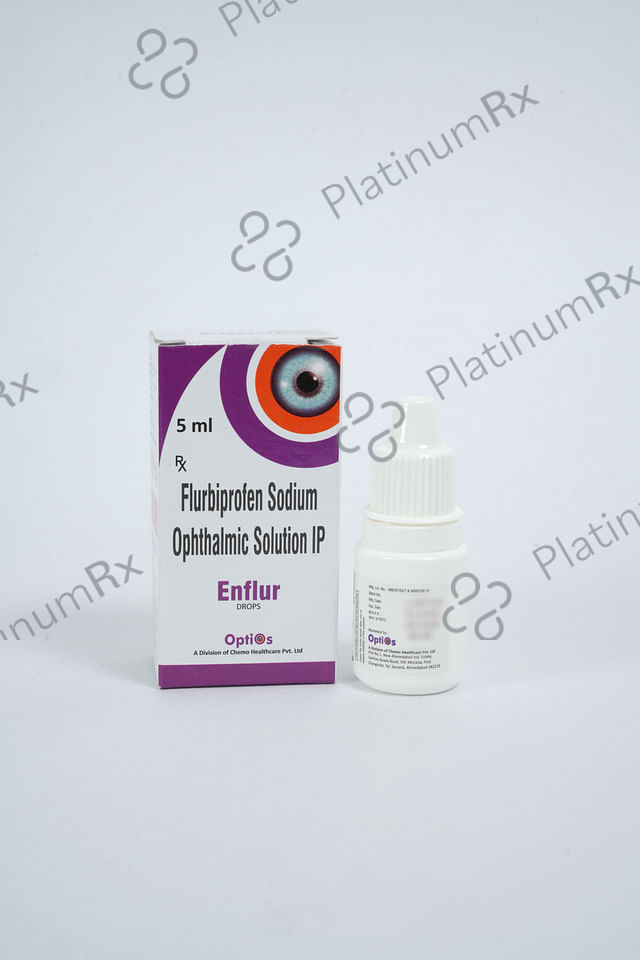
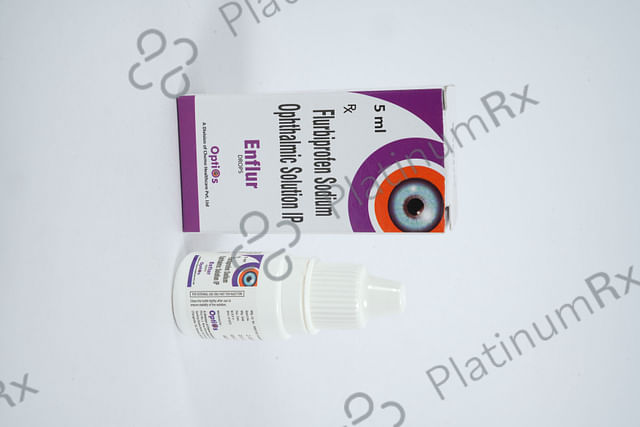
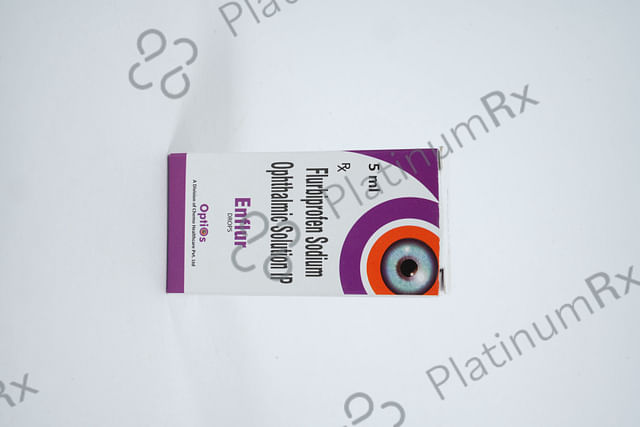
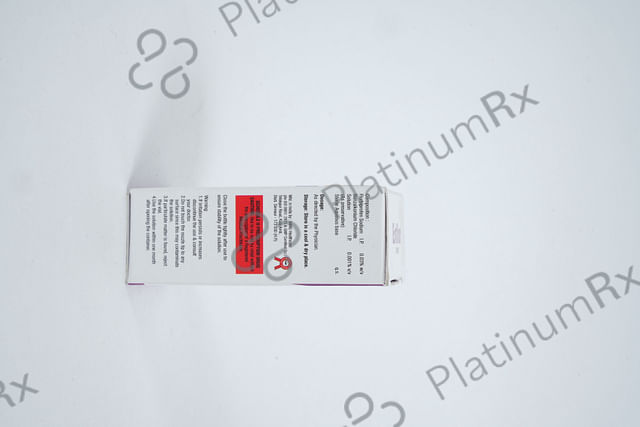
Flubirest 0.03% Ophthalmic Solution

Flubirest 0.03% Ophthalmic Solution is a pain relieving medicine. It is used for treatment of postoperative eye pain and inflammation.Always wash your hands before using Flubirest 0.03% Ophthalmic Solution. Use only the number of drops that your doctor has prescribed and wait for about five minutes between each drop. If you wear contact lenses, remove them before using the drops and wait for at least 15 minutes before putting them back in. You should not touch the tip of the dropper or bottle. This may lead to infection.The most common side effects are blurred vision, irritation or pain in the eye, and watery or dry eyes. These are usually temporary and resolve with time. However, if they persist or get worse, you should let your doctor know.Before using this medicine, you should tell your doctor about all the other medicines you are taking. You should also tell your doctor if you have any other medical conditions or disorders. Pregnant and breastfeeding women should consult with their doctors before using the medicine.
Delivery by
...
FDA & GMP Certified
Long Expiry (>8 Months)
15 Days Easy Returns
Medicine Comparison
Have a question?

Genuine Medicine
Pay On Delivery
Secure Payment

LegitScript Certified Online Pharmacy


More About Flubirest 0.03% Ophthalmic Solution
Quick Summary
Flubirest 0.03% Ophthalmic Solution is a pain relieving medicine. It is used for treatment of postoperative eye pain and inflammation.Always wash your hands before using Flubirest 0.03% Ophthalmic Solution. Use only the number of drops that your doctor has prescribed and wait for about five minutes between each drop. If you wear contact lenses, remove them before using the drops and wait for at least 15 minutes before putting them back in. You should not touch the tip of the dropper or bottle. This may lead to infection.The most common side effects are blurred vision, irritation or pain in the eye, and watery or dry eyes. These are usually temporary and resolve with time. However, if they persist or get worse, you should let your doctor know.Before using this medicine, you should tell your doctor about all the other medicines you are taking. You should also tell your doctor if you have any other medical conditions or disorders. Pregnant and breastfeeding women should consult with their doctors before using the medicine.
Benefits of Flubirest 0.03% Ophthalmic Solution
Treatment of Post-operative eye pain and inflammation
In Treatment of Post-operative eye pain and inflammation : Flubirest 0.03% Ophthalmic Solution helps relieve symptoms after an eye surgery such as pain, redness, itching, soreness, or watery eyes. The dose and duration of treatment will be decided by your doctor based on your condition. Make sure you complete the full course of treatment. This will ensure that the symptoms are completely cured and prevents them from returning.
Side Effects of Flubirest 0.03% Ophthalmic Solution
Side effects of Flubirest Ophthalmic Solution The majority of side effects typically do not necessitate medical intervention. and disappear as your body adjusts to the medicine. Doctor consultation is advised if they persist or if you�re worried about them Common side effects of Flubirest Eye discomfort Burning sensation
Directions for Use
How to use Flubirest Ophthalmic Solution This medicine is for external use only. Take it in the dose and duration as advised by your doctor. Check the label for directions before use. Hold the dropper close to the eye without touching it. Gently squeeze the dropper and place the medicine inside the lower eyelid. Wipe off extra liquid.
How it works
How Flubirest Ophthalmic Solution works Flubirest 0.03% Ophthalmic Solution is a non-steroidal anti-inflammatory drug (NSAID). It works by blocking the release of certain chemical messengers that cause fever, pain and inflammation (redness and swelling).

Alcohol
No interaction has been found or established.

Pregnancy
Flubirest 0.03% Ophthalmic Solution may be unsafe to use during pregnancy. Although there are limited studies in humans, animal studies have shown harmful effects on the developing baby. Your doctor will weigh the benefits and any potential risks before prescribing it to you. Doctor consultation is advised.

Breast feeding
Flubirest 0.03% Ophthalmic Solution is safe to use during breastfeeding. Human studies suggest that the drug does not pass into the breastmilk in a significant amount and is not harmful to the baby.

Driving
Flubirest 0.03% Ophthalmic Solution may cause side effects which could affect your ability to drive.Undesirable effects such as dizziness, drowsiness, fatigue and visual disturbances are possible after taking Flubirest 0.03% Ophthalmic Solution. This may affect your driving ability.

Kidney
No interaction found/established

Liver
No interaction found/established
Storage Advice
Store in a cool and dry place, and keep the temperature below 30�C
Quick Tips for Flubirest 0.03% Ophthalmic Solution
Do not touch the tip of the dropper to any surface, to avoid contaminating the eye drops. It may cause short term blurring of vision. Use caution before driving or using machines.
Manufacturer Address
501, Pearl Arcade, J.P.Road, Andheri (West), Mumbai-58, (Mahrashtra) INDIA
FAQ
Disclaimer
PlatinumRx is committed to providing reliable and accurate information to support informed customer decisions. However, all information made available on the Platform, including product descriptions, comparisons, and other content, is provided solely for general informational purposes. Such information is not intended to diagnose, prevent, treat, or cure any medical condition, nor should it be relied upon as a substitute for professional medical advice, diagnosis, or treatment.

Customers also bought












More Medicines By Innovative Pharmaceuticals
More Medicines With Flurbiprofen 0.03% w/v
Top Selling Medicines
Top Selling Devices
Top Selling Health Products