









Dalacin C 600mg Injection 4ml
Pfizer Ltd.
Ampoule of 4 ml
₹220.98
₹254.00
13% Off
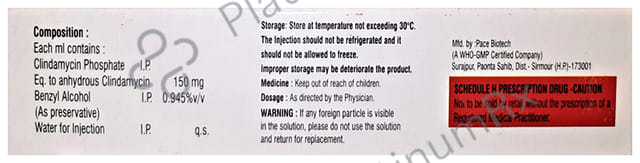
Feronklynda Injection is an antibiotic medication used to treat a variety of Bactarial infections. affecting the skin, respiratory tract, bones, joints, and internal organs. Clindamycin works by inhibiting bacterial protein synthesis, thereby stopping the growth of infection-causing bacteria. It is commonly prescribed when other antibiotics are not suitable or effective, and is available in oral, topical, and injectable forms.
Last updated on: 13-05-2026

Delivery by
...
FDA & GMP Certified
Long Expiry (>8 Months)
Have a question?

Genuine Medicine
Pay On Delivery
Secure Payment

LegitScript Certified Online Pharmacy
View content in
 English
Feronklynda Injection is an antibiotic medication used to treat a variety of Bactarial infections. affecting the skin, respiratory tract, bones, joints, and internal organs. Clindamycin works by inhibiting bacterial protein synthesis, thereby stopping the growth of infection-causing bacteria. It is commonly prescribed when other antibiotics are not suitable or effective, and is available in oral, topical, and injectable forms.
Feronklynda Injection contains Clindamycin, a lincosamide antibiotic that is effective against a wide range of anaerobic bacteria and certain Gram-positive organisms. It is widely used in the treatment of infections such as skin and soft tissue infections, dental infections, bone infections (osteomyelitis), and respiratory tract infections.
Feronklynda Injection works by binding to the 50S subunit of bacterial ribosomes, inhibiting protein synthesis. This action prevents bacteria from growing and multiplying, allowing the body’s immune system to eliminate the infection. It is particularly useful against bacteria that thrive in low-oxygen environments.
In addition to systemic infections, Feronklynda Injection is commonly used in topical formulations to treat acne by reducing bacterial growth and inflammation in the skin. Its ability to penetrate bone and tissues effectively makes it a preferred option in certain deep-seated infections.
The medication should be used under medical supervision, as inappropriate or prolonged use may lead to antibiotic resistance or complications such as severe intestinal conditions.
The uses of Feronklynda Injection are as follows:
Feronklynda Injection treats infections like cellulitis, abscesses, and wounds by stopping bacterial growth and reducing spread.
It helps manage infections such as pneumonia and lung abscess by targeting bacteria in the lungs.
Effective in conditions like osteomyelitis due to its ability to penetrate bone and eliminate infection-causing bacteria.
Used for gum infections and tooth abscesses, especially when other antibiotics are not suitable.
Reduces acne by killing bacteria on the skin and decreasing inflammation.
Treats infections in the abdominal area, particularly those caused by anaerobic (low-oxygen) bacteria.
Like all medicines, Feronklynda Injection may cause side effects in some individuals.
Feronklynda Injection works by interfering with bacterial protein production, which is essential for their growth and survival. It specifically binds to the 50S subunit of the bacterial ribosome, a structure responsible for making proteins. By blocking this process, it prevents bacteria from producing the proteins they need to grow and multiply, effectively stopping the infection from spreading and giving the body’s immune system a chance to clear the bacteria.
This antibiotic is mainly bacteriostatic, so it stops bacteria from multiplying rather than killing them directly. However, at higher concentrations or against certain susceptible bacteria, it can become bactericidal, meaning it actively kills the bacteria. This dual action makes Feronklynda Injection effective in treating a wide range of infections, especially those caused by anaerobic and Gram-positive organisms.

Clindamycin does not typically affect alertness, coordination, or vision. Most patients can drive or operate machinery safely unless they experience unusual side effects like dizziness.

Clindamycin should be used during pregnancy only if clearly necessary. Although generally considered relatively safe, a doctor will assess the benefits versus any potential risks to the fetus before prescribing.

Clindamycin can pass into breast milk in small amounts. It may affect the infant’s gut flora, potentially causing diarrhea or irritation, so medical advice is important before use.

There is no significant direct interaction between clindamycin and alcohol. However, excessive alcohol consumption may worsen side effects like stomach upset or reduce overall recovery.

Clindamycin is primarily metabolized by the liver, so kidney function has minimal impact. Dose adjustment is usually not required in patients with kidney disease.

Since the drug is processed in the liver, patients with liver disease may require monitoring or dose adjustment to prevent accumulation and potential toxicity.
Overdose may cause severe gastrointestinal symptoms such as nausea, vomiting, or diarrhea. Seek medical attention immediately if overdose is suspected.
If you miss a dose, take it as soon as you remember. If it is close to your next scheduled dose, skip the missed dose and continue as usual. Do not double the dose to make up for a missed one.
Therapeutic Class
Antibiotic
Action Class
Protein Synthesis Inhibitor
Chemical Class
Lincosamide Antibiotic
Habit Forming
No
PlatinumRx is committed to providing reliable and accurate information to support informed customer decisions. However, all information made available on the Platform, including product descriptions, comparisons, and other content, is provided solely for general informational purposes. Such information is not intended to diagnose, prevent, treat, or cure any medical condition, nor should it be relied upon as a substitute for professional medical advice, diagnosis, or treatment.

More Medicines By Feron Healthcare Pvt. Ltd.
More Medicines With Clindamycin 600mg
Top Selling Medicines
Top Selling Devices
Top Selling Health Products