












100% Same

Salt CompositionEffectivenessStrength

Top Branded
Substitute

MoleculeSalt Composition in both
You Searched

You Searched

Duodopa 250/25mg Tablet 10s

Duodopa 250/25mg Tablet 10s

Wockhardt Ltd.

Strip of 10 tablets

31

3.1 / Unit
Our Recommendation

Our Recommendation

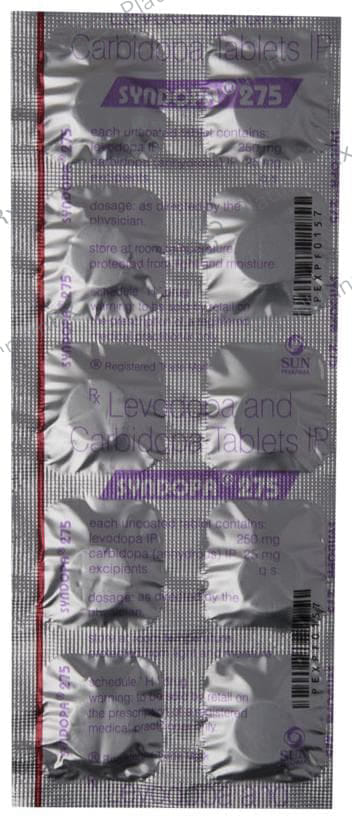
Syndopa 250/25mg Tablet 10s

Syndopa 250/25mg Tablet 10s

Sun Pharmaceutical Industries Ltd.
Strip of 10 tablets

2,578+ trust this

who

WHO GMP Certified

Doctor verified video thumbnail
All Our Medicines are
who icon

WHO GMP
Certified

return Image

15 Days Easy
Returns

Long Expiry

Long Expiry
(>8 Months)

who icon

WHO GMP
Certified

return Image

15 Days Easy
Returns

Long Expiry

Long Expiry
(>8 Months)

Delivery by

Used In

Treatment of Parkinson's disease

Customers also bought

More About Duodopa 250/25mg Tablet 10s

Short Description
Long Description
How to use
Benefits
Side Effects
How to Consume
SafetyAdvice
Quick Tips (Expert Guidance)
Storage
Drug-Food Interactions
Drug-Disease Interactions
Daily Dose
Overdose
What If You Forget to take Duodopa 250 25mg Tablet 10s?
FAQs
References
Fact Box

Quick Summary

Duodopa 250 25mg Tablet 10s is an oral anti-Parkinsonian medicine containing Carbidopa and Levodopa, which belongs to the dopamine precursor and decarboxylase inhibitor class. It is widely used as a first-line treatment for Parkinson's disease, particularly when lifestyle measures and other therapies alone are not sufficient to control motor symptoms like tremors, stiffness, and slowness of movement. Duodopa 250 25mg Tablet 10s works mainly by increasing dopamine levels in the brain and preventing its premature breakdown, helping to improve movement and reduce Parkinson's symptoms effectively.

Detailed Description

Duodopa 250 25mg Tablet 10s contains Levodopa and Carbidopa, an effective anti-Parkinsonian combination that helps control motor symptoms without directly replacing lost brain cells. Because of this mechanism of action, Duodopa 250 25mg Tablet 10s has a low risk of causing excessive dopamine side effects when used properly. It works by converting Levodopa to dopamine in the brain and preventing its premature breakdown outside the brain, helping to improve movement and reduce Parkinson's symptoms.

Duodopa 250 25mg Tablet 10s is widely valued in the management of Parkinson's disease due to its proven effectiveness in reducing tremors, stiffness, and slowness, its generally tolerable profile once adjusted, and its long-standing role as cornerstone therapy. When symptoms are well controlled, Duodopa 250 25mg Tablet 10s has been shown to help maintain daily functioning and quality of life, reducing the impact of Parkinson's progression.

Duodopa 250 25mg Tablet 10s is usually taken with or after meals to reduce the likelihood of common side effects such as nausea, dizziness, low blood pressure, and involuntary movements, which often improve as treatment is fine-tuned. Regular monitoring of kidney and liver function is important during treatment, as impaired function may require dose adjustments. The medicine should always be used as directed by a healthcare professional, with the dose and timing adjusted according to individual patient needs.

Uses of Duodopa 250 25mg Tablet 10s

Duodopa 250 25mg Tablet 10s is indicated for:

Parkinson's disease:

  • Used as monotherapy or in combination with other anti-Parkinsonian agents to improve motor symptoms like tremors, rigidity, bradykinesia, and postural instability.

Parkinsonism:

  • Effective for symptoms caused by other conditions affecting dopamine levels, such as post-encephalitic Parkinsonism.

Off-periods in Advanced Parkinson's:

  • Used to manage "wearing-off" episodes and motor fluctuations in patients with long-standing disease.

Benefits of Duodopa 250 25mg Tablet 10s

Effective Symptom Control:

Significantly improves tremors, stiffness, and slowness of movement, enhancing daily functioning.

Low Nausea Risk:

Carbidopa reduces peripheral side effects, allowing more Levodopa to reach the brain effectively.

Smooth Dopamine Delivery:

Provides consistent symptom relief with reduced "on-off" fluctuations.

Neuroprotective Potential:

May slow disease progression and improve quality of life in Parkinson's patients.

Side Effects of Duodopa 250 25mg Tablet 10s

Duodopa 250 25mg Tablet 10s is generally well-tolerated, but side effects related to movement and the gastrointestinal (GI) system are common, especially when treatment is initiated.​

Common Side Effects:

  • Dyskinesia (involuntary movements)
  • Dry Mouth
  • Loss of Appetite

Serious Side Effects (Stop taking the medicine and seek urgent medical attention if you experience):

  • Neuroleptic Malignant Syndrome (RARE but SEVERE): This is a medical emergency. Symptoms include high fever, muscle rigidity, confusion, irregular heartbeat, and changes in blood pressure. The risk is highest with sudden dose changes or concurrent use of certain medications.​
  • Hallucinations or Severe Confusion: Particularly in older patients or those with advanced disease, which may require dose adjustment.
  • Severe Allergic Reaction: Rash, itching, swelling of the face, throat, or tongue, and difficulty breathing.

Directions for Use

  • Dosage: The dose is typically started low and increased gradually 3-4 times daily, as directed by your physician.
  • Administration: Swallow whole with a glass of water. It is crucial to take Duodopa 250 25mg Tablet 10s with or immediately after a meal to reduce nausea and other side effects.
  • Consistency: Take the medicine at the same time each day to maintain consistent symptom control.
  • Monitoring: Your doctor will regularly monitor your symptoms, mental status, and liver/kidney function. Do not stop the medication without consulting your doctor.

Safety Advice for Duodopa 250 25mg Tablet 10s

PREGNANCY

CONSULT YOUR DOCTOR

Duodopa 250 25mg Tablet 10s use in pregnancy should be decided by a specialist. It may be continued under strict medical supervision if benefits outweigh risks.

Read More

BREASTFEEDING

CONSULT YOUR DOCTOR

Small amounts may pass into breast milk. Generally considered safe, but use only if benefit justifies potential risk to the nursing infant.

Read More

ALCOHOL

CAUTION

Limit alcohol intake. Excessive alcohol can worsen side effects like dizziness and low blood pressure, and increase sedation.

Read More

DRIVING

CAUTION

May cause dizziness, drowsiness, or sudden "off" periods. Avoid driving until you know how it affects you; monitor for sudden movement changes.

Read More

KIDNEY

SEVERE

Use with caution in kidney impairment. Dose adjustment needed; monitor kidney function regularly as it affects drug clearance.

Read More

LIVER

SEVERE

Avoid in severe liver disease. Liver impairment can alter drug metabolism and increase toxicity risks.

Read More

FOOD

LIFESTYLE

Take with or after meals to reduce nausea. Avoid high-protein meals close to dosing, as they may interfere with absorption.

Read More

LIFESTYLE

MODERATE

Rise slowly from sitting/lying to avoid dizziness from low blood pressure. Stay hydrated and report hallucinations or mood changes promptly.

Read More

Quick Tips for Duodopa 250 25mg Tablet 10s

  • With Meals: Always take this medicine during or immediately after a meal to reduce nausea and stomach upset, which are common when starting treatment. Food helps the medication absorb more steadily while minimising gastrointestinal discomfort that many patients experience initially.​
  • Regular Check-ups: You will need regular visits to your neurologist to monitor Parkinson's symptoms, mental status, blood pressure, and overall response. This is critical for safely adjusting doses as the disease progresses and to watch for side effects like dyskinesia or hallucinations.​
  • Stay Steady: Rise slowly from sitting or lying positions to avoid orthostatic hypotension (dizziness or fainting from sudden blood pressure drops). Hold onto support if needed, especially in the early weeks of treatment or after dose increases.​
  • Medical Tests: Inform your doctor or surgeon that you are taking Duodopa 250 25mg Tablet 10s before any surgery, dental work, or procedures requiring anaesthesia. You may need to pause the medicine temporarily to prevent complications like irregular heart rhythms.​
  • Symptoms of Serious Reaction: If you experience high fever, severe muscle stiffness, confusion, rapid heartbeat, hallucinations, or uncontrollable movements, seek emergency medical help immediately. These could signal neuroleptic malignant syndrome or overdose.​

Storage Advice

Store the Duodopa 250 25mg Tablet 10s in its original packaging at room temperature (typically below 30°C / 86°F), away from moisture, heat, direct sunlight, and humidity. Keep out of reach of children and pets to prevent accidental ingestion. Do not use after the expiry date.​

Drug-Food Interaction

Food: Food reduces the extent and slightly delays the absorption of Duodopa 250 25mg Tablet 10s. However, taking it with or after food is highly recommended to minimise nausea and GI side effects.

Drug-Disease Interactions

  • Glaucoma: Use with caution. May increase intraocular pressure in susceptible patients.
  • Psychiatric Disorders (psychosis, depression): Contraindicated. Can worsen hallucinations, confusion, or psychotic symptoms.
  • Cardiovascular Disease: Use with caution, as orthostatic hypotension can worsen heart conditions.
  • Peptic Ulcer Disease: Use with caution due to increased risk of GI bleeding from Levodopa. Interactions with Other Drugs of Duodopa 250 25mg Tablet 10s
  • Antipsychotics (haloperidol, phenothiazines): Can reduce effectiveness and worsen Parkinson's symptoms; avoid concurrent use.
  • MAO Inhibitors: Risk of hypertensive crisis; discontinue 2 weeks before starting Duodopa 250 25mg Tablet 10s.
  • Anticholinergics, Iron Supplements: May delay absorption; separate dosing by 2 hours. Dopamine agonists (amantadine): May increase dyskinesia or hallucinations; monitor closely.
  • Dopamine agonists (amantadine): May increase dyskinesia or hallucinations; monitor closely.

Daily Dose

The typical maximum daily dose is 1200mg carbidopa/4800mg levodopa, but treatment starts low (e.g., 25mg carbidopa/100mg levodopa 3 times daily) and increases gradually over weeks. Doses are individualised based on symptom control and tolerance, often 3-4 times per day.​

Overdose

Overdose can cause severe nausea, vomiting, involuntary movements (dyskinesia), confusion, low blood pressure, or agitation. Action Required: Seek emergency medical assistance immediately. Treatment involves supportive care, activated charcoal if recent, and monitoring vital signs in the hospital.​

What If You Forget to take Duodopa 250 25mg Tablet 10s?

If you miss a dose, take it as soon as you remember with food, unless it's almost time for the next one. Skip the missed dose and resume your schedule—never double up, as this risks side effects like dyskinesia.

Frequently asked questions

Yes, both medicines have the same salt composition, dosage, and effectiveness. They work the same way in your body. The only difference is the brand — and Syndopa option is much more affordable without compromising on quality
Duodopa 250 25mg Tablet 10s is the gold standard treatment for Parkinson's disease, helping control motor symptoms like tremors, stiffness, slow movement (bradykinesia), and balance issues by replenishing dopamine in the brain. Levodopa converts to dopamine where it's needed most, while carbidopa prevents breakdown outside the brain, making it highly effective for improving daily functioning and quality of life.
Taking Duodopa 250 25mg Tablet 10s with or immediately after food significantly reduces common nausea and vomiting by slowing absorption and minimising stomach irritation. This allows more Levodopa to reach the brain effectively without causing peripheral side effects like upset stomach, which are frequent when starting treatment or increasing doses.
Yes, hallucinations or vivid dreams can occur, especially in older patients, those with dementia, or on higher doses as Parkinson's advances. These visual disturbances often respond well to dose reduction, adding low-dose antipsychotics like quetiapine, or addressing sleep issues, but always consult your doctor promptly.
Regular visits every 3-6 months are essential to monitor symptoms, adjust doses for optimal control, check for dyskinesia development, assess mental health changes, and review blood pressure or lab tests. As Parkinson's progresses, more frequent visits help fine-tune therapy and prevent complications.
Limit alcohol as it worsens dizziness, drowsiness, low blood pressure, and coordination problems, increasing fall risk. Avoid binge drinking entirely to prevent intensified side effects, sudden "off" periods, or dangerous interactions that could lead to accidents or hospitalisation.
Yes, dyskinesia (uncontrolled writhing, jerking, or twisting movements) is common after long-term use, often during peak "on" time as tolerance builds. It typically appears years into treatment and may require dose adjustments, adding amantadine, or switching to extended-release formulations for smoother control.
Yes, inform your surgeon well in advance. It may need to be paused 1-2 days before anaesthesia to avoid dangerous blood pressure fluctuations, irregular heart rhythms, or excessive sedation during procedures, resuming gradually under medical supervision afterwards.
No, it's contraindicated in active psychosis or severe depression, as it can worsen confusion, hallucinations, delusional thinking, or agitation by altering dopamine levels. Safer alternatives exist for patients with significant psychiatric conditions.
Nausea, dizziness upon standing, dry mouth, low blood pressure (orthostatic hypotension), and "on-off" fluctuations where symptoms suddenly worsen. These often improve over time with consistent food intake, dose tweaking, hydration, or supportive therapies like compression stockings.
Effects begin within 30-60 minutes after dosing, peaking at 1-2 hours and lasting 3-5 hours per dose. However, full symptom control and optimal dosing may take weeks of gradual titration to balance effectiveness against side effects.
Consult your doctor—limited safety data exists for pregnancy, where benefits must outweigh potential risks to the fetus. During breastfeeding, small amounts may pass into milk; alternatives or close monitoring are often preferred to ensure infant safety.
Take it as soon as remembered with food, unless it's nearly time for your next scheduled dose. Skip the missed one and resume your regular schedule—never double up, as this risks severe dyskinesia, nausea, or toxicity.
Orthostatic hypotension occurs due to dopamine's effects, dilating blood vessels, and dropping pressure suddenly. Counter it by rising slowly (sit first for 30 seconds), staying well-hydrated, wearing compression stockings, and adding salt to your diet if approved by your doctor.
Yes, MAOIs are absolutely contraindicated due to hypertensive crisis risk—stop them 2 weeks before starting. Tricyclics or SSRIs may amplify side effects like confusion or movement issues; close monitoring and dose adjustments are crucial with your neurologist.
"Wearing off" is end-of-dose deterioration where Parkinson's symptoms return before the next dose, causing unpredictable fluctuations. Manage with more frequent smaller doses, adding COMT inhibitors (entacapone), MAO-B inhibitors (rasagiline), or switching to extended-release formulations for steadier coverage.

References

  • https://medlineplus.gov/druginfo/meds/a601068.html

  • https://www.mayoclinic.org/diseases-conditions/parkinsons-disease/diagnosis-treatment/drc-20376062

  • https://www.nhs.uk/medicines/co-careldopa/how-and-when-to-take-co-careldopa/

  • https://www.parkinson.org/living-with-parkinsons/treatment/prescription-medications/levodopa

Fact Box

Therapeutic Class

Anti-parkinsonian Agent ​

Action Class

Increases Brain Dopamine Levels

Chemical Class

Dopamine Precursor + Decarboxylase Inhibitor ​

Habit Forming

No

Checkout Editorial Policy

Disclaimer

PlatinumRx is dedicated to delivering dependable and trustworthy information to empower our customers. However, the information presented here is solely for general informational purposes and should not be utilized for diagnosing, preventing, or treating health issues. It is not intended to establish a doctor-patient relationship or serve as a substitute for professional medical advice.

Flat ₹100 off on first app order   |    Use Code:  APP100   | 

Flat ₹100 off on first app order

USE CODE: APP100

PlatinumRx

Download Now

AppleIconPlayStoreIcon