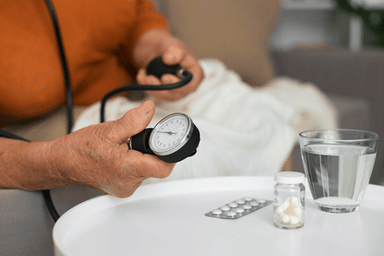
Dine 2.5mg Tablet

Dine 2.5mg Tablet is a prescription medicine used in the treatment of Parkinson's disease and drug-induced abnormal movements. It helps by improving muscle control and reducing the stiffness of the muscles so that they can move easily.Dine 2.5mg Tablet should be taken with food as it reduces the side effects with this medicine. It should be taken at the same time each day, this helps to maintain a consistent level of medicine in the body. Take this medicine in the dose and duration as advised by your doctor and if you have missed a dose, take it as soon as you remember. Do not skip any doses and finish the full course of treatment even if you feel better. This medication mustn't be stopped suddenly without talking to the doctor as it may result in a worsening of symptoms.Some common side effects of this medicine include dilation of the pupil, blurring of vision, lightheadedness, nausea, vomiting, epigastric pain, and constipation. It also causes dizziness, so do not drive or do anything that requires mental focus until you know how this medicine affects you. Dry mouth may occur commonly while using this medicine so, try to do frequent mouth rinses, maintain good oral hygiene, and increase water intake. Avoid wearing contact lenses as it may cause dry eyes as well. It is important to inform your doctor if you suffer from glaucoma or have trouble passing urine.Before using Dine 2.5mg Tablet, you should tell your doctor if you've ever had heart problems, problems with passing urine, liver or kidney disease. It may also affect, or be affected by, some other drugs you are using so let your doctor know what these are to be safe. Pregnant or breastfeeding mothers should consult their doctor before starting treatment with this medicine.
Written by: Shubham Kumar Singh, B pharmacy
Reviewed by: Dr. Jay Faldu, MBBS
Last updated on: 24-06-2025
FDA & GMP Certified
Long Expiry (>8 Months)
15 Days Easy Returns
General Information
Have a question?

Genuine Medicine
Pay On Delivery
Secure Payment

LegitScript Certified Online Pharmacy


More About Dine 2.5mg Tablet
Quick Summary
Dine 2.5mg Tablet is a prescription medicine used in the treatment of Parkinson's disease and drug-induced abnormal movements. It helps by improving muscle control and reducing the stiffness of the muscles so that they can move easily.Dine 2.5mg Tablet should be taken with food as it reduces the side effects with this medicine. It should be taken at the same time each day, this helps to maintain a consistent level of medicine in the body. Take this medicine in the dose and duration as advised by your doctor and if you have missed a dose, take it as soon as you remember. Do not skip any doses and finish the full course of treatment even if you feel better. This medication mustn't be stopped suddenly without talking to the doctor as it may result in a worsening of symptoms.Some common side effects of this medicine include dilation of the pupil, blurring of vision, lightheadedness, nausea, vomiting, epigastric pain, and constipation. It also causes dizziness, so do not drive or do anything that requires mental focus until you know how this medicine affects you. Dry mouth may occur commonly while using this medicine so, try to do frequent mouth rinses, maintain good oral hygiene, and increase water intake. Avoid wearing contact lenses as it may cause dry eyes as well. It is important to inform your doctor if you suffer from glaucoma or have trouble passing urine.Before using Dine 2.5mg Tablet, you should tell your doctor if you've ever had heart problems, problems with passing urine, liver or kidney disease. It may also affect, or be affected by, some other drugs you are using so let your doctor know what these are to be safe. Pregnant or breastfeeding mothers should consult their doctor before starting treatment with this medicine.
Benefits of Dine 2.5mg Tablet
Parkinson's disease / Drug induced abnormal movements
In Parkinson's disease : Parkinson�s disease (PD) is a disorder of the central nervous system. It makes the muscles stiff which causes difficulties in standing and walking. PD also causes tremors and loss of balance.Dine 2.5mg Tablet helps to treat the symptoms of Parkinson's Disease. It relaxes the stiff muscles and helps in easy movement without losing balance. You can see that the medicine is working if you are able to do your daily activities more easily and have a more active and better quality of life.In Drug induced abnormal movements Dine 2.5mg Tablet is also used to treat side effects like abnormal movements caused by antipsychotic drugs. It helps restore normal body posture as well as control over muscle movements in the body. This will enable you to lead a normal life and improve your ability to carry out daily activities.show moreshow less
Side Effects of Dine 2.5mg Tablet
Side effects of Dine Tablet The majority of side effects typically do not necessitate medical intervention. and disappear as your body adjusts to the medicine. Doctor consultation is advised if they persist or if you�re worried about them Common side effects of Dine Dryness in mouth Nausea Vomiting Constipation Blurred vision Dizziness Lightheadedness Dilatation of pupil Epigastric pain
Directions for Use
How to use Dine Tablet Follow your doctor's guidance regarding the dose and duration of this medication. Ingest it without breaking or crushing. Do not chew, crush or break it. Dine 2.5mg Tablet is to be taken with food.
How it works
How Dine Tablet works Dine 2.5mg Tablet is a muscle relaxing medication. It works by decreasing the activity of excess acetylcholine in the brain. This improves muscle control and reduces stiffness. It helps patients with Parkinson's disease by improving muscle control and reducing stiffness so that they can move more naturally. It is also used to treat movement disorder (restlessness, involuntary movements or muscle spasm ) which can be caused by certain drugs.

Alcohol
Not Safe: Consuming alcohol with Dine 2.5mg Tablet may lead to excessive drowsiness.

Pregnancy
Dine 2.5mg Tablet may be unsafe to use during pregnancy. Although there are limited studies in humans, animal studies have shown harmful effects on the developing baby. Your doctor will weigh the benefits and any potential risks before prescribing it to you. Doctor consultation is advised.

Breast feeding
Dine 2.5mg Tablet should be used with caution during breastfeeding. Breastfeeding should be held until the treatment of the mother is completed and the drug is eliminated from her body.

Driving
Dine 2.5mg Tablet may decrease alertness, affect your vision or make you feel sleepy and dizzy. Do not drive if these symptoms occur.

Kidney
Dine 2.5mg Tablet should be used with caution in patients with kidney disease. Dose adjustment of Dine 2.5mg Tablet may be needed. Doctor consultation is advised.

Liver
Dine 2.5mg Tablet should be used with caution in patients with liver disease. Dose adjustment of Dine 2.5mg Tablet may be needed. Doctor consultation is advised.
Storage Advice
Store in a cool and dry place, and keep the temperature below 30�C
Quick Tips for Dine 2.5mg Tablet
Dine 2.5mg Tablet helps treat Parkinson's disease and drug-induced abnormal movements. Dry mouth may occur as a side effect. Frequent mouth rinses, good oral hygiene, increased water intake and sugarless candy may help. It may cause dry eyes. Avoid wearing contact lenses and inform your doctor if it bothers you. It may cause dizziness and sleepiness. Do not drive or do anything requiring concentration until you know how it affects you. Inform your doctor if you suffer from� glaucoma or if you have trouble passing urine. Do not stop taking Dine 2.5mg Tablet without talking� to your doctor first as that may cause worsening of symptoms. You may be asked for regular monitoring of blood pressure,� intraocular pressure, kidney function, liver function, and cardiac function while taking this medicine.
Manufacturer Address
no. 447, poonamallee high road, aminjikarai, chennai 600029
FAQ
Disclaimer
PlatinumRx is committed to providing reliable and accurate information to support informed customer decisions. However, all information made available on the Platform, including product descriptions, comparisons, and other content, is provided solely for general informational purposes. Such information is not intended to diagnose, prevent, treat, or cure any medical condition, nor should it be relied upon as a substitute for professional medical advice, diagnosis, or treatment.

Customers also bought










More Medicines By Mano Pharma Pvt. Ltd.
More Medicines With Procyclidine 2.5mg
Top Selling Medicines
Top Selling Devices
Top Selling Health Products