
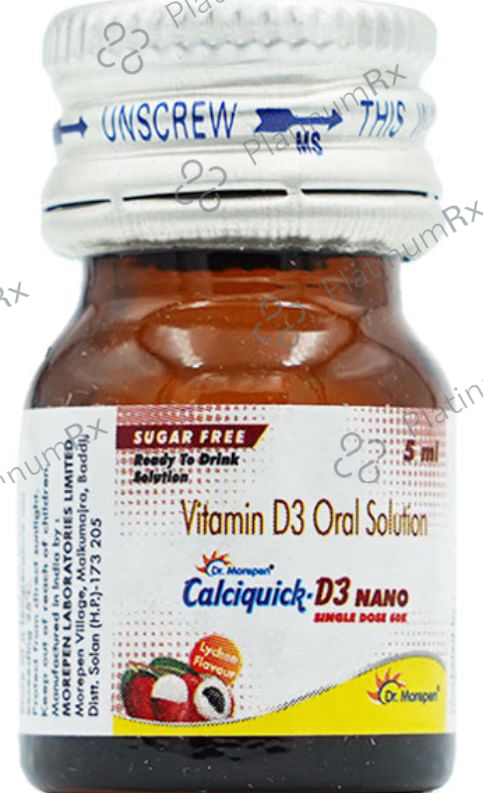
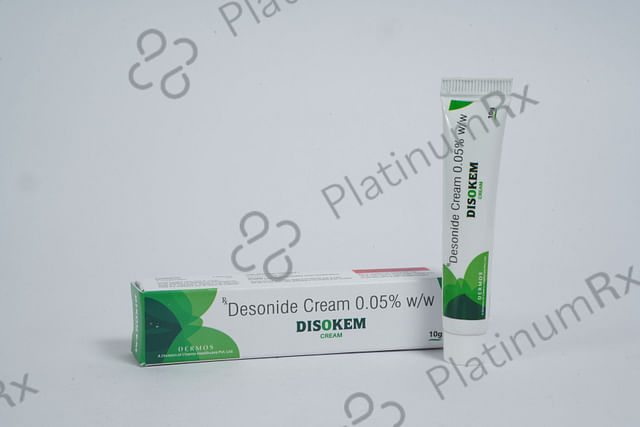
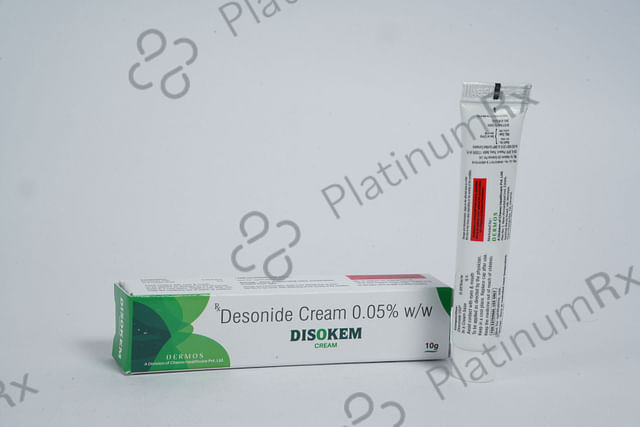
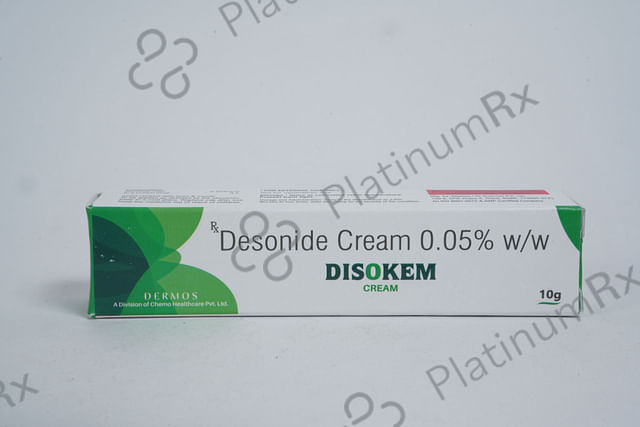
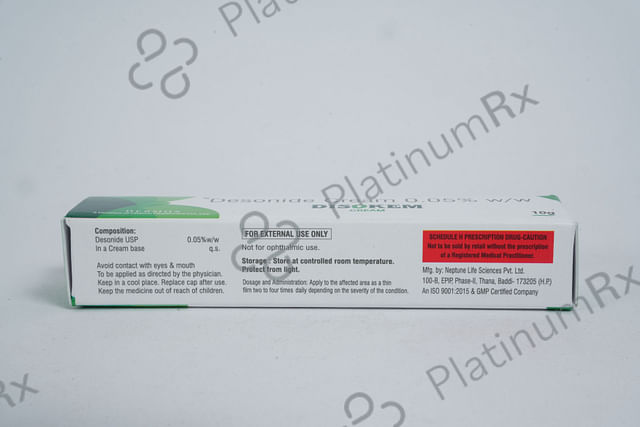
Relynide Cream 10gm
Rely on Pharmaceuticals
Tube of 10 gm
₹163.18
₹199.00
18% Off
Desograce 0.05% Cream is a mild-potency topical corticosteroid containing Desonide. It is primarily used to treat a variety of inflammatory and pruritic (itchy) skin conditions, such as atopic dermatitis (eczema), seborrhoeic dermatitis, and contact dermatitis. Reducing the chemicals in the body that cause inflammation helps to alleviate redness, swelling, and itching. Due to its "low-potency" classification, it is often preferred for use on sensitive skin areas, such as the face, skin folds (intertriginous areas), and for pediatric patients where stronger steroids might pose a higher risk of side effects.
Last updated on: 21-05-2026
Delivery by
...
FDA & GMP Certified
Long Expiry (>8 Months)
15 Days Easy Returns
Have a question?

Genuine Medicine
Pay On Delivery
Secure Payment

LegitScript Certified Online Pharmacy
Desograce 0.05% Cream is a mild-potency topical corticosteroid containing Desonide. It is primarily used to treat a variety of inflammatory and pruritic (itchy) skin conditions, such as atopic dermatitis (eczema), seborrhoeic dermatitis, and contact dermatitis. Reducing the chemicals in the body that cause inflammation helps to alleviate redness, swelling, and itching. Due to its "low-potency" classification, it is often preferred for use on sensitive skin areas, such as the face, skin folds (intertriginous areas), and for pediatric patients where stronger steroids might pose a higher risk of side effects.
Desograce 0.05% Cream belongs to the class of medications known as topical corticosteroids (Group VI). This formulation is engineered to provide "localised-inflammatory-control" with a high safety profile.
Composition and Mechanism: This medication works through a "multi-pathway anti-inflammatory" approach. Desonide diffuses across cell membranes to bind with high affinity to specific cytoplasmic receptors. This action inhibits the release of arachidonic acid, which is the precursor to inflammatory mediators like prostaglandins and leukotrienes. Additionally, it induces "lipocortins," proteins that further suppress oedema and the movement of inflammatory cells into the skin tissue. Together, these actions stabilise the skin's barrier and calm the overactive immune response.
Major Therapeutic Uses: Desograce 0.05% Cream is primarily indicated for the treatment of Atopic Dermatitis (Eczema). It is a frontline therapy for Contact Dermatitis, caused by allergens or irritants, and Seborrhoeic Dermatitis, commonly affecting the scalp and face. It is also used to manage Psoriasis in sensitive areas where the skin is thin. In clinical settings, this combination is valued for its "site-specific-safety," allowing clinicians to treat flare-ups on the eyelids, face, and groin, areas where high-potency steroids could cause irreversible skin thinning (atrophy).
Benefits and Precautions: The primary benefit of Desograce 0.05% Cream is its "mild-yet-effective" profile, making it suitable for long-term management of chronic conditions in children and adults. However, significant precautions are necessary regarding "occlusion." Covering the treated area with bandages or diapers can significantly increase systemic absorption, potentially leading to side effects. Precautions are also vital for patients with skin infections, as steroids can mask or worsen fungal, bacterial, or viral infections. It should be used with caution near the eyes, as prolonged exposure can increase the risk of glaucoma or cataracts.
Medical Supervision and Risks: Use of Desograce 0.05% Cream should be supervised by a Dermatologist or GP. Major risks include "Topical Steroid Withdrawal" (TSW) if used excessively or stopped abruptly after prolonged use. It is contraindicated in patients with known hypersensitivity to corticosteroids or those with untreated primary skin infections. Patients should be monitored for signs of skin thinning, stretch marks (striae), or "adrenal suppression" if used over very large body surface areas for extended periods. This medication is typically applied as a thin film twice or thrice daily.
Desograce 0.05% Cream is indicated for:
Reducing the redness and intense itching of atopic dermatitis.
Safely treating rashes on the delicate skin of the face.
Managing inflammation in skin folds (axilla, groin).
Treating inflammatory skin conditions in infants and children.
Allergic Reactions: Calming skin that has reacted to soaps, jewellery, or plants.
Desograce 0.05% Cream offers a "gentle-dermatological-relief" approach to skin health. Its primary medicinal benefit is "selective-potency." While stronger steroids can cause rapid thinning of the skin, Desonide is designed to provide the necessary anti-inflammatory punch without the aggressive side-effect profile of "Class I" steroids. This results in a medication that can be used on the most vulnerable parts of the body, like the eyelids or the face, providing peace of mind for parents and patients who are concerned about the long-term effects of topical steroids.
One of the significant advantages of this formulation is its "versatility of base." Desonide is often available in creams, ointments, and lotions, allowing for a "texture-matched-therapy." For dry, scaly patches, the ointment provides a protective seal; for "weeping" or oily areas like the scalp, the lotion or cream absorbs quickly without leaving a heavy residue. For many patients, this represents a personalised treatment experience that encourages consistent use, which is critical for fully resolving a skin flare-up.
Furthermore, Desograce 0.05% Cream is designed for "flare-prevention." By effectively calming the initial stages of a skin reaction, it prevents the "itch-scratch-cycle" that often leads to secondary infections and scarring. For children who suffer from sleep-disrupting eczema, this formulation represents the return to a calm, comfortable night’s rest. By restoring the skin's integrity quickly, Desograce 0.05% Cream helps the skin regain its natural barrier function, making it more resilient to future environmental triggers.
Several side effects can be observed with Desograce 0.05% Cream , while common side effects are generally manageable, serious side effects require immediate medical attention.
This medication works through a "Cellular-Barrier-Stabilisation" pathway:

This medication does not affect your ability to drive or operate machinery.

Use only if clearly needed. Large amounts used for long periods can potentially affect the baby.

Safe, but do not apply to the nipple area to prevent the infant from ingesting the medicine.

There are no known direct interactions between alcohol and topical Desonide.

Generally safe, as very little of the medication enters the bloodstream.

Generally safe; no dosage adjustments are usually required for topical use.
Store Desograce 0.05% Cream at room temperature (20°C to 25°C). Keep the tube tightly closed when not in use. Protect from freezing and excessive heat. Keep out of reach of children.
There are no significant drug-food interactions with topically applied Desonide, as the systemic absorption is minimal.
Since Desograce 0.05% Cream is applied topically, interactions with oral drugs are extremely rare. However, avoid using other topical steroids on the same area simultaneously, as this increases the risk of skin atrophy and systemic absorption. Inform your doctor if you are using any other medicated skin products or cosmetics.
The standard application of Desograce 0.05% Cream is a thin layer to the affected area two to three times daily.
It is important to use the medication for the full duration prescribed, but typically not longer than 2 weeks for the face or 4 weeks for the body without a medical review. If your skin condition does not improve within 2 weeks of starting the medication, or if it gets worse, consult your healthcare provider. Once the inflammation has subsided, you should transition to a steroid-free moisturiser (emollient) to maintain the skin barrier.
If you miss a dose, apply it as soon as you remember. If it is almost time for your next application, skip the missed one. Do not apply double the amount to make up for a missed dose, as this increases the risk of skin thinning.
Therapeutic Class
Topical Anti-inflammatory
Action Class
Localised Immunosuppression & Vasoconstriction
Chemical Class
Low-Potency Corticosteroid (Group VI)
Habit Forming
No (But can cause "rebound" if stopped abruptly)
PlatinumRx is committed to providing reliable and accurate information to support informed customer decisions. However, all information made available on the Platform, including product descriptions, comparisons, and other content, is provided solely for general informational purposes. Such information is not intended to diagnose, prevent, treat, or cure any medical condition, nor should it be relied upon as a substitute for professional medical advice, diagnosis, or treatment.

More Medicines By Dermacia Healthcare
More Medicines With Desonide 0.05% w/v
Top Selling Medicines
Top Selling Devices
Top Selling Health Products