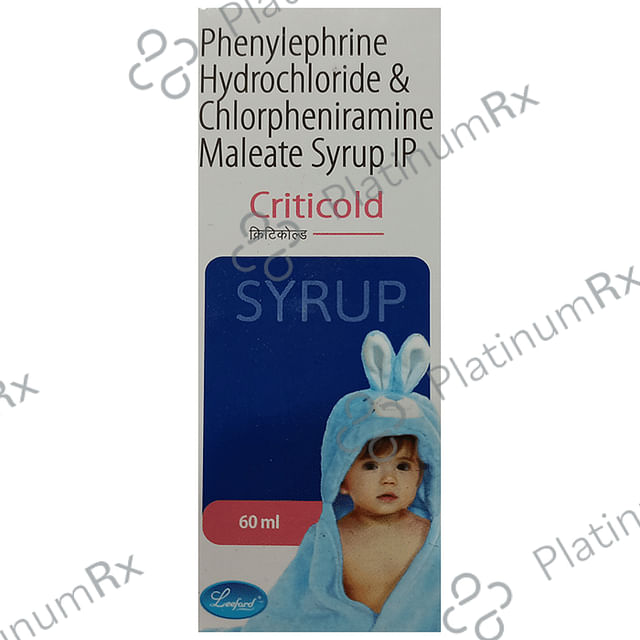
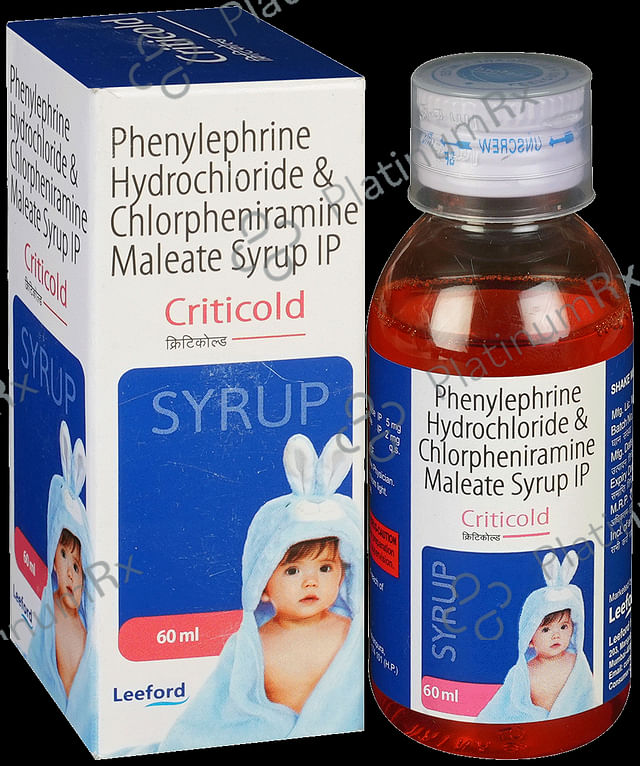
Criticold Syrup

Criticold Syrup is a combined respiratory medication containing Chlorpheniramine Maleate and Phenylephrine Hydrochloride. It is specifically formulated to relieve symptoms associated with the common cold, hay fever, and upper respiratory allergies. Combining an antihistamine with a nasal decongestant addresses both the allergic response and the physical blockage of the nasal passages. This results in a rapid reduction in runny nose, sneezing, watery eyes, and nasal congestion, helping patients breathe more comfortably and go about their daily activities.
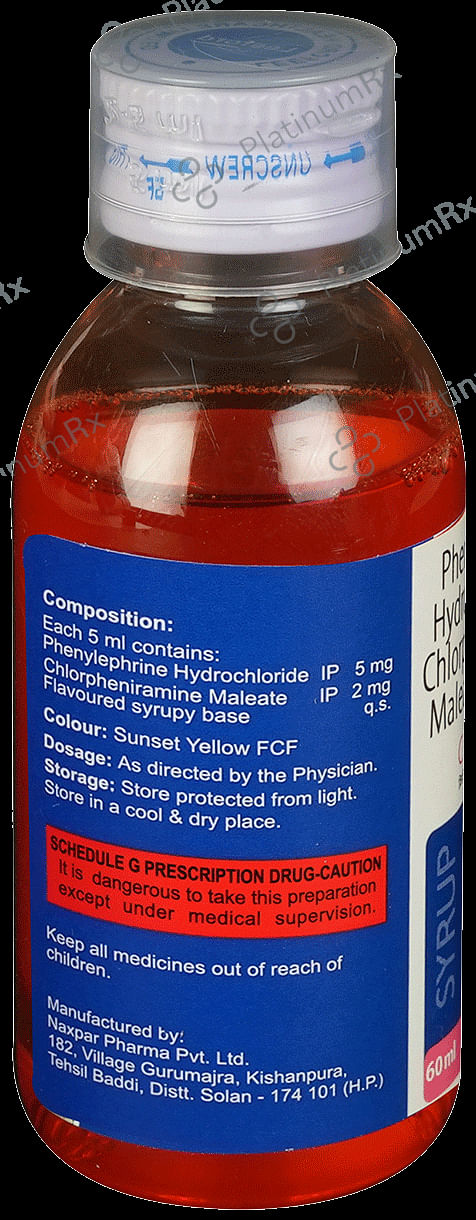
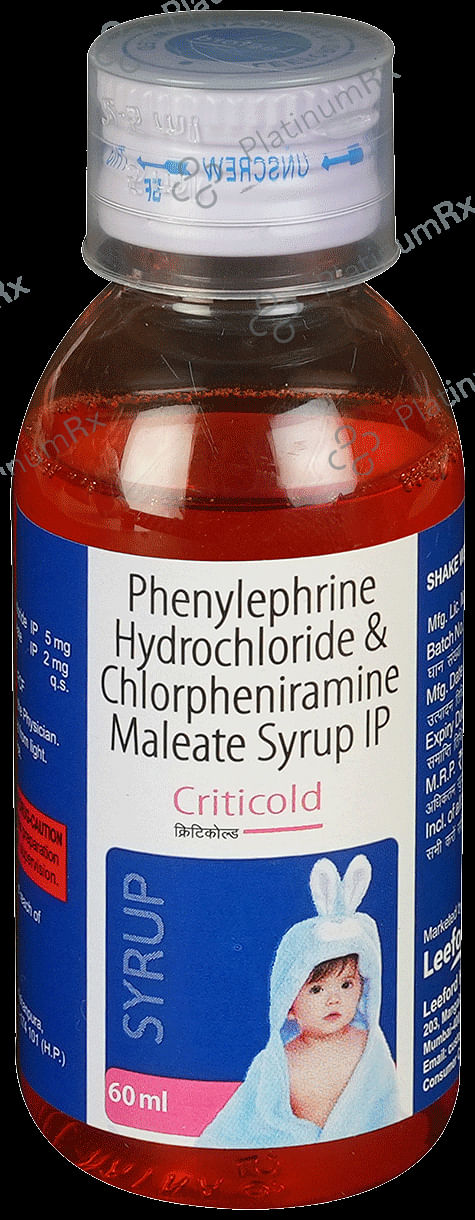
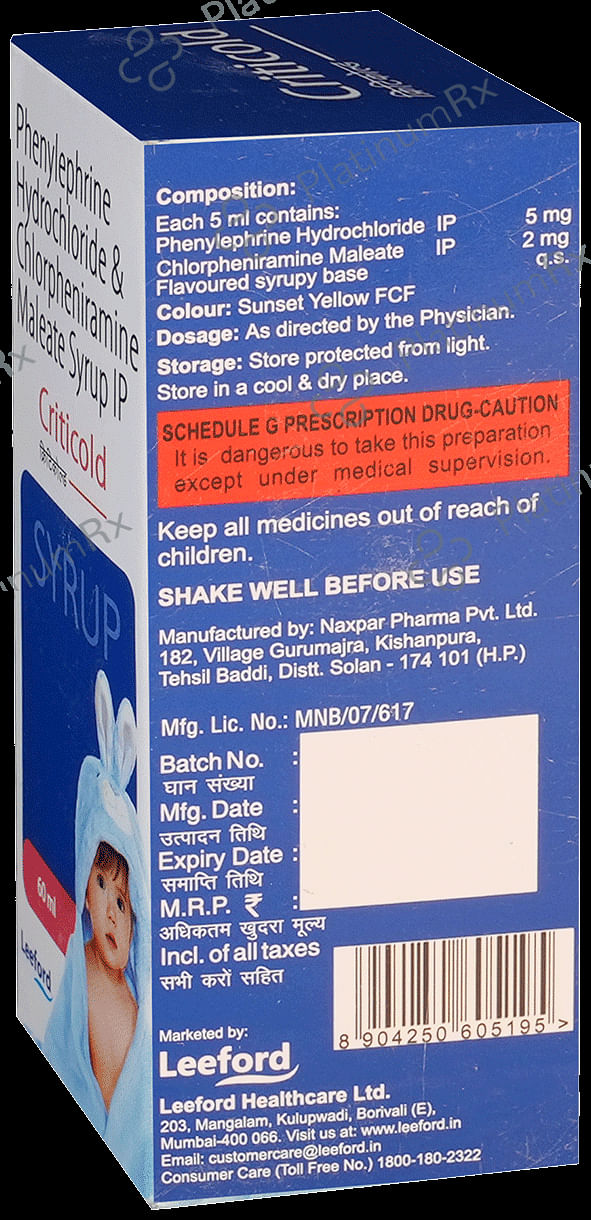
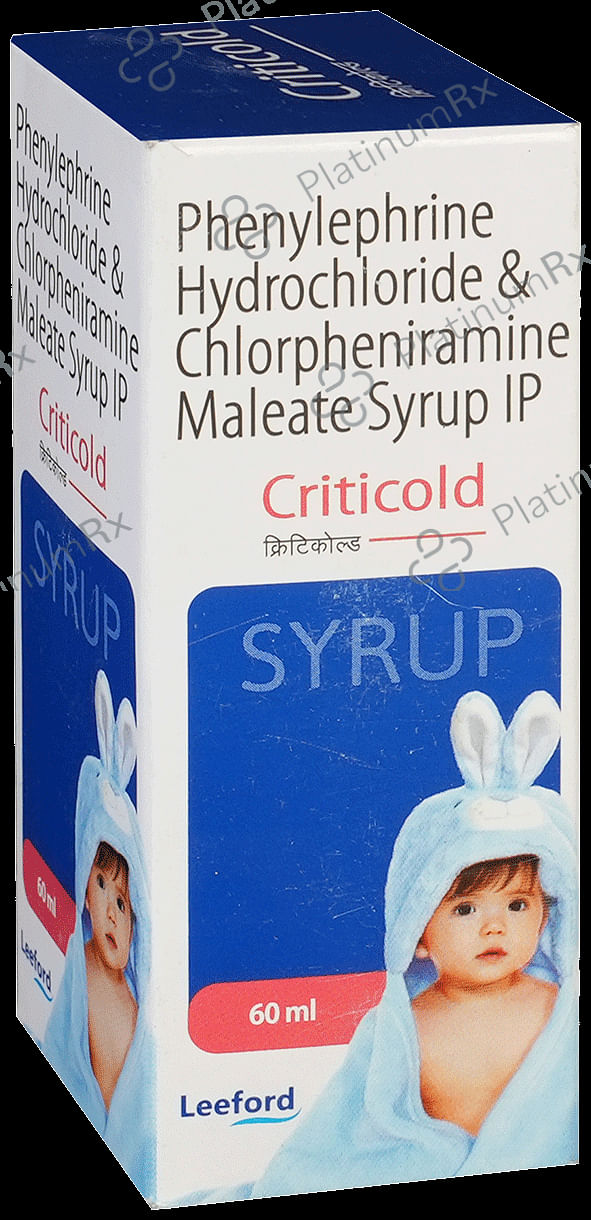
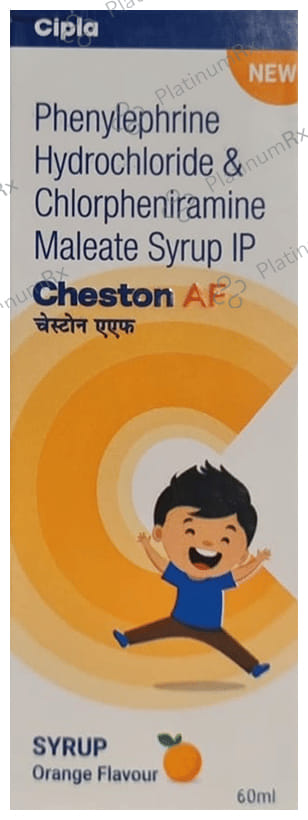
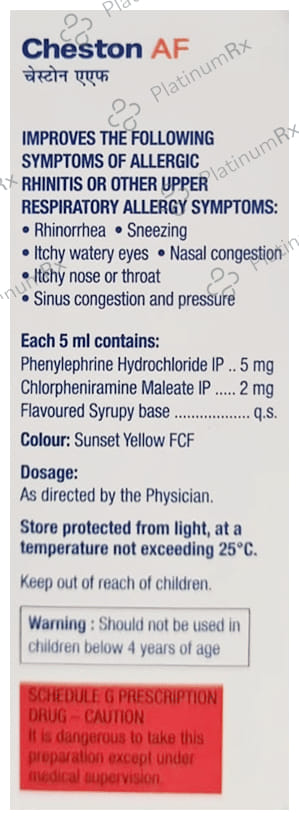

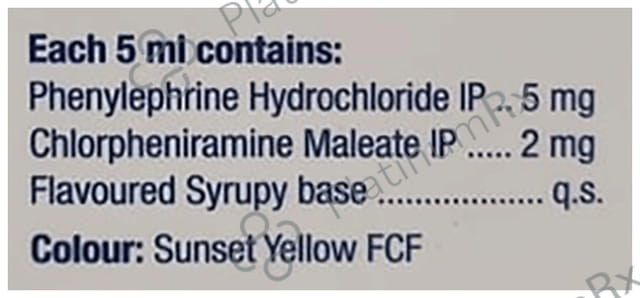

Delivery by
...
FDA & GMP Certified
Long Expiry (>8 Months)
15 Days Easy Returns
Medicine Comparison
Have a question?

Genuine Medicine
Pay On Delivery
Secure Payment

LegitScript Certified Online Pharmacy


View content in
 English
Quick Summary
Criticold Syrup is a combined respiratory medication containing Chlorpheniramine Maleate and Phenylephrine Hydrochloride. It is specifically formulated to relieve symptoms associated with the common cold, hay fever, and upper respiratory allergies. Combining an antihistamine with a nasal decongestant addresses both the allergic response and the physical blockage of the nasal passages. This results in a rapid reduction in runny nose, sneezing, watery eyes, and nasal congestion, helping patients breathe more comfortably and go about their daily activities.
Detailed Description
Criticold Syrup is an oral fixed-dose combination designed to tackle the multi-symptom nature of respiratory allergies and infections. This ratio is standard for providing effective symptomatic relief while maintaining a profile suitable for regular daytime or evening use.
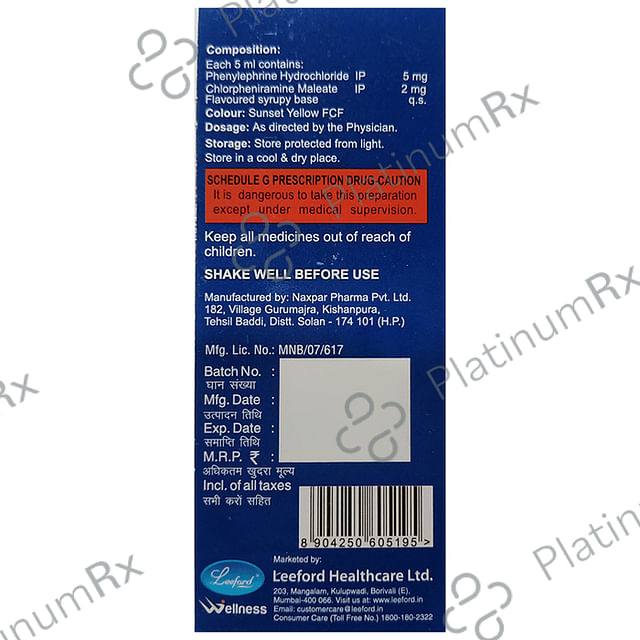
Composition and Mechanism: Each tablet or 5ml of syrup contains of Chlorpheniramine Maleate and Phenylephrine Hydrochloride. Chlorpheniramine Maleate is classified as a first-generation antihistamine. It works by competitively blocking H1 histamine receptors in the body. Under normal circumstances, histamine, a chemical released during allergic reactions, binds to these receptors and produces symptoms such as sneezing, itching, watery eyes, and increased mucus secretion. By preventing histamine from attaching to these receptors, chlorpheniramine effectively reduces these “allergic” manifestations. Because it is a first-generation agent, it can cross the blood-brain barrier, which may also lead to mild sedative effects in some individuals. Phenylephrine Hydrochloride, on the other hand, is a sympathomimetic amine that functions primarily as a nasal decongestant. It selectively stimulates alpha-1 adrenergic receptors located in the smooth muscle of blood vessels, particularly in the nasal mucosa. Activation of these receptors leads to vasoconstriction, or narrowing of the blood vessels. This reduces blood flow to the nasal tissues, thereby decreasing swelling, congestion, and inflammation. As a result, the nasal passages open up, improving airflow and making breathing easier.
Major Therapeutic Uses: Criticold Syrup is primarily indicated for the symptomatic relief of the common cold and allergic rhinitis. It is highly effective for "allergic salute" symptoms, sneezing, itchy nose, and throat irritation. It is also used to relieve sinus congestion and pressure caused by infections or hay fever. Because it dries up secretions and opens the airways, it is a staple treatment for "post-nasal drip," which often causes a persistent nighttime cough.
Benefits and Precautions: The primary benefit of this combination is its "dual-action" approach; it stops the cause of the allergy (histamine) while physically clearing the obstruction (congestion). However, significant precautions are necessary regarding its sedative effects. As a first-generation antihistamine, Chlorpheniramine can cause noticeable drowsiness in many patients. Precautions are also vital for patients with high blood pressure or heart disease, as Phenylephrine can cause a slight increase in blood pressure and heart rate. It should be used with caution in patients with glaucoma or prostate enlargement, as it can interfere with fluid drainage and urination.
Medical Supervision and Risks: While often used for self-limiting conditions, treatment should be guided by a healthcare provider, especially in children and the elderly. Major risks include "rebound congestion" if used excessively and potential cardiovascular strain in susceptible individuals. There is also a risk of increased eye pressure in patients with narrow-angle glaucoma. Patients must be monitored for signs of excessive CNS stimulation (restlessness) or profound sedation. This medication should not be used in combination with certain antidepressants (MAO inhibitors) due to the risk of a dangerous spike in blood pressure.
Caution: Do not use Criticold Syrup in children below 4 years of age, as advised by the Ministry of Health and Family Welfare.
Uses of Criticold Syrup
Criticold Syrup (Chlorpheniramine 2mg + Phenylephrine 5mg) is indicated for:
Allergic Rhinitis
Relieving sneezing, runny nose, and itchy eyes.
Common Cold
Managing nasal stuffiness and sinus pressure.
Hay Fever
Treating seasonal allergy symptoms caused by pollen or dust.
Sinusitis
Supporting the drainage of the sinuses during an infection.
Benefits of Criticold Syrup
Criticold Syrup offers a "clear-and-calm" approach to respiratory health. Its primary medicinal benefit is the immediate reduction of nasal airway resistance. Shrinking the swollen membranes inside the nose eliminates the "stuffy" feeling that often leads to mouth breathing and sleep disruption. This allows the delicate tissues of the respiratory tract to rest and recover from irritation.
One of the significant advantages of the combination is its balance of potency and safety. The dose of Chlorpheniramine is effective at blocking the body's allergic response without being as overwhelming as higher-dose antihistamines. This makes it a reliable choice for managing "all-day" allergies. of Phenylephrine provides a gentle but steady decongestant effect that typically does not cause the "jittery" feeling associated with stronger stimulants like pseudoephedrine.
Furthermore, Criticold Syrup is uniquely beneficial for managing the "itch-scratch" cycle of the respiratory tract. Stopping the release of histamine at the source prevents the urge to sneeze and rub the nose, which can otherwise lead to secondary infections. For many patients, taking this medication in the evening provides a double benefit: the decongestant clears the nose for better breathing. At the same time, the mild sedative effect of the antihistamine helps promote a restful night’s sleep despite cold symptoms.
Side Effects of Criticold Syrup
Common Side Effects (Generally manageable):
- Drowsiness: Feeling sleepy or sluggish (very common).
- Dry Mouth: A decrease in saliva production; dry throat or nose.
- Dizziness: Feeling lightheaded or unsteady.
- Blurred Vision: Difficulty focusing clearly.
- Nausea: Mild stomach discomfort.
Uncommon Side Effects:
- Insomnia: Difficulty sleeping (if the decongestant effect is strong for the patient).
- Restlessness: Feeling nervous or "on edge."
- Constipation: Slowed digestive movement.
- Thickened Mucus: Phlegm in the lungs may become harder to cough up.
Serious Side Effects (Requires immediate medical attention):
- Hypertension: Sudden, severe headache and pounding in the heart.
- Urinary Retention: Difficulty or inability to pass urine.
- Tachycardia: A racing or irregular heartbeat.
- Seizures: Especially in young children if the dose is exceeded.
- Severe Allergic Reaction: Hives, swelling of the face, or difficulty breathing.
Directions for Use
- Timing: Can be taken every 4 to 6 hours as needed, or as directed by a doctor.
- Method: Swallow the tablet whole with water. If using syrup, use a proper measuring spoon.
- Consistency: Do not exceed the recommended number of doses in 24 hours.
- Hydration: Drink plenty of water to help thin out nasal secretions.
- Safety First: Avoid activities requiring mental alertness, like driving, until you know how the medicine affects you.
How it works
This combination works through an "Antagonist and Agonist" pathway:
- Histamine Blockade (Chlorpheniramine): It competes with histamine for H1-receptor sites, stopping the signal that causes swelling and fluid leakage.
- Vascular Constriction (Phenylephrine): It stimulates alpha-adrenergic receptors, causing the blood vessels in the nose to tighten.
- Fluid Reduction: With the vessels tightened and the receptors blocked, the production of mucus and watery fluid drops significantly.
- Airway Opening: The physical swelling of the nasal lining decreases, creating a wider airway.
Safety Advice for Criticold Syrup

Driving
Caution
This medicine causes significant drowsiness and may impair your reaction time.

Pregnancy
Caution
Consult your doctor. First-generation antihistamines should be used only if clearly needed.

Alcohol
Unsafe
Alcohol will dangerously increase the sedative effects of this medication.
Quick Tips for Criticold Syrup
- The "Nightly" Benefit: If the medicine makes you too sleepy during the day, ask your doctor whether you can take the main dose at bedtime to help with nighttime congestion.
- Stay Hydrated: Dry mouth is common; suck on sugar-free candy or sip water frequently to stay comfortable.
- Check Other Labels: Many "over-the-counter" cold meds contain these same ingredients. Check labels to avoid an accidental overdose.
- Monitor BP: If you have borderline high blood pressure, check your readings occasionally while taking this medication.
Storage Advice
Store Criticold Syrup at room temperature (below 30°C). Keep the tablets or syrup in their original light-resistant container. Protect from excessive moisture and heat. Keep out of reach of children.
Drug-Food Interaction
- Alcohol: Significantly increases drowsiness and the risk of accidents.
- Caffeine: May mask the sedative effect of the antihistamine but could increase the risk of heart palpitations from the decongestant.
Interactions with Other Drugs
MAO Inhibitors
SEVERE
Taking these together can cause a life-threatening "hypertensive crisis" (extreme BP spike).
Sedatives / Sleeping Pills
MODERATE
Will greatly increase the level of drowsiness and respiratory depression.
Digoxin
CAUTION
May increase the risk of an irregular heartbeat when taken with Phenylephrine.
Antidepressants
CAUTION
Tricyclic antidepressants can increase the side effects of Chlorpheniramine.
Drug-Disease Interactions
- Narrow-Angle Glaucoma: May dangerously increase eye pressure.
- Prostate Hypertrophy: May cause severe difficulty with urination.
- Hypertension: Phenylephrine can further raise blood pressure.
- Diabetes: Decongestants can occasionally interfere with blood sugar control.
Daily Dose
The dosage is based on age and the severity of symptoms. For adults, the standard Initial Dose is one tablet (or 5ml-10ml syrup) every 4 to 6 hours.
The Maximum Dose for adults typically does not exceed 6 doses (Chlorpheniramine / Phenylephrine) in 24 hours. For children, the dose is much lower and must be determined by a paediatrician based on body weight. Do not use this medication for more than 7 consecutive days without consulting a doctor, as prolonged use of decongestants can lead to habituation.
What If You Forget to take Criticold Syrup?
If you miss a dose, take it as soon as you remember. However, if it is almost time for your next dose, skip the missed one. Do not take a double dose to catch up, as this increases the risk of extreme drowsiness and heart palpitations.
FAQ
Fact Box
Therapeutic Class
Antihistamine & Decongestant Combination
Action Class
Allergic Response Blocker & Nasal Decongestant
Chemical Class
Alkylamine (Antihistamine) + Phenethylamine (Decongestant)
Habit Forming
No
Disclaimer
PlatinumRx is committed to providing reliable and accurate information to support informed customer decisions. However, all information made available on the Platform, including product descriptions, comparisons, and other content, is provided solely for general informational purposes. Such information is not intended to diagnose, prevent, treat, or cure any medical condition, nor should it be relied upon as a substitute for professional medical advice, diagnosis, or treatment.

Customers also bought





More Medicines By Leeford Healthcare Ltd.
More Medicines With Chlorpheniramine Maleate 2mg + Phenylephrine 5mg
Top Selling Medicines
Top Selling Devices
Top Selling Health Products