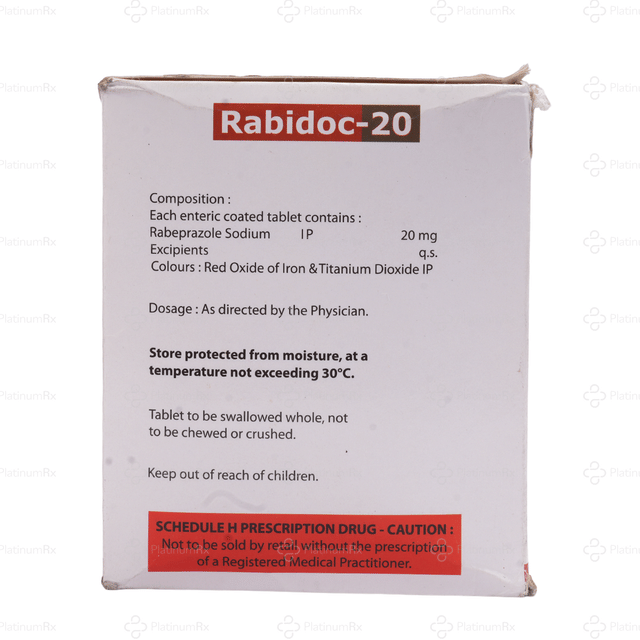
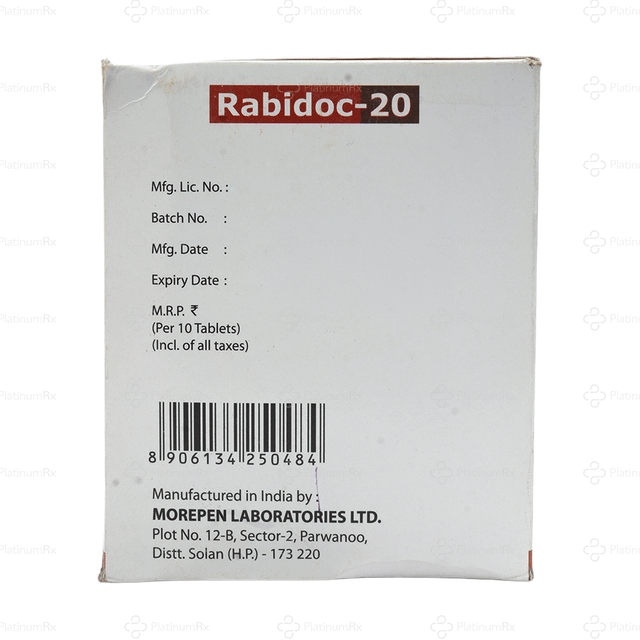
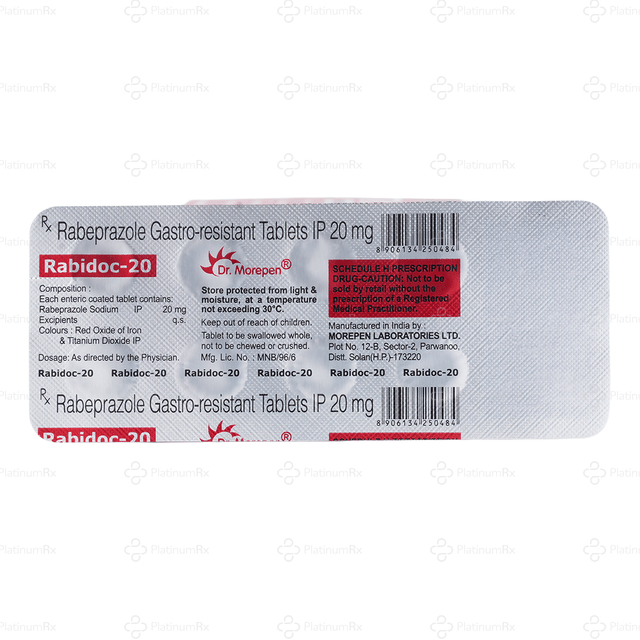
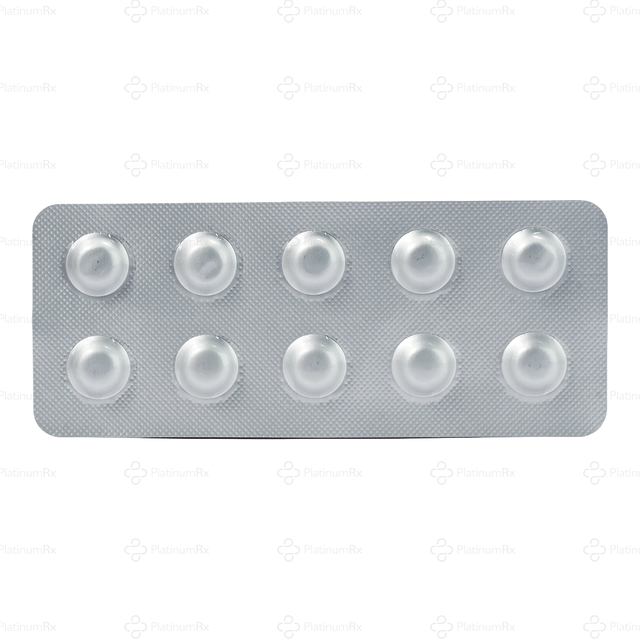




Rapid RD 20mg Tablet 10s
Anax Lifescience Pvt. Ltd.
Strip of 10 tablets
₹61.50
₹75.00
18% Off
Rabeprazole is a proton pump inhibitor (PPI) used to treat acid-related stomach and oesophageal conditions such as acidity, heartburn, gastro-oesophageal reflux disease (GERD), peptic ulcers, and Zollinger–Ellison syndrome. It works by reducing excess acid production in the stomach, providing relief from symptoms like burning sensation, sour belching, chest discomfort, and chronic acidity. Regular use helps heal acid-damaged tissues and prevents ulcer recurrence.
Delivery by
...
FDA & GMP Certified
Long Expiry (>8 Months)
15 Days Easy Returns
Have a question?

Genuine Medicine
Pay On Delivery
Secure Payment

LegitScript Certified Online Pharmacy
View content in
 English
Rabeprazole is a proton pump inhibitor (PPI) used to treat acid-related stomach and oesophageal conditions such as acidity, heartburn, gastro-oesophageal reflux disease (GERD), peptic ulcers, and Zollinger–Ellison syndrome. It works by reducing excess acid production in the stomach, providing relief from symptoms like burning sensation, sour belching, chest discomfort, and chronic acidity. Regular use helps heal acid-damaged tissues and prevents ulcer recurrence.
Rabeprazole is a prescription medication belonging to the proton pump inhibitor (PPI) class. It works by blocking the H+/K+ ATPase enzyme (proton pump) present in the stomach lining, which is responsible for releasing acid during digestion. By suppressing this acid-secreting pump, Rabeprazole significantly reduces stomach acid levels, providing long-lasting relief from hyperacidity and reflux-related symptoms.
This medicine is widely prescribed to treat conditions such as gastro-oesophageal reflux disease (GERD), erosive oesophagitis, gastric and duodenal ulcers, and Helicobacter pylori infections (in combination with antibiotics). It is also used to prevent ulcers caused by prolonged NSAID (painkiller) use and to manage rare disorders involving excessive acid production, such as Zollinger–Ellison syndrome.
Rabeprazole is generally taken once daily and is designed as a delayed-release (enteric-coated) tablet to ensure the drug reaches the intestine before absorption. The enteric coating protects the medicine from being broken down by stomach acid and ensures optimal efficacy. Consistent daily use helps heal damaged tissues, reduces inflammation, and prevents recurrence of symptoms. The medication is well-tolerated and suitable for long-term use under medical guidance. Always take Rabeprazole as prescribed by your doctor, and do not discontinue the medicine abruptly, especially if you are using it for chronic GERD or ulcer prevention.
Rabeprazole reduces excess stomach acid by directly inhibiting the proton pumps responsible for acid secretion. This significantly alleviates symptoms such as heartburn, indigestion, and sour belching.
By lowering acid levels, Rabeprazole allows ulcerated tissues in the stomach and intestine to heal faster, promoting recovery and reducing the risk of complications like bleeding or perforation.
It helps manage chronic GERD by reducing acid flow back into the oesophagus. This relieves irritation, cough due to reflux, and chest discomfort.
Long-term use of NSAIDs like ibuprofen or diclofenac can damage the stomach lining. Rabeprazole forms a protective barrier by reducing acid production and preventing new ulcers.
When used with antibiotics, Rabeprazole enhances bacterial eradication by maintaining a less acidic environment, improving treatment success rates.
Patients often notice relief from acidity and heartburn within a few hours of taking the medicine, with maximum benefit seen after continuous use.
Rabeprazole’s long duration of action allows for once-daily dosing, improving treatment adherence and offering all-day acid suppression.
It is considered safe for extended use in chronic conditions like GERD, under periodic medical supervision.
By eliminating acidity, regurgitation, nausea, and sour taste, Rabeprazole improves daily comfort, sleep quality, and overall well-being.
Rabeprazole has minimal effect on the liver enzyme CYP450 system, making it safer for patients taking multiple medications.
Rabeprazole is a proton pump inhibitor that blocks the final step of acid production in the stomach. It works by binding to the H+/K+ ATPase proton pump located in the gastric parietal cells. This enzyme is responsible for releasing acid into the stomach, especially after food intake.
By inhibiting this pump, Rabeprazole reduces both basal and stimulated acid secretion. This leads to a significant and prolonged decrease in stomach acidity, allowing ulcers and inflamed tissues to heal. Unlike antacids, which neutralise existing acid, Rabeprazole prevents acid formation altogether. Because the tablets are enteric-coated, Rabeprazole reaches the intestine before dissolving, ensuring maximum absorption and effectiveness.

Rabeprazole should be used only if clearly needed. Consult your doctor before use.

Rabeprazole may pass into breast milk. Seek medical advice before taking.

Dizziness or blurred vision may occur. Avoid driving until you know how the medicine affects you.

Alcohol increases acid production and may worsen symptoms. Limit intake.

Rabeprazole is best taken before meals for maximum absorption. Certain foods and habits may worsen acidity.
Avoid or limit:
These may trigger acid reflux symptoms.
Rabeprazole may interact with:
Always inform your doctor about all medicines you are taking.
Rabeprazole should be used with caution in people with:
Always share your complete medical history with your doctor.
The usual adult dose is one tablet once daily, taken before food. For H. pylori, it may be taken twice daily as part of combination therapy. Dosage may vary depending on condition severity and treatment duration.
An overdose may cause severe stomach pain, dizziness, nausea, confusion or headache. Seek immediate medical attention if overdose is suspected.
If you miss a dose, take it as soon as you remember. If it is almost time for your next scheduled dose, skip the missed dose. Do not take a double dose to compensate. Consistent daily use is essential for healing and long-term symptom control.
Therapeutic Class
Gastrointestinal / Acid Suppressant
Action Class
Proton Pump Inhibitor (PPI)
Chemical Class
Substituted benzimidazoles
Habit Forming
No
PlatinumRx is committed to providing reliable and accurate information to support informed customer decisions. However, all information made available on the Platform, including product descriptions, comparisons, and other content, is provided solely for general informational purposes. Such information is not intended to diagnose, prevent, treat, or cure any medical condition, nor should it be relied upon as a substitute for professional medical advice, diagnosis, or treatment.

More Medicines By Saviour Medisciences
More Medicines With Rabeprazole 20mg
Top Selling Medicines
Top Selling Devices
Top Selling Health Products