


Extra ₹100 off on medicines

Bee AP 100/325mg Tablet 10s

Bee AP 100/325mg Tablet 10s is a prescription tablet that combines aceclofenac (100 mg) and paracetamol (325 mg or 500 mg). Paracetamol is also called acetaminophen in some countries. Aceclofenac is a non-steroidal anti-inflammatory drug (NSAID). It lowers pain and swelling. Paracetamol lowers pain and fever. Doctors usually prescribe Bee AP 100/325mg Tablet 10s for joint and muscle pain. This includes pain from osteoarthritis (wear-and-tear joint disease), rheumatoid arthritis (an autoimmune disease that causes painful, swollen joints) and ankylosing spondylitis (long-lasting inflammation of the spine). It is also used for back pain, sprains, toothache and pain after minor surgery or injury. It is meant for short-term relief of pain, stiffness and swelling.

Read more

Written by: Srishti Bhukta, B. Pharma

Reviewed by: Dr. Varinderjeet Kaur, MBBS

Last updated on: 22-10-2026
Same Composition
Same Strength
FDA Approved
Same Composition
Currently Viewing
Bee AP 100/325mg Tablet 10s

Subwell Lifesciences

Strip of 10 tablets

See affordable match

Top Substitute
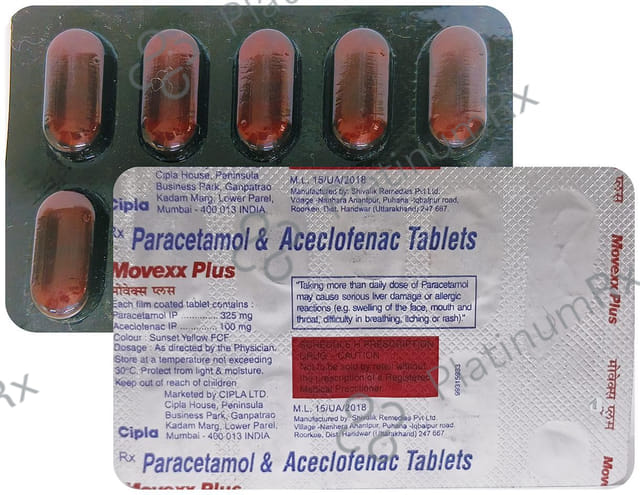
Movexx Plus 100/325mg Tablet 10s

Cipla Ltd.

Strip of 10 tablets
3.8K Bought this instead

Delivery by

...

FDA & GMP Certified

Long Expiry (>8 Months)

15 Days Easy Returns

Medicine Comparison

100% Exact Salt Match
Bee AP 100/325mg Tablet 10s
Movexx Plus 100/325mg Tablet 10s
FDA Approved
FDA Approved
₹8 / Unit
₹3.8 / Unit

Have a question?

Doctor Approved & Trusted
thumbnail

Genuine Medicine

Pay On Delivery

Secure Payment

LegitScript Certified

LegitScript Certified Online Pharmacy

View content in

languageEnglishDown Arrow

Detailed Description

Bee AP 100/325mg Tablet 10s combines two pain relievers that work in different ways. This makes it useful for pain that comes with swelling and inflammation.

Aceclofenac belongs to the NSAID group. When you have an injury or an inflamed joint, your body makes chemical messengers called prostaglandins in that area. These messengers cause pain, redness, heat and swelling. Aceclofenac blocks the enzymes that make prostaglandins, so swelling and tenderness go down. Aceclofenac is closely related to diclofenac, and the body turns some of it into diclofenac.

Paracetamol works mainly in the brain and spinal cord. It changes the way the body senses pain, and it brings down a high temperature. It does very little for swelling. At normal doses it is gentle on the stomach.

Together, the two ingredients cover pain, swelling and fever. That is why Bee AP 100/325mg Tablet 10s is often prescribed for:

  • Osteoarthritis and rheumatoid arthritis
  • Ankylosing spondylitis (long-lasting inflammation of the spine)
  • Low back pain, muscle strains and sprains
  • Dental pain and pain after minor procedures
  • Painful conditions that also come with fever

Having both medicines in one tablet means fewer pills to take. It also means you must not take any other paracetamol product at the same time. Too much paracetamol can seriously damage the liver.

Like other NSAIDs, aceclofenac can cause stomach ulcers and bleeding. It can also affect the kidneys and raise blood pressure. It can raise the risk of heart attack and stroke. This risk may appear early in treatment and increases with higher doses and longer use. People with heart failure, heart disease, poor circulation in the legs or a past stroke should not take it. For these reasons, Bee AP 100/325mg Tablet 10s should only be used under a doctor's supervision, at the lowest dose that works and for the shortest time needed. Tell your doctor about any stomach, heart, kidney or liver problems before you start.

Benefits of Bee AP 100/325mg Tablet 10s

  1. Two types of pain relief in one tablet: Aceclofenac works where the tissue is inflamed, and paracetamol works in the brain to dull pain. This gives broader relief than either ingredient alone.
  2. Reduces swelling and stiffness: The aceclofenac part lowers inflammation. This can ease morning stiffness and swollen joints in arthritis.
  3. Brings down fever: Paracetamol lowers a high temperature, which helps when pain comes with fever.
  4. Helps you move more easily: With less pain and stiffness, walking, bending and daily tasks can feel easier while the underlying problem is treated.
  5. Fewer tablets to manage: One combined tablet is simpler than taking two separate medicines, which can make it easier to take doses on time.

Side Effects of Bee AP 100/325mg Tablet 10s

Not everyone gets side effects, and many people take Bee AP 100/325mg Tablet 10s without any problems. Mild side effects often get better as your body gets used to the medicine.

Common Side Effects (Usually Mild and may lessen with continued use)

  • Indigestion, heartburn or stomach discomfort
  • Nausea
  • Stomach pain
  • Diarrhoea
  • Dizziness
  • Small rises in liver enzymes on blood tests, usually without any symptoms

Serious Side Effects (Seek Urgent Medical Attention)

  • Stomach or gut bleeding or ulcers: black, tarry or bloody stools, vomiting blood or something that looks like coffee grounds, or severe stomach pain.
  • Heart attack or stroke: chest pain, shortness of breath, weakness on one side of the body, slurred speech or sudden confusion. NSAIDs can raise this risk. The risk may appear early in treatment and is higher with larger doses and longer use.
  • Serious allergic reaction (anaphylaxis): swelling of the face, lips, tongue or throat, hoarseness, difficulty breathing, hives or fainting.
  • Stevens-Johnson syndrome (SJS) and toxic epidermal necrolysis (TEN): rare but serious skin reactions. They often start with fever and flu-like feelings. A painful red or purple rash then appears, which blisters and peels, with sores in the mouth, eyes or genitals. Both paracetamol and NSAIDs can rarely cause these reactions. Stop the medicine and get emergency care if a blistering or peeling rash appears.
  • Liver damage: yellowing of the skin or eyes, dark urine, pale stools, pain in the upper right side of the tummy, or unusual tiredness. The risk is higher with too much paracetamol or with alcohol.
  • Kidney problems: passing much less urine, blood in the urine, or swelling in the legs or ankles.
  • Blood problems (rare): unusual bruising or bleeding, frequent infections, sore throat with fever, or unusual paleness and tiredness.
  • Worsening asthma: new wheezing or tightness in the chest, especially in people whose asthma flares with aspirin or other NSAIDs.
  • Fluid build-up and raised blood pressure: sudden weight gain, swelling or headaches.

Directions for Use

  • Take Bee AP 100/325mg Tablet 10s exactly as your doctor has prescribed. Most people take it twice a day.
  • Take it with food or right after a meal. This lowers the chance of stomach upset, heartburn and nausea.
  • Swallow the tablet whole with a glass of plain water. Do not crush, chew or break it unless your doctor or pharmacist says the tablet is made to be split.
  • Take your doses at about the same times each day, with the same kind of meal, so the pain relief stays steady.
  • Do not take any other medicine that contains paracetamol while you are on Bee AP 100/325mg Tablet 10s. Many cold, flu and headache products contain it.
  • Do not take other painkillers such as ibuprofen, diclofenac or aspirin with it unless your doctor tells you to.
  • Use it for as long as your doctor has advised. This medicine is usually meant for short courses. Do not keep taking it on your own after the prescribed course ends, and do not stop it or change the dose without speaking to your doctor.

How it works

Aceclofenac: When tissue is injured or inflamed, the body uses enzymes called cyclooxygenase (COX) to make prostaglandins. Prostaglandins are chemical messengers that make nerves more sensitive to pain and cause swelling and heat. This enzyme comes in two main forms, COX-1 and COX-2. Aceclofenac blocks COX but works more on COX-2, the form that is most active where there is inflammation. With fewer prostaglandins, pain signals become weaker and swelling settles. The body turns some aceclofenac into diclofenac, which also blocks COX. Prostaglandins made by COX-1 help protect the stomach lining, and prostaglandins from both COX-1 and COX-2 help keep blood flowing to the kidneys. That is why blocking them can cause stomach and kidney side effects, even with medicines that work more on COX-2.

Paracetamol: Paracetamol has only a weak effect on COX in swollen tissues, so it does little for inflammation. It acts mainly in the central nervous system (the brain and spinal cord). There it raises the pain threshold, which means a stronger pain signal is needed before you feel pain. It also acts on the part of the brain that controls body temperature, which brings a fever down.

Working together: Aceclofenac reduces the inflammation that causes the pain, and paracetamol dulls how the brain senses that pain. The two act in different places, so together they can give fuller relief for painful, swollen conditions.

Safety Advice for Bee AP 100/325mg Tablet 10s

icon
Pregnancy
Limited information

Do not take Bee AP 100/325mg Tablet 10s in the last three months of pregnancy. Aceclofenac can harm the baby's heart and kidneys and affect labour. Avoid it from 20 weeks of pregnancy onwards, because NSAIDs can reduce the fluid around the baby. Earlier in pregnancy, use it only if your doctor decides it is clearly needed. Paracetamol on its own is usually the first choice for pain relief in pregnancy. Speak to your doctor before taking it if you are pregnant, think you may be pregnant or are planning a pregnancy.

icon
Breastfeeding
Limited information

Paracetamol passes into breast milk only in small amounts. Little is known about aceclofenac and breast milk. Ask your doctor before using Bee AP 100/325mg Tablet 10s while breastfeeding.

icon
Alcohol
Limited information

Avoid alcohol. Alcohol with paracetamol raises the risk of liver damage, and alcohol with an NSAID raises the risk of stomach bleeding.

icon
Driving
Limited information

Bee AP 100/325mg Tablet 10s can cause dizziness, drowsiness, a spinning feeling or blurred vision in some people. Do not drive or operate machinery if you are affected.

icon
Kidney
Limited information

Use with caution. NSAIDs can reduce blood flow to the kidneys and make kidney disease worse. People with severe kidney disease must not take it. Your doctor may check your kidney function.

icon
Liver
Limited information

Use with caution. Both ingredients are processed by the liver, and paracetamol can harm the liver at high doses. People with severe liver disease must not take it. If you have mild to moderate liver disease, your doctor may lower the dose and check your liver tests.

icon
Children
Limited information

Bee AP 100/325mg Tablet 10s is meant for adults. Aceclofenac is not recommended for children and teenagers under 18 years.

icon
Elderly patients
Limited information

Older adults, especially those over 65, are more likely to get stomach bleeding, kidney problems and heart side effects from NSAIDs. The doctor will usually choose the lowest dose for the shortest time and may check on you more often.

Quick Tips for Bee AP 100/325mg Tablet 10s

  • Take each dose with food or just after a meal to protect your stomach.
  • Check the labels of cold, flu and headache medicines, because many contain paracetamol. Taking them with Bee AP 100/325mg Tablet 10s can lead to a paracetamol overdose.
  • Keep a written list of all your medicines so you do not take paracetamol twice by mistake.
  • Do not add other painkillers like ibuprofen, diclofenac or aspirin on your own.
  • Do not drink alcohol while you are taking this medicine.
  • Smoking raises the risk of stomach ulcers and bleeding with NSAIDs. Cutting down or stopping helps protect your stomach.
  • Drink enough water during the day, especially in hot weather, to help protect your kidneys.
  • Watch for black stools, stomach pain, chest pain, skin rash, unusual bruising or yellow eyes, and contact a doctor straight away if any of these appear.
  • If you have high blood pressure, check your readings regularly while on this medicine.
  • Tell any doctor, dentist or surgeon that you are taking Bee AP 100/325mg Tablet 10s.

Storage Advice

  • Store at room temperature, below 30°C (86°F), or as printed on the pack.
  • Keep the tablets in their original strip or container to protect them from heat, light and moisture. Do not store them in the bathroom.
  • Keep out of the sight and reach of children and pets. Even a few tablets can be dangerous for a small child because of the paracetamol.
  • Do not use tablets after the expiry date. Ask your pharmacist how to dispose of unused medicine safely.

Drug-Food Interaction

  • Alcohol: This is the most important interaction. Drinking three or more alcoholic drinks a day raises the risk of liver damage from paracetamol. Alcohol also adds to the stomach irritation caused by aceclofenac and raises the chance of bleeding. Avoid alcohol during treatment.
  • Food in general: Taking Bee AP 100/325mg Tablet 10s with or after a meal helps prevent stomach upset, heartburn and nausea caused by aceclofenac. Apart from alcohol, there are no special foods you need to avoid.

Interactions with Other Drugs

Tell your doctor or pharmacist about every medicine, supplement and herbal product you use. Important interactions include:

  • Other paracetamol-containing products: Taking them together can push your total paracetamol over the safe limit and cause liver damage.
  • Other NSAIDs and aspirin (ibuprofen, diclofenac, naproxen and others): Taking them for pain along with Bee AP 100/325mg Tablet 10s raises the risk of stomach ulcers and bleeding but does not add to the pain relief. If you take low-dose aspirin prescribed to protect your heart, do not stop it yourself. Tell your doctor, who will decide how to manage both medicines.
  • Blood thinners (warfarin and other anticoagulants, clopidogrel): The risk of bleeding goes up. Regular paracetamol use may also make warfarin work more strongly.
  • SSRI and SNRI antidepressants (medicines for depression and anxiety, such as fluoxetine, sertraline, venlafaxine): These raise the chance of stomach bleeding when used with NSAIDs.
  • Corticosteroids (such as prednisolone): These raise the risk of stomach ulcers and bleeding.
  • ACE inhibitors and ARBs (common blood pressure and heart medicines, such as enalapril and losartan) and diuretics or "water pills": NSAIDs can make these blood pressure medicines work less well. Taken together, they can also harm the kidneys.
  • Lithium (a mood stabiliser for bipolar disorder): NSAIDs can raise lithium levels in the blood to harmful levels.
  • Methotrexate (used for rheumatoid arthritis, psoriasis and some cancers): NSAIDs can raise methotrexate levels and increase its side effects.
  • Ciclosporin and tacrolimus (medicines that calm the immune system, for example after an organ transplant): Taken with NSAIDs, these can increase the risk of kidney damage.
  • Digoxin (a heart medicine for heart failure or irregular heartbeat): NSAIDs may raise digoxin levels in the blood.
  • Quinolone antibiotics (such as ciprofloxacin): These may raise the risk of fits (seizures) when taken with NSAIDs.
  • Epilepsy medicines that speed up liver enzymes (such as carbamazepine and phenytoin): These may raise the risk of liver injury from paracetamol.

Drug-Disease Interactions

  • Allergy: Do not take Bee AP 100/325mg Tablet 10s if you have ever had an allergic reaction to aceclofenac, diclofenac, paracetamol, aspirin or any other NSAID.
  • Stomach ulcer or past stomach bleeding: Bee AP 100/325mg Tablet 10s can cause new ulcers or bleeding. People with an active ulcer or bleeding, repeated ulcers in the past, or past bleeding caused by an NSAID should not take it.
  • Heart disease, heart failure, poor circulation or past stroke: Do not take Bee AP 100/325mg Tablet 10s if you have heart failure, angina or a past heart attack, blocked arteries in the legs (peripheral arterial disease), or a past stroke or mini-stroke. It must not be used around the time of heart bypass surgery.
  • High blood pressure, diabetes, high cholesterol or smoking: These raise heart risk. Your doctor will weigh this up carefully before prescribing. Aceclofenac can also make the body hold on to salt and water, which can worsen swelling and blood pressure.
  • Kidney disease: NSAIDs can reduce blood flow to the kidneys and make kidney function worse. Do not take it if you have severe kidney disease.
  • Liver disease: Both ingredients are processed in the liver, and paracetamol can harm a liver that is already weak. Do not take it if you have severe liver disease.
  • Asthma: Some people with asthma, especially those sensitive to aspirin, can have attacks triggered by NSAIDs. If aspirin or another NSAID has ever caused an asthma attack, hives, swelling or a runny nose, you must not take Bee AP 100/325mg Tablet 10s.
  • Inflammatory bowel disease (Crohn's disease or ulcerative colitis): NSAIDs may cause flare-ups.
  • Bleeding disorders: NSAIDs make it harder for blood to clot. People with active bleeding or a bleeding disorder should not take it.
  • Regular heavy drinking: This raises the risk of liver damage from paracetamol and stomach bleeding from aceclofenac.
  • Dehydration: Not having enough fluid in the body, for example after vomiting or diarrhoea, raises the risk of kidney problems with NSAIDs.

Daily Dose

  • For the usual tablet (aceclofenac 100 mg with paracetamol 325 mg or 500 mg), adults typically take one tablet twice a day after food, once in the morning and once in the evening. Some longer-acting versions are taken once a day, only as your doctor directs. Do not take more than 200 mg of aceclofenac in 24 hours.
  • Your doctor will choose the dose and length of treatment based on your condition, age, kidney and liver health and other medicines. People with liver problems may be started on a lower dose.
  • Count all the paracetamol you take from every source. The adult maximum for paracetamol is 4,000 mg (4 grams) in 24 hours from all sources. A lower limit may apply if you weigh less, drink alcohol or have liver problems.
  • Use the lowest dose that controls your pain for the shortest possible time. Always follow the dose your doctor has prescribed, and do not change it yourself.

Overdose

An overdose of Bee AP 100/325mg Tablet 10s is a medical emergency, even if you feel well.

  • Paracetamol overdose: Early symptoms may be mild or absent. Some people have nausea, vomiting, sweating, loss of appetite, upper tummy pain, extreme tiredness or flu-like symptoms. Liver damage can develop silently over the next few days, and it can be life-threatening. An antidote called acetylcysteine (N-acetylcysteine) works best when given soon after the overdose.
  • Aceclofenac (NSAID) overdose: This may cause headache, nausea, vomiting, stomach pain, drowsiness, dizziness, ringing in the ears or fainting. In severe cases it can cause stomach bleeding, kidney failure, liver damage, slowed breathing, seizures (fits) or coma.

What to do: Go to the nearest emergency department straight away, or call emergency services. Take the medicine strip or box with you. Do not wait for symptoms to appear, and do not try to make the person vomit unless a medical professional tells you to.

What If You Forget to take Bee AP 100/325mg Tablet 10s?

  • Take the missed dose as soon as you remember, with food.
  • If it is almost time for your next dose, skip the missed one and take the next dose at the usual time.
  • Never take two doses together to make up for a missed one. Doubling up raises the risk of paracetamol overdose and stomach side effects.
  • If you often forget doses, a phone alarm or taking it after breakfast and dinner each day can help.

When to contact doctor

Get urgent medical help if you notice any of these:

  • Black, tarry or bloody stools, or vomiting blood or something that looks like coffee grounds
  • Severe or ongoing stomach pain
  • Chest pain, sudden shortness of breath, or weakness, numbness or drooping on one side of the face or body
  • Slurred speech or sudden confusion
  • Swelling of the face, lips, tongue or throat, or difficulty breathing
  • A red or purple rash that blisters or peels, or sores in the mouth or eyes
  • Yellowing of the skin or eyes, dark urine or pale stools
  • Unusual bruising or bleeding, frequent infections, or sore throat with fever
  • Passing much less urine than usual, or new swelling in the legs or ankles
  • New or worsening wheezing
  • Taking more than the prescribed dose, or taking it together with another paracetamol product

FAQ

Fact Box

Therapeutic Class

Analgesic and anti-inflammatory (pain relief)

Action Class

Aceclofenac: NSAID, cyclooxygenase (COX) inhibitor that works more on COX-2; Paracetamol: centrally acting analgesic and antipyretic (fever reducer)

Chemical Class

Aceclofenac: phenylacetic acid derivative (related to diclofenac); Paracetamol: para-aminophenol derivative

Habit Forming

No

Disclaimer

PlatinumRx is committed to providing reliable and accurate information to support informed customer decisions. However, all information made available on the Platform, including product descriptions, comparisons, and other content, is provided solely for general informational purposes. Such information is not intended to diagnose, prevent, treat, or cure any medical condition, nor should it be relied upon as a substitute for professional medical advice, diagnosis, or treatment.
View More
editorial-png
Authentic & trustworthy information
Having issues with the content?
Report Error

Customers also bought