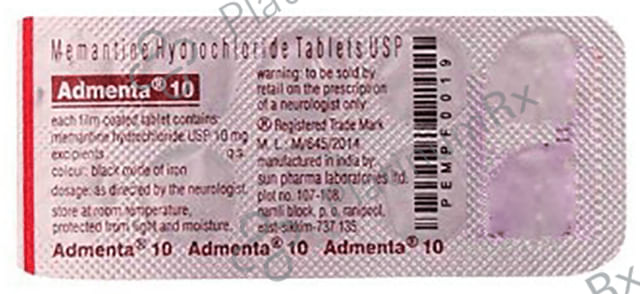
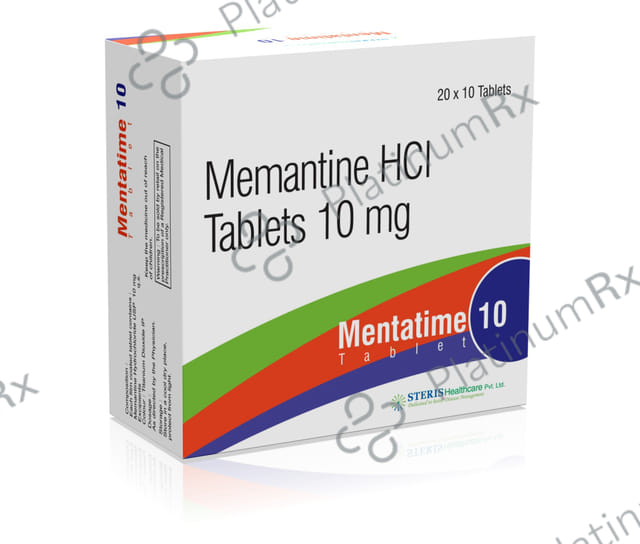
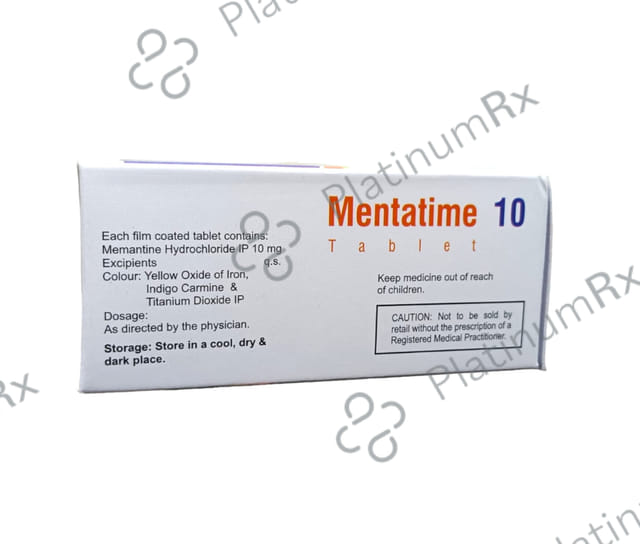
Admenta 10mg Tablet MD 10s

Admenta 10mg Tablet MD 10sis a neurological medication containing of Memantine Hydrochloride. It is primarily prescribed for the treatment of moderate to severe dementia of the Alzheimer’s type. Unlike other Alzheimer's treatments that focus on acetylcholine, Memantine works by regulating glutamate activity, a chemical messenger in the brain associated with learning and memory. By protecting brain cells from overstimulation, Admenta 10mg Tablet MD 10shelps slow the progression of cognitive decline, allowing patients to maintain their functional abilities, such as performing daily tasks and recognising loved ones, for longer.
Written by: Syeda Jigni Mehraj, B pharmacy
Reviewed by: Dr. Jay Faldu, MBBS
Last updated on: 20-05-2026
Delivery by
...

WHO GMP Certified
Long Expiry (>8 Months)
15 Days Easy Returns
Medicine Comparison

Genuine Medicine
Pay On Delivery
Secure Payment


View content in
 English
Quick Summary
Admenta 10mg Tablet MD 10sis a neurological medication containing of Memantine Hydrochloride. It is primarily prescribed for the treatment of moderate to severe dementia of the Alzheimer’s type. Unlike other Alzheimer's treatments that focus on acetylcholine, Memantine works by regulating glutamate activity, a chemical messenger in the brain associated with learning and memory. By protecting brain cells from overstimulation, Admenta 10mg Tablet MD 10shelps slow the progression of cognitive decline, allowing patients to maintain their functional abilities, such as performing daily tasks and recognising loved ones, for longer.
Detailed Description
Admenta 10mg Tablet MD 10sis an orally active NMDA (N-methyl-D-aspartate) receptor antagonist. This formulation is a cornerstone in the management of advanced stages of Alzheimer's disease, where it is used to stabilise cognitive and behavioural symptoms.
Composition and Mechanism: Each tablet contains of Memantine Hydrochloride. In a healthy brain, a natural chemical called glutamate helps nerve cells send messages to each other so we can think, learn, and remember. In Alzheimer's disease, too much glutamate is released. This creates “background noise” in the brain, which blocks clear messages and can slowly damage brain cells. Memantine works like a protective shield. It partially blocks certain brain receptors (called NMDA receptors) to reduce this extra “noise,” while still allowing important signals to pass through. This helps protect brain cells and supports clearer thinking and daily functioning.
Major Therapeutic Uses: Admenta 10mg Tablet MD 10sis used to treat moderate to severe Alzheimer’s disease. It is not a cure, but it can help manage symptoms such as confusion, getting lost easily, trouble speaking, and difficulty carrying out everyday tasks. It is often prescribed together with other Alzheimer’s medicines, such as Donepezil. These two medicines work in different ways, and when used together, they can provide better overall support for brain function.
Benefits and Precautions: The primary benefit of Admenta 10mg Tablet MD 10sis the preservation of "activities of daily living." For many families, this means the patient can continue to dress, eat, or bathe independently for longer. Precautions are necessary for patients with a history of seizures or those with severe kidney impairment. Because Memantine is cleared from the body by the kidneys, the dose may need to be adjusted if renal function is poor. It should also be used cautiously in patients who have recently changed their diet to be strictly vegetarian, as this can change the acidity of urine and affect how the drug is cleared.
Medical Supervision and Risks: Use of Admenta 10mg Tablet MD 10srequires consistent medical supervision. While generally better tolerated than many other dementia medications, risks include sudden changes in blood pressure and increased risk of falls due to dizziness. It is essential to monitor the patient for any behavioural changes or signs of hypersensitivity. There is also a risk of interaction with medications that make the urine more alkaline (such as certain diuretics), which can lead to a buildup of Memantine in the blood.
Uses of Admenta 10mg Tablet MD 10s
Admenta 10mg Tablet MD 10s (Memantine) is indicated for:
Moderate to Severe Alzheimer’s
Managing symptoms of advanced cognitive decline.
Cognitive Stabilisation
Improving memory, awareness, and the ability to perform daily functions.
Behavioural Management
Reducing agitation or aggression associated with dementia.
Vascular Dementia
Used off-label to slow the decline caused by small strokes in the brain.
Benefits of Admenta 10mg Tablet MD 10s
Admenta 10mg Tablet MD 10shelps protect brain cells from damage. In Alzheimer’s disease, too much of a brain chemical called glutamate can overstimulate and slowly harm brain cells. This medicine helps prevent that damage by calming down this overactivity. Protecting brain cells helps the brain’s communication system work more smoothly. Many patients may seem more alert, aware, and able to take part in conversations or family activities.
One important advantage of the tablet is that the dose can be increased slowly. Most people start with a day and gradually increase to a day. Increasing the dose step by step allows the brain to adjust to the medicine. This helps lower the chance of early side effects such as confusion, restlessness, or agitation. The tablet makes it easier to adjust the dose safely to reach the most helpful level.
Another benefit of Admenta 10mg Tablet MD 10sis that it generally causes fewer stomach-related side effects than some older dementia medicines. It does not usually cause severe nausea, vomiting, or stomach cramps, which can be common with certain other treatments. This makes it a better option for many older adults, especially those who are already weak or have a poor appetite. By helping to steady memory, thinking, and mood, the medicine can also reduce stress for caregivers and family members who are supporting someone with dementia.
Side Effects of Admenta 10mg Tablet MD 10s
Common Side Effects (Generally manageable)
- Dizziness: A feeling of unsteadiness, especially when standing up.
- Headache: Mild to moderate pain as the brain adjusts.
- Constipation: Slowed digestive movement.
- Sleepiness: Feeling unusually tired during the day.
- Hypertension: A slight increase in blood pressure.
Uncommon Side Effects
- Confusion: Temporary increased disorientation during the first few weeks.
- Fatigue: A general sense of weakness or lack of energy.
- Vomiting: Mild stomach upset (less common than with other dementia drugs).
- Hallucinations: Seeing or hearing things that aren't there.
Serious Side Effects (Requires immediate medical attention)
- Seizures: Sudden, uncontrolled electrical activity in the brain.
- Severe Allergic Reaction: Swelling of the face, lips, or tongue.
- Congestive Heart Failure: Sudden shortness of breath or swelling in the ankles.
- Deep Vein Thrombosis: Pain, swelling, and redness in a leg.
- Psychosis: Severe detachment from reality or extreme aggression.
Directions for Use
- Timing: Can be taken once or twice daily, with or without food.
- Method: Swallow the tablet whole with water. Do not crush or chew.
- Consistency: Take it at the same time every day to keep a steady level in the brain.
- Gradual Increase: Follow your doctor’s "step-up" schedule (usually starting and increasing by each week until reaching a certain dose.
- Hydration: Ensure the patient drinks enough water, as this helps the kidneys filter the medication.
How it works
Memantine works through an "Excitotoxicity Defence" pathway:
- Receptor Binding: It binds to NMDA receptors on the surface of brain cells.
- Noise Reduction: It blocks the low-level, constant leaking of glutamate that creates mental "noise."
- Signal Preservation: When a strong signal (a memory or thought) arrives, Memantine momentarily moves out of the way to let the signal pass.
- Cell Protection: By preventing constant calcium influx into cells, it prevents cell damage or death.
Safety Advice for Admenta 10mg Tablet MD 10s

Driving
Caution
Alzheimer's and the medicine itself can affect reaction times. A doctor should evaluate driving.

Pregnancy
Caution
Not recommended. Consult a doctor if the patient is of childbearing age.

Alcohol
Caution
Alcohol can increase confusion and dizziness. It is best to avoid it.
Quick Tips for Admenta 10mg Tablet MD 10s
- The "Slow Start": Be patient during the first month. The benefits of Memantine often take 4 to 12 weeks to become fully visible.
- Fall Prevention: Because dizziness is common, ensure the home is free of trip hazards such as loose rugs.
- Diet Watch: If the patient drastically changes their diet (e.g., becoming a strict vegetarian), inform the doctor, as this can affect how the drug is cleared.
- Medication Review: Always tell the doctor if the patient starts taking cough medicines containing dextromethorphan.
Storage Advice
Store Admenta 10mg Tablet MD 10sat room temperature (between 20°C and 25°C). Keep the tablets in their original container, tightly closed, and away from moisture and direct heat. Keep out of reach of children.
Drug-Food Interaction
- Alkaline-forming Diets: Diets very high in fruits and vegetables (strict vegetarian) can make urine less acidic, slowing down the removal of Memantine from the body.
- Caffeine: Does not typically interact, but should be monitored if the patient is experiencing insomnia.
Interactions with Other Drugs
Amantadine
SEVERE
Chemically similar to Memantine; taking both increases the risk of "toxic psychosis."
Dextromethorphan
MODERATE
Found in cough syrups, it can increase the risk of confusion and dizziness.
Sodium Bicarbonate
CAUTION
Antacids containing bicarbonate can slow down the removal of Memantine.
Warfarin
CAUTION
Memantine may slightly change the effect of blood thinners; monitor INR levels.
Drug-Disease Interactions
- Kidney Disease: The most important interaction; severe impairment requires a lower dose.
- Epilepsy: May increase the risk of seizures in susceptible patients.
- Urinary Tract Infections (UTIs): Severe UTIs can change urine pH and affect drug levels.
Daily Dose
The dosage of Admenta 10mg Tablet MD 10sis carefully increased over a month to reduce side effects. Most patients start with half tablet once daily for the first week. In the second week, the dose is increased to one tablet daily.
By the third week, the dose is usually, and by the fourth week, most patients reach the Maintenance Dose per day. The Maximum Dose per day. If the patient has significant kidney issues, the maintenance dose is often capped at. Never change the dosage schedule without consulting a neurologist.
What If You Forget to take Admenta 10mg Tablet MD 10s?
If you miss a dose, take it as soon as you remember. However, if it is almost time for the next dose, skip the missed one. Do not take two tablets at once to make up for a missed dose. If the patient misses several days of treatment, contact the doctor before restarting.
FAQ
Fact Box
Therapeutic Class
NMDA Receptor Antagonist
Action Class
Neuroprotective Agent
Chemical Class
Adamantane derivative
Habit Forming
No
Disclaimer
PlatinumRx is committed to providing reliable and accurate information to support informed customer decisions. However, all information made available on the Platform, including product descriptions, comparisons, and other content, is provided solely for general informational purposes. Such information is not intended to diagnose, prevent, treat, or cure any medical condition, nor should it be relied upon as a substitute for professional medical advice, diagnosis, or treatment.
Editorial Policy
Customers also bought

Health Articles








More Medicines By Manufacturer
More Medicines With Salt
Top Selling Medicines
Top Selling Devices